
Last updated on November 9th, 2026 at 05:08 pm
Packing for Europe sounds simple until you realize how different a trip can feel once you are actually moving between airports, train stations, cobblestone streets, small hotel rooms, and cities where you may walk far more than you expected. The biggest mistake many travelers make is packing based on what they might need instead of what will actually make the trip easier. A suitcase full of extra clothes can quickly become more of a burden than a benefit.
The best Europe packing lists are not necessarily the longest ones. They focus on the small items that solve common travel problems, reduce stress, and help you move through your trip more comfortably. A few practical essentials can matter far more than packing multiple outfits for every possible situation. The goal is not to prepare for every imaginable scenario, but to avoid the handful of problems that repeatedly catch travelers off guard.
Europe also rewards travelers who pack for mobility. You may find yourself carrying luggage up stairs, navigating older buildings without elevators, squeezing onto crowded trains, or walking several blocks from a station to your accommodation. That is why smart packing is often less about bringing more and more about choosing the right things. Every unnecessary item adds weight, while every useful item earns its place.
There are also regional differences that can surprise first-time visitors. Electrical outlets, payment habits, weather changes, transportation systems, and even the way people dress can differ from what travelers are used to at home. None of these differences are especially difficult to manage, but they can become annoying if you arrive completely unprepared. A little planning before departure can save a surprising amount of time and frustration later.
These six essentials are not about turning travel into a military operation or making you afraid to forget something. They are simply the items that tend to make a European trip smoother, especially for travelers who want to move efficiently and avoid unnecessary spending. Pack these first, then build the rest of your suitcase around them.
Read here Best eSim for International Travel and Best Travel Insurance Comparison
BOOK YOUR TRAVEL INSURANCE
Two of our favorite travel insurance: Heymondo Vs Safetwing cheapest travel Insurance. You can get for $135 USD your Heymondo Travel Insurance with Heymondo discount code valid for 90 days. Read our full comparison of Genki vs Safetywing Travel Insurance Review and the comparison Heymondo vs Genki
Packing Tips
Choose Versatile Clothing Layers — Pack outfits that can transition from day to night and adapt to changing weather.
Bring a Universal Travel Adapter — European outlets vary, and having a reliable adapter saves you from scrambling for one on arrival.
Invest in a Crossbody Bag or Anti-Theft Backpack — Pickpocketing is common in tourist-heavy areas, so secure your belongings smartly.
Pack Comfortable Walking Shoes — Europe’s cobblestone streets and public transport require sturdy, all-day comfort footwear.
Carry a Light Rain Jacket or Umbrella — Weather can be unpredictable, especially in Northern Europe.
One uncomfortable truth about packing for Europe is that many travelers bring far more than they need because they are packing for anxiety rather than reality. Extra shoes, multiple jackets, oversized toiletry bags, and “just in case” outfits feel reassuring at home, but they often become dead weight once the trip begins. In many cases, the best packing decision is not adding another item but removing one.
Another controversial point is that expensive travel gear is often less important than people think. You do not necessarily need a suitcase full of specialized gadgets, branded organizers, or high-end accessories to travel well. A simple adapter, comfortable shoes, a reliable bag, and a few practical basics can be more useful than a collection of products marketed as travel essentials. Good packing is usually about judgment, not shopping.
Travelers also tend to underestimate how much walking they will do in Europe. Stylish shoes that feel fine for dinner at home can become miserable after several hours on uneven pavement. Choosing comfort over appearance may not feel glamorous, but sore feet can ruin an otherwise great day faster than almost anything else. The same is true for heavy bags: looking polished matters far less when you are dragging luggage across a train platform.
There is also a tendency to pack as if European cities lack basic stores. They do not. If you forget shampoo, an umbrella, a sweater, or another common item, you can usually buy it. Trying to anticipate every possible need often leads to overpacking. Travelers sometimes forget that one of the easiest ways to travel lighter is simply trusting that they can solve small problems when they happen.
The most controversial packing lesson may be that less really does give you more freedom. A smaller bag means fewer things to keep track of, less time spent unpacking and repacking, and more flexibility when changing hotels or using public transportation. Travelers often think having more options will make them more comfortable, but in practice, having fewer belongings can make the entire trip feel easier.
Why You Should Pack These 6 Things
Packing the right essentials before traveling to Europe can dramatically improve your overall experience. Many travelers underestimate how different daily routines, infrastructure, and expectations can be compared to their home country. Having the proper items on hand reduces stress and allows you to focus on enjoying your trip instead of solving avoidable problems.
These six items are often overlooked because they seem unnecessary at home. However, once abroad, small inconveniences can quickly add up. Whether it is struggling with incompatible outlets, unreliable internet, or unexpected weather changes, the right gear helps you adapt smoothly.
Being prepared also saves money. Touristy areas tend to sell basic necessities at inflated prices. Buying adapters, toiletries, or travel accessories abroad can cost far more than packing them in advance. Smart packing protects your budget.
Proper packing improves flexibility. When you are equipped with the essentials, you can change plans easily, take spontaneous trips, or stay out longer without worrying about logistics. This freedom is one of the biggest benefits of thoughtful preparation.
Finally, packing these items provides peace of mind. Knowing that you are ready for common travel challenges reduces anxiety and builds confidence. Instead of feeling unprepared, you feel capable and in control throughout your journey.
Why You Shouldn’t Pack These 6 Things
Overpacking is one of the most common mistakes travelers make. Even useful items can become burdens when they add weight and bulk to your luggage. Carrying heavy bags through train stations, cobblestone streets, and narrow staircases quickly becomes exhausting.
Many travelers discover that Europe is well-equipped for visitors. Pharmacies, convenience stores, and travel shops are widely available. If you forget something, it is usually easy to replace. Packing too much “just in case” can be unnecessary.
Some items may never be used. Travelers often bring backup gadgets, extra accessories, or specialized gear that stays untouched throughout the trip. These unused items take up valuable space that could be reserved for souvenirs or essentials.
Travel styles also vary. Minimalist travelers prefer moving quickly and lightly between destinations. For them, carrying extra gear limits mobility and reduces spontaneity. A lighter bag often leads to a more enjoyable experience.
Finally, overplanning through packing can reduce adaptability. When you rely too heavily on specific items, you may be less willing to adjust to local habits and solutions. Sometimes, learning to travel with less leads to greater cultural immersion and personal growth.
Essentials to Pack for Europe
1. Travel Documents
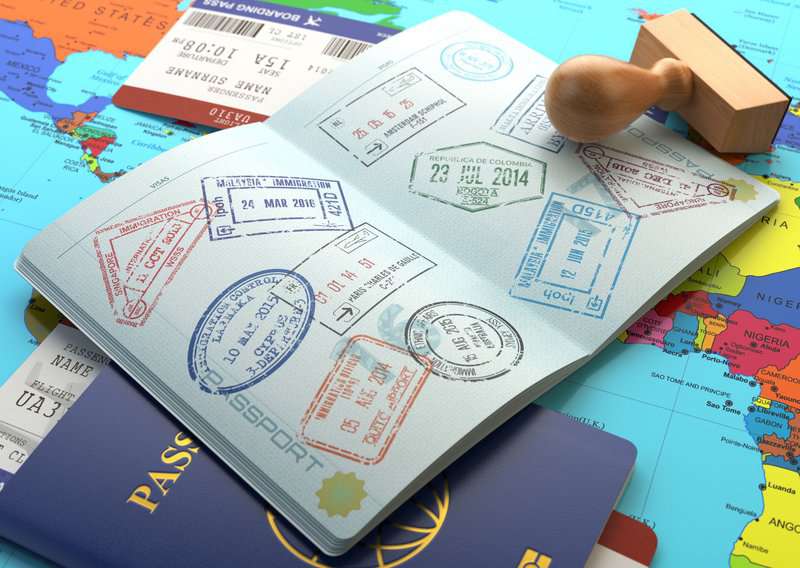
Essentials:
Passport: Ensure it’s valid for at least six months beyond your return date.
Visas: Check if you need a visa for the countries you’re visiting.
Travel Insurance: Carry a copy of your policy and emergency contact information.
Itinerary: Printed copies of your travel itinerary, including flights, accommodations, and activities.
Copies of Documents: Digital and physical copies of your passport, visas, insurance, and itinerary.
Driver’s License: If you plan to rent a car, an International Driving Permit (IDP) may also be required.
2. Clothing

Essentials:
Layers: Europe’s weather can be unpredictable, so pack layers. Include lightweight tops, long-sleeve shirts, and a warm sweater or jacket.
Comfortable Shoes: Essential for walking and exploring cities. Pack a pair of sturdy walking shoes, casual shoes, and possibly dress shoes for evenings.
Weather-Appropriate Outerwear: Depending on the season, bring a waterproof jacket, a warm coat, or a light raincoat.
Versatile Clothing: Choose neutral colors and versatile pieces that can be mixed and matched.
Formal Wear: If you plan to dine at upscale restaurants or attend events, pack a set of dressy clothes.
Swimwear: If you’re visiting coastal areas or hotels with pools.
Scarves and Accessories: Useful for changing your look and providing extra warmth.
Seasonal Tips:
Summer: Pack lightweight clothing, sunglasses, a sun hat, and sunscreen.
Winter: Include thermal wear, gloves, a hat, and a scarf.
3. Toiletries and Personal Care
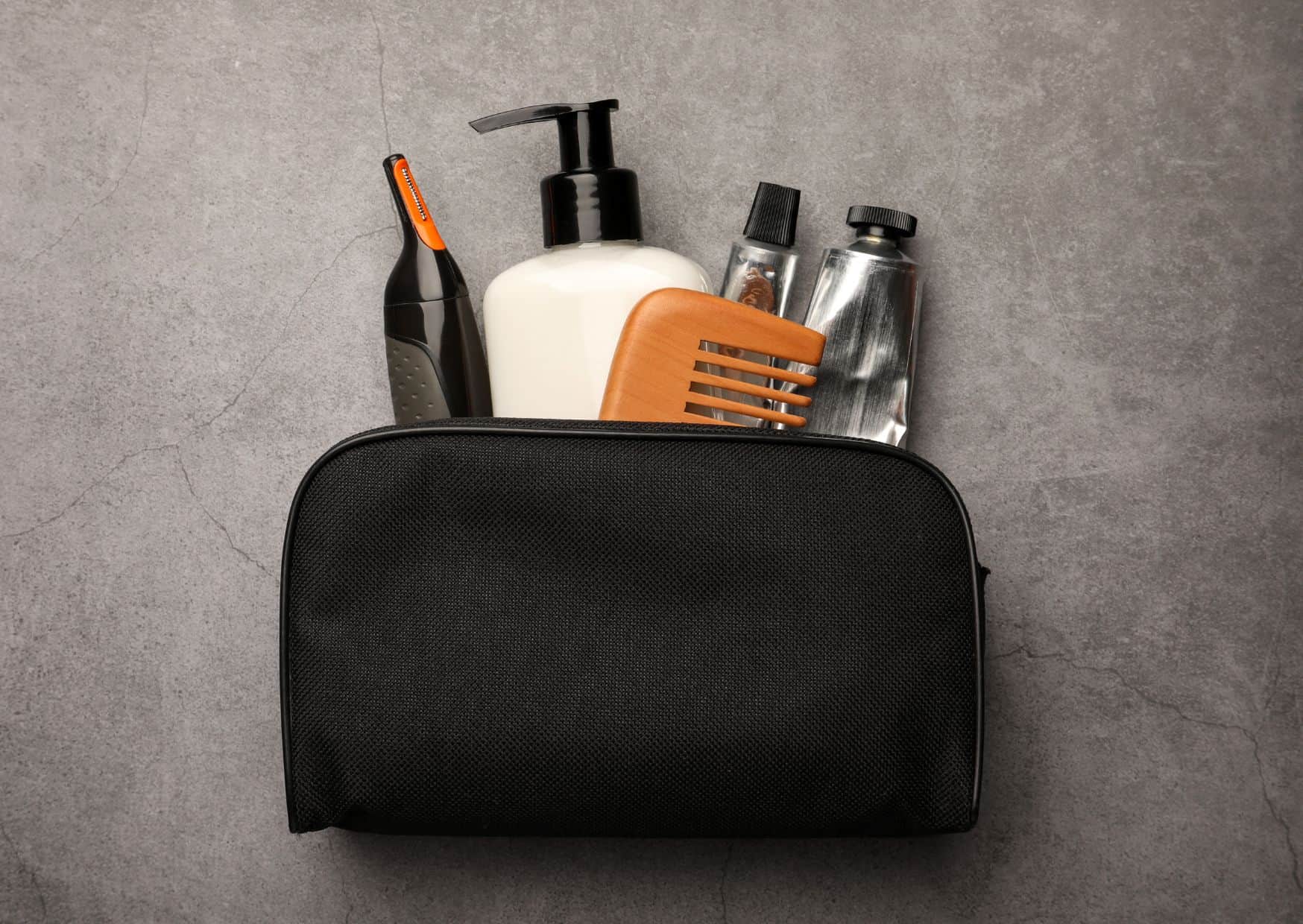
Essentials:
Basic Toiletries: Toothbrush, toothpaste, deodorant, shampoo, conditioner, soap, and razor.
Skincare: Moisturizer, sunscreen, and lip balm.
Health Items: Prescribed medications, a basic first aid kit, hand sanitizer, and travel-size tissues.
Makeup and Grooming: Minimal makeup, hairbrush, and styling tools if needed.
Reusable Water Bottle: Handy for staying hydrated and reducing plastic waste.
Tips:
Travel-Size Bottles: Use travel-size containers to comply with airline liquid restrictions.
Dry Toiletries: Consider solid shampoo bars, soap bars, and toothpaste tablets to save space.
4. Technology and Gadgets
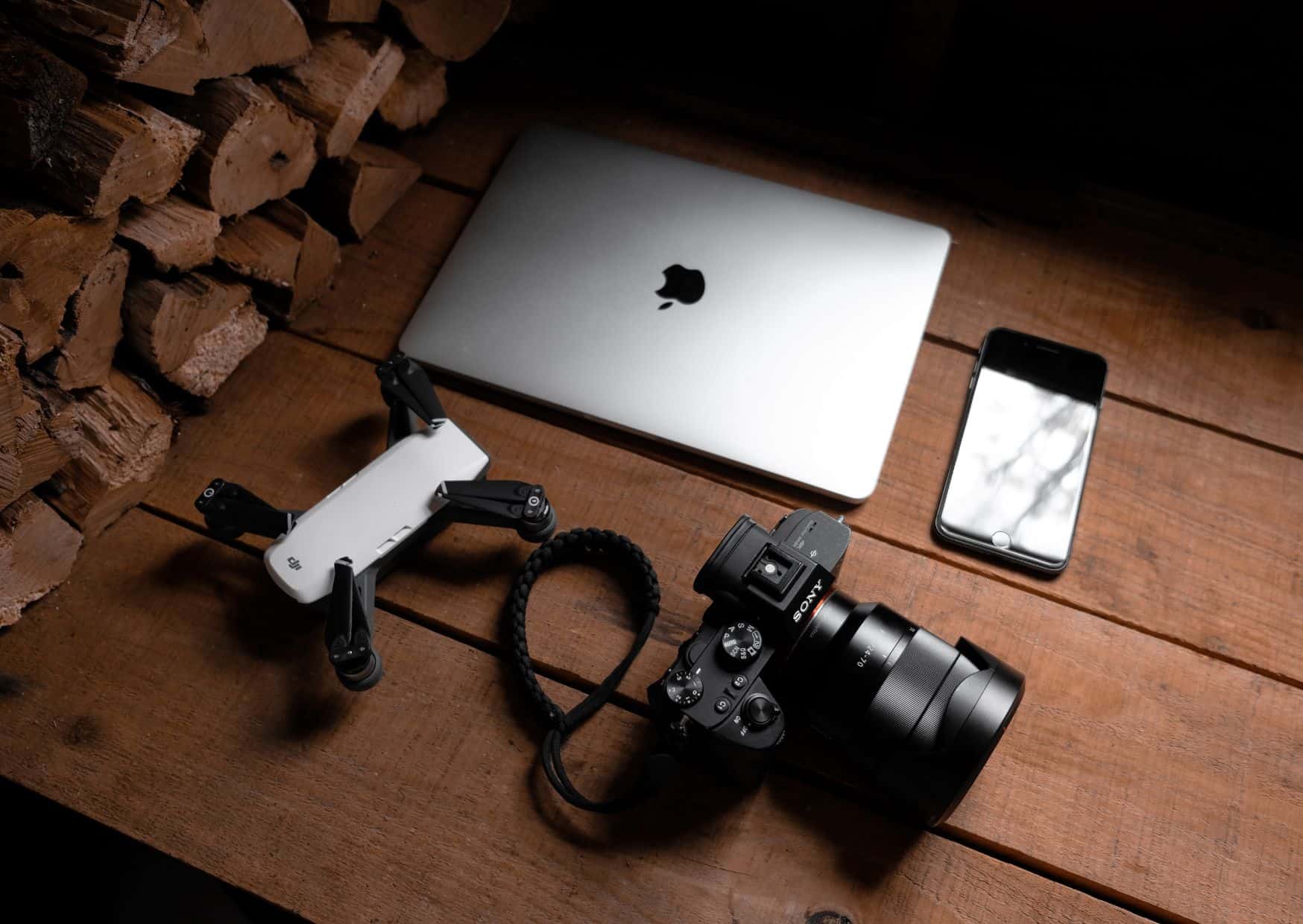
Essentials:
Smartphone and Charger: For navigation, communication, and travel apps.
Power Bank: A portable charger to keep your devices powered on the go.
Universal Adapter: Europe uses various plug types, so a universal travel adapter is essential.
Camera and Accessories: If you prefer a dedicated camera, don’t forget extra batteries and memory cards.
Tablet or E-Reader: For entertainment during long journeys.
Headphones or Earbuds: Useful for flights, train rides, and downtime.
Optional:
Laptop: If you need to work or prefer a larger screen for planning.
Portable Wi-Fi Hotspot: For reliable internet access.
5. Travel Accessories

Essentials:
Daypack or Backpack: For daily outings and excursions.
Money Belt or Hidden Wallet: To keep your valuables secure.
Packing Cubes: To organize and compress your clothing.
Reusable Shopping Bag: Handy for groceries or extra items.
Travel Umbrella: Compact and useful in case of rain.
Optional:
Neck Pillow and Eye Mask: For comfort during flights or long train rides.
Travel Laundry Kit: Compact detergent and a sink stopper for washing clothes on the go.
Guidebook or Maps: For offline reference in case of poor internet connectivity.
6. Money and Financial Items
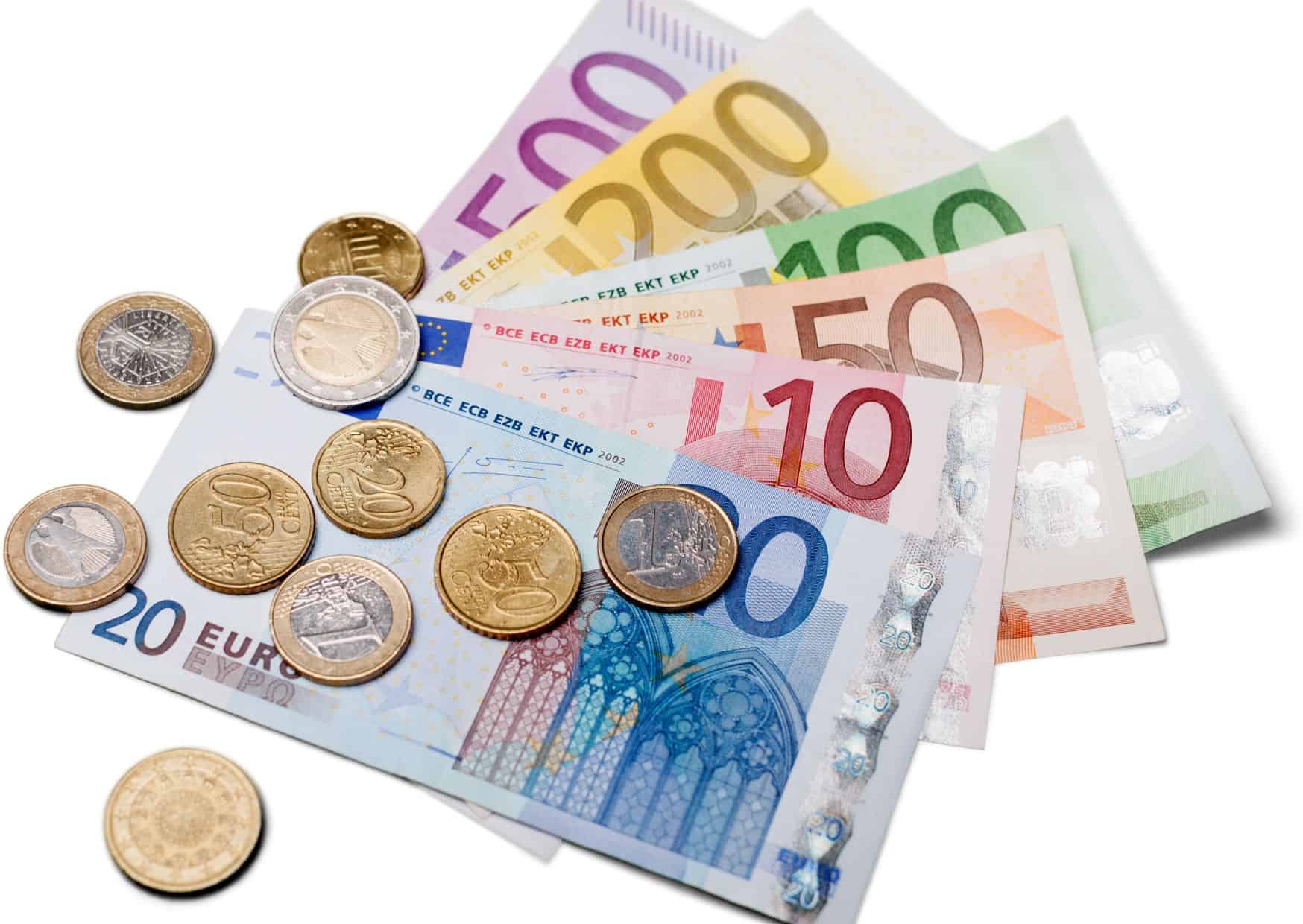
Essentials:
Credit and Debit Cards: Ensure they work internationally and inform your bank of your travel plans.
Cash: Carry a small amount of local currency for immediate expenses.
Travel Wallet: Keep your cards, cash, and important documents organized and secure.
Tips:
Multiple Payment Options: Carry more than one card in case of emergencies.
Currency Conversion App: To easily check exchange rates.
Final Thoughts
Packing well for Europe is less about creating the perfect checklist and more about understanding how you will actually travel once you arrive. The right essentials should help you move comfortably, stay organized, and deal with the small challenges that come with unfamiliar cities and transportation systems. If an item does not make your trip easier, it may not deserve space in your bag.
Start with the things that solve real problems. Comfortable walking shoes, the correct power setup, a secure way to carry valuables, and a few versatile items will usually matter more than bringing an outfit for every day of the trip. Practicality becomes much more valuable once you are walking through a station with your luggage or trying to fit everything into a small hotel room.
It is also worth remembering that packing light does not mean traveling unprepared. The goal is to prepare intelligently. You can still dress well, handle changing weather, and be ready for different activities without filling an oversized suitcase. Versatile clothing and thoughtful essentials can cover far more situations than most travelers realize.
Your packing style will also improve with experience. After every trip, you will probably notice things you never used and items you wished you had brought. Pay attention to those patterns. Over time, your packing list becomes shorter, more personal, and much more effective because it is based on how you actually travel rather than generic advice.
Ultimately, the best suitcase is the one you barely have to think about once the trip begins. Pack the essentials, leave room for flexibility, and avoid carrying unnecessary weight across Europe. The less energy you spend managing your belongings, the more energy you have for the places, food, people, and experiences you traveled all that way to enjoy.

About the Author: Ruben, co-founder of Gamintraveler.com since 2014, is a seasoned traveler from Spain who has explored over 100 countries since 2009. Known for his extensive travel adventures across South America, Europe, the US, Australia, New Zealand, Asia, and Africa, Ruben combines his passion for adventurous yet sustainable living with his love for cycling, highlighted by his remarkable 5-month bicycle journey from Spain to Norway. He currently resides in Spain, where he continues sharing his travel experiences with his partner, Rachel, and their son, Han.