
Last updated on November 9th, 2026 at 05:00 pm
London is one of the easiest cities in Europe to visit and one of the easiest places to accidentally annoy people without realizing it. The language feels familiar, public transportation is excellent, and many of the city’s most famous attractions are straightforward to reach. That familiarity can make visitors assume London works much like an American city, but the social rules are often very different. Small habits involving queues, escalators, public transport, restaurant behavior, conversation, and personal space can make the difference between blending in comfortably and standing out immediately as a tourist.
The biggest mistakes travelers make in London are rarely dramatic. You are unlikely to ruin your trip because you misunderstood one custom or used the wrong phrase. The more common problem is that dozens of small mistakes create unnecessary friction. Blocking the left side of an escalator, stopping suddenly in a busy Underground station, talking loudly on a quiet train, or skipping an orderly queue may seem minor, but Londoners notice these things because the city depends on millions of people moving around efficiently every day.
London also has its own style of politeness that can be confusing for visitors. People may apologize when you bump into them, say “cheers” instead of “thank you,” or use indirect language when they are actually expressing irritation. A phrase that sounds friendly may carry more meaning than it appears to, while a person who seems reserved may simply be respecting your personal space. Understanding these subtleties makes the city much easier to navigate because you stop interpreting British behavior through an entirely American lens.
Many visitors also make the mistake of treating London like a collection of famous landmarks instead of a living city. They rush between Buckingham Palace, Big Ben, Tower Bridge, and the British Museum without paying attention to the neighborhoods, transport etiquette, pub customs, and daily rhythms that shape local life. London becomes much more rewarding when you observe how people actually use the city rather than treating every street like a backdrop for sightseeing.
The goal of learning what not to do in London is not to become nervous about every interaction. It is to understand the handful of habits that can make your visit smoother, more respectful, and more enjoyable. Londoners generally do not expect tourists to know every unwritten rule, but making a small effort goes a long way. If you understand the basic etiquette before you arrive, you can spend less time wondering whether you are doing something wrong and more time enjoying one of the most fascinating cities in the world.
Read here 10 Best Things to Know Before Visiting London For First Timers and the Best International SIM Card for the UK
BOOK YOUR TRAVEL INSURANCE
Two of our favorite travel insurance: Heymondo Vs Safetwing cheapest travel Insurance. You can get for $135 USD your Heymondo Travel Insurance with Heymondo discount code valid for 90 days. Read our full comparison of Genki vs Safetywing Travel Insurance Review and the comparison Heymondo vs Genki
Things Not to Do in London
One controversial truth about London is that many of the behaviors tourists describe as “cold” are actually forms of respect. Londoners are often criticized for being distant, unfriendly, or unwilling to engage in casual conversation, especially by visitors from cultures where strangers speak more openly. In reality, giving people space, avoiding unnecessary conversation, and not intruding on someone’s commute can be considered polite. What looks unfriendly to one traveler may simply be a different understanding of good manners.
Another uncomfortable truth is that tourists often expect the city to accommodate them rather than learning how the city works. London is crowded, fast, and heavily dependent on efficient public transportation. Standing in the middle of a station while checking directions, walking slowly in a group across the entire pavement, or stopping at the top of an escalator creates problems because everyone behind you has to adjust. Tourists may feel rushed, but locals often see these behaviors as inconsiderate rather than innocent.
There is also a strange expectation that London should feel completely familiar because English is spoken there. Many American visitors prepare more carefully for France, Italy, or Spain because they expect cultural differences, yet they arrive in London assuming the social rules will be basically the same as home. That assumption can create more misunderstandings than a language barrier would. Sharing a language does not mean sharing the same expectations about tipping, restaurant service, humor, personal space, or conversation.
Another controversial point is that some of London’s most famous tourist experiences are not always the best way to understand the city. Spending your entire trip around Leicester Square, Oxford Street, Piccadilly Circus, and other heavily visited areas can give you a distorted impression of London. These places are busy for a reason, but they represent only a small part of a city made up of dozens of neighborhoods with completely different personalities. Travelers who never leave the tourist center often go home thinking London is nothing but crowds, expensive food, and souvenir shops.
Finally, visitors sometimes misunderstand British politeness because it is often indirect. In some cultures, frustration is expressed openly. In London, irritation may arrive disguised as a polite sentence, a raised eyebrow, or an exaggerated “sorry.” If someone repeatedly says “excuse me” while trying to get past you, they may not be casually chatting. Understanding this communication style can prevent a lot of awkwardness and helps explain why London etiquette can feel subtle compared with places where people are more direct.
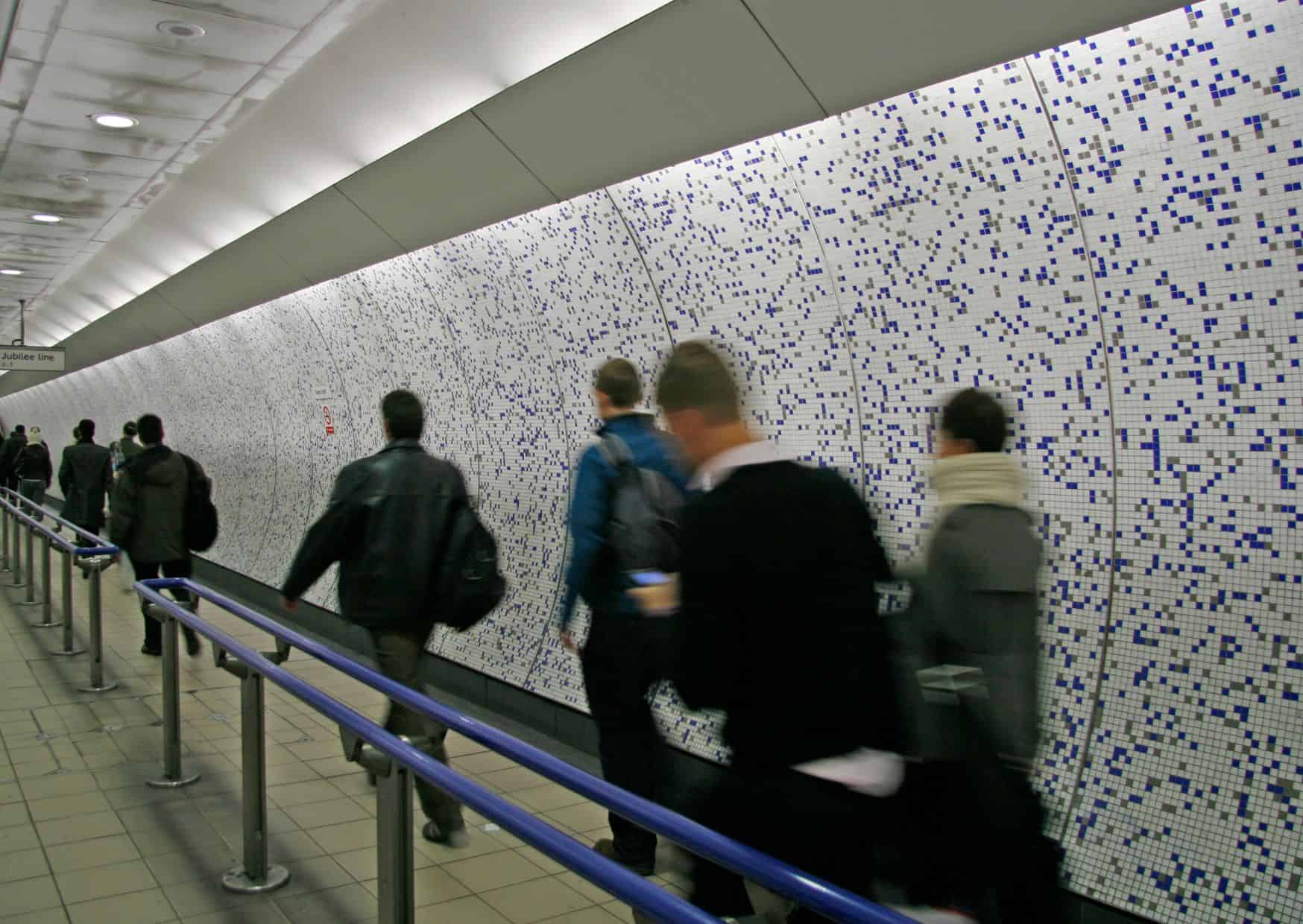
1. Don’t Stand on the Wrong Side of the Escalator
Why:
On escalators in the Tube (subway), the right side is for standing, and the left side is for walking. Blocking the left side will annoy commuters.
Tip:
Always stand on the right and let others pass on the left.
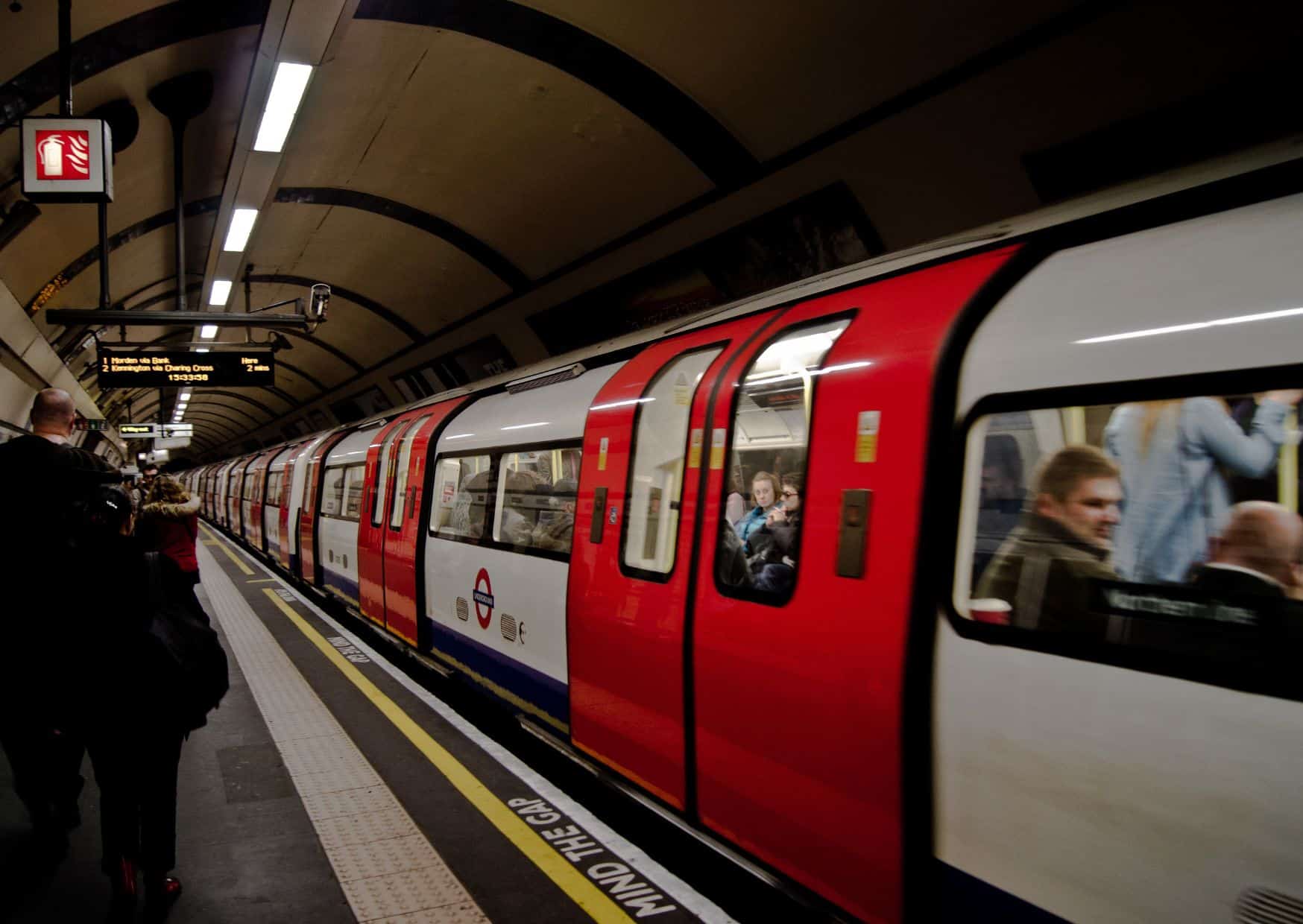
2. Don’t Forget to Tap Your Oyster or Contactless Card
Why:
Failing to tap in and out on public transport (Tube, buses, trains) can result in overcharges or fines.
Tip:
Use an Oyster card or a contactless debit/credit card for seamless travel, and always tap at the yellow card readers.
3. Don’t Expect to Skip the Queue
Why:
Brits are famous for their love of queuing, and cutting in line is considered extremely rude.
Tip:
Respect the queue culture and wait your turn, whether at bus stops, attractions, or shops.
4. Don’t Just Stick to Central London
Why:
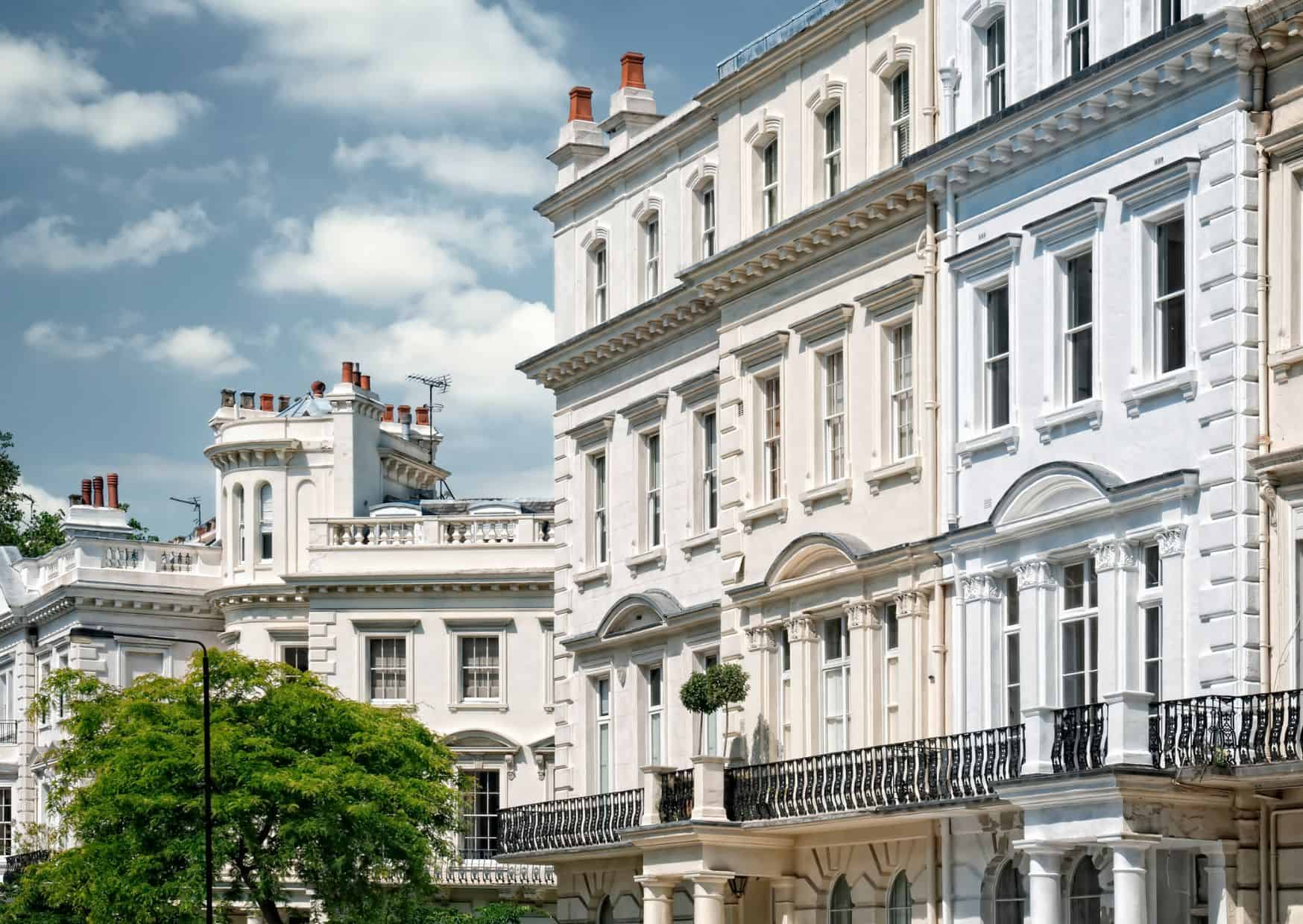
While landmarks like Big Ben, Buckingham Palace, and the Tower of London are iconic, the city’s charm extends to its neighborhoods.
Tip:
Explore areas like Camden, Shoreditch, Notting Hill, Greenwich, or Hampstead for a different perspective of London.
5. Don’t Rely Solely on Black Cabs
Why:
Black cabs are iconic but can be expensive, especially during peak hours or long distances.
Tip:
Use public transport or rideshare apps like Uber or Bolt for more affordable options.
6. Don’t Assume All Museums Charge Admission

Why:
Many of London’s world-class museums, like the British Museum and National Gallery, are free to enter, although donations are appreciated.
Tip:
Take advantage of these free cultural experiences but consider donating if you can.
7. Don’t Forget an Umbrella
Why:
London’s weather is famously unpredictable, with sudden showers common even on sunny days.
Tip:
Always carry a small, portable umbrella or a waterproof jacket.
8. Don’t Try to See Everything in One Day
Why:
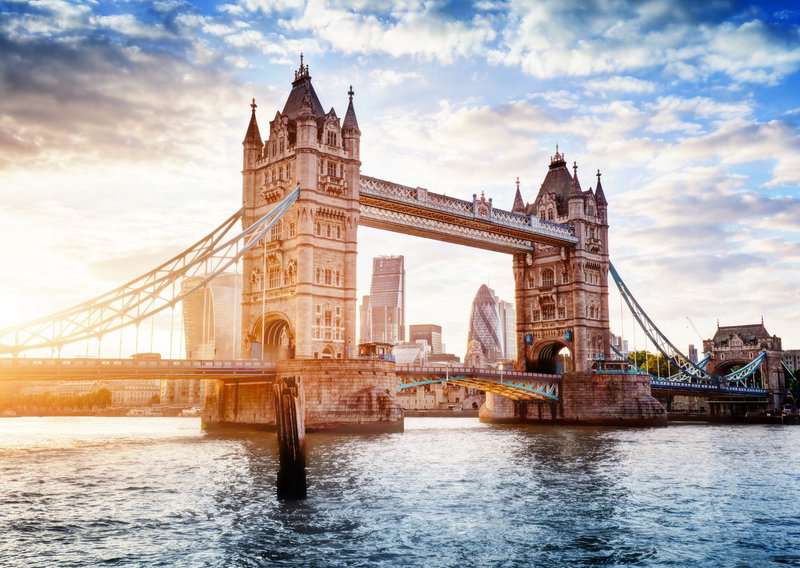
London is massive, and rushing through landmarks will leave you exhausted and missing out on the experience.
Tip:
Plan a realistic itinerary with time for breaks and prioritize key attractions.
9. Don’t Stop in the Middle of the Pavement
Why:
London’s streets are busy, and stopping suddenly can block foot traffic and frustrate locals.
Tip:
Move to the side if you need to check directions, take a photo, or pause.
10. Don’t Misuse the Word “Subway”
Why:
In London, a “subway” refers to an underground pedestrian tunnel, not the train system.
Tip:
Call it the “Tube” or “Underground” when referring to the city’s transport network.
11. Don’t Ignore Pub Etiquette

Why:
In most London pubs, you order and pay at the bar rather than waiting for table service.
Tip:
Take your drink back to your table and don’t forget to return empty glasses to the bar as a courtesy.
12. Don’t Expect Air Conditioning Everywhere
Why:
Many older buildings and parts of the Tube system lack air conditioning, even in the summer.
Tip:
Dress in layers and carry a water bottle during warm weather.
13. Don’t Buy Souvenirs at Tourist Hotspots
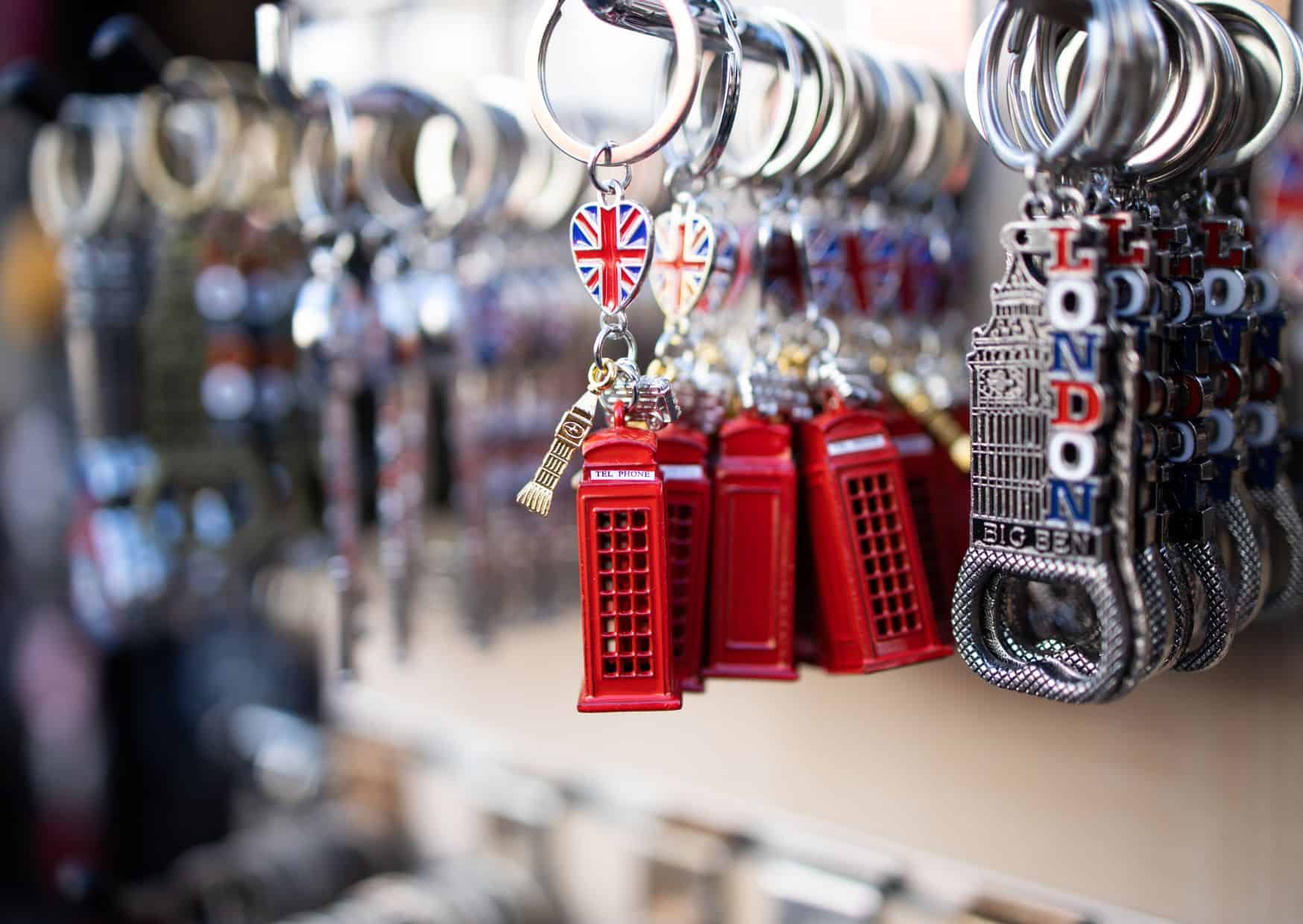
Why:
Souvenir shops near landmarks often sell overpriced, low-quality items.
Tip:
Visit markets like Camden, Covent Garden, or Portobello Road for unique, locally made souvenirs.
14. Don’t Confuse London with the UK

Why:
London is just one city in the UK and doesn’t represent the entire country’s culture or pace.
Tip:
If time allows, visit other parts of the UK, like Oxford, Edinburgh, or the Cotswolds, for a broader experience.
15. Don’t Forget to Check for Free Events
Why:
London offers countless free activities, from outdoor markets to concerts and festivals.
Tip:
Look for free walking tours, live music, or outdoor film screenings to make the most of your visit.
Bonus Tips
Be Aware of Tube Etiquette: Avoid talking loudly, eating smelly food, or making eye contact for too long.
Avoid Peak Travel Times: The Tube is extremely crowded during rush hours (7:30–9:30 AM and 5:00–7:00 PM).
Learn the Lingo: Asking for the “loo” instead of the restroom and knowing that “cheers” can mean thank you helps you fit in.
Why You Should Care
You should care about London etiquette because the city becomes significantly easier to navigate once you understand the unwritten rules. Public transport is the clearest example. Knowing to stand on the right side of the escalator, let passengers exit before boarding, move down inside the carriage, and have your payment method ready saves time for everyone. These are small habits, but they make a huge difference when millions of journeys take place across the Underground every day.
Understanding local customs can also improve your interactions with people. A simple “please,” “thank you,” “sorry,” or “cheers” goes a long way in Britain. Londoners may not always engage in extended conversation, but courtesy matters. Visitors who communicate politely and patiently are often treated more warmly than travelers who approach every interaction as a transaction and become frustrated when service does not match their expectations.
You should also care because avoiding obvious tourist mistakes can protect you from unnecessary expenses and frustration. London is expensive enough without wasting money on avoidable transportation errors, overpriced tourist traps, or restaurants chosen purely because they are next to famous landmarks. Learning how locals use contactless payments, understanding how neighborhoods connect, and knowing when walking is faster than taking the Tube can make a surprising difference to both your budget and your experience.
Respecting local customs also allows you to experience the city more authentically. London is not just Buckingham Palace and red buses. It is neighborhood pubs, Sunday markets, quiet residential streets, parks, immigrant food communities, historic churches, football culture, museums, theaters, and hundreds of different local routines happening at once. When you stop behaving like you need to rush from landmark to landmark, you begin noticing the city people actually live in.
Most importantly, caring about etiquette is a form of respect. Travel is more enjoyable when you recognize that you are entering someone else’s everyday environment rather than an attraction designed exclusively for visitors. You do not have to imitate Londoners or suppress your personality, but being aware of how your behavior affects the people around you makes you a better traveler. That principle applies in London just as much as it does anywhere else in the world.
Why You Should Not Care Too Much
At the same time, you should not become obsessed with following every London etiquette rule perfectly. The city receives millions of international visitors, and Londoners are accustomed to people making mistakes. Nobody expects a first-time visitor to instantly understand every detail of Underground etiquette, pub ordering, British humor, or local slang. If you accidentally stand on the wrong side of an escalator once, your trip is not ruined.
You should also avoid treating every Londoner as though they follow exactly the same social rules. London is one of the most diverse cities on the planet. People come from different cultures, generations, social backgrounds, and neighborhoods, and their behavior varies enormously. Advice about “what Londoners do” is useful as a general guide, but it should never be treated as a rigid formula that applies to every individual you meet.
There is also no reason to spend your vacation constantly worrying about whether you look like a tourist. You probably will look like one, and that is perfectly fine. You are visiting the city because you want to see famous places, take photographs, explore neighborhoods, and experience something different. Trying too hard to appear local can become just as awkward as ignoring local customs entirely.
You should not assume every negative interaction means you broke an unwritten rule either. London is a huge city full of people dealing with work, crowds, delays, weather, and everyday stress. A waiter who seems rushed may simply be busy. Someone on the Tube who does not smile at you probably does not dislike tourists. Not every brief or distant interaction is cultural criticism directed at you.
The best approach is to learn the major rules, apply common sense, and then relax. Stand on the right, respect queues, avoid blocking busy walkways, keep your voice reasonable on public transport, and treat people politely. Once those basics become natural, there is no need to analyze every conversation. London is much more enjoyable when you understand the culture without becoming afraid of making a mistake.
Final Thoughts
London rewards travelers who pay attention. The city can initially feel crowded, fast, expensive, and slightly intimidating, but much of that disappears once you understand how people move through it. The Underground becomes easier, queues make sense, pub behavior feels less confusing, and British politeness stops seeming mysterious. A few small adjustments can dramatically improve the experience.
The most important thing to remember is that London’s unwritten rules are usually about efficiency and consideration rather than strict formality. People want to get where they are going without unnecessary obstacles. Standing aside when checking directions, moving out of doorways, letting people exit trains first, and keeping busy walkways clear are simple gestures that make life easier for everyone around you.
It is also worth giving yourself permission to explore beyond the obvious version of London. The famous landmarks deserve to be seen, especially on a first visit, but the city becomes much more interesting once you wander through neighborhoods, eat somewhere without a famous name attached to it, visit a local market, sit in a pub, or spend an afternoon in one of the parks. London’s personality often appears in the spaces between the attractions.
Do not worry about becoming an expert on British culture before your trip. Curiosity and basic respect matter much more. If you misunderstand something, observe what people around you are doing and adjust. Most cultural mistakes can be corrected in seconds, and many become the stories you remember afterward. Travel would be far less interesting if every city behaved exactly like home.
Ultimately, the biggest mistake you can make in London is expecting London to adapt completely to you. Arrive willing to learn its rhythms instead. Respect the queue, master the escalator rule, slow down enough to notice the neighborhoods, and do not interpret British reserve as hostility. Once you stop fighting the city’s habits and start understanding them, London becomes far easier to enjoy.

About the Author: Ruben, co-founder of Gamintraveler.com since 2014, is a seasoned traveler from Spain who has explored over 100 countries since 2009. Known for his extensive travel adventures across South America, Europe, the US, Australia, New Zealand, Asia, and Africa, Ruben combines his passion for adventurous yet sustainable living with his love for cycling, highlighted by his remarkable 5-month bicycle journey from Spain to Norway. He currently resides in Spain, where he continues sharing his travel experiences with his partner, Rachel, and their son, Han.