Spanish bars work differently from what many Americans expect, and that difference can be obvious within the first few minutes. In the United States, bars often revolve around table service, individual tabs, tipping, and a clear separation between drinking and eating. In Spain, a bar can be a café in the morning, a lunch stop at midday, a place for tapas in the afternoon, and a social hub late into the evening. The same space may serve completely different purposes depending on the time of day.
That flexibility is part of what makes Spanish bar culture so appealing, but it can also confuse visitors. Americans may walk in expecting to be seated, wait for someone to bring a menu, ask for individual checks, or treat the bar like a full-service restaurant. Locals may simply stand at the counter, order quickly, share food, pay at the end, and move on without thinking much about it. Neither system is inherently better, but the rhythm is very different.
Spanish bars are also deeply social. People often go not because they need a formal meal but because they want to meet friends, have a drink, share something small, and stay connected to the neighborhood. The atmosphere can be loud, informal, and fast-moving, especially at busy times. What may look chaotic to a first-time visitor often has its own logic once you understand how people use the space.
Another important difference is that service can feel less scripted. Staff may not check on you constantly, refill water automatically, or ask repeatedly whether everything is okay. To an American accustomed to attentive table service, that can feel dismissive. In reality, the expectation may simply be that you signal when you need something instead of being interrupted throughout the meal or drink.
Understanding these small rules can completely change the experience. Instead of feeling ignored or confused, you begin to see Spanish bars as places with their own rhythm and etiquette. Once you stop expecting them to behave like American bars, they become much easier to enjoy.
Curious for More Cross-Cultural Reads?
Quick Easy Tips
Order at the bar, not from your table In many Spanish bars, table service is minimal or non-existent.
Don’t tip excessively Leaving small change is standard; over-tipping can feel awkward to locals.
Don’t rush your drink Savor your beverage and the social atmosphere rather than chugging and leaving.
One controversial truth is that American ideas about “good service” do not always translate well in Spain. Many Americans expect frequent check-ins, quick drink refills, and immediate attention. Spanish bar service can be more hands-off, especially when the staff assumes you are there to relax. What Americans sometimes interpret as poor service may simply be a different definition of hospitality.
Another uncomfortable point is that visitors often take up more space than locals do. A group of tourists may spread bags across chairs, occupy a table for a long time after finishing, or expect a large amount of personal space in a crowded bar. Spanish bars are often built around efficiency and shared space, so those habits can feel disruptive even if no one says anything directly.
There is also a difference in how people think about time. Americans may want to order, eat, pay, and leave in a fairly structured sequence. In Spain, that process can feel more fluid. People may order another round, add food later, stand at the bar instead of sitting, or stay much longer than expected. The social experience matters as much as the transaction.
Another controversial point is that tourists often over-tip because they assume American tipping culture applies everywhere. Generosity is not a bad thing, but automatically leaving large percentages can distort expectations and create confusion about local norms. Tipping in Spain is generally much more modest and situational than in the United States.
The bigger lesson is that Spanish bar culture makes more sense when you stop trying to force it into an American service model. It is not necessarily slower, ruder, or less organized. It is simply built around different expectations about space, time, attention, and social interaction.
1. Ordering a “Large Beer” Instead of a “Caña”
What Americans Do
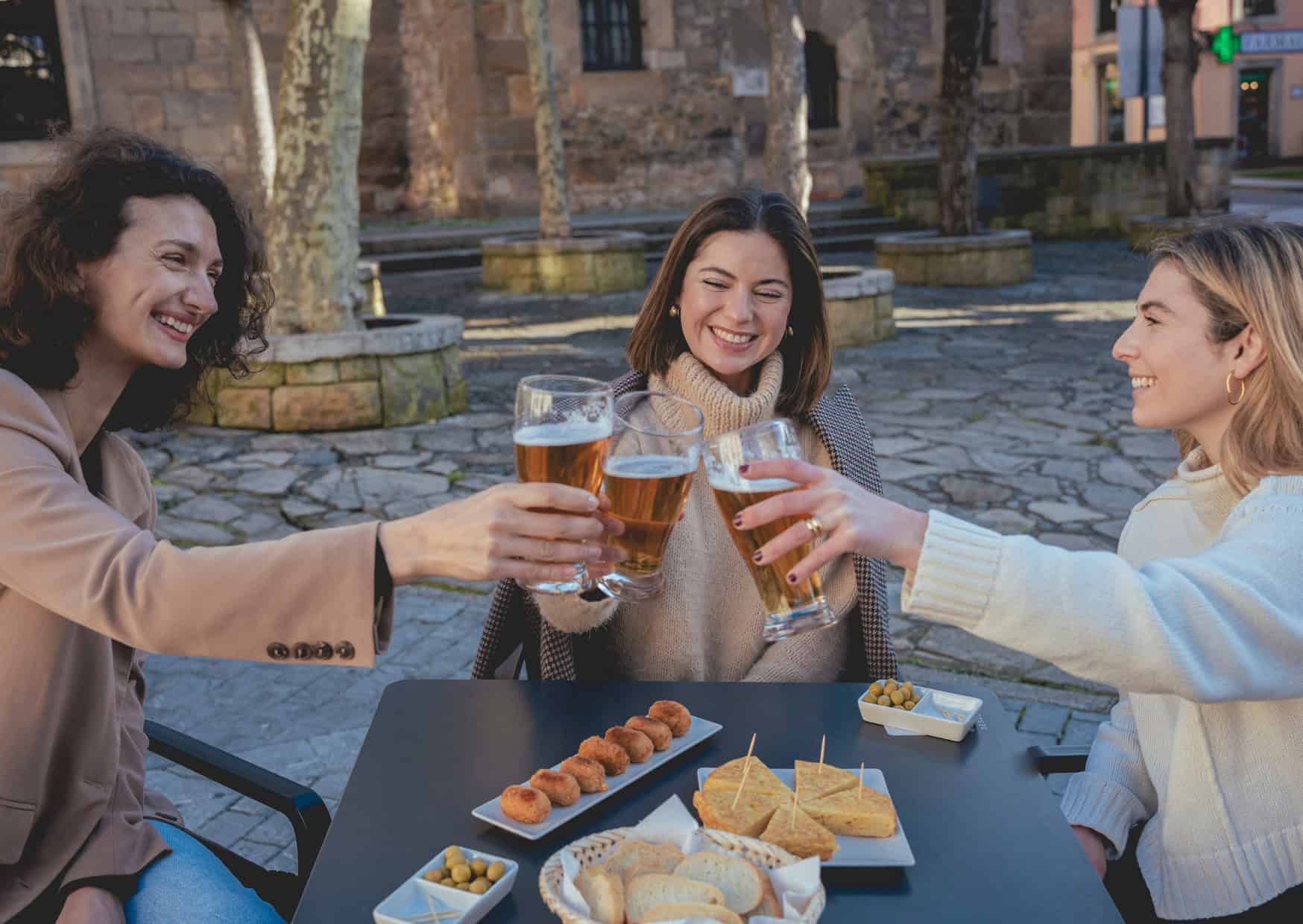
Used to pint-sized or large mugs back home, Americans might stroll in and ask for a “grande beer” or “big one.” The bartender might respond with confusion or serve a large bottle not always standard for local tastes.
What Locals Actually Do
In Spain, you often order a “caña” a small draft beer, roughly 200 ml, or a bit bigger. The idea: you drink it cold and fresh. Warm, large beers are frowned upon. Locals prefer multiple small servings over one huge glass.
How to Adapt
- Ask for a “caña” if you want a typical small beer. If you want something slightly bigger, you might say “doble” or “jarra” (in some regions) but clarify the size.
- Realize it’s normal to order multiple rounds as each remains crisp and cold, not a big pint that warms up over time.
- If you truly want a big beer, accept that it’s less standard some bars in tourist areas do have bigger sizes, but you’ll signal “foreigner mode.”
Bottom Line
Yes, you might love your large beer portion. But in Spanish bars, short and cold is the name of the game ‘caña’ is your new best friend.
2. Expecting a Table for Tapas Standing Is the Norm
What Americans Do
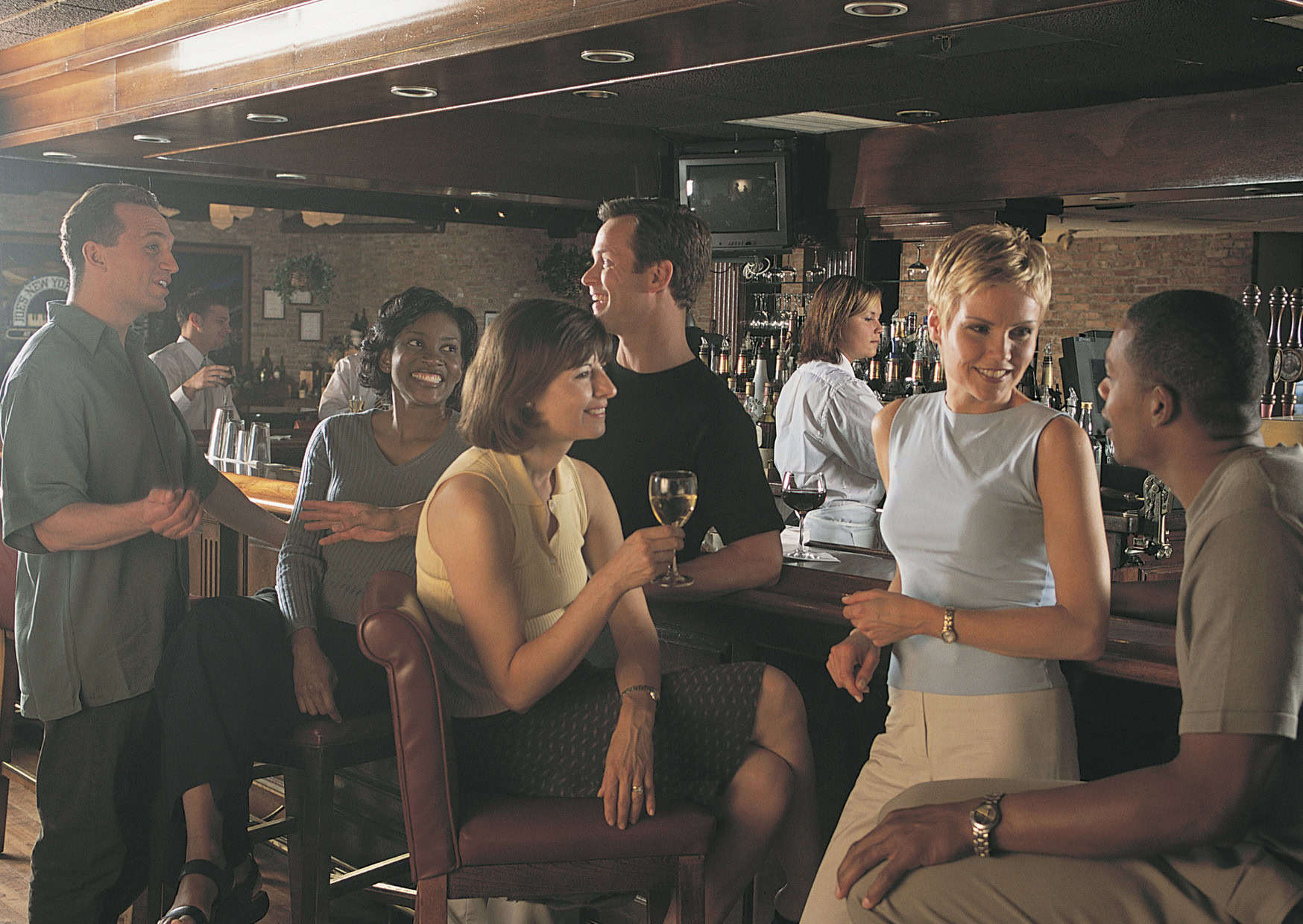
In the U.S., you find a table or booth, plop down. Americans might assume a seat is essential for eating or socializing. Then they hit a packed tapas bar in Spain everyone standing, elbow-to-elbow at the bar or small counters. They wonder, “Why no tables?”
What Locals Actually Do
Standing fosters a dynamic, communal vibe. People hop from bar to bar, munch a tapa, sip a drink, then move on. Sitting down for a long session is more a restaurant approach. Spanish bar culture is fluid, social less about commandeering a table for hours.
How to Adapt
- Embrace the stand: find a spot at the bar or a high table, order your drink and tapa, chat with neighbors.
- If you see an empty seat, you can grab it, but be ready to share surfaces with other folks.
- If you want a full sit-down meal, pick a sit-down restaurant, not a typical tapas bar.
Bottom Line
Yes, it’s physically different from the American preference to plant yourself. But Spanish bar-hopping thrives on that lively stand-up synergy. Give it a try less formality, more fun.
3. Shouting “Waiter!” Instead of a Quick Eye Contact
What Americans Do
In some American bars, you might wave the bartender or server down with a big “Excuse me!” or snap fingers (hopefully not often, but it happens). In Spain, big gestures can be jarring. Locals rarely holler across the bar unless it’s super loud.
What Locals Actually Do
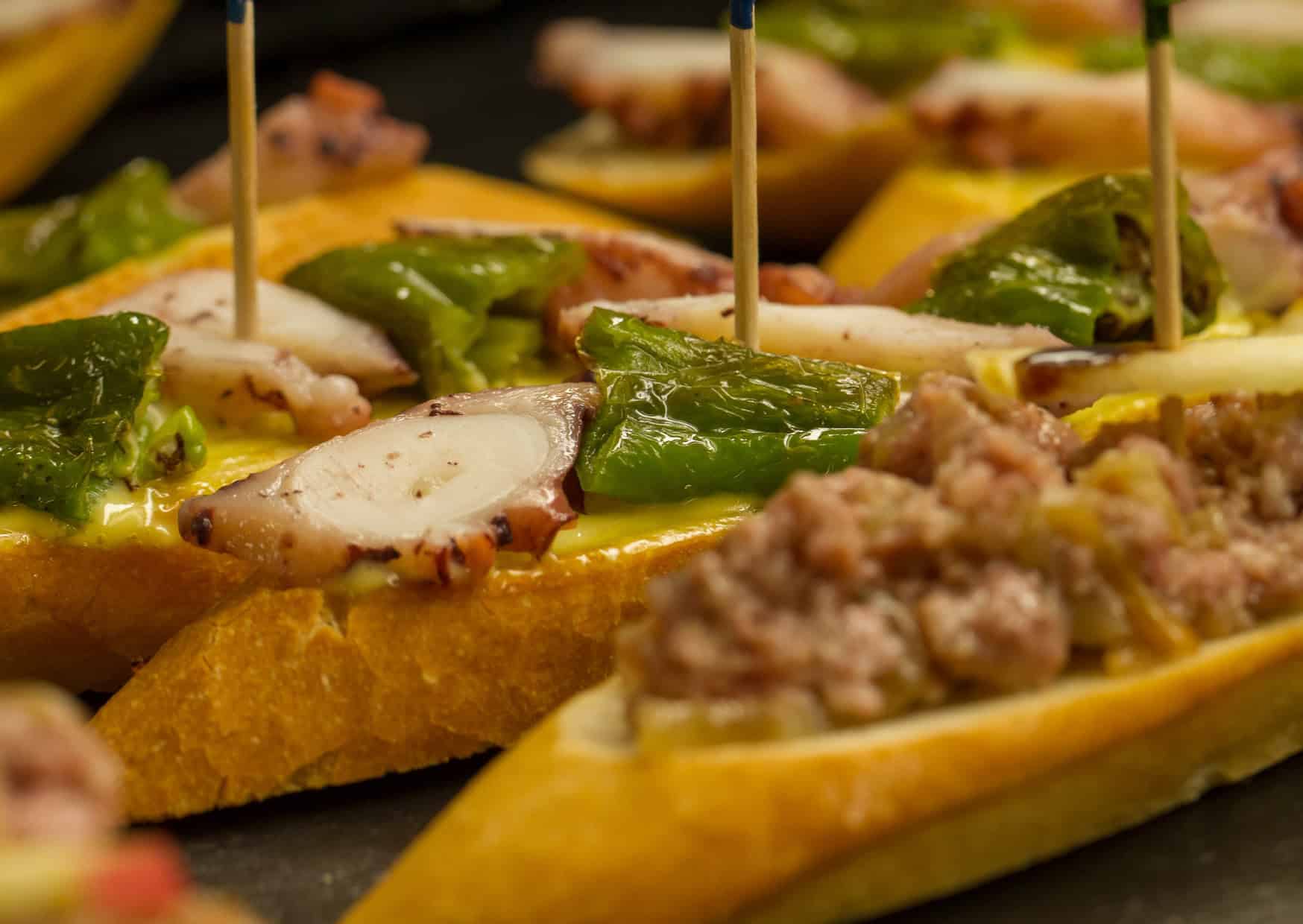
Spanish bartenders keep an eye out. A subtle nod or raised eyebrow can suffice. People politely wait for the bartender’s glance. Shouting “¡Camarero!” at the top of your lungs might seem rude or too forceful some do it in very busy places, but it depends on the vibe.
How to Adapt
- If it’s noisy, a gentle “Perdona” or “Oye, por favor” is acceptable, not a bellow.
- Make eye contact. Bartenders will come to you once they see you’re ready.
- In quieter bars, keep your voice moderate they prefer minimal yelling in normal spots.
Bottom Line
Yes, you might see some local guys call “¡Camarero!” in a jam-packed bar, but typically it’s more about polite timing. Try eye contact first it’s less intrusive.
4. Trying to Tip Big at the Counter
What Americans Do
Used to 20% tips, some Americans might tip big for each round or leave a huge sum after a few beers. In Spain, big tips at bars can confuse staff or even make them think you misunderstood local currency.
What Locals Actually Do
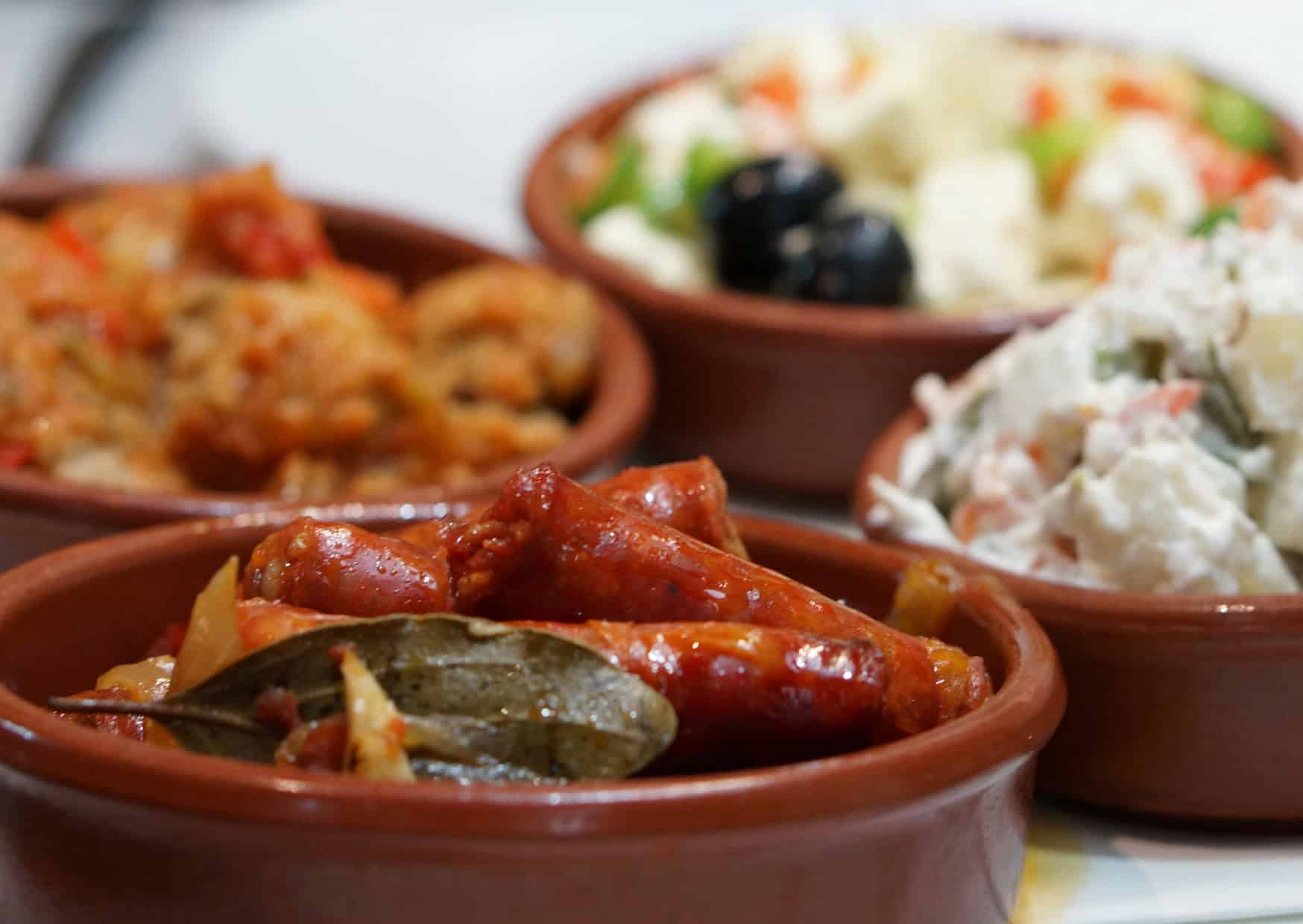
At Spanish bars, it’s common to round up maybe if your bill is €4.80, you give a €5 note and say “Está bien” (keep the change). That’s enough. Large tips are unnecessary. People might leave a small coin if they feel the service was excellent.
How to Adapt
- If your drink is €2.80, handing over €3 is fine. Any more can look excessive or be politely refused.
- For multiple drinks or tapas, a small tip might be appreciated, but not mandatory.
- Don’t feel guilty about tiny tips that’s normal here.
Bottom Line
Yes, Americans see big tips as courtesy. In Spain, minimal rounding up is typical free your tipping anxieties, and just do as the locals do.
5. Dwelling on One Drink for Hours vs. The Bar-Hopping Culture
What Americans Do
In many U.S. bars, you pick a spot for the entire evening, ordering multiple rounds or chatting with friends in one place. Americans might do the same in Spain, camping at a single bar. Meanwhile, locals might hop between 3–4 bars in one night, tasting different tapas or specialties.
What Locals Actually Do
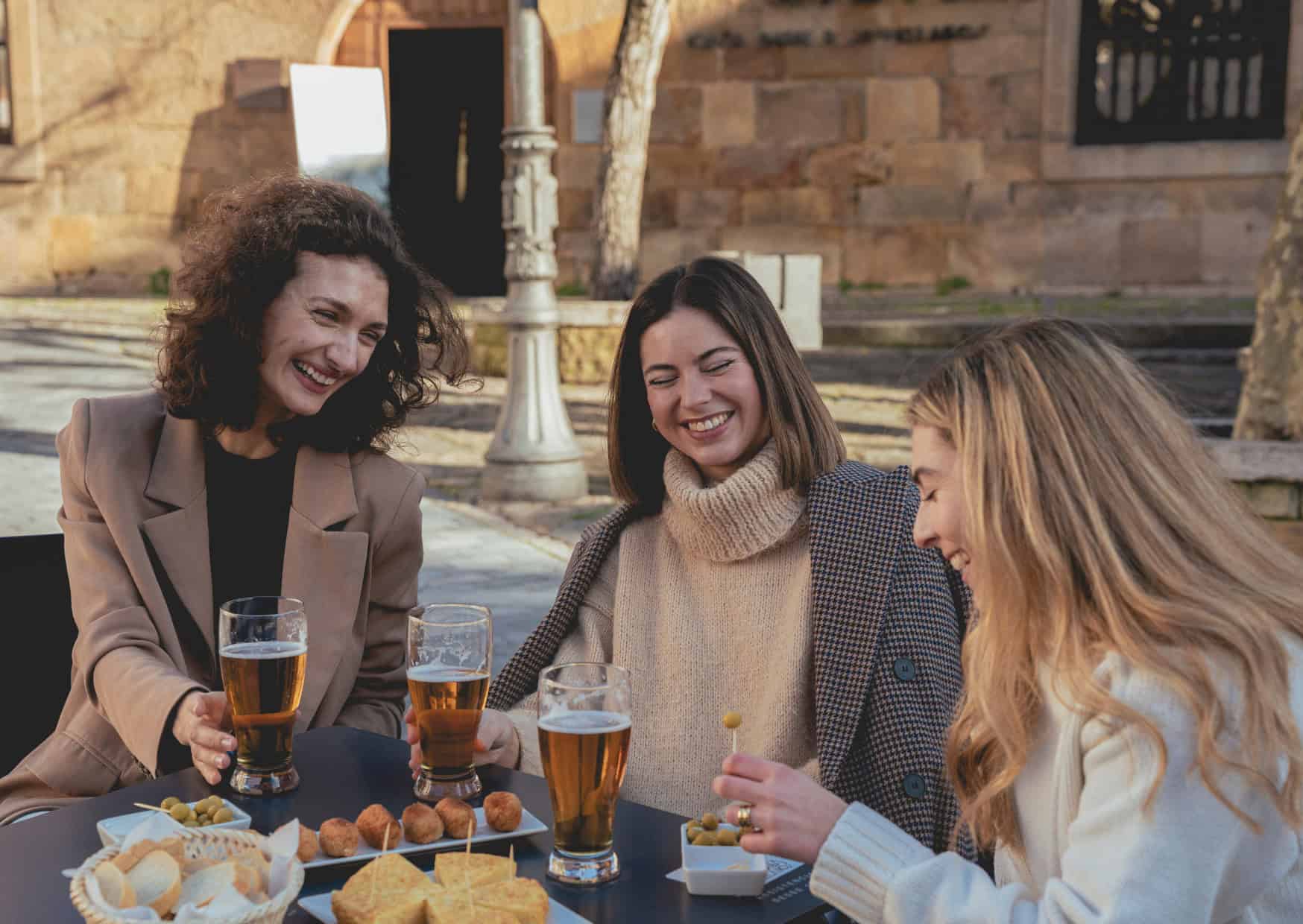
Bar-hopping (aka tapear or “ir de tapas”) is integral to Spanish social life. You pop into a bar, order a small beer or wine, get a tapa or pincho, then move on to the next. It’s about sampling variety, not planting yourself for five hours in one bar.
How to Adapt
- If you see your local friends finishing one drink and heading out, join them. They’re not bored they want to try the next place’s specialty.
- Keep your tab short at each bar. This rolling approach ensures you taste multiple environments.
- If you prefer a single bar, you can do it, but you might miss the broader experience.
Bottom Line
Yes, Americans might want comfort in a single seat. But Spanish bar culture thrives on mobility taste each bar’s vibe, chat with different bartenders, expand your night across the city.
6. Asking for Big Mixed Cocktails Where Beer or Wine Prevails
What Americans Do
Some U.S. visitors might stroll into a typical Spanish bar requesting fancy cocktails: “Could I have a Long Island Iced Tea?” or a complicated craft mix. The bartender might stare or say they only serve basic mixed drinks rum-cola, gin-tonic, plus beers and wines.
What Locals Actually Do
- Many standard Spanish bars focus on simple combos: a gin-tonic, whisky-cola, or beer. Specialized cocktail bars exist, but not every corner bar is a cocktail lounge.
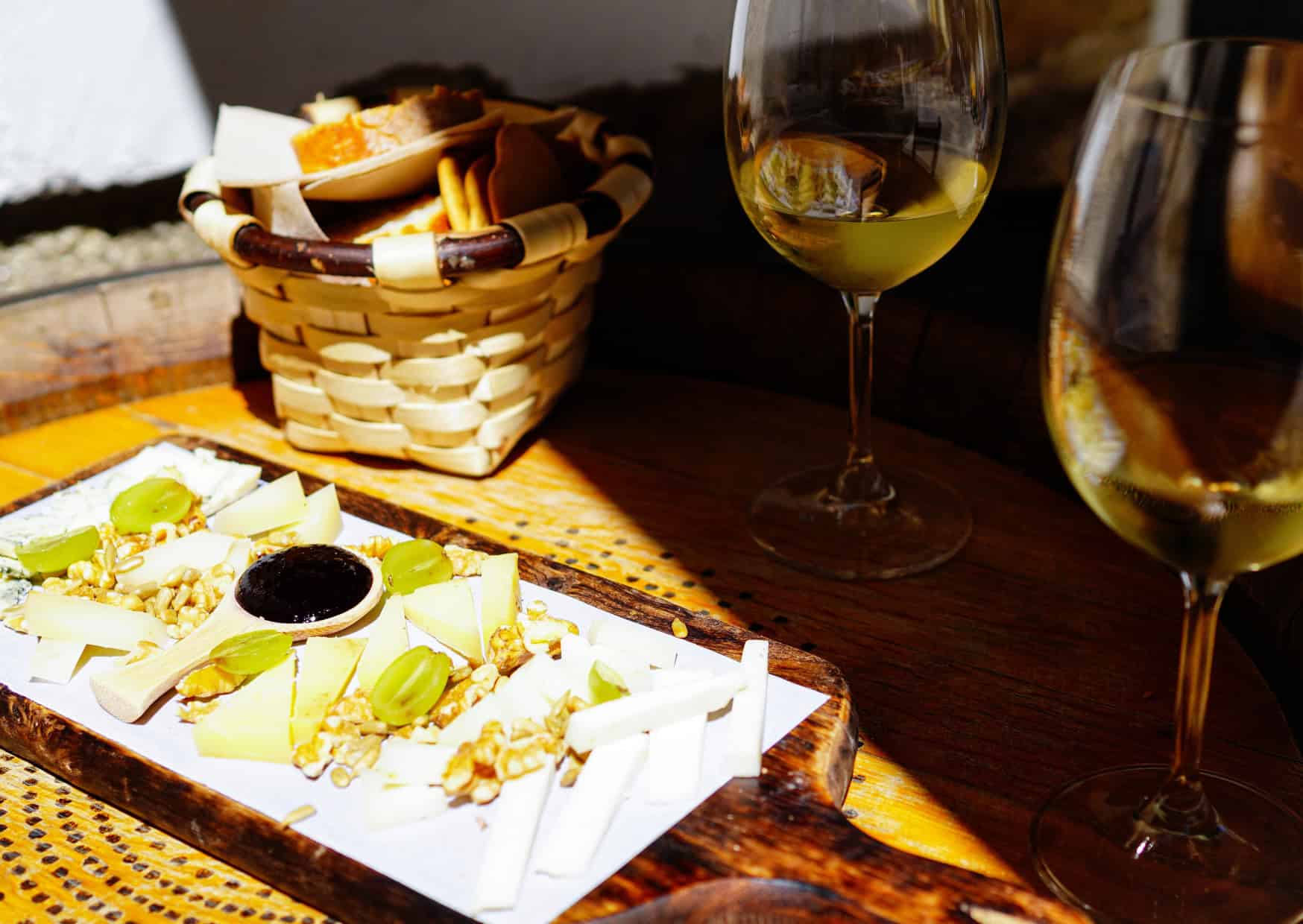
- People often enjoy vino or small beers (cañas) with tapas, not elaborate cocktails overshadowing the food.
How to Adapt
- If you want complex cocktails, seek out a known coctelería or a trendy lounge.
- At a normal bar, stick to beer, wine, or classic simple mixes (like a cuba libre).
- Don’t be upset if the bartender has no clue how to make a big fancy recipe or lacks the ingredients.
Bottom Line
Yes, Americans might expect universal craft cocktails. But in many Spanish bars, the typical order is a small beer, a glass of red/white wine, or a straightforward mixed drink. Save your elaborate cocktail cravings for specialized spots.
7. Settling the Bill No Splitting Each Round
What Americans Do
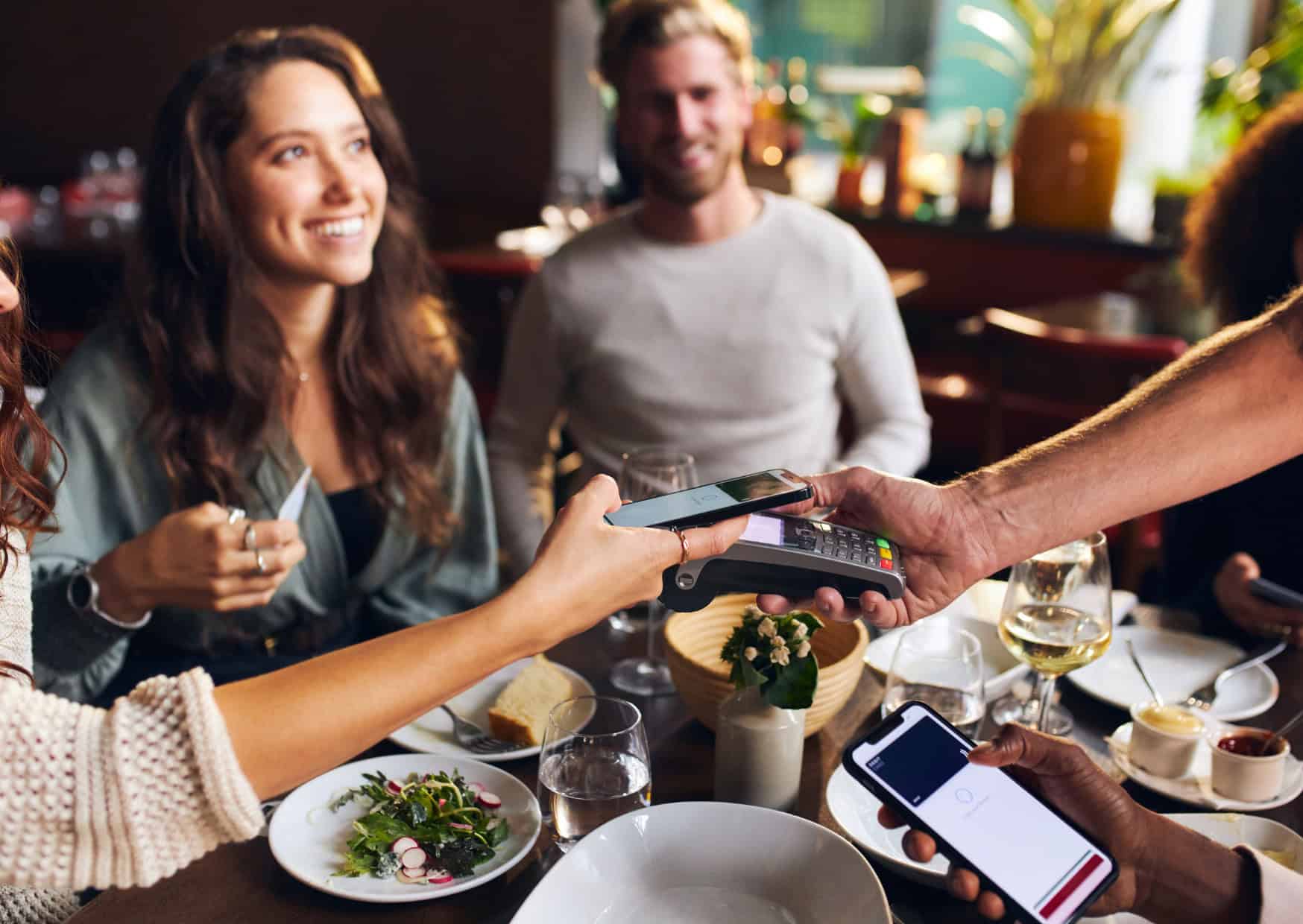
In the U.S., groups might buy drinks individually or keep separate tabs. Or each round can be rung up anew. In Spain, friends often do a group approach: one person pays this bar, someone else picks up the next bar. Detailed item-by-item splitting is less frequent.
What Locals Actually Do
- “Una ronda invita uno, la siguiente invita otro”: for each round, a different friend pays. Or at the end, they do a quick approximate split.
- They prefer an easy social vibe, no big math about who drank exactly what.
- If you want strict fairness, do it discreetly most Spaniards are casual about rounding each other out.
How to Adapt
- If you’re bar-hopping with locals, be ready to pay a round. They see it as normal reciprocity.
- If you can’t handle that, mention you’d prefer separate checks from the start, but it might cause confusion or slow the flow.
- Don’t freak out if you pay a bit more than your actual drinks. Next time, your friend might cover you.
Bottom Line
Yes, Americans can find it chaotic not tracking each cost item. But the Spanish approach fosters trust and easy-going friendship circles. Jump in with the “I’ll get this round” vibe.
Why You Should Care and Follow
You should care because understanding the rules makes Spanish bars much easier to navigate. Knowing whether to order at the bar, when to ask for the bill, how to get a server’s attention, and whether a small snack is included can remove a lot of uncertainty. That confidence makes the experience feel more natural.
You should also care because following local etiquette can improve how staff respond to you. Starting politely, being patient, and understanding the pace of service can create a much smoother interaction. You do not need perfect Spanish, but showing that you understand how the space works can make you easier to serve.
There is also a practical advantage. Once you stop expecting American-style service, you waste less time waiting for things that may never happen automatically. You learn to ask when you need something, signal for the bill, and move with the rhythm of the bar instead of sitting there wondering why nobody has checked on you.
Following these norms can also make the experience more authentic. Spanish bars are not just places to buy food and drinks. They are part of everyday social life. When you use them the way locals do, you begin to understand how much of Spanish culture happens around shared tables, quick drinks, tapas, and casual conversation.
Most importantly, caring about the rules helps you avoid unnecessary frustration. Travel becomes much more enjoyable when you stop treating differences as mistakes. A Spanish bar does not need to operate like an American one to be enjoyable; you simply need to understand what it is trying to be.
Why You Should Not Care and Follow Too Much
At the same time, you should not become so worried about etiquette that going to a bar feels stressful. Spanish staff are used to tourists, especially in major cities and tourist areas, and small mistakes are not a disaster. You do not need to perform like a local to be treated respectfully.
You should also remember that bar culture varies widely across Spain. A neighborhood bar in Seville may feel very different from a modern cocktail bar in Madrid or a tourist-heavy place in Barcelona. General rules are useful, but they are not universal.
It is also important not to assume that every server expects the same thing. Some places have table service, others do not. Some include tapas, others charge for everything. Some expect payment at the bar, while others bring the bill. Observing what other customers are doing is often more useful than following a rigid checklist.
You should not feel pressured to copy habits that do not suit you either. If you prefer sitting at a table, asking for a menu, or paying separately, that is often possible. Cultural adaptation is useful, but you do not have to abandon every preference to enjoy the experience.
Ultimately, the goal is to understand the broad rhythm and then relax. Be polite, pay attention, ask when you are unsure, and do not overthink every interaction. Most of the time, that is enough.
Conclusion: Sip & Socialize Spanish Bar Culture Decoded
Spanish bars are one of the easiest places to see how everyday culture works in practice. They combine food, drink, conversation, routine, and neighborhood life in a way that can feel very different from what many Americans are used to.
The biggest adjustment is usually letting go of expectations about service. You may not be checked on constantly, you may need to signal when you want something, and the pace may feel less structured. Once you understand that, the experience usually becomes much more enjoyable.
It is also worth remembering that Spanish bars are not designed purely around efficiency. They are social spaces. People linger, talk, order gradually, and use them as extensions of daily life. That rhythm is part of the appeal.
You do not need to memorize every unwritten rule. The most useful habits are simple: greet people, be patient, observe how locals order, do not expect American tipping norms, and ask when you need something. Those small adjustments go a long way.
Ultimately, the best way to enjoy a Spanish bar is to stop comparing it with home. Let the pace be different, let the service style be different, and let the experience unfold on its own terms. Once you do that, the rules stop feeling confusing and start feeling like part of the culture.

About the Author: Ruben, co-founder of Gamintraveler.com since 2014, is a seasoned traveler from Spain who has explored over 100 countries since 2009. Known for his extensive travel adventures across South America, Europe, the US, Australia, New Zealand, Asia, and Africa, Ruben combines his passion for adventurous yet sustainable living with his love for cycling, highlighted by his remarkable 5-month bicycle journey from Spain to Norway. He currently resides in Spain, where he continues sharing his travel experiences with his partner, Rachel, and their son, Han.
Leonard Bloom
Friday 14th of February 2025
Ruben- a terrific article on the topic of beer, etc. I lived in Euskadi for a year and grew to like the word "gargaragoa" or "garagar" instead of "cerveza" for beer. Ultimately, I began to like wine more than beer since I was living with a Basque family in Zarauz in the Rioja region of northern Spain.