
Premium economy is the cabin that sits between regular economy and business class, and the pitch is seductive, especially on a long overnight flight to Europe: for maybe double the economy fare, you get a bigger seat, more room, better service, and a far more humane way to cross the Atlantic. Sometimes that pitch is entirely true and the money is well spent. And sometimes it is a trap, where the airline has slapped the premium economy label on what is really just economy with a few extra inches of legroom, and charged you double for it. The difference between the two is enormous, and the maddening part is that both are sold under the same name.
After enough transatlantic flights and enough studying of what the different airlines actually offer, my honest view is that premium economy to Europe is genuinely, reliably worth paying double for on exactly three airlines, and distinctly questionable on most of the rest.
But rather than just ask you to trust my three, I want to give you the tool I use to judge any premium economy fare, the seat map test, so you can tell a real premium cabin from a dressed-up economy one before you pay. Here is what premium economy really is, the test that cuts through the marketing, the three airlines where it passes most convincingly, and why it falls short elsewhere. This is my analysis and opinion, so weigh it against your own research and the specific flight in front of you.
What Premium Economy Is Supposed to Be
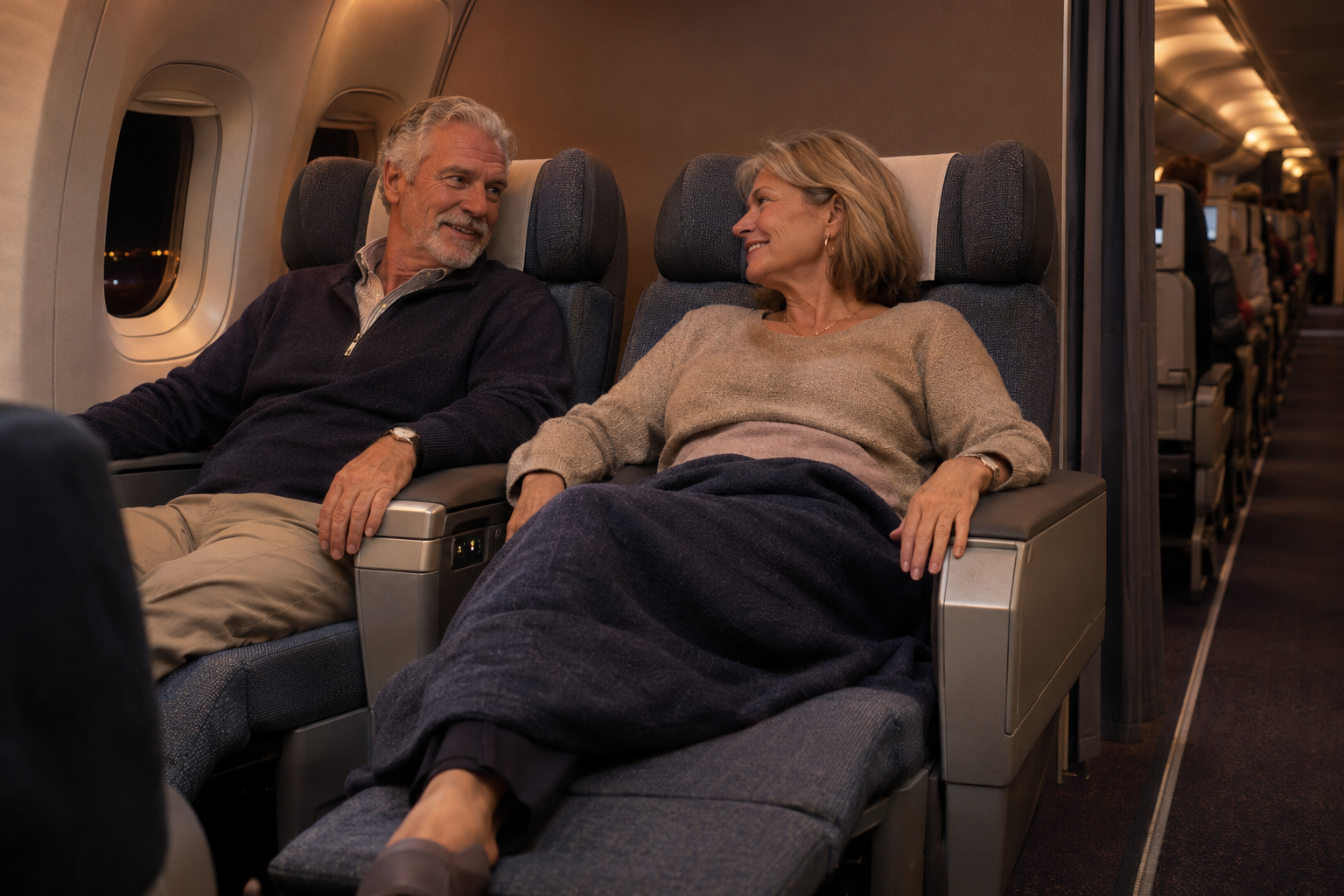
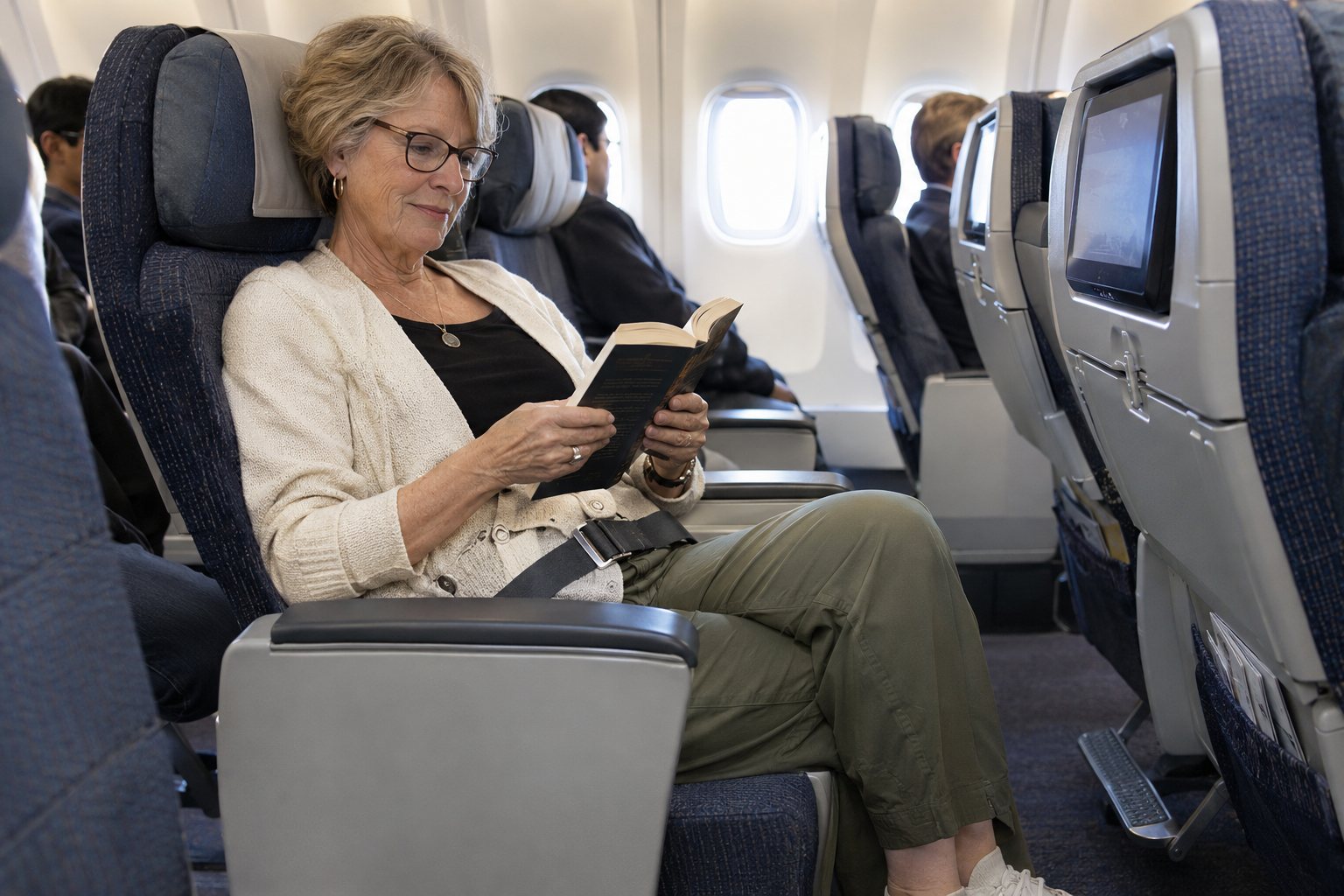
To judge premium economy you have to know what a real one looks like, because the whole category is defined by a specific promise that not every airline keeps. A true, proper premium economy is a separate cabin with its own distinct seat, not merely a better row of economy. The seat itself is physically wider, often around nineteen to twenty-one inches across against roughly seventeen or eighteen in economy, it reclines more deeply, frequently with a leg rest and a foot rest, and the cabin is laid out in fewer seats per row, so the whole space feels less dense and more private.
Alongside the bigger seat come the softer benefits, which vary but typically include better food, a dedicated or improved meal service, a proper amenity kit, extra baggage allowance, and sometimes priority boarding and a glass of something on arrival. On the best airlines the service in premium economy is noticeably more attentive than in economy, closer in spirit to business class than to the back of the plane. Taken together, a genuine premium economy is a meaningfully different and better experience, and on an overnight transatlantic flight that difference, the wider seat and the deeper recline above all, can be the gap between arriving wrecked and arriving human.
That is the version worth paying for. The problem is that the term premium economy is not tightly policed, and some airlines use it loosely for something much closer to economy, which is exactly where travelers get fleeced. When the seat is the same width as economy and merely has more legroom, when it is not a separate cabin but a better zone of the economy one, when the only real upgrade is pitch, then you are paying a premium price for an economy seat with extra legroom, which is not the same thing at all. Telling these apart before you buy is the whole game.
The Seat Map Test
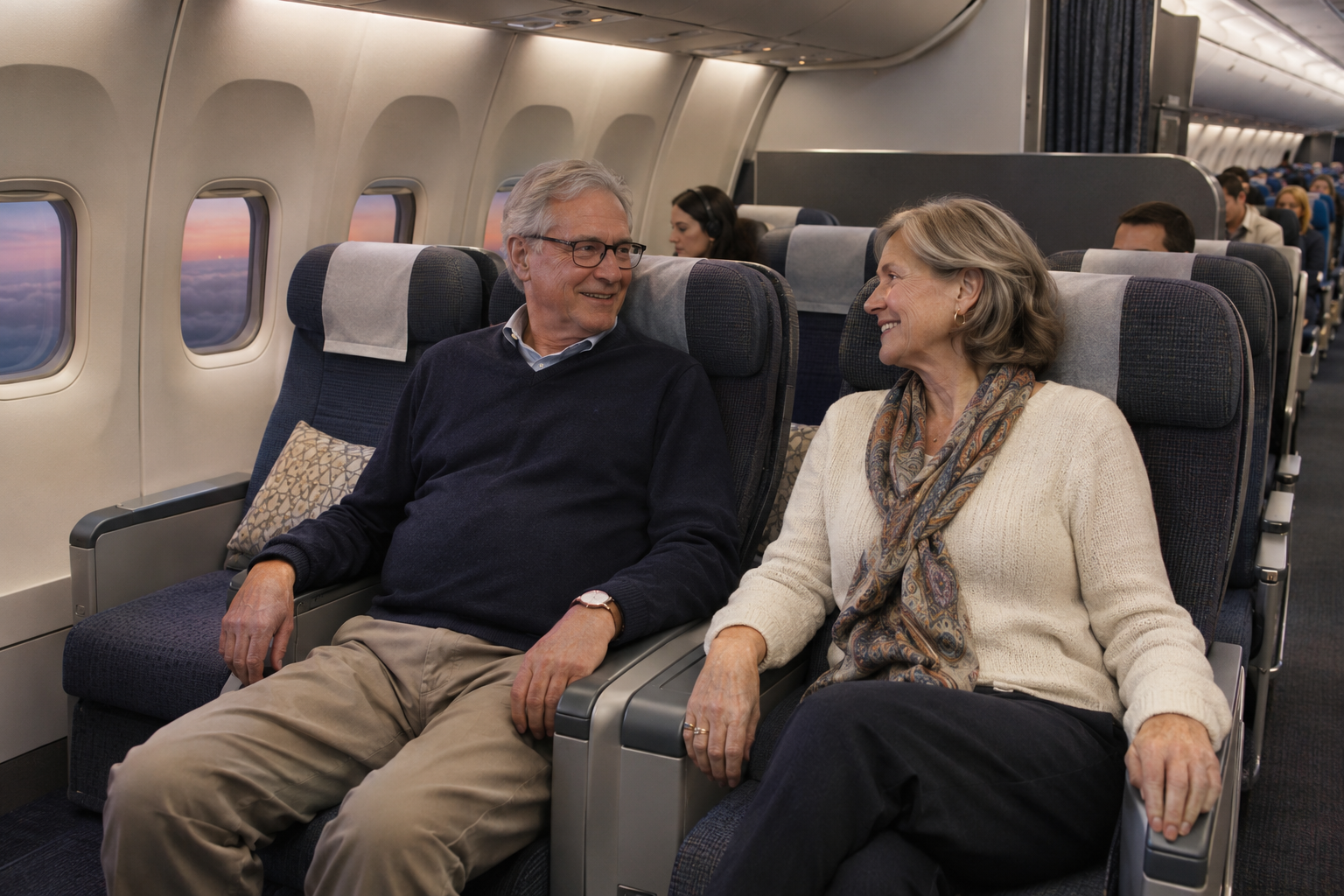
The single most useful thing I can give you is the test I apply before paying for any premium economy seat, and it is simple: go to the seat map and the seat specifications for your exact flight, and check whether the premium economy is a genuinely separate cabin with a distinctly wider seat, or just economy with more legroom. The marketing will always sound good; the seat map tells the truth.
Here is what to look for. First, is it a separate cabin, shown on the seat map as its own section with its own rows, rather than just the front few rows of economy? Second, and most important, is the seat physically wider than the economy seat, which you can check from the seat width specifications that sites and the airline publish, looking for something in the nineteen-to-twenty-one-inch range rather than the economy figure? Third, is the layout less dense, fewer seats across in each row than the economy cabin on the same plane, which shows up clearly on the map?
If the answer to those is yes, you are looking at a real premium economy worth the money. If the premium rows are the same width and the same seats-per-row as economy with just more space in front, the test fails, and you are being asked to pay double for extra legroom.
The reason this test matters so much is that the answer depends on the specific aircraft, not just the airline, which is the subtlety that trips people up. The same airline on the same route may fly a modern plane with a true premium economy cabin one day and an older plane with only extra-legroom economy the next, so the brand name alone cannot tell you what you will get. You have to check the seat map for your actual flight, on your actual date, which the booking process will show you, and judge that specific seat rather than the airline’s general reputation. Do that, and you will never again pay double for a seat that was economy in disguise.
The Three Where It Passes

With that test in hand, here are the three airlines where, in my experience and reading, premium economy to Europe passes most convincingly and most consistently, the ones where paying roughly double genuinely buys you a real, distinct, better cabin. I will say plainly that this is a judgment call and that good premium economy exists elsewhere too, but these three are the ones I would book with the most confidence.
The first is Virgin Atlantic, whose premium economy is frequently rated at or near the top of the transatlantic field, built around one of the widest seats in the category, generously reclining, in a distinct, well-run cabin with service that leans toward the warm and attentive. For the crossing between the United States and the United Kingdom especially, it is a standout, and its seat passes the width test comfortably. The second is Air France, which offers a genuinely separate premium economy cabin with a wider, fixed-shell seat, a step up in food and service with the French touch, and a consistent, distinct product on its transatlantic flights to Paris. The third is Lufthansa, whose premium economy is a real, substantial cabin, and whose newest seats, as its modern cabins roll out across the fleet, are among the better hard-shell designs, offering a clearly upgraded experience on its routes to its German hubs.
What these three share is that their premium economy reliably clears the seat map test, a separate cabin, a genuinely wider and more reclined seat, a less dense layout, and a real step up in service, so that the roughly doubled fare buys a correspondingly better crossing. That said, even with these three, apply the test to your specific flight, because fleet and aircraft still vary, and the newest and best seats are not on every plane. The brands are a strong starting bet, but the seat map is the final word, even here.
What You Are Really Paying For
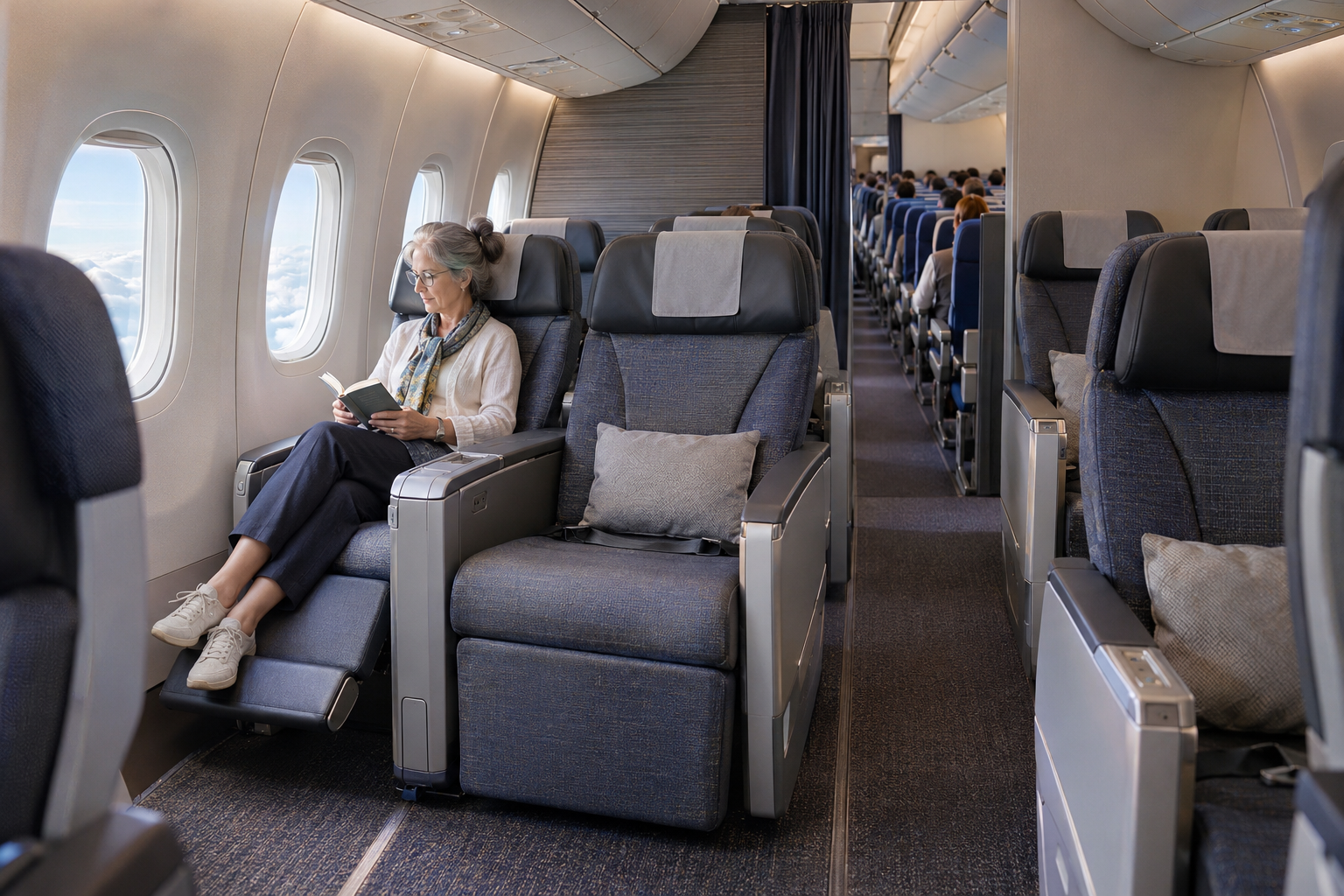
It helps to be clear about what the money actually buys, because premium economy is not really about luxury, it is about arrival. The value proposition on a transatlantic overnight flight is that you reach Europe in a usable state rather than wrecked, able to stay awake to the local bedtime, shake off the jet lag faster, and not lose the first day or two of an expensive trip to a fog of exhaustion. The wider seat and deeper recline are the mechanism, but functional arrival is the real product.
That framing matters especially for older travelers, who tend to feel a cramped overnight economy seat far more than a twenty-five-year-old does, in the back, the knees, the circulation, and the sleep. For a couple in their sixties flying to Europe for a two-week trip they have been looking forward to for months, the few hundred extra dollars that buys a genuinely better night in the air can be money that protects the whole trip, not an indulgence but insurance on the vacation. Seen that way, a real premium economy seat is often one of the better-value upgrades in travel, provided it passes the test.
Why It Falls Short Elsewhere
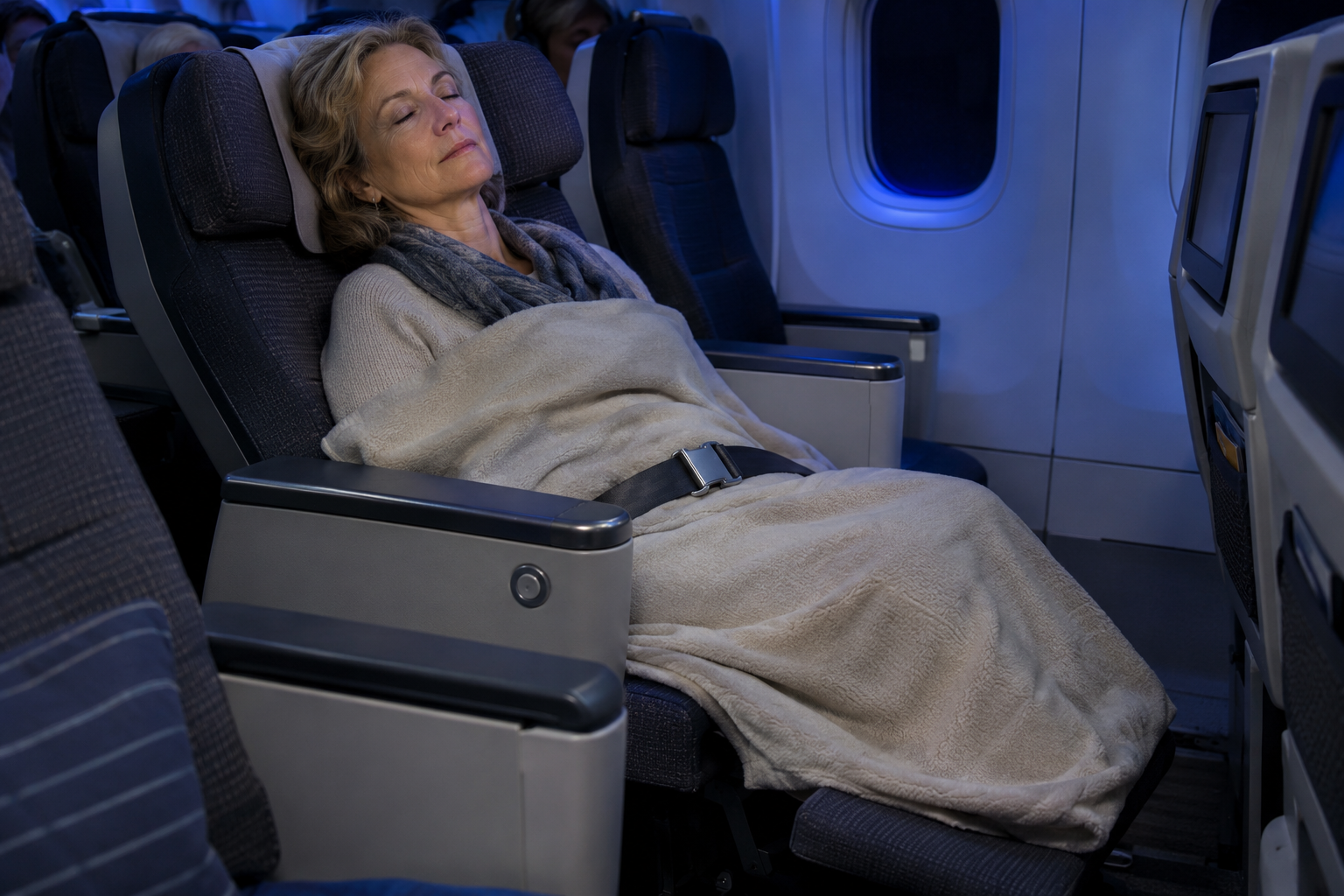
The flip side of naming three is being honest about why premium economy is more questionable on the rest, and the reasons vary. The most cited disappointment is British Airways’ World Traveller Plus, which many frequent travelers regard as the weakest of the major premium economy products, often seen as not enough of a step up from economy to justify the price, a cabin that too often feels like economy-plus rather than a true premium experience. It is the clearest example of a product where the premium fare and the actual upgrade do not match, and where the seat map test earns its keep.
The big American carriers, Delta, United, and American, sit in a more ambivalent middle. Their premium economy cabins, Delta Premium Select, United Premium Plus, and American’s Premium Economy, are built around a decent, genuinely wider seat and are real cabins rather than fakes, so they can be worth it, but the experience is widely described as inconsistent, with food and service quality varying and the overall product feeling less special than the best European and British carriers. On these, premium economy can absolutely be worth it on the right aircraft and route, but it is a situational yes rather than a confident one, and the seat map test and some research into the specific flight matter a great deal.
And then there are the outright failures of the test, the airlines whose premium economy is not a separate cabin at all. Alaska Airlines, for instance, which flies some transatlantic routes, does not offer a true premium economy cabin, only extra-legroom economy seats, which is exactly the thing the test is designed to catch, a better economy seat sold at a premium rather than a genuine premium cabin. Older aircraft across many airlines fall into the same category, lacking a true retrofitted premium cabin, which is why the aircraft, not just the airline, is what you must check. The lesson is consistent: outside the three I would trust most, premium economy ranges from genuinely good to not worth it, and only the seat map for your specific flight can tell you which you are being offered.
Glance at Business Class First
One more check is worth a mention, because premium economy does not exist in isolation but as the middle of three tiers. Before you commit to a premium economy fare, it is worth a quick look at what business class costs on the same flight, because every so often, especially on a sale or with the right timing, the gap between a pricey premium economy seat and a lie-flat business seat is smaller than you would expect. When premium economy is already double economy, business is sometimes only a little more again, and a flat bed is a genuinely different order of comfort from any upright seat.
This will not often be the case, and usually business remains far more expensive, but the thirty seconds it takes to check can occasionally save you from paying most of the way to a flat bed and stopping just short. If the premium economy fare is high and the business fare is close, the flat bed may be the better buy, so always glance at the tier above before you settle on the middle one.
How to Decide for Your Own Trip
Putting this together into a practical decision, here is how I would approach any premium economy purchase to Europe. Start by applying the seat map test to your exact flight, checking that the premium economy is a separate cabin with a distinctly wider seat and a less dense layout, because that single check separates the real deals from the dressed-up economy fares regardless of the airline. If it fails the test, do not pay double, and either fly economy or look at a different flight or airline.
If the flight is on one of the three airlines I would trust most, Virgin Atlantic, Air France, or Lufthansa, and the seat map confirms a real cabin, then premium economy to Europe is, in my view, genuinely worth the roughly doubled fare for the overnight crossing, especially if you struggle to sleep or arrive functional in economy. If it is on one of the American carriers, treat it as a situational maybe, worth it on the right modern aircraft and route but worth a little extra research first. And if it is British Airways’ World Traveller Plus or an older aircraft without a true cabin, I would lean against it and keep the money.
Above all, remember that the value of premium economy is personal and depends on what the crossing costs you. For a tall person, an older traveler, a poor sleeper, or anyone who arrives in Europe destroyed by economy and loses a day of the trip to it, a real premium economy seat can be worth every cent of the premium, turning a brutal night into a tolerable one.
For someone who sleeps fine anywhere and would rather spend the money on the trip itself, even a good premium economy may not be worth double. The seat map test tells you whether the product is real; only you can decide whether a real one is worth it to you. But never pay double without checking, because the difference between the three airlines where it shines and the ones where it does not is exactly the difference between money well spent and money wasted.

About the Author: Ruben, co-founder of Gamintraveler.com since 2014, is a seasoned traveler from Spain who has explored over 100 countries since 2009. Known for his extensive travel adventures across South America, Europe, the US, Australia, New Zealand, Asia, and Africa, Ruben combines his passion for adventurous yet sustainable living with his love for cycling, highlighted by his remarkable 5-month bicycle journey from Spain to Norway. He currently resides in Spain, where he continues sharing his travel experiences with his partner, Rachel, and their son, Han.