
Last updated on November 16th, 2026 at 07:19 pm
Some destinations become famous because they offer something genuinely extraordinary. Paris, Rome, New York, Bali, Tokyo, Santorini, and other globally recognized places attract millions of visitors because they combine history, scenery, culture, food, architecture, or atmosphere in ways that are difficult to replicate. Their popularity is not accidental. In many cases, they became iconic because generations of travelers found them worth visiting.
At the same time, popularity changes a destination. The more people arrive, the more hotels, restaurants, tours, souvenir shops, transportation systems, and attractions adapt around tourism. That can make a place easier to visit, but it can also make parts of it feel crowded, commercialized, and disconnected from everyday local life.
This creates an interesting tension for travelers. The places everyone tells you to visit are often genuinely impressive, but they can also come with higher prices, longer lines, and bigger expectations. A famous destination may deliver one of the best experiences of your trip, or it may leave you wondering why everyone made such a big deal about it.
The key is understanding what kind of traveler you are. Some people love being surrounded by famous landmarks, museums, nightlife, and constant activity. Others would rather trade global recognition for quieter streets, fewer crowds, and more spontaneous experiences. Neither approach is better, but they produce very different trips.
Popular tourist destinations are worth examining because they reveal something important about travel: fame can be both useful and misleading. A destination can be popular for good reasons and still not be right for you. The goal is not to avoid famous places, but to understand what they actually offer before building your entire trip around them.
Additional Reads:
– 10 Bucket List European Destinations For This Summer
– 5 Protective Essentials to Pack When Traveling to Sunny Southeast Asia
BOOK YOUR TRAVEL INSURANCE
Two of our favorite travel insurance: Heymondo Vs Safetwing cheapest travel Insurance. You can get for $135 USD your Heymondo Travel Insurance with Heymondo discount code valid for 90 days. Read our full comparison of Genki vs Safetywing Travel Insurance Review and the comparison Heymondo vs Genki
Quick Easy Tips
Travel off the beaten path – Skip mainstream guidebooks and explore regional blogs or local tourism boards.
Use Google Maps creatively – Zoom in on lesser-known areas and check photos and reviews from locals.
Ask locals, not influencers – You’ll get better advice on hidden gems by talking to residents than scrolling social media.
Stay longer, go slower – Underrated places often reveal their charm when you give them time.
Visit during shoulder seasons – You’ll avoid crowds and discover these places when they’re at their most authentic.
One controversial truth is that many popular destinations are not overrated at all. Travelers sometimes dismiss famous places simply because they are crowded or heavily photographed, but landmarks like the Colosseum, the Eiffel Tower, or the temples of Kyoto became famous because they are genuinely remarkable. Popularity does not automatically erase their value.
Another uncomfortable truth is that some destinations are more enjoyable in photographs than in person. Crowds, heat, traffic, construction, inflated prices, and long waits can dramatically change the experience. A perfect social media image can hide the reality of standing in line for an hour just to reach the viewpoint where that photo was taken.
There is also a tendency to confuse popularity with authenticity. A destination can be culturally important and still have neighborhoods or attractions designed almost entirely for visitors. Tourists may believe they are experiencing local life when they are actually moving through a carefully constructed tourism zone.
Another controversial point is that lesser-known places are not automatically better. Some travelers romanticize hidden gems as if anything less famous must be more authentic. In reality, a quiet town can be boring, inconvenient, or difficult to reach, while a major tourist destination may offer exceptional museums, restaurants, transportation, and experiences.
The larger lesson is that travel should not be a popularity contest in either direction. Visiting only famous places can make a trip predictable, but avoiding them just to feel different can be equally limiting. The smartest itineraries often combine both.
Why These Tourist Destinations Remain Hidden Gems
The allure of the world’s less frequented destinations often lies not in their lack of beauty or intrigue, but in a combination of factors that keep them under the radar. Here are a few reasons why these places remain lesser-known despite their appeal:
- Accessibility Challenges: Many hidden gems are physically harder to reach. Limited transportation options, fewer direct flights, or long travel distances can deter the average traveler.
- Lower International Profile: Some regions have historically received less attention in international tourism promotions. Without the global spotlight, many potential visitors simply aren’t aware of what these areas have to offer.
- Perceived Safety Concerns: Misconceptions or lack of information about safety can turn travelers away. Often, these perceptions are outdated or exaggerated, overshadowing the true character and hospitality of these locales.
- Economic and Political Factors: In some cases, political instability or economic challenges can impact tourism. Travelers might choose more stable destinations, despite the unique cultures and experiences offered by places going through harder times.
- Cultural and Language Barriers: Destinations where English is less commonly spoken, or that have a very different cultural context from Western norms, might intimidate less adventurous travelers, keeping these beautiful places reserved for those willing to dive deeper into new experiences.
Understanding these factors helps in appreciating why these gems remain unspoiled and less crowded, offering authentic experiences that are both rewarding and enriching for those willing to explore them.
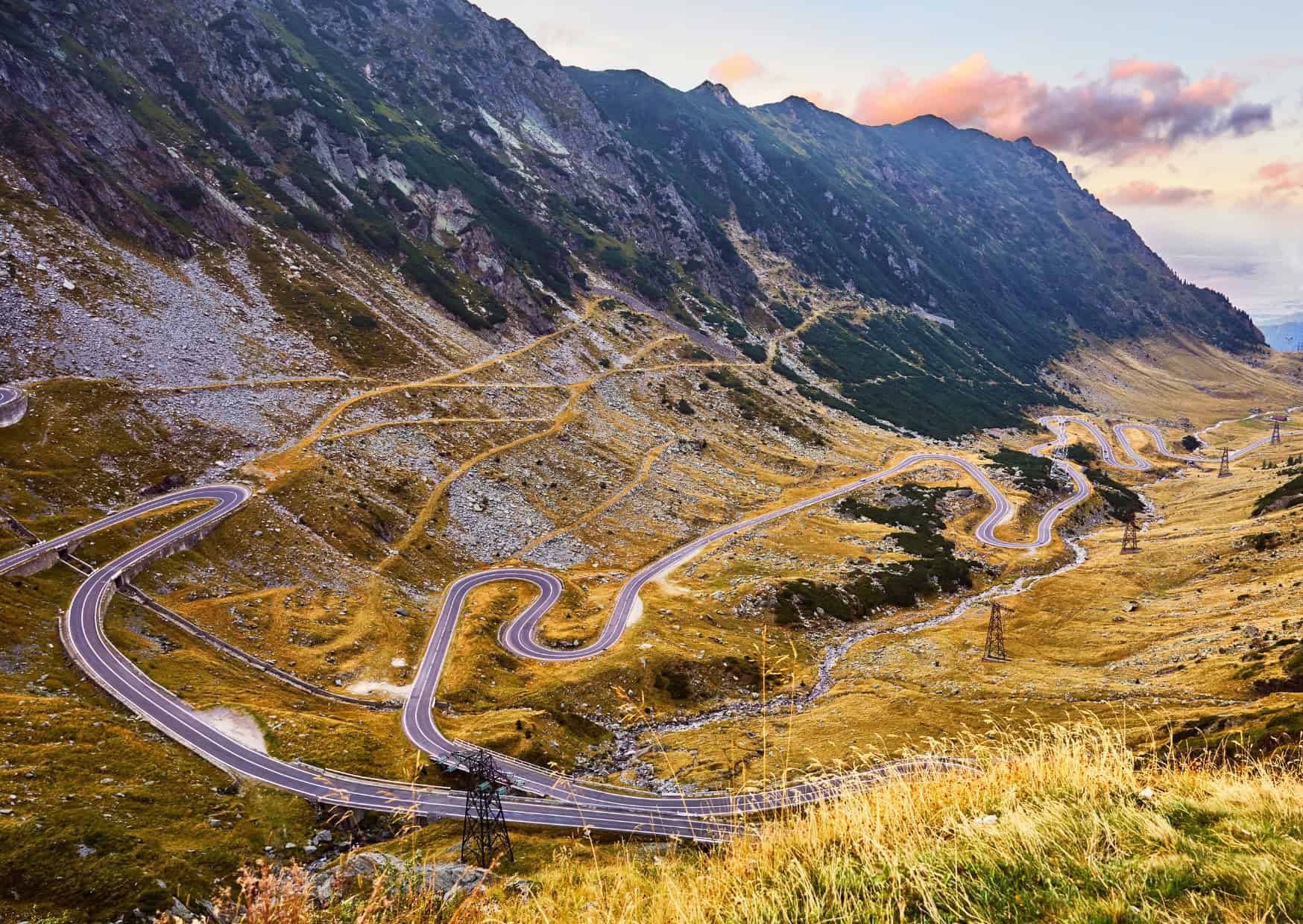
Romania: The Hidden Heart of Europe
Why it’s Overlooked:
Romania often flies under the radar for most American tourists who tend to flock to more famous European destinations like France, Italy, and Germany. The lack of direct flights from the US and misconceptions about Eastern Europe may contribute to its obscurity. Additionally, the region’s complex history and lesser-known cultural narrative don’t capture the same immediate allure as its Western counterparts.
Why You Should Visit:
Romania is a treasure trove of diverse landscapes, from the Transylvanian Alps with their picturesque castles and the serene beauty of the Danube Delta to the bustling charm of cities like Bucharest and Cluj-Napoca. The country offers an authentic Eastern European experience with rich folk traditions and an intriguing blend of Ottoman, Slavic, and Romanian cultures. Highlights include the medieval towns of Sibiu and Brașov, and the painted monasteries of Bucovina. Romania also offers excellent value for money, with costs significantly lower than in Western Europe, making it ideal for travelers on a budget.
Unique Attractions:
- Bran Castle: Often associated with the Dracula legend, it provides a dramatic insight into the history of Transylvania.
- The Black Sea Resorts: Offers sandy beaches and vibrant nightlife, particularly popular with European tourists.
- The Painted Monasteries of Bucovina: These UNESCO World Heritage sites are famous for their exterior frescoes depicting biblical scenes.
- Transfagarasan Road: Described by some as the most beautiful road in the world, it winds through mountains providing breathtaking views.
This introduction to Romania’s allure sets the stage for exploring further hidden gems around the world, each with unique appeals and reasons why they might be missing from the typical tourist radar. Stay tuned as we uncover more underrated destinations in our global travel adventure!
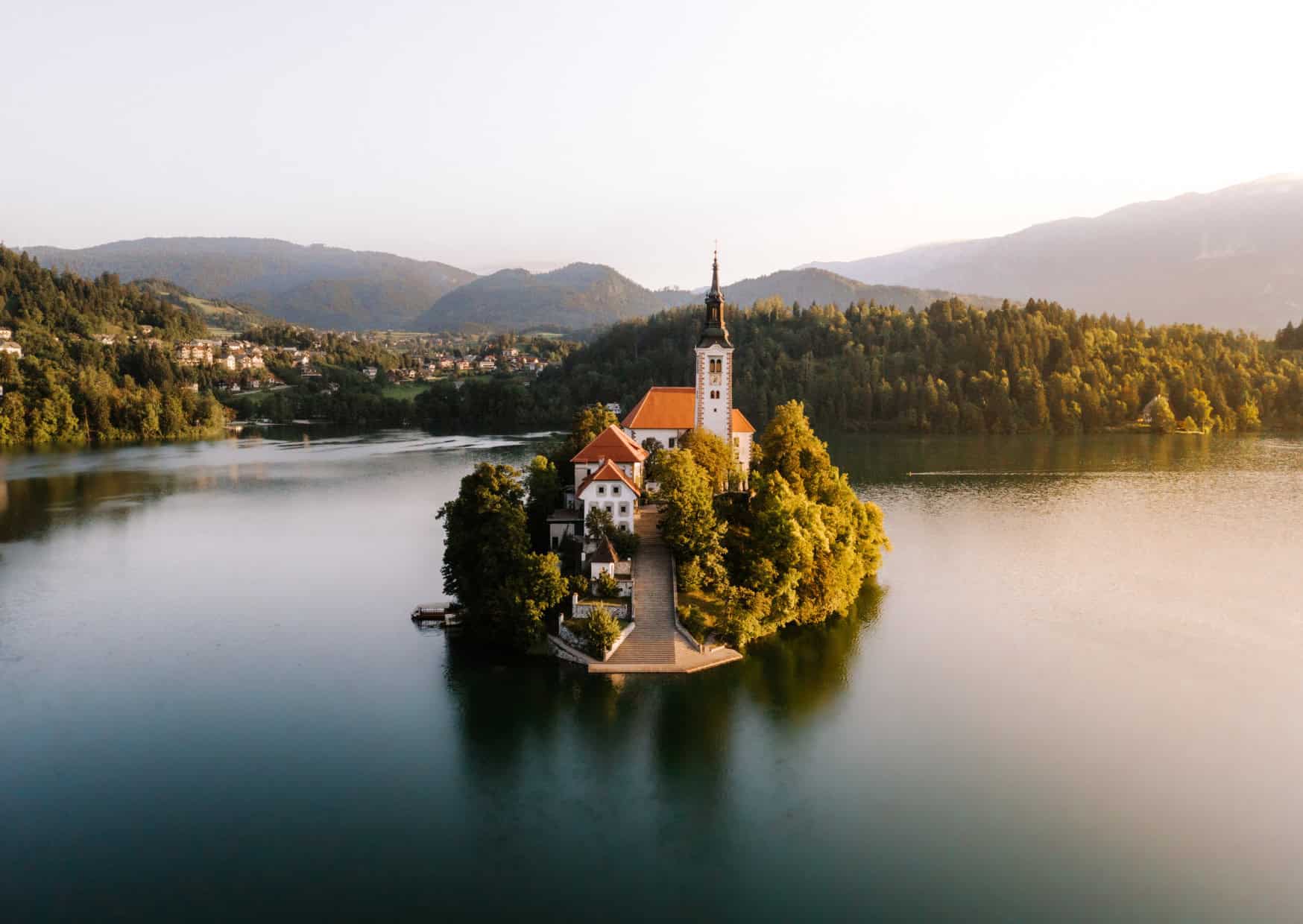
Slovenia: The Unexplored Jewel of Central Europe
Why it’s Overlooked:
Slovenia is often overshadowed by its more famous neighbors, Italy and Croatia, and tends to be overlooked by tourists seeking more renowned European destinations. Its small size and quiet presence on the global stage also contribute to its hidden gem status.
Why You Should Visit:
Slovenia is an enchanting blend of landscapes that range from alpine mountains to lush vineyards and a small but striking Adriatic coastline. The country offers a wealth of outdoor activities, from hiking in the Julian Alps to exploring the mysterious Karst region with its caves and gorges. Ljubljana, the capital, is a charming city known for its university population, green spaces, and vibrant cultural scene.
Unique Attractions:
- Lake Bled: A stunning lake with a small island church and a medieval castle clinging to a rocky cliff.
- Triglav National Park: The heart of the Julian Alps, offering pristine natural beauty and great trails for adventurers.
- Postojna Cave: A world-famous cave system accessible by an underground train ride.
- Piran: A picturesque coastal town with Venetian Gothic architecture.
Slovenia offers a compact yet diverse travel experience that combines natural beauty, historical sites, and modern culture in a welcoming, accessible package. Its allure is in its understated beauty and the variety of experiences packed into such a small area.
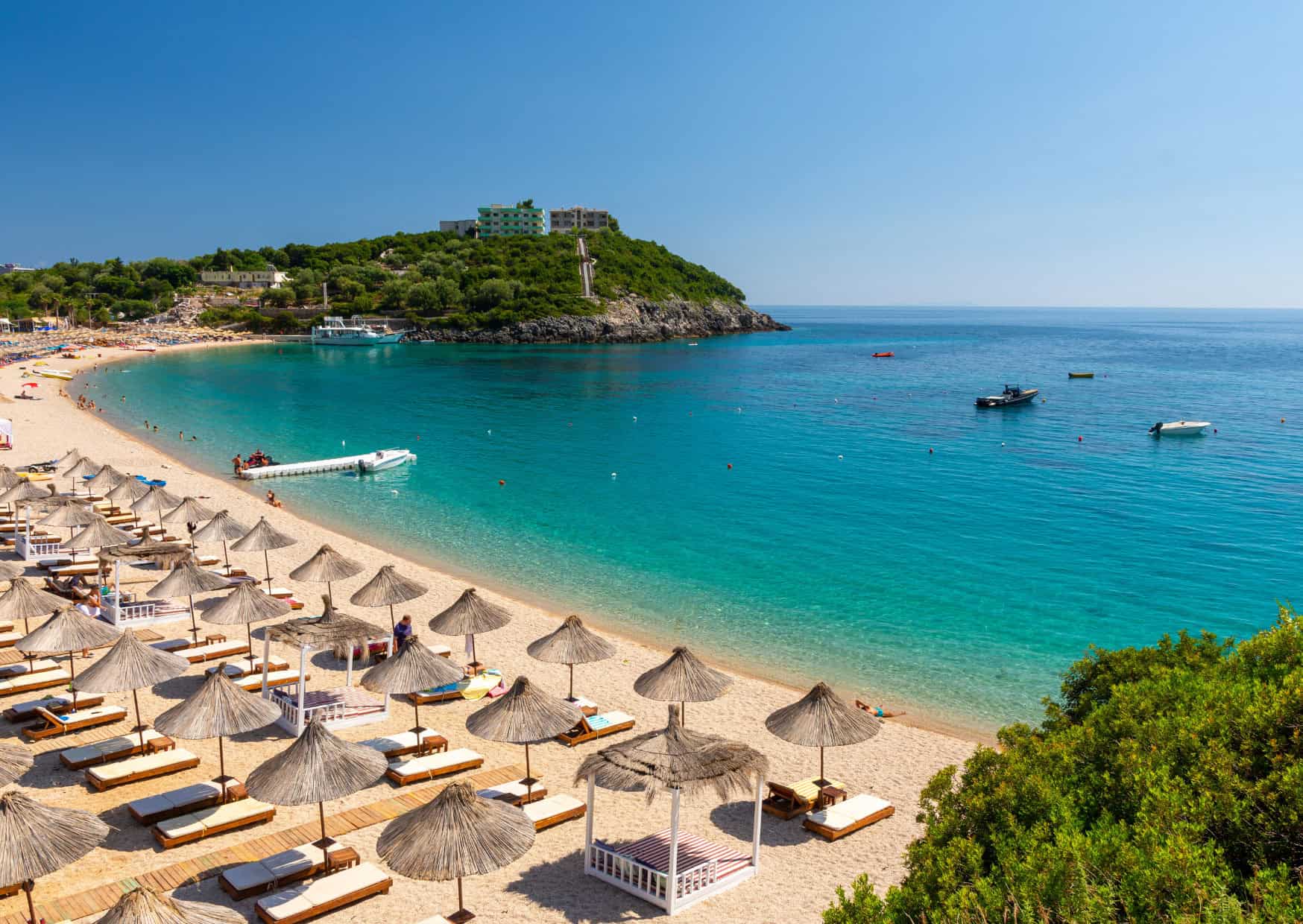
Albania: The Undiscovered Beauty of the Balkans
Why it’s Overlooked:
Albania is often overlooked due to its more famous neighbors like Greece and Italy. It has been isolated historically, which has kept its profile low in international tourism markets.
Why You Should Visit:
Albania offers a stunning coastline along the Adriatic and Ionian Seas, rivalling the beauty of more popular Mediterranean destinations. Its cities combine rich history with vibrant modern culture, offering an authentic experience that is both affordable and less crowded.
Unique Attractions:
- Gjirokastër: Known as the “City of Stone,” this UNESCO World Heritage site features Ottoman architecture and cobblestone streets, providing a window into Albania’s rich history.
- Albanian Riviera: Boasts some of the most beautiful beaches in Europe, with crystal-clear waters and vibrant nightlife, particularly in towns like Sarandë and Ksamil.
- Berat: Another UNESCO site, known for its unique Ottoman houses that climb up the side of the hill overlooking the city, earning it the nickname “City of a Thousand Windows.”
- Butrint: An ancient city that offers archaeological ruins spanning Greek, Roman, Byzantine, and Venetian periods, set in a national park with lush vegetation and diverse wildlife.
Albania’s mix of natural beauty, historical sites, and its warm Mediterranean climate make it a compelling choice for those looking to explore new destinations without the overcrowding typical in more well-known tourist spots.
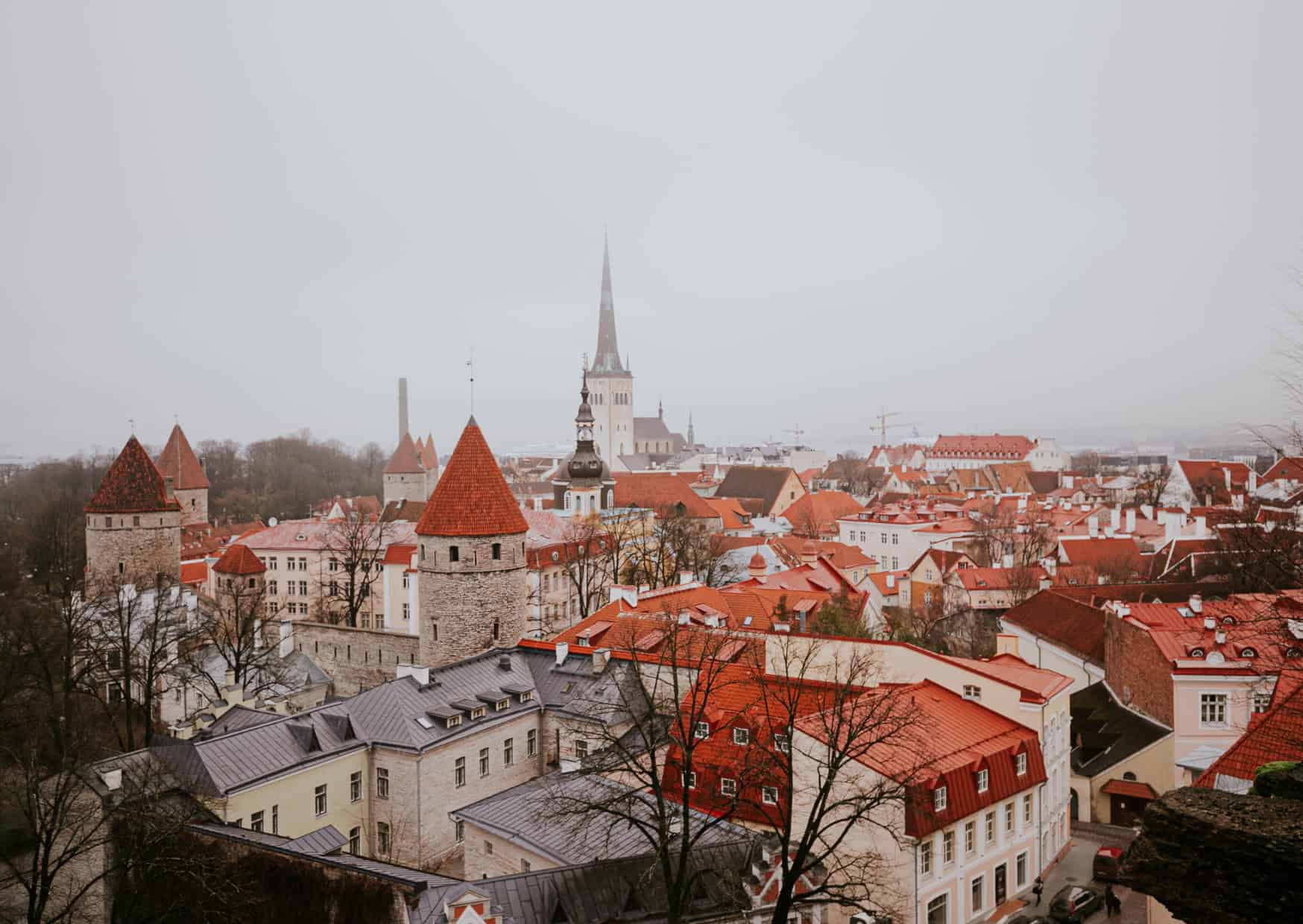
Estonia: A Blend of Medieval Charm and Modern Innovation
Why it’s Overlooked:
Estonia, a small country in the Baltic region, often flies under the radar for many travelers. Its proximity to more prominent European destinations like Finland and Sweden, combined with its relatively recent independence from the Soviet Union, means it’s not yet on the typical tourist map.
Why You Should Visit:
Estonia offers a unique mix of medieval history and cutting-edge technology. Tallinn, the capital, is renowned for its well-preserved Old Town, a UNESCO World Heritage site, with cobblestone streets and medieval architecture. Beyond Tallinn, the country’s natural beauty shines with forests, lakes, and islands perfect for exploration.
Unique Attractions:
- Tallinn Old Town: A fairy-tale like setting with ancient churches, a medieval town wall, and charming squares.
- Lahemaa National Park: One of the most important conservation areas in Europe, offering diverse wildlife and beautiful landscapes.
- Saaremaa Island: Known for its unique meteorite crater, windmills, and charming villages.
- Song and Dance Festival: A massive cultural event held every five years, showcasing Estonia’s rich tradition of choral music and dance.
Estonia is perfect for travelers seeking a blend of historical intrigue and modern comforts, with its seamless integration of digital advancements and preservation of cultural heritage. Its off-the-beaten-path appeal ensures a less crowded and more intimate travel experience.
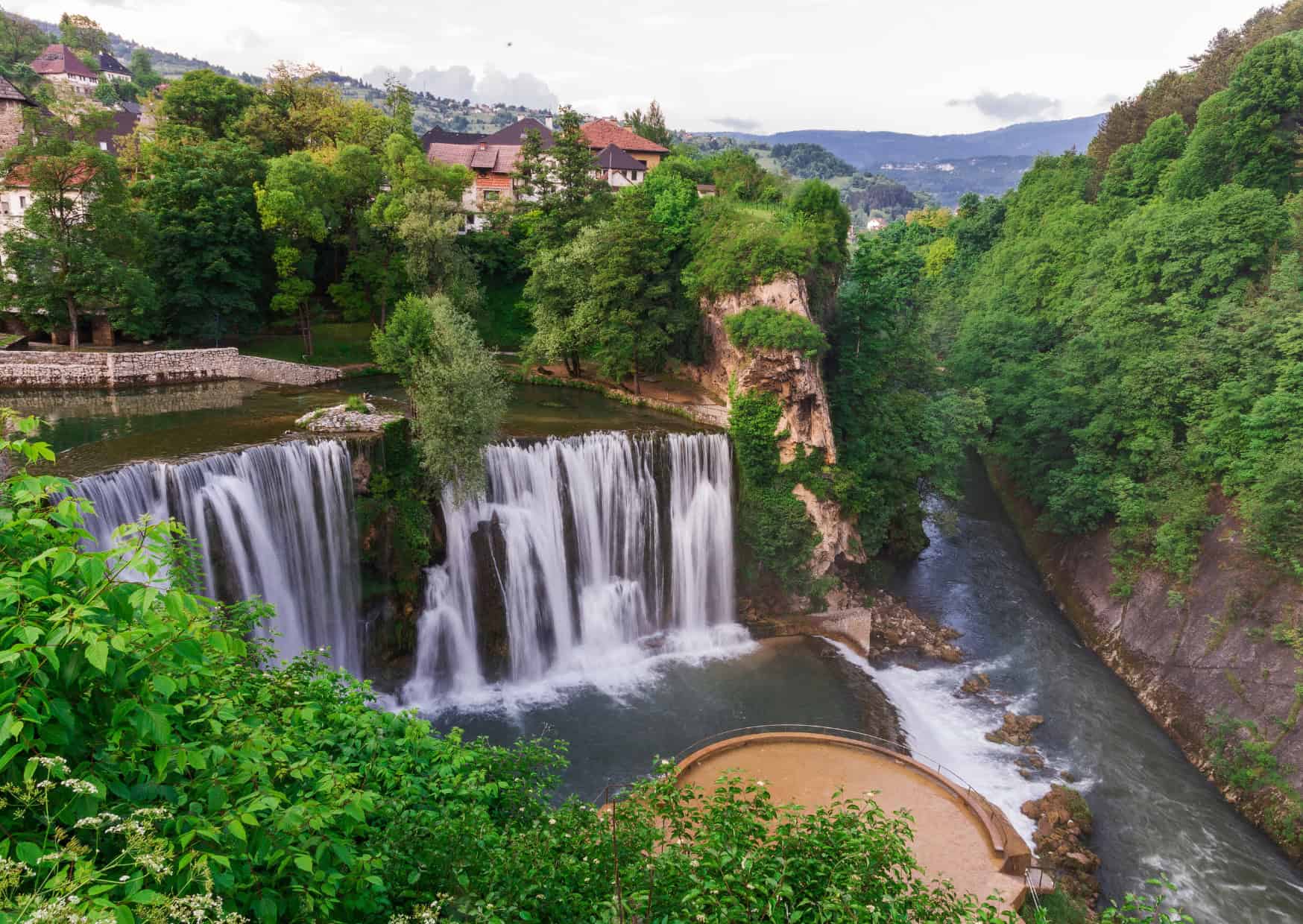
Bosnia and Herzegovina: The Crossroads of History and Nature
Why it’s Overlooked:
Bosnia and Herzegovina is frequently overshadowed by its more frequented neighbors like Croatia and Italy. The lingering memories of the Yugoslav wars during the 1990s also give some potential visitors pause, though today it is a peaceful and welcoming destination.
Why You Should Visit:
Bosnia offers an intriguing blend of Eastern and Western cultures, visible in its architecture, cuisine, and traditions. It’s a paradise for outdoor enthusiasts with its rugged landscapes, pristine rivers, and dense forests.
Unique Attractions:
- Sarajevo: The capital city known for its vibrant cultural scene and historical significance, including the Baščaršija, Sarajevo’s old bazaar.
- Mostar: Renowned for the iconic Stari Most (Old Bridge), a symbol of reconciliation and coexistence between diverse cultural, religious, and ethnic groups.
- Jajce: A historical town with beautiful waterfalls and the well-preserved medieval fortress.
- Sutjeska National Park: One of Europe’s oldest parks, home to the last primeval forest in Europe and the spectacular Perućica forest reserve.
Bosnia and Herzegovina’s combination of unique historical sites and breathtaking natural beauty make it a hidden gem for those willing to venture off the beaten path.
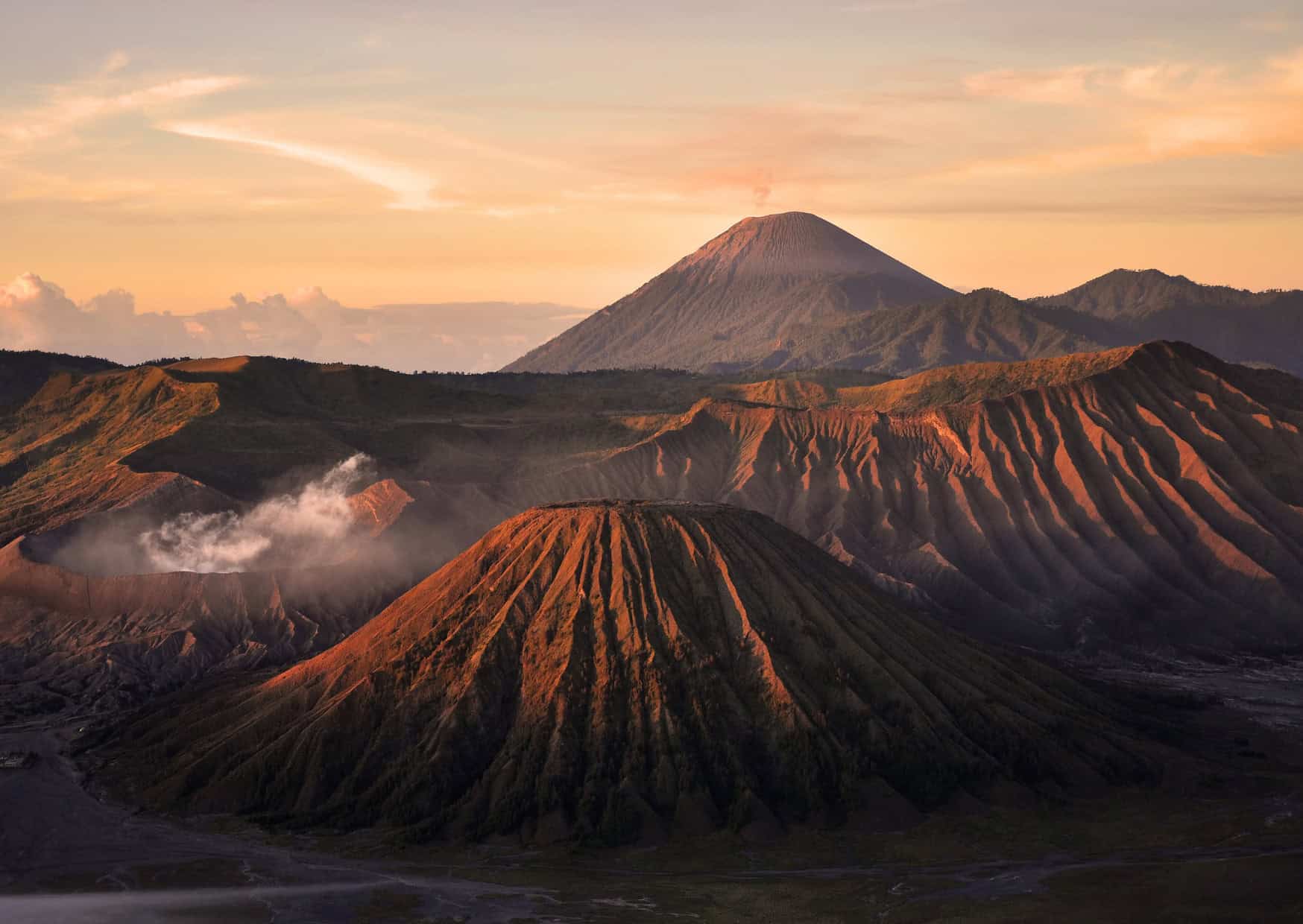
Java, Indonesia: The Cultural Heart of Indonesia
Why it’s Overlooked:
Java, despite being the political and economic hub of Indonesia, often plays second fiddle to Bali in terms of tourism. Its large population and bustling cities can overshadow the rich cultural heritage and natural beauty that the island offers.
Why You Should Visit:
Java houses Indonesia’s cultural soul, featuring ancient temples, volcanic landscapes, and vibrant cities. The island offers a deep dive into Indonesia’s history and traditions, coupled with dramatic natural scenery.
Unique Attractions:
- Borobudur: The world’s largest Buddhist temple, offering breathtaking sunrise views.
- Mount Bromo: Known for its stunning vistas and status as an active volcano.
- Yogyakarta: The cultural capital known for its traditional arts and grand palaces.
- Jakarta: The bustling capital city with its unique blend of modernity and culture.
Java represents the dynamic blend of Indonesia’s past and present, making it a fascinating destination for those interested in history, culture, and nature.
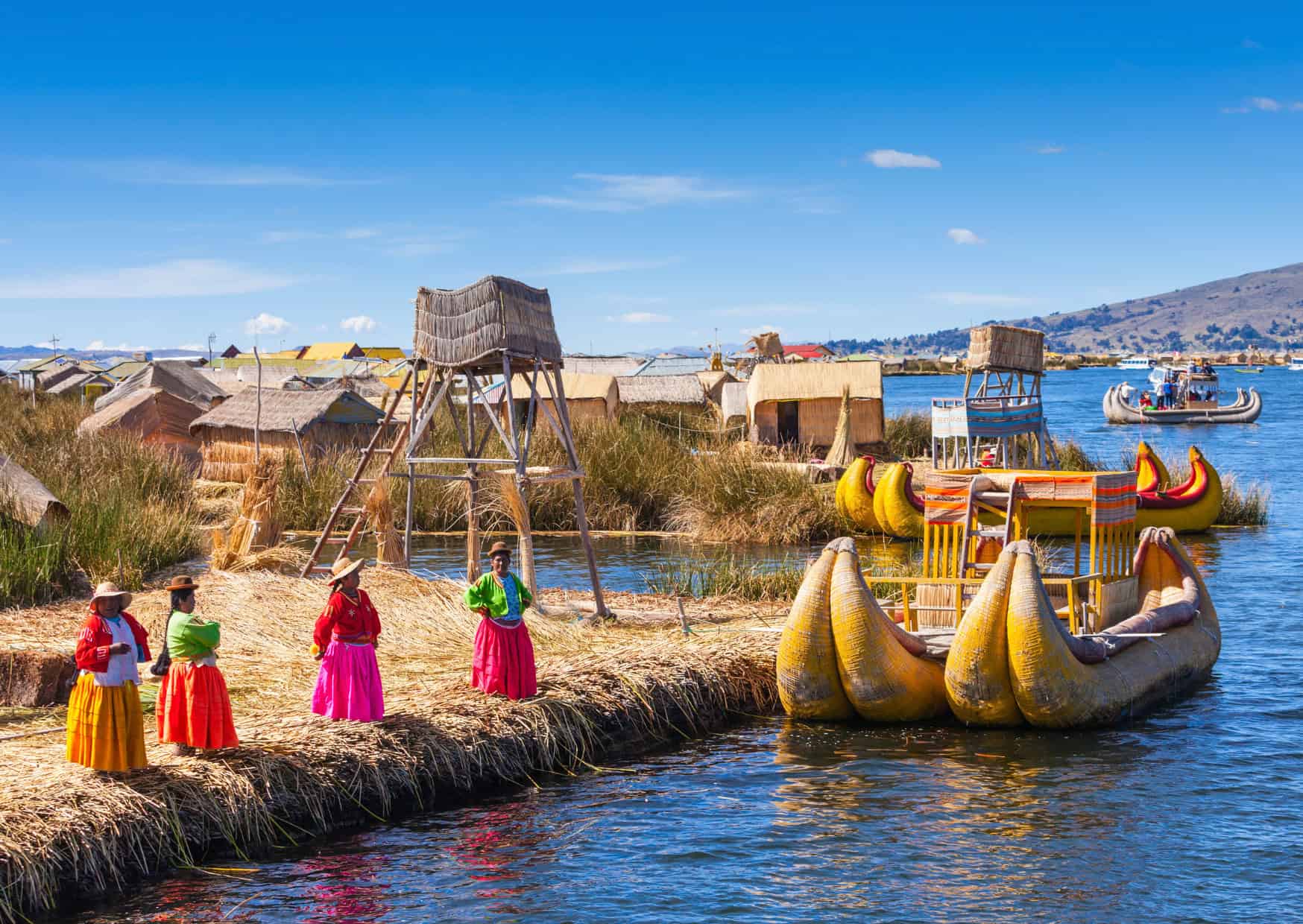
Bolivia: A Landscape of Contrasts
Why it’s Overlooked:
Bolivia is often overshadowed by its South American neighbors like Peru and Brazil, known for their iconic tourist destinations. Its landlocked geography and less developed infrastructure for mass tourism contribute to its lower profile.
Why You Should Visit:
Bolivia offers some of the most diverse and stunning landscapes on the continent, from the soaring peaks of the Andes to the vast expanses of the Salar de Uyuni salt flats. The country provides a rich cultural experience, blending indigenous traditions with Spanish colonial history.
Unique Attractions:
- Salar de Uyuni: The world’s largest salt flat provides an ethereal experience, especially after a rain when it turns into a giant mirror reflecting the sky.
- La Paz: Sitting at nearly 12,000 feet, La Paz is the highest administrative capital in the world, surrounded by dramatic mountain landscapes and bustling with vibrant markets.
- Lake Titicaca: Shared with Peru, it’s the highest navigable lake in the world, dotted with traditional reed boats and floating islands.
- Madidi National Park: A part of the Amazon rainforest that offers incredible biodiversity, including numerous bird species, mammals, and plants in a lush, vibrant setting.
Bolivia’s combination of breathtaking natural wonders, rich culture, and historical sites makes it an exceptional destination for those looking to explore unique and less-trodden paths.
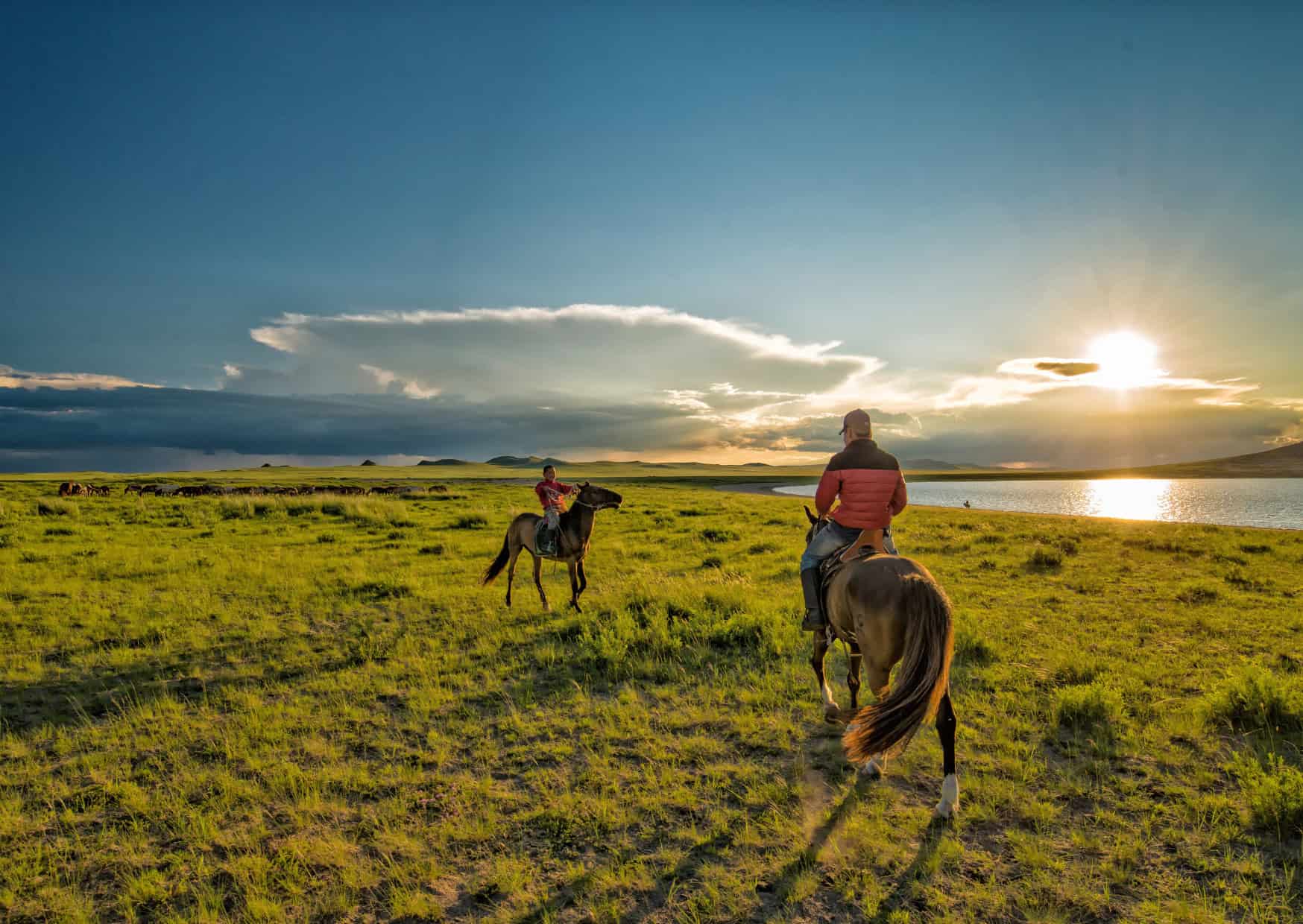
Mongolia: A Vast, Untouched Wilderness
Why it’s Overlooked:
Mongolia’s remote location and challenging climate make it less accessible than other Asian destinations. Its nomadic culture and sparse population also mean that it doesn’t fit the typical tourist template, leading many travelers to choose more conventional destinations.
Why You Should Visit:
Mongolia offers one of the last true adventures for those seeking solitude and unspoiled nature. The vast steppes, deep forests, and the Gobi Desert present an epic backdrop for outdoor activities and cultural immersion.
Unique Attractions:
- Gobi Desert: Explore the vast dunes, rare wildlife, and dinosaur fossils in one of the world’s largest deserts.
- Ulaanbaatar: The capital city is a blend of traditional and modern, with museums, monasteries, and vibrant markets showcasing Mongolian culture.
- Naadam Festival: Experience this traditional festival featuring horse racing, wrestling, and archery, which showcases the skills and endurance of nomadic warriors.
- Altai Mountains: Ideal for trekking and witnessing ancient rock art, these mountains offer breathtaking landscapes and a glimpse into Mongolia’s nomadic traditions.
Mongolia is perfect for adventurers and those interested in experiencing a culture deeply connected to its natural surroundings.
Kanazawa, Japan: A Hidden Cultural Jewel
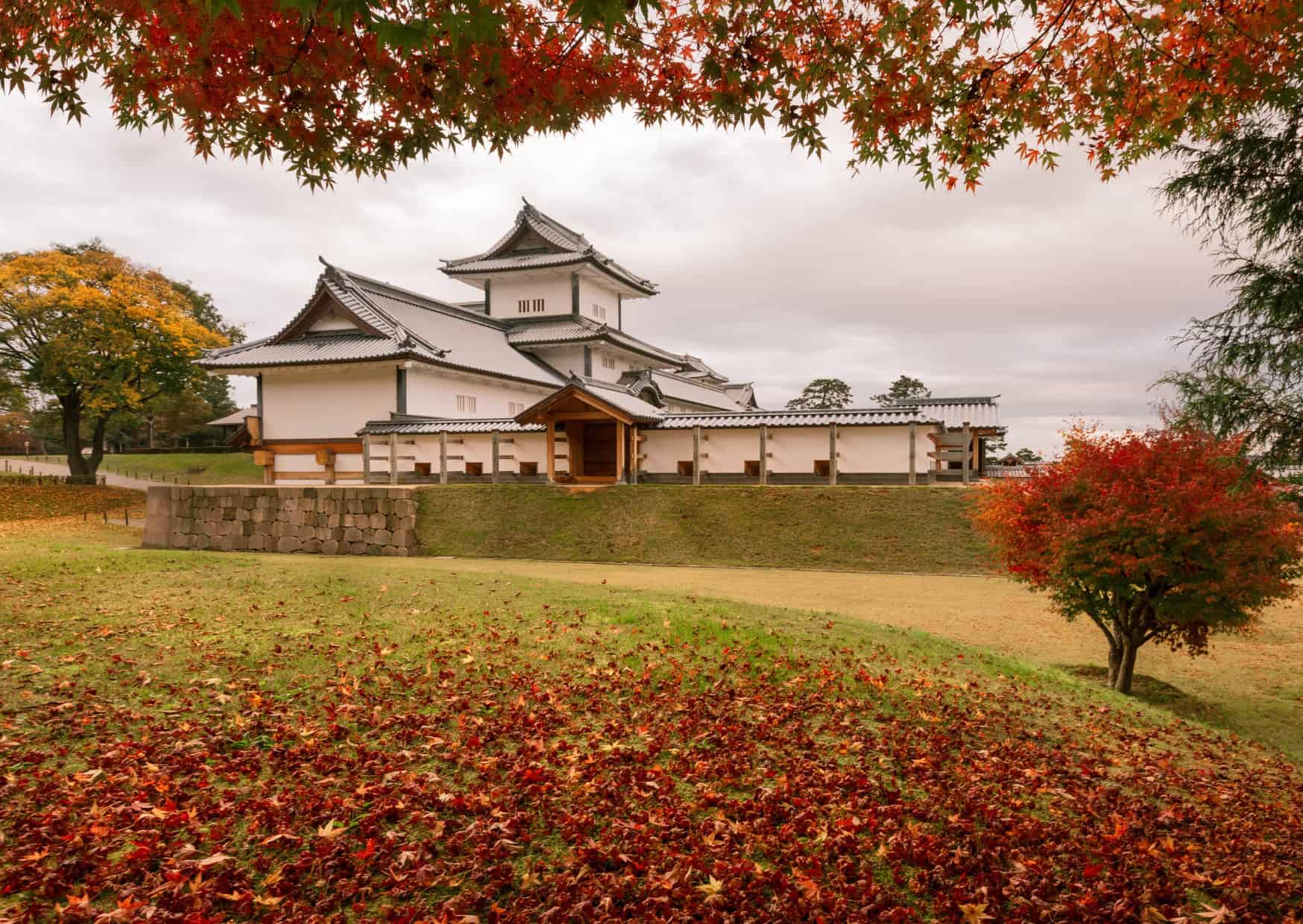
Why it’s Overlooked:
Kanazawa, often bypassed in favor of Japan’s more prominent cities like Tokyo and Kyoto, remains under the radar for many international tourists. Its location on the less-traveled Sea of Japan coast contributes to its hidden gem status.
Why You Should Visit:
Kanazawa is a bastion of Edo-period architecture, traditional gardens, and rich Japanese culture. It offers a quieter, yet deeply cultural experience akin to Kyoto, without the overwhelming crowds.
Unique Attractions:
- Kenrokuen Garden: One of Japan’s “three great gardens,” renowned for its beauty across all seasons.
- Kanazawa Castle: A beautifully restored landmark offering insights into Japan’s feudal past.
- Chaya Districts: Historic teahouse districts where visitors can enjoy geisha performances in an authentic setting.
- 21st Century Museum of Contemporary Art: A cutting-edge art museum known for its innovative design and exhibitions.
Kanazawa offers a unique blend of historical preservation and modern culture, making it an ideal destination for those seeking to explore Japan’s rich heritage in a more intimate setting.
Lesotho: Africa’s Mountain Kingdom
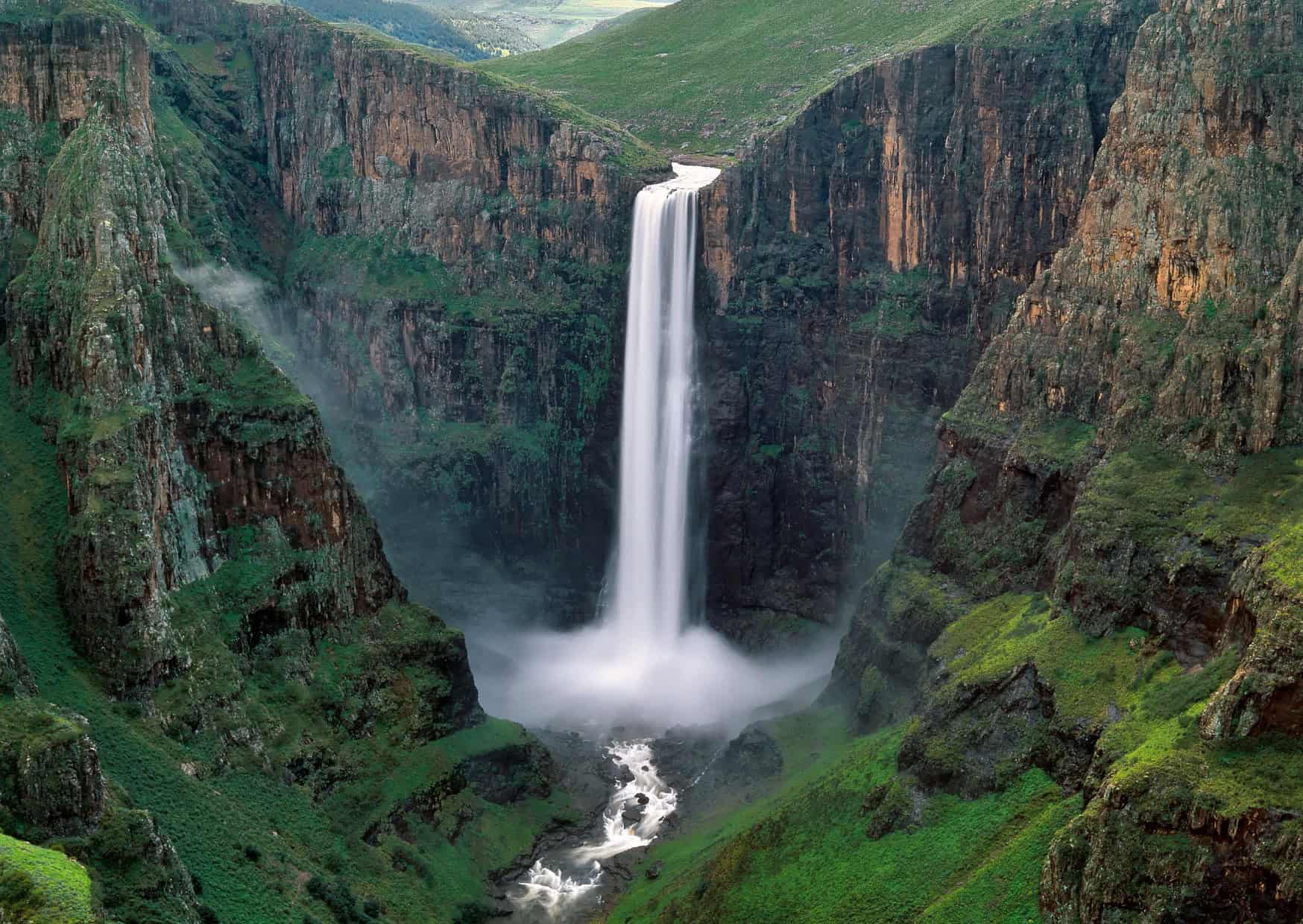
Why it’s Overlooked: Lesotho, encircled entirely by South Africa, is often overshadowed by its larger neighbor’s well-known attractions such as Kruger National Park and Cape Town. Its mountainous terrain, which provides stunning landscapes, also makes accessibility a challenge, deterring casual tourists.
Why You Should Visit: Lesotho offers unique high-altitude adventures and cultural experiences distinct from the rest of Southern Africa. It’s one of the few regions in Africa where you can go skiing during the winter months at Afriski Mountain Resort.
Unique Attractions:
- Sani Pass: A spectacular mountain pass connecting Lesotho with South Africa, offering breathtaking views and challenging drives.
- Thaba-Bosiu: A sandstone plateau that is historically significant as the birthplace of the Basotho nation, with ruins and artifacts.
- Maletsunyane Falls: Home to one of the highest single-drop waterfalls in Africa, ideal for sightseeing and abseiling.
- Sehlabathebe National Park: Offers pristine landscapes, with opportunities for trekking, bird watching, and exploring diverse flora and fauna.
Lesotho’s untouched natural beauty and opportunities for adventure make it a perfect destination for those looking to explore off-the-beaten-path locations in Africa, without the crowds found in more commercialized regions.
Exploring lesser-known travel destinations offers a unique opportunity to experience the world’s hidden gems. These places often remain under the radar due to a combination of factors including geographical isolation, lack of international marketing, and overshadowing by more famous neighbors.
Yet, they provide rich cultural experiences, stunning landscapes, and a chance to see the world without the crowds. By choosing these underrated spots, travelers can contribute to local economies that benefit directly from tourism while enjoying a more authentic and personal journey. So, why not venture off the beaten path on your next trip and discover the undiscovered?
There’s something profoundly rewarding about discovering a destination that hasn’t been consumed by mass tourism. These places feel more real, more human, and more connected to their roots. Travel isn’t just about ticking boxes; it’s about experiences that leave a mark—and sometimes, the most meaningful journeys happen off the mainstream radar.
So if you’re looking to fall in love with a place in a way you didn’t expect, give one of these overlooked gems a shot. You may just find that what’s not trending is exactly what your wanderlust has been waiting for.
Why You Should Care and Follow
You should care because popular destinations usually have strong infrastructure. Airports, trains, hotels, tours, restaurants, and visitor information are often easier to navigate in places that receive large numbers of travelers. This can make them especially appealing for first-time visitors or anyone who wants a smoother trip.
Following popular travel routes can also help you experience places with real historical or cultural significance. Some destinations are famous because they contain landmarks, museums, neighborhoods, or natural wonders that genuinely deserve attention. Skipping them purely because they are popular can mean missing something extraordinary.
There is also value in seeing iconic places with your own eyes. Photographs and videos create familiarity, but standing inside a historic building, walking through a famous square, or seeing a landscape in person can feel completely different. Some destinations still manage to surprise you even after years of exposure.
Popular destinations can also be good starting points for deeper exploration. A major city may introduce you to a region, culture, or cuisine that leads you toward smaller towns and lesser-known places nearby. The famous destination becomes the gateway rather than the entire trip.
Most importantly, caring about why places become popular can help you plan more intelligently. Instead of following a list blindly, you can identify what actually interests you and decide whether the destination matches your priorities.
Why You Should Not Care and Follow Too Much
At the same time, you should not build your entire itinerary around what everyone else is visiting. Popularity is not a guarantee that you will enjoy a place. Your interests, travel style, budget, and tolerance for crowds matter far more than a destination’s global reputation.
You should also avoid treating travel like a checklist. Racing through famous landmarks just to say you have been there can make a trip feel exhausting and superficial. Spending more time in fewer places often creates stronger memories than collecting dozens of iconic photographs.
It is also worth remembering that popularity can increase costs dramatically. Accommodation, food, transportation, and attractions may all be more expensive in heavily visited areas. Sometimes a nearby city or region can offer a similar experience for much less.
You should not let social media decide what deserves your time either. Viral destinations can become overwhelmed quickly, and the pressure to recreate a particular photo can distract from the actual experience. A place does not need millions of posts to be worth visiting.
Ultimately, you should use popular destination lists as inspiration rather than instructions. Choose the places that genuinely excite you and ignore the ones that do not, no matter how many bucket lists they appear on.

About the Author: Ruben, co-founder of Gamintraveler.com since 2014, is a seasoned traveler from Spain who has explored over 100 countries since 2009. Known for his extensive travel adventures across South America, Europe, the US, Australia, New Zealand, Asia, and Africa, Ruben combines his passion for adventurous yet sustainable living with his love for cycling, highlighted by his remarkable 5-month bicycle journey from Spain to Norway. He currently resides in Spain, where he continues sharing his travel experiences with his partner, Rachel, and their son, Han.