
Last updated on November 18th, 2026 at 05:09 pm
For many people in the United States, $2,000 a month does not sound like enough to cover much beyond housing, utilities, groceries, and basic transportation. In some cities, that amount can disappear before the month even really begins. That is why the idea of living comfortably abroad on less than $2,000 can sound unrealistic at first. But in the right places, lower housing costs, cheaper public transportation, more affordable food, and a different overall cost structure can stretch the same amount much further.
The biggest difference is that monthly expenses are not distributed the same way everywhere. In the United States, housing, healthcare, car ownership, insurance, and convenience spending can consume a huge share of income. In many lower-cost cities abroad, rent may be significantly cheaper, daily transportation may not require owning a car, and eating out can be far more affordable. That can completely change what a modest monthly budget feels like.
Of course, “living large” is subjective. For one person, it may mean renting a central apartment, eating out several times a week, and still having money left for travel. For someone else, it may simply mean living without constant financial stress. The important point is not that $2,000 creates luxury everywhere, but that in some cities it can buy a level of comfort that would cost much more in major American metros.
Lifestyle also matters as much as geography. Someone who cooks often, uses public transportation, and avoids luxury neighborhoods can live very differently from someone who wants imported foods, private drivers, international schools, and high-end apartments. The same city can feel extremely affordable or unexpectedly expensive depending on how closely you try to recreate your old lifestyle.
That is why these cities are worth looking at carefully rather than romantically. The attraction is not just cheap rent. It is the possibility of building a comfortable daily life with less financial pressure, provided the city actually fits your needs, legal status, health requirements, and long-term goals.
Read Here European Things that terrify Americans and American Habits that make Europeans Cringe
Read here how to pack for Europe and Best eSIM for Europe
Quick & Easy Tips
Always research visa requirements and how long you can stay without residency.
Avoid tourist-heavy areas for rentals; opt for local neighborhoods to save money and immerse yourself in culture.
Budget realistically by including utilities, transportation, health insurance, and internet not just rent.
Use local markets and public transport instead of relying on imported goods and taxis.
Join local expat Facebook groups or forums for real-time advice and housing leads.
One controversial truth is that Americans often underestimate how much of their budget is shaped by systems rather than personal spending habits. High housing costs, car dependence, insurance, and healthcare expenses can make even a good salary feel surprisingly tight. Moving somewhere with a different cost structure can sometimes have a bigger impact than earning more money at home.
Another uncomfortable point is that earning dollars or euros while living in a lower-cost economy creates an advantage that local residents may not share. A $2,000 monthly budget can feel comfortable to a foreign remote worker while being out of reach for someone earning a local salary. That difference matters, especially in cities where foreign demand can push rents higher.
There is also a tendency to oversell the “cheap abroad” lifestyle. Low rent does not automatically mean easy living. Visa fees, private health insurance, international flights, taxes, language classes, banking, and unexpected bureaucracy can add costs that are not always included in simple monthly budgets.
Another controversial idea is that some travelers confuse affordability with quality of life. A city may be cheap but still have unreliable infrastructure, limited healthcare access, severe pollution, political instability, or transportation problems. Saving money is valuable, but it should not be the only factor in deciding where to live.
The bigger lesson is that cost of living is only meaningful when compared with the life you actually want. A $1,500 lifestyle that makes you miserable is not a bargain. The best affordable cities are the ones where lower costs and personal priorities overlap.
What to Consider Before Relocating
Visas & Residency
Research tourist vs. long-stay vs. digital nomad visa options
Some countries allow you to stay up to a year with minimal paperwork
Healthcare
Many of these cities offer excellent private healthcare for a fraction of the cost in the U.S.
Consider travel or expat insurance for added coverage
Internet & Remote Work
Most of these cities have strong, reliable internet—some are remote work hotspots
Check availability of co-working spaces and SIM cards with data
Language & Integration
English is widely spoken in many locations, but learning basic local phrases helps a lot
Get involved in expat Facebook groups or local classes to connect and settle in
What “Comfortably” Means
1-bedroom apartment or studio in a good location
Utilities and high-speed internet
Local transportation or scooter rental
Meals out regularly, groceries, basic healthcare
Occasional outings, travel, and gym/yoga access
Top 20 Affordable Cities to Live Well
1. Chiang Mai, Thailand

Monthly Cost: $800–$1,300
Why Go: Safe, spiritual, and popular with digital nomads
Perks: $1 street food, low rent, excellent coworking, Thai massage, lush mountains
2. Da Nang, Vietnam
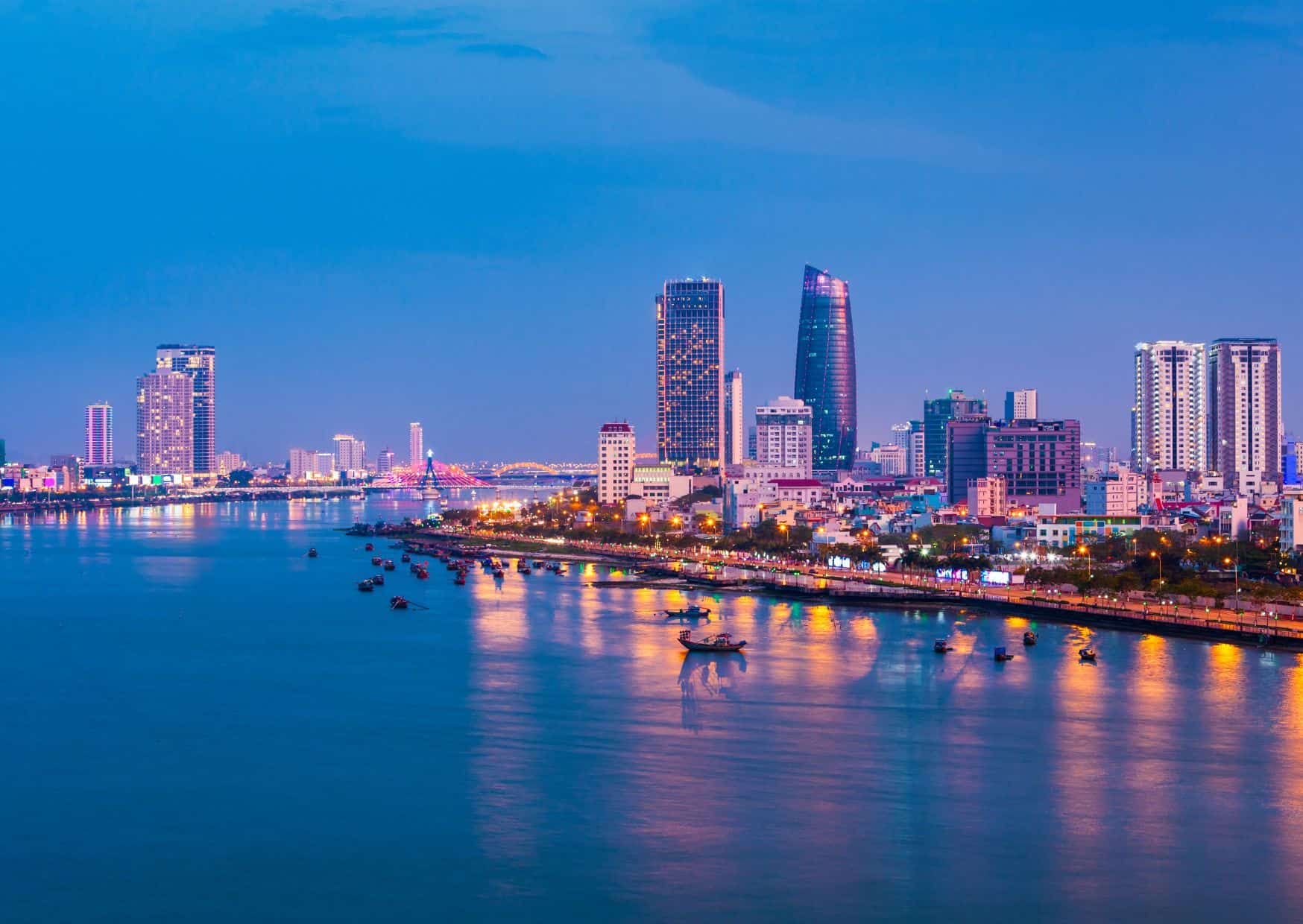
Monthly Cost: $900–$1,400
Why Go: Modern beach city with a relaxed vibe
Perks: Fast Wi-Fi, growing expat hub, delicious food, low living costs
3. Medellín, Colombia

Monthly Cost: $1,200–$1,800
Why Go: Eternal spring weather and cosmopolitan feel
Perks: Vibrant neighborhoods, modern metro, warm culture, strong healthcare
4. Oaxaca, Mexico

Monthly Cost: $1,000–$1,600
Why Go: A cultural gem with world-class cuisine
Perks: Lively markets, festivals, walkable city, artisan communities
5. Tbilisi, Georgia

Monthly Cost: $800–$1,400
Why Go: A unique mix of Europe and Asia with ancient roots
Perks: 1-year visa on arrival, historic streets, cheap wine, hospitable locals
6. Lisbon, Portugal

Monthly Cost: $1,600–$2,000
Why Go: Europe’s sunniest capital with Old World charm
Perks: Great healthcare, stunning views, pastel de nata, easy EU access
7. Cuenca, Ecuador

Monthly Cost: $1,000–$1,400
Why Go: A tranquil, colonial city in the Andes
Perks: U.S. dollar economy, expat-friendly, scenic walks, mild climate
8. Playa del Carmen, Mexico
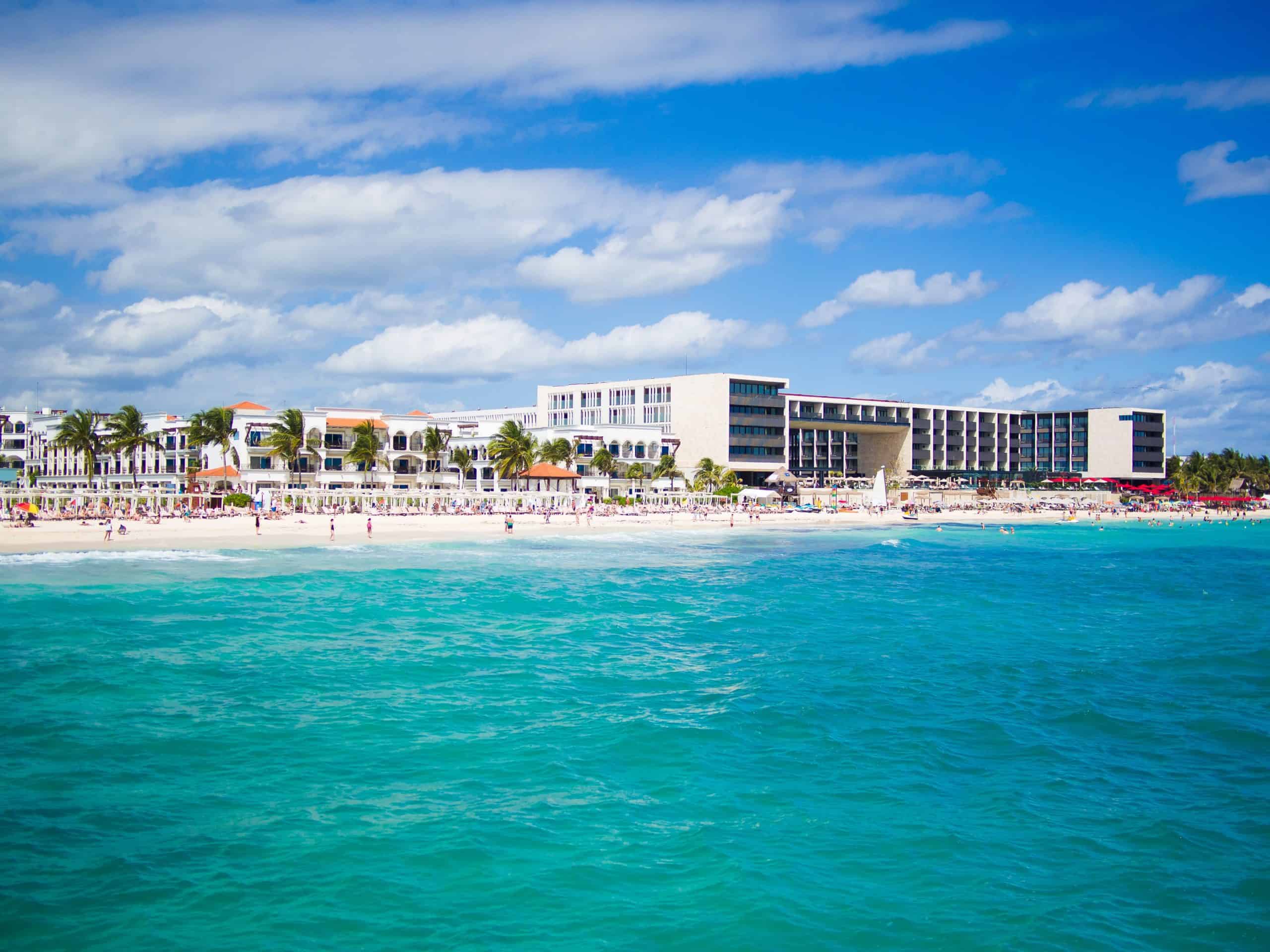
Monthly Cost: $1,200–$1,800
Why Go: Beach life + digital nomad scene
Perks: Co-working spaces, Caribbean views, walkability, lively nightlife
9. Lviv, Ukraine (subject to geopolitical conditions)

Monthly Cost: $700–$1,200
Why Go: Beautiful, affordable European-style city
Perks: Coffee culture, vibrant arts, low rent, high walkability
10. Bali (Ubud or Canggu), Indonesia

Monthly Cost: $1,000–$1,600
Why Go: Tropical, spiritual, remote work paradise
Perks: Jungle villas, yoga retreats, vegan cafés, affordable scooters
11. Istanbul, Turkey

Monthly Cost: $1,100–$1,700
Why Go: East meets West with endless things to explore
Perks: Great food, rich history, budget-friendly luxury
12. Granada, Nicaragua

Monthly Cost: $900–$1,300
Why Go: Colonial charm near lakes and volcanoes
Perks: Colorful homes, relaxed vibe, low costs, growing expat community
13. Split, Croatia

Monthly Cost: $1,500–$2,000
Why Go: Adriatic living with Roman ruins and sea views
Perks: Digital nomad visa, good infrastructure, beaches and history
14. Buenos Aires, Argentina

Monthly Cost: $1,000–$1,600
Why Go: A European-feeling city with Latin flavor
Perks: Steak and wine, tango culture, cafes, vibrant neighborhoods
15. Vilnius, Lithuania

Monthly Cost: $1,200–$1,800
Why Go: Clean, quiet, and great for solo travelers or digital workers
Perks: High-speed internet, affordable healthcare, forests & modernity
16. Penang, Malaysia

Monthly Cost: $900–$1,400
Why Go: Food capital of Southeast Asia with a laid-back lifestyle
Perks: Incredible street food, English widely spoken, strong infrastructure
17. Cali, Colombia

Monthly Cost: $800–$1,300
Why Go: The salsa capital with low costs and warm people
Perks: Active nightlife, coffee culture, affordable living
18. Prague, Czech Republic

Monthly Cost: $1,500–$2,000
Why Go: Fairytale architecture, strong expat scene
Perks: Public transport, beautiful parks, hearty food, safe and clean
19. Marrakech, Morocco

Monthly Cost: $900–$1,400
Why Go: Exotic markets, desert adventures, artisan lifestyle
Perks: Mint tea, vibrant souks, sunny climate, French influence
20. Kraków, Poland
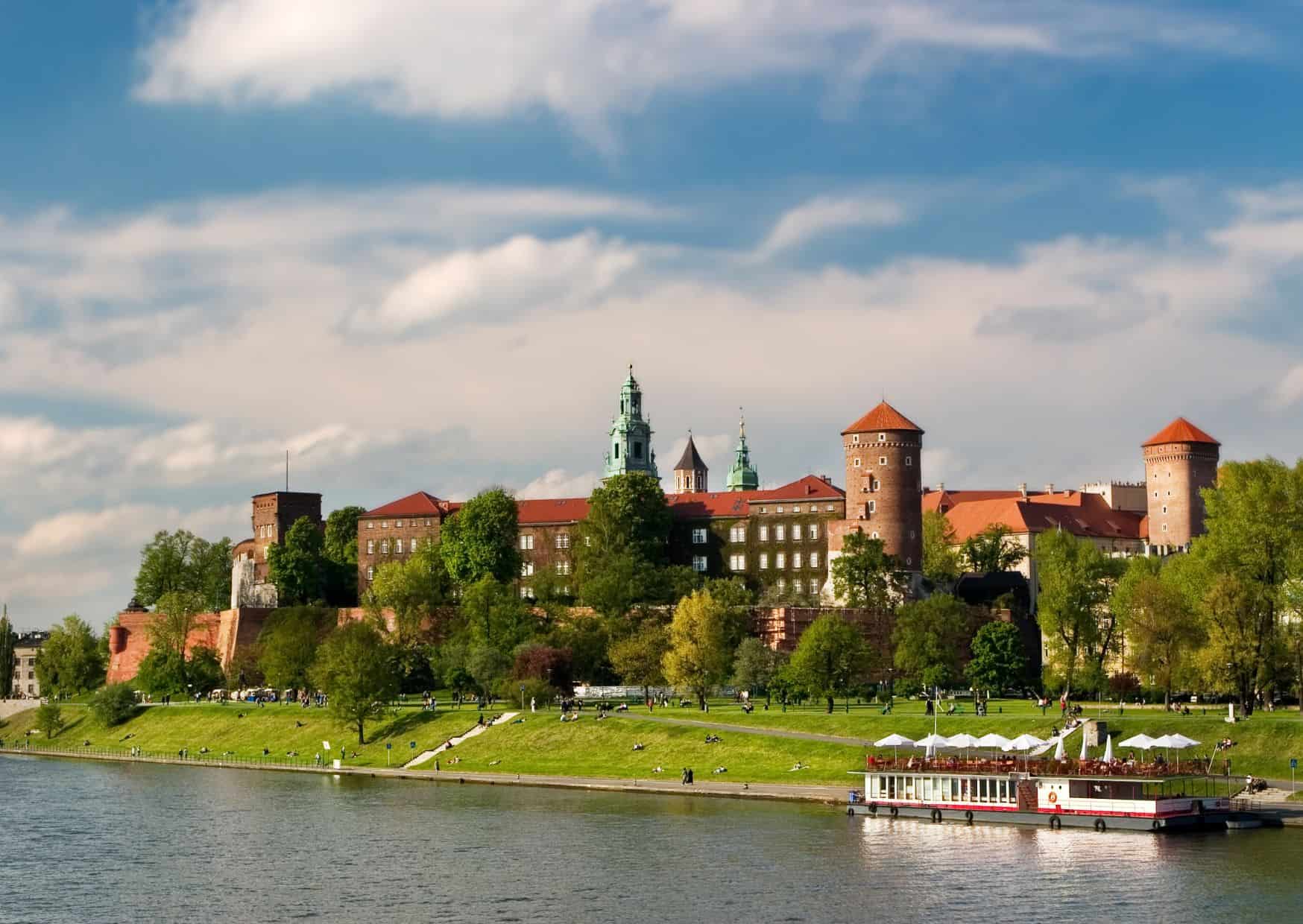
Monthly Cost: $1,200–$1,800
Why Go: Affordable yet modern European experience
Perks: Great transit, low crime, student-friendly, rich history
Why You Should Care and Follow
You should care because understanding where your money goes further can expand your options. If you are retired, working remotely, taking a sabbatical, or considering a long-term move, a lower-cost city can reduce the amount of income you need to maintain a comfortable lifestyle.
Following a realistic budget can also help you avoid one of the most common relocation mistakes: assuming that everything abroad will be cheap. Breaking down rent, groceries, utilities, transportation, healthcare, taxes, and entertainment gives you a much clearer picture than relying on a single monthly number.
There is also value in comparing neighborhoods rather than just cities. A destination may be affordable overall while its most popular expat districts are expensive. Looking slightly outside the obvious areas can create better value without sacrificing access to services and transportation.
You should also care about legal and practical costs. Residency permits, health insurance, deposits, setup fees, and tax obligations can change the real cost of living dramatically. These expenses may not show up in everyday budgets but can matter a lot over the first year.
Most importantly, caring about affordability can give you more freedom. Lower fixed expenses can leave more room for savings, travel, hobbies, or simply less financial stress. That can be more valuable than maximizing income while living in a place that consumes nearly all of it.
Why You Should Not Care and Follow Too Much
At the same time, you should not choose a city purely because it appears on a cheap-living list. Cost matters, but so do language, healthcare, climate, safety, social life, transportation, and whether you actually enjoy the place.
You should also avoid assuming that the $2,000 figure will stay accurate forever. Exchange rates, housing markets, inflation, and local policies change. A city that feels inexpensive today may become much more costly a few years from now.
There is no reason to force yourself into extreme frugality just to hit an arbitrary budget either. If staying under $2,000 requires living far from everything, skipping activities you enjoy, or constantly worrying about money, then the number is not serving you.
You should also be careful about comparing your budget with someone else’s. A single person, couple, family, retiree, and digital nomad can have completely different monthly expenses in the same city. Healthcare, school fees, transportation, and housing needs can change everything.
Ultimately, the goal should be sustainable value, not the lowest possible number. A slightly more expensive city that fits your lifestyle may be a much better choice than the cheapest place on the list.
Final Thoughts
Living well for less than $2,000 a month is possible in some cities, but the real opportunity is not just saving money. It is redesigning your cost structure so that more of your income supports the life you actually want.
The most affordable destinations tend to work best for people who are flexible. Using public transportation, eating local food, choosing neighborhoods carefully, and adapting to local habits can make a huge difference in how far a budget goes.
It is also important to separate temporary affordability from long-term suitability. A city can be perfect for six months and completely wrong for ten years. Healthcare, residency, community, and future costs matter more the longer you stay.
The smartest approach is to treat the $2,000 figure as a starting point rather than a promise. Research the real costs, build in a buffer, and make sure the city offers more than just cheap rent.
Ultimately, living large is not about spending the least money possible. It is about getting more quality of life from what you spend. If a city lets you feel secure, comfortable, connected, and financially flexible on a modest budget, that is where affordability becomes genuinely meaningful.

About the Author: Ruben, co-founder of Gamintraveler.com since 2014, is a seasoned traveler from Spain who has explored over 100 countries since 2009. Known for his extensive travel adventures across South America, Europe, the US, Australia, New Zealand, Asia, and Africa, Ruben combines his passion for adventurous yet sustainable living with his love for cycling, highlighted by his remarkable 5-month bicycle journey from Spain to Norway. He currently resides in Spain, where he continues sharing his travel experiences with his partner, Rachel, and their son, Han.