
Last updated on November 16th, 2026 at 08:10 pm
And Why What Seems Strange on the Plate Is Actually a Window Into French Culinary Philosophy
For Americans visiting France for the first time, the food is usually one of the biggest draws. The pastries, the wine, the cheeses all live up to the reputation. But somewhere between the morning croissant and the dinner coq au vin, there’s a moment of pause. A moment where something is placed on the table that doesn’t make sense.
It’s not the portion size.
It’s not the lack of ice in the drink.
It’s not even the absence of condiments.
It’s this:
A green salad.
Served after the main course.
Sometimes even after the cheese.
And never with dressing.
To most Americans, it’s baffling.
Why would anyone serve a salad at the end of the meal, when everyone is full and dessert is on its way?
And what is this vinaigrette with no ranch, no creamy drizzle, no croutons?
But to the French, this isn’t odd. It’s part of the logic of eating a quiet ritual that, once understood, reveals an entirely different way of thinking about digestion, balance, and the role food plays in daily life.
Here’s why this French food combination surprises Americans and why, by the end of your trip, you may not want to eat any other way.
Want More Deep Dives into Everyday European Culture?
– Why Europeans Walk Everywhere (And Americans Should Too)
– How Europeans Actually Afford Living in Cities Without Six-Figure Salaries
– 9 ‘Luxury’ Items in America That Europeans Consider Basic Necessities
Quick Easy Tips
Keep an open mind and be willing to try pairings that might seem unfamiliar.
Remember that balance is key French cuisine often focuses on contrasts like sweet and savory or creamy and crisp.
Ask servers or locals for recommendations to discover authentic combinations.
Try smaller portions when tasting something new to ease into unfamiliar flavors.
Don’t compare everything to American food traditions embrace the differences.
One controversial truth is that Americans often assume unfamiliar food combinations are strange before they actually taste them. The judgment usually comes from expectation rather than flavor. If two foods are not commonly served together in the United States, the pairing can sound wrong even when the flavors complement each other perfectly.
Another uncomfortable point is that American food culture is not nearly as neutral as people sometimes imagine. Peanut butter and jelly, chicken and waffles, maple syrup with bacon, or sweet sauces on savory meat can sound equally unusual to someone who did not grow up with them. What feels normal is often just what you learned early enough not to question.
There is also a tendency to treat French food customs as sophisticated simply because they are French. That can be just as misleading as dismissing them as weird. A traditional pairing may be delicious, but it is still just a cultural preference. Not every French combination is automatically refined, healthy, or superior.
Another controversial issue is that food rules are often more flexible than travel articles suggest. France has strong culinary traditions, but people still have individual tastes. Younger generations, regional differences, family habits, and modern food trends all influence what people actually eat. A pairing that is common in one region may be much less important somewhere else.
The broader lesson is that food combinations are rarely universal. They reflect history, agriculture, climate, family traditions, and cultural memory. Once you understand that, the question changes from “Why would anyone eat these together?” to “What makes this combination work within this culture?”
1. The Salad Isn’t a Starter It’s a Reset
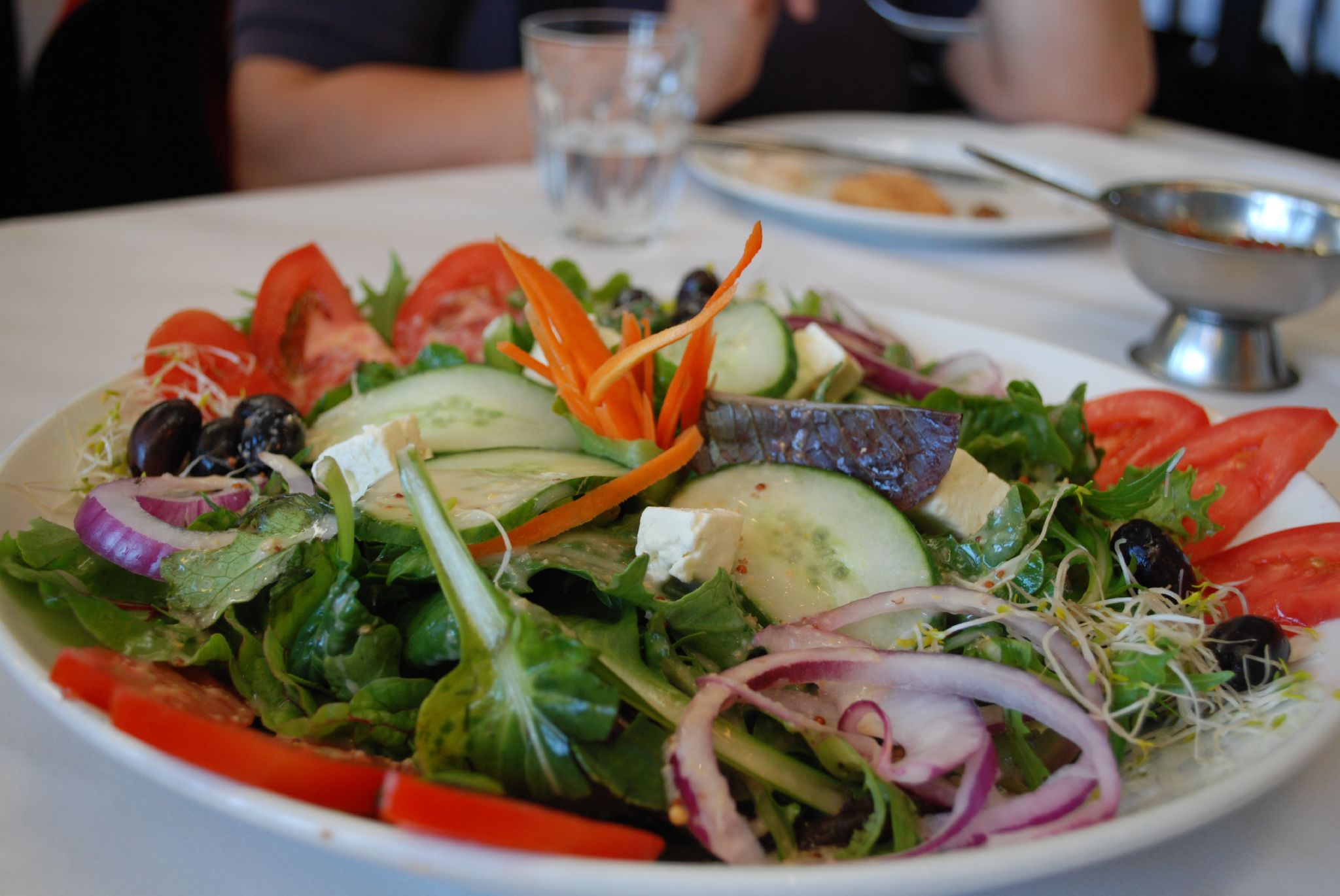
In the U.S., salads are usually an opening act. They arrive before the main dish, sometimes piled high with protein, croutons, cheese, nuts, fruit, and a dressing that serves more like a sauce than a light touch.
In France, a salad at the end of the meal functions differently. It’s not there to impress or to add vegetables to your day.
It’s there to:
- Clean the palate
- Lighten the body
- Signal the transition between courses
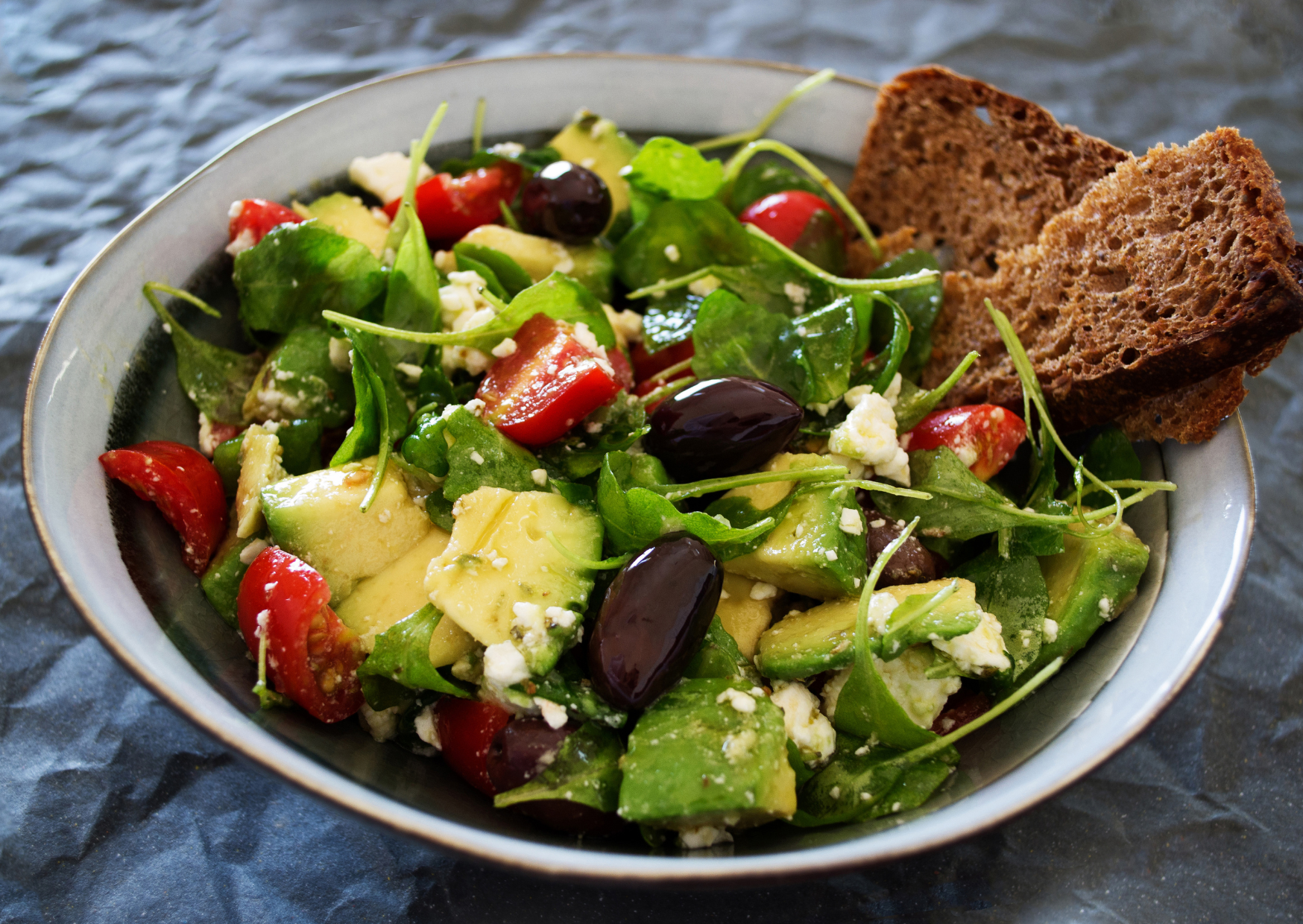
A simple green salad usually frisée, mâche, or butter lettuce with a light vinaigrette serves as a kind of culinary breath before moving on to cheese or dessert.
The body doesn’t feel stuffed.
It feels… realigned.
2. It’s Not About Nutrition It’s About Balance
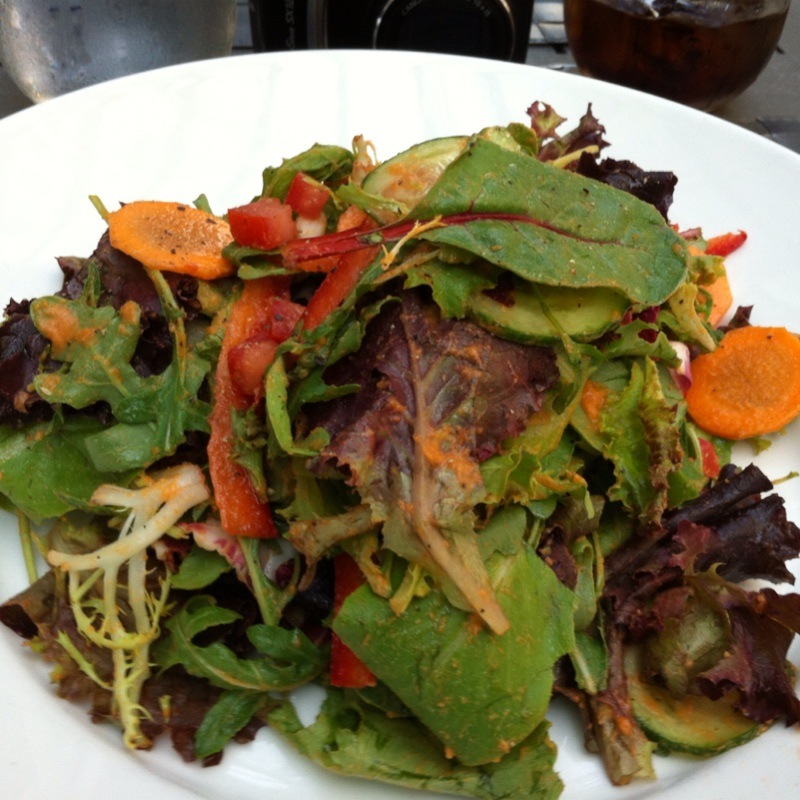
In the U.S., the word “salad” often means a health strategy. It’s ordered to offset guilt. To reduce calories. To add fiber. To check the box.
In France, food isn’t moralized this way.
The end-of-meal salad doesn’t exist to make the meal “healthier.” It exists to make it complete. It gives your stomach something cool and light to end with, after richer dishes like boeuf bourguignon, confit de canard, or creamy gratins.
The idea isn’t subtraction it’s equilibrium.
This is why the salad isn’t piled with toppings or dressed heavily. It’s not the star. It’s the reset.
3. It Helps With Digestion And the French Trust That
Ask a French person why salad comes at the end of the meal and they may simply say, “Parce que ça aide à digérer” because it helps you digest.
This isn’t pseudoscience. It’s traditional knowledge, passed down through generations, rooted in the idea that food has rhythm and your body responds best when you follow it.
A light, slightly acidic salad (usually with vinaigrette made from mustard, wine vinegar, and oil) wakes the stomach back up just enough to handle cheese or wine or coffee without making you feel bloated or heavy.
In France, digestion isn’t something you fight with antacids.
It’s something you support with timing, pacing, and meals that know how to end well.
4. It Comes Without Fuss or Choices
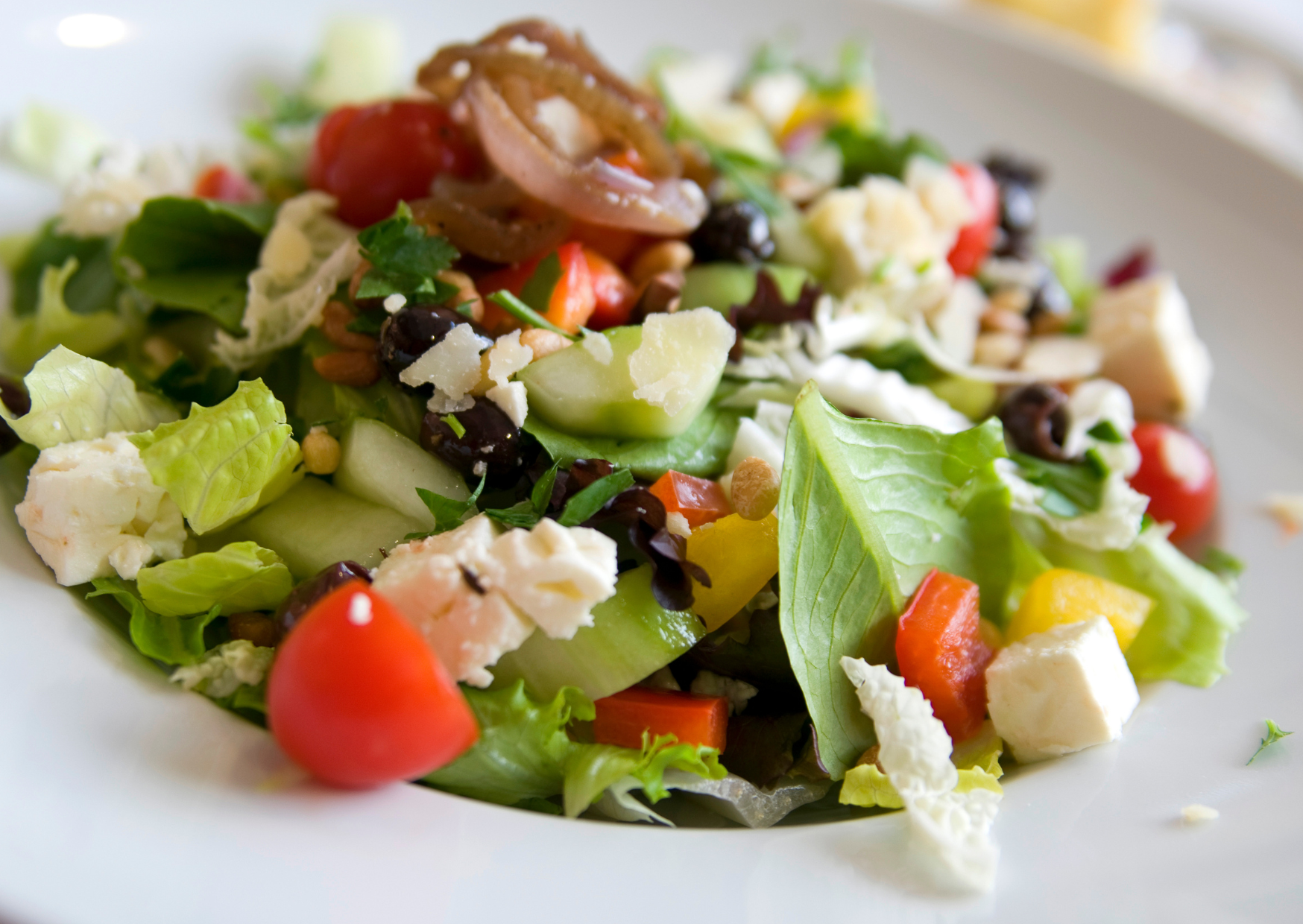
An American restaurant might offer a dozen salad options. Cobb. Caesar. Chef. Spinach. Kale. All customizable.
In France, if you’re served salad at the end of the meal, it will likely be:
- One type of green
- Light vinaigrette already tossed in
- Nothing else
You don’t get to pick the lettuce. You don’t ask for ranch. You don’t get it on the side.
This simplicity is part of the point.
The salad isn’t about taste preference. It’s about structure.
In the same way you wouldn’t ask to rearrange the order of a symphony, you don’t move the salad to the beginning. You let it do its work — where it belongs.
5. It Can Follow the Cheese or Precede It
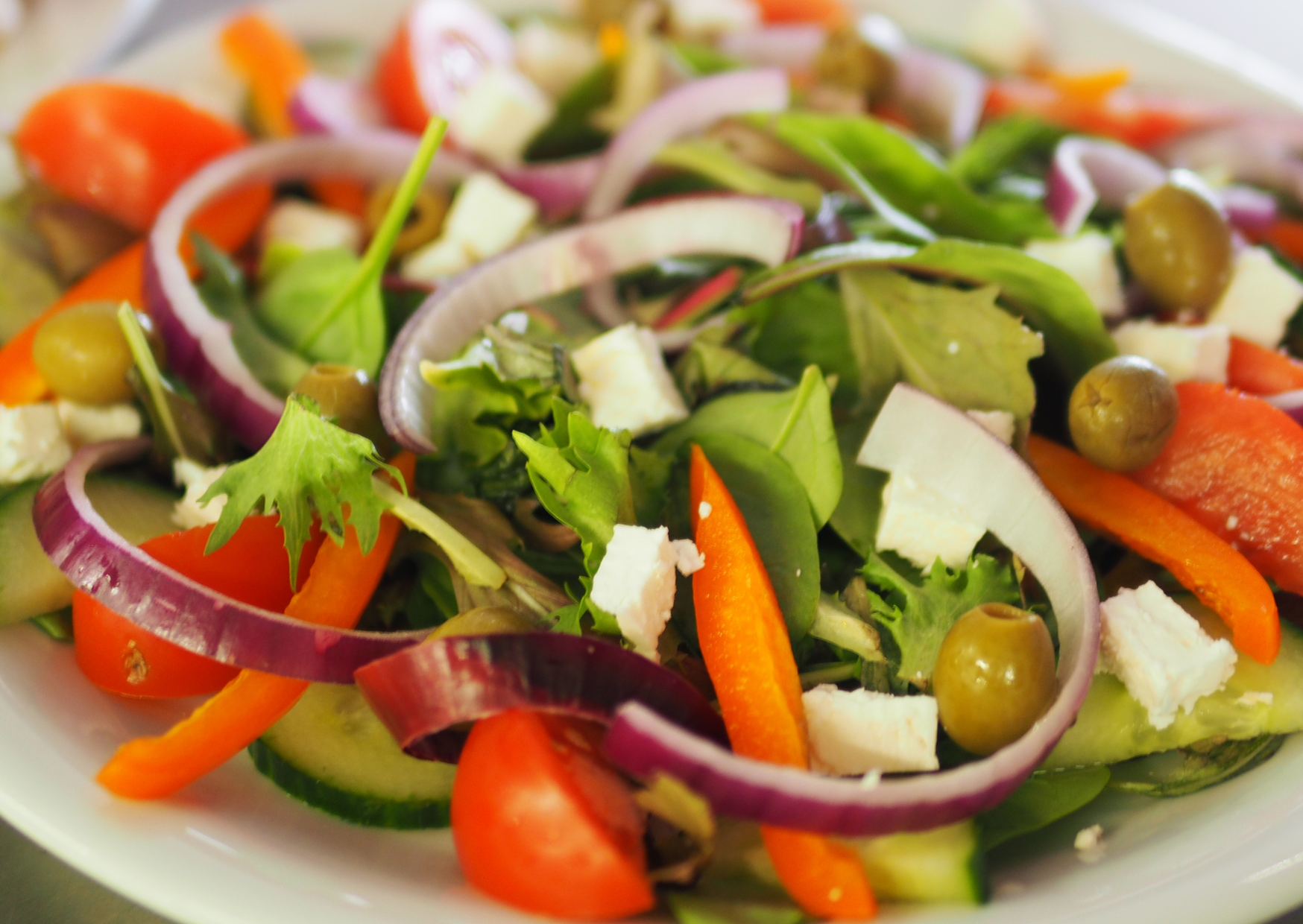
One of the more unusual moments in a French meal is figuring out when, exactly, the salad appears because it’s not always in the same spot.
Sometimes it comes:
- After the main course
- With the cheese
- Right before dessert
- As a standalone “cleanser” course
It depends on the host, the region, the tradition.
To Americans, who like consistency in restaurant experiences, this feels disorganized.
To the French, it’s a sign that meals are living things, not formulaic products.
You learn to trust the sequence.
And when the salad arrives, you welcome it.
6. It Doesn’t Come With Rules It Comes With Rhythm
In America, food timing is often dictated by convenience, not physiology. Eat fast. Eat early. Eat whatever fits between meetings.
In France, meals have a rhythm and salad plays its role.
That rhythm looks something like this:
- Apéro (a light drink and snack)
- Entrée (a small starter)
- Plat principal (main course)
- Salad (to lighten the meal)
- Fromage (cheese course)
- Dessert
- Coffee
Salad is the hinge.
It’s the moment the meal tilts from savory to sweet, from fullness to ease.
You don’t rush through it. You don’t skip it.
It’s the brief pause that lets you keep going.
7. It Reflects a Different Idea of Fullness
In the U.S., fullness is often treated like a joke.
“I’m so stuffed I can’t move.”
“Roll me out of here.”
“Food coma.”
In France, that kind of over-fullness is considered poor form. It suggests a lack of pacing, a lack of listening to your body.
The salad course helps prevent that.
It tells the body: you’re not being rushed. You’re being taken care of. The richness of the meal is now balanced with something crisp, cool, and acidic.
It’s not about eating less.
It’s about feeling better when you’re done.
8. It Has Nothing to Do With Guilt
Americans often tie salad to guilt. You had too many fries? Eat a salad tomorrow. You feel “bad” about what you ate? Cleanse with greens.
In France, that logic doesn’t apply. There’s no guilt in eating cheese, butter, cream, or bread. Because these things are tempered by ritual, rhythm, and simplicity.
The end-of-meal salad isn’t repentance. It’s a gesture of grace.
You enjoyed the main dish. Now enjoy the reset. No punishment. No inner scolding. Just another step in the dance of the meal.
9. Once You Adapt, You May Never Go Back
At first, the post-main-course salad feels strange. Out of place. Maybe even unwelcome. But by the end of your first trip to France, something changes.
You begin to crave that lightly dressed frisée.
You wait for that cooling pause.
You feel what it does to your body.
And when you return home and eat a heavy meal without it?
Something feels missing.
That’s when you know:
The French weren’t being quaint.
They were being smart.
They’ve built a meal structure that isn’t just about food it’s about feeling good while living well.
Why You Should Care and Follow
You should care because trying unfamiliar combinations is one of the easiest ways to understand a culture through food. A famous restaurant can be impressive, but a simple pairing that locals eat without thinking can often teach you more about everyday habits.
Following local combinations can also improve your palate. Foods that seem strange together at first can reveal new balances between salt, fat, sweetness, acidity, and texture. Once you understand why the pairing works, you may start noticing similar combinations elsewhere.
There is also a practical benefit. When you stop judging unfamiliar food immediately, you become a more flexible traveler. That makes it easier to order, accept recommendations, and enjoy meals without constantly comparing them with what you would eat at home.
Trying traditional pairings can also help you appreciate ingredients differently. A cheese, bread, fruit, or condiment may taste ordinary on its own but become much more interesting when combined in the way locals intended.
Most importantly, caring about these details encourages curiosity. Travel becomes more rewarding when you ask why people eat something rather than assuming it is strange. That mindset can turn an ordinary meal into one of the most memorable parts of a trip.
Why You Should Not Care and Follow Too Much
At the same time, you should not force yourself to like a combination just because it is traditional. Cultural curiosity does not mean pretending every local habit is delicious. Taste is personal, and it is perfectly fine to try something once and decide it is not for you.
You should also avoid treating one pairing as representative of all French cuisine. France is extremely regional, and food traditions vary dramatically between the north, south, coast, mountains, and major cities. One combination cannot summarize an entire national food culture.
It is also important not to over-romanticize authenticity. A dish does not become better simply because locals eat it. Some traditional foods are simple, ordinary, or acquired tastes, and that is part of what makes them interesting.
You should not become obsessed with eating “correctly” either. Food rules can make travel feel stressful if you treat every meal like a cultural exam. Most people care far more about whether you enjoy the food than whether you follow every traditional pairing perfectly.
Ultimately, the goal is openness rather than imitation. Try the combination, understand why it exists, and keep it if you enjoy it. If not, move on without turning the difference into a judgment about the culture.
In the End, It’s Not the Salad It’s the Philosophy
To Americans, the salad at the end of the meal is odd.
To the French, it’s obvious.
Because meals in France aren’t transactional.
They’re structured, paced, and cared for.
Each course builds on the last. Each moment prepares for the next.
And the salad?
It’s not decoration.
It’s not virtue signaling.
It’s the turning point a green comma in the sentence of the meal.
It slows the body. Clears the mind. Prepares the palate.
And once you understand that,
you stop asking why it’s there
and start wondering why you ever skipped it.
The food combinations that surprise Americans in France are interesting because they reveal how subjective the idea of “normal” really is. A pairing can sound strange only because your own culture taught you to separate those flavors.
Once you taste it in context, the combination may suddenly make sense. The setting, ingredients, and cultural familiarity all contribute to how the food is experienced.
The best approach is to treat these moments as opportunities rather than tests. Try the food, pay attention to why the flavors work together, and resist the urge to compare everything immediately with home.
It is also worth remembering that food culture is constantly changing. Traditional combinations survive, but new habits and influences continue to reshape what people eat in France just as they do everywhere else.
Ultimately, the most valuable part of trying an unexpected French food combination is not deciding whether France does it better. It is realizing that taste is learned, flexible, and far more cultural than most of us think.

About the Author: Ruben, co-founder of Gamintraveler.com since 2014, is a seasoned traveler from Spain who has explored over 100 countries since 2009. Known for his extensive travel adventures across South America, Europe, the US, Australia, New Zealand, Asia, and Africa, Ruben combines his passion for adventurous yet sustainable living with his love for cycling, highlighted by his remarkable 5-month bicycle journey from Spain to Norway. He currently resides in Spain, where he continues sharing his travel experiences with his partner, Rachel, and their son, Han.