
Last updated on November 17th, 2026 at 01:31 pm
Portugal has become one of the most talked-about destinations for Americans and other foreigners considering a move abroad. The reasons are easy to understand: beautiful coastlines, historic cities, mild weather, strong food culture, walkable neighborhoods, and a pace of life that can feel more relaxed than what many people are used to at home. From the outside, it can look like the perfect combination of affordability, lifestyle, and European access. But living somewhere is very different from spending two weeks there, and that is where the reality starts to become more complicated.
One of the biggest surprises is how quickly the vacation version of Portugal disappears once daily life takes over. Bureaucracy, housing, banking, healthcare access, transportation, taxes, language, and practical errands all become part of the experience. The beautiful views are still there, but so are the frustrating appointments, confusing paperwork, and ordinary responsibilities that come with building a life in another country.
There is also a huge difference between living in Lisbon, Porto, the Algarve, Madeira, or a smaller inland town. Costs, climate, transportation, social life, housing availability, and access to services can vary dramatically. Someone who thrives in central Lisbon may feel isolated in a rural area, while another person may find the city too expensive and stressful. Portugal is small geographically, but the lifestyle differences can be significant.
Another thing people rarely discuss enough is the emotional side of moving abroad. At first, everything feels exciting because even basic errands are new. Over time, that novelty fades, and the move becomes less about adventure and more about whether the daily routine actually suits you. That is usually when people start noticing the trade-offs they overlooked during the honeymoon phase.
The most useful way to think about living in Portugal is not as a dream or a mistake, but as a different set of compromises. Some people find exactly what they were looking for. Others discover that the things they gave up mattered more than expected. The important part is understanding the whole picture before assuming that a beautiful country automatically creates an easier life.
Read here best things to know before visiting Portugal, buying a Madeira sim card, best Portugal sim card for tourist and the best Portuguese food
Quick & Easy Tips
Start learning Portuguese now. Even basic phrases will ease daily life, as English is less common outside tourist hubs.
Prepare for bureaucracy delays. Always keep extra copies of documents and expect multiple appointments for simple processes.
Rent long-term housing in person. Online listings often look different in reality and can include hidden fees or outdated photos.
One controversial truth is that Portugal is not as cheap as its reputation suggests, especially in the places most foreigners want to live. Housing costs in desirable areas have changed significantly, and someone arriving with expectations based on old blog posts or pre-boom prices can be disappointed quickly. Daily expenses may still feel reasonable in some categories, but the overall budget can look very different once rent, utilities, insurance, transportation, and private services are included.
Another uncomfortable point is that some foreigners arrive expecting the country to adapt around them. English is widely spoken in many urban and tourist areas, but living long-term without learning Portuguese can still create barriers. Bureaucracy, healthcare, neighborhood relationships, and local services become much easier when you can communicate beyond the basics. Expecting everyone to operate in English can turn convenience into dependence.
There is also a tendency to romanticize the slower pace of life until that slower pace affects something urgent. The same culture that feels refreshing when you are sitting at a café can feel frustrating when you are waiting for paperwork, repairs, appointments, or administrative responses. What feels relaxed in one context can feel inefficient in another, and both can be true at the same time.
Another controversial issue is that the expat bubble can make life abroad feel less integrated than people expect. It is possible to live in Portugal, socialize mostly with other foreigners, use English every day, and still feel disconnected from local life. For some people, that is comfortable. For others, it becomes one of the biggest disappointments after the excitement of moving fades.
The larger lesson is that moving to Portugal does not automatically fix the problems someone had at home. A new country can improve lifestyle, but it cannot guarantee happiness, belonging, financial security, or purpose. Those things still require work, and sometimes the move simply changes the environment around the same unresolved issues.
1. Yes, the Weather Is Great But It’s Not Always Beach Days
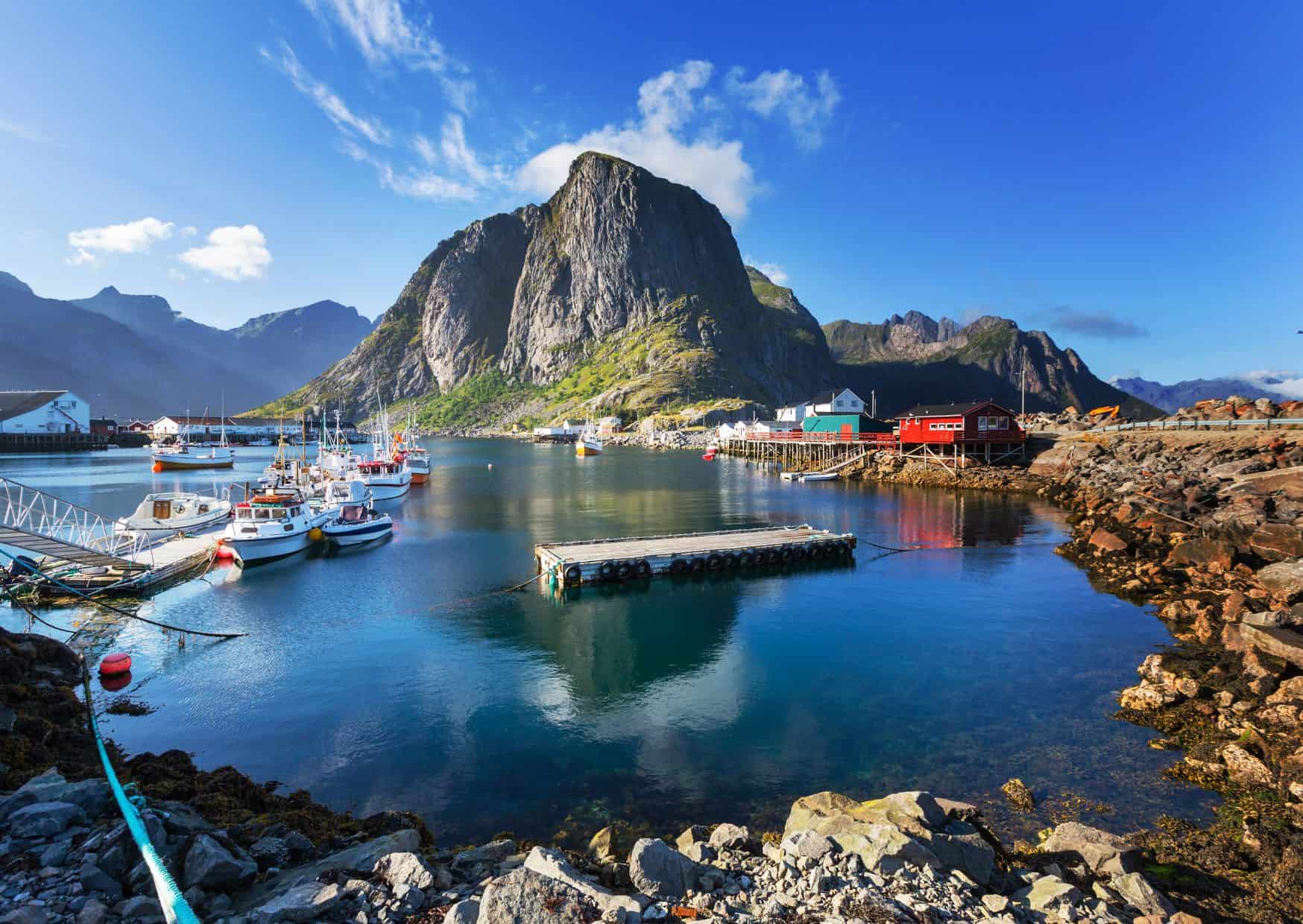
What you hear: 300+ days of sunshine!
What you don’t hear: Winters can be damp, grey, and cold especially inside.
Many Portuguese homes lack central heating.
In winter, homes can be colder inside than out. Expect to bundle up and invest in space heaters or thermal clothes.
Coastal fog and northern rains are real, especially in Porto or the Serra da Estrela region.
Tip: Choose your region carefully. The Algarve is warmer and sunnier year-round; the north gets more rain and cooler temps.
2. Renting a Home Isn’t as Simple as It Looks Online
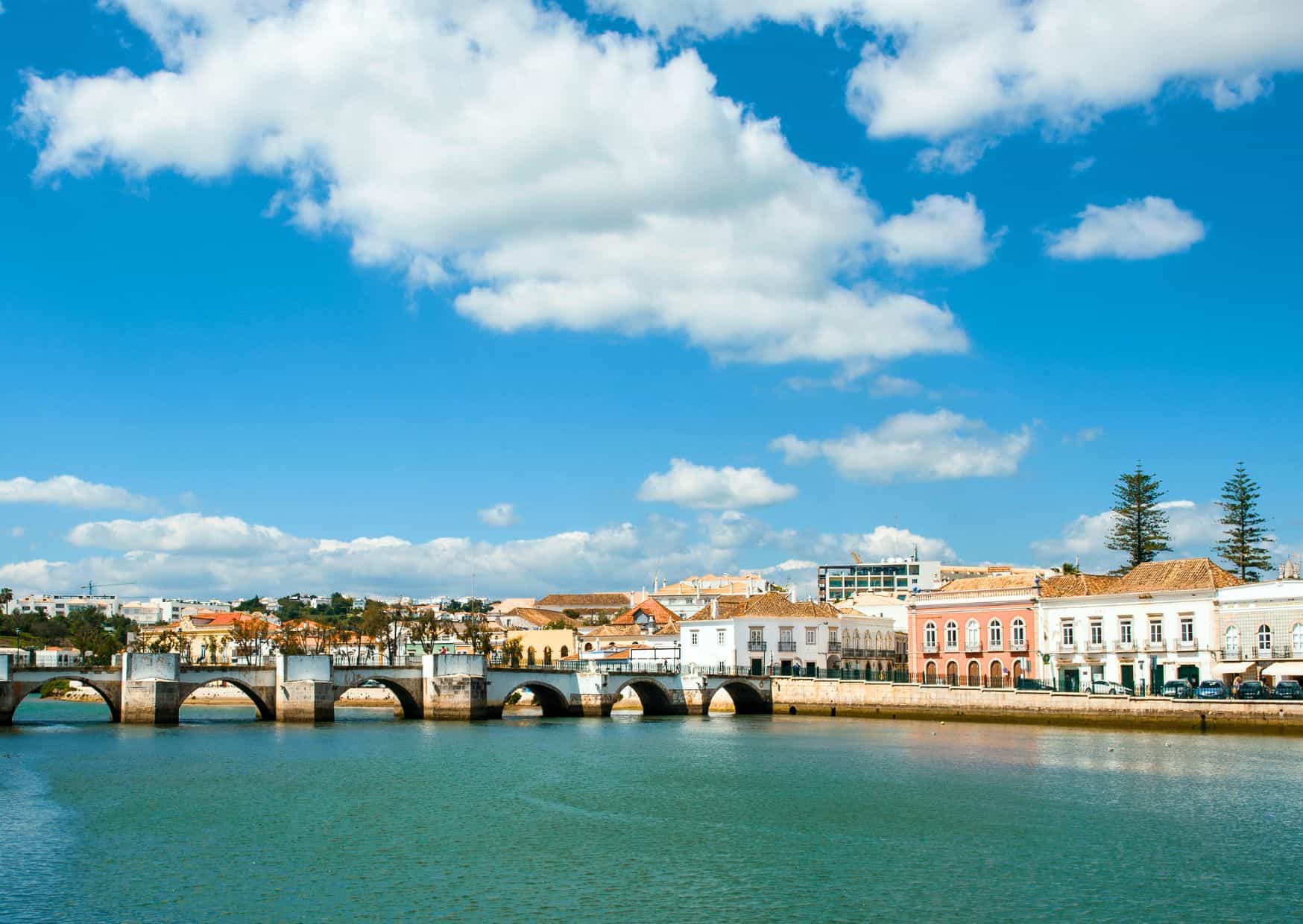
What you hear: Housing is affordable!
What you don’t hear: The rental market is competitive, underregulated, and often opaque.
Many listings are outdated, vague, or never make it online at all.
In popular cities, demand outweighs supply. Good apartments are often rented through personal connections.
Deposits can range from 2–6 months, and leases might favor landlords.
Apartments may come without heating, insulation, or basic appliances.
Tip: Use local groups, WhatsApp, or in-person visits to find real listings. Be ready to move fast and negotiate with care.
3. English Will Only Get You So Far
What you hear: Everyone speaks English!
What you don’t hear: Outside of major cities and tourist zones, Portuguese is essential.
At government offices, local markets, pharmacies, or clinics, Portuguese is the default.
Even in Lisbon or Porto, paperwork and bureaucracy are mostly in Portuguese.
Using the language, even a little, opens doors socially and professionally.
Tip: Start learning Portuguese as soon as possible. Locals will appreciate the effort, and it will ease your daily life dramatically.
4. Time Is Flexible, Bureaucracy Is Not
What you hear: Portugal is relaxed and low-stress.
What you don’t hear: Dealing with bureaucracy can be painfully slow and rigid.
Appointments are often delayed but documents must be perfect.
You may need to visit multiple departments, often in person, for simple tasks.
Booking a residency appointment (SEF), getting a NIF, opening a bank account, or registering for healthcare can take weeks or months.
Tip: Be patient. Bring copies of everything. Consider hiring a relocation consultant or lawyer for complex processes.
5. The Cost of Living Is Rising Fast

What you hear: Portugal is cheap!
What you don’t hear: Prices have risen significantly especially in major cities.
Rent in Lisbon and Porto is comparable to mid-tier U.S. cities now.
Electricity and gas prices are among the highest in Europe.
Eating out is still affordable, but groceries and fuel can be surprisingly expensive.
Tip: You can still live well on less but not everywhere. Consider smaller towns or the interior for lower costs.
6. Consumer Choice Is Limited (And That’s Not Always Bad)
What you hear: You’ll love the local lifestyle!
What you don’t hear: You may not find your favorite brands or gadgets or if you do, they’ll cost more.
Online shopping is limited compared to the U.S. or UK.
Amazon (PT) exists, but many items ship from Spain or Germany, with long delays.
That said, shopping local is common, with neighborhood bakeries, markets, and shops offering great quality.
Tip: Embrace the simplicity. Adjust your expectations—and learn to enjoy what’s available rather than what’s missing.
7. Healthcare Is Good but Bring Your Patience
What you hear: Healthcare is universal and cheap!
What you don’t hear: The public system can involve long waits and limited English.
The SNS (Serviço Nacional de Saúde) is reliable but overwhelmed.
Routine tests or specialist visits may take weeks or months.
Private healthcare is widely used and affordable, but varies in quality.
Tip: Get private health insurance for flexibility and faster access. Still register with the public system for emergencies.
8. The Food Is Fantastic If You Love Salt, Bread, and Meat

What you hear: Portuguese food is amazing!
What you don’t hear: It’s delicious, but not always diverse.
The cuisine is traditional: lots of grilled meat, bacalhau, potatoes, and bread.
Vegetarian and vegan options are growing but still limited in many areas.
Spices are mild; variety is local rather than international.
Tip: Cook at home if you crave variety. Farmers’ markets and ethnic shops are growing in big cities.
9. Driving Is an Adventure (And Not in a Fun Way)

What you hear: Portugal has great roads!
What you don’t hear: Driving styles can be aggressive, signage is confusing, and parking is a sport of its own.
In cities, lanes and rules are loosely interpreted.
In rural areas, narrow roads and old infrastructure can be tough for new drivers.
Tolls add up fast on highways, and fuel is expensive.
Tip: Use public transport in cities. If driving, rent a small car and use a toll transponder.
10. Community Is Strong But Takes Time to Enter
What you hear: The people are friendly and welcoming.
What you don’t hear: Friendship and trust take time.
Locals are polite and helpful, but social circles are close-knit.
Don’t expect instant friendships especially in smaller towns.
If you invest time, language, and consistency, the connections you make will be deep and lasting.
Tip: Join clubs, volunteer, take classes, and show up regularly. Portugal rewards presence over performance.
Why You Should Care and Follow
You should care because understanding these realities before moving can save you from expensive mistakes. Housing deposits, visa costs, legal fees, moving expenses, furniture, transportation, and setup costs can add up quickly. A realistic budget is much more useful than one built around outdated assumptions about cheap European living.
Following practical advice can also help you choose the right region. Portugal offers very different lifestyles depending on where you live, and choosing based only on photos or short vacations can be risky. Think carefully about weather, public transport, healthcare access, airport connections, nightlife, community, and how often you want to drive.
There is also value in preparing for bureaucracy before you arrive. Documents, appointments, registrations, banking, insurance, and residency-related obligations can take time and patience. Knowing what to expect can reduce stress and prevent you from interpreting every delay as a crisis.
You should also care about language and social integration. Even basic Portuguese can make everyday life smoother and show respect to the people around you. It can help you move beyond the expat bubble and build a more grounded relationship with the country.
Most importantly, caring about the less glamorous parts of the move helps you make a better decision. If you still want to live in Portugal after understanding the trade-offs, your expectations are likely to be much healthier. That can make the transition far more sustainable.
Why You Should Not Care and Follow Too Much
At the same time, you should not let every warning convince you that moving to Portugal is a bad idea. Negative stories often travel faster than ordinary success stories, and many people build happy, stable lives there without dramatic problems.
You should also avoid assuming that someone else’s experience will be yours. A retiree, remote worker, family with children, and young professional will experience Portugal differently. Income, location, language ability, and expectations all change the outcome.
There is no reason to expect perfection either. Every country has bureaucracy, rising costs, frustrating systems, and cultural differences. Comparing Portugal with an idealized version of home or with a perfect fantasy destination will almost always create disappointment.
You should also be careful about overplanning. Research matters, but no amount of preparation can predict every detail of living abroad. Some things only become clear once you are there, and flexibility is just as important as information.
Ultimately, the goal is not to eliminate every risk before moving. It is to understand the major trade-offs well enough that you can adapt when reality differs from the plan.
Final Thoughts: A Life You Build, Not Just Move Into
Portugal is not a postcard it’s a real country with complexity, character, and culture. Life here can be slower, simpler, and more grounded—but also requires patience, flexibility, and humility.
Portugal can offer an excellent quality of life, but it works best for people who understand what they are actually moving toward. The beaches, weather, food, and slower pace are real, but so are the bureaucracy, housing challenges, language barriers, and cultural adjustments.
The biggest mistake is treating relocation like an extended vacation. Living abroad means dealing with ordinary life in a different system, and those ordinary details matter more over time than the postcard moments.
The smartest approach is to research deeply, budget conservatively, and choose location carefully. Try to understand the lifestyle beyond the tourist version before making a major commitment.
It is also worth remembering that a successful move is not measured by whether everything is easier than home. It is measured by whether the trade-offs make sense for the life you want.
Ultimately, Portugal can be a wonderful place to live, but it is not a shortcut to a perfect life. The people who tend to adapt best are the ones who arrive curious, realistic, flexible, and prepared to accept both the benefits and the inconveniences.

About the Author: Ruben, co-founder of Gamintraveler.com since 2014, is a seasoned traveler from Spain who has explored over 100 countries since 2009. Known for his extensive travel adventures across South America, Europe, the US, Australia, New Zealand, Asia, and Africa, Ruben combines his passion for adventurous yet sustainable living with his love for cycling, highlighted by his remarkable 5-month bicycle journey from Spain to Norway. He currently resides in Spain, where he continues sharing his travel experiences with his partner, Rachel, and their son, Han.