
Last updated on November 15th, 2026 at 10:32 am
And What That Reveals About Daily Life, Cultural Values, and a Very Different Idea of “Enough”
French spending habits can look surprisingly different from American ones, especially when it comes to everyday purchases. In the United States, convenience, upgrades, subscriptions, large homes, frequent replacements, and impulse spending are deeply woven into daily life. In France, many households tend to be more selective about what is actually worth paying for. That does not mean French people never spend money or that everyone lives frugally, but there is often a stronger instinct to question whether a purchase genuinely improves daily life.
One of the biggest differences is that spending less does not always mean living with less quality. French consumers may spend heavily on certain things they value, such as food, clothing, travel, or home life, while being extremely restrained in categories they consider unnecessary. That contrast can be confusing to Americans because the French approach is often less about cutting everything and more about being selective about what deserves money in the first place.
This mindset can show up in small choices that add up over time. Instead of constantly upgrading devices, replacing perfectly usable items, paying for convenience at every opportunity, or buying more because something is on sale, many people prefer to keep what works and spend more intentionally. The result can be a lifestyle that looks less consumption-driven without necessarily feeling deprived.
There is also a cultural difference in the way status is displayed. In some American settings, success is communicated through size, quantity, newness, and visible upgrades. French culture can place more emphasis on quality, taste, longevity, and restraint. A smaller wardrobe with better pieces may be preferred to a closet full of trends, just as a simple meal made with good ingredients may be valued more than an expensive convenience product.
The point is not that French people have discovered a perfect financial formula. They overspend, make impulsive purchases, and disagree about money just like everyone else. The interesting lesson is that they often question categories Americans take for granted. Looking at those differences can reveal how much of our spending is driven by habit rather than real need.
Looking for More Travel & Culture Reads?
– They Don’t Work 24/7: 5 Vacation Customs in Europe That Drive Americans Crazy
– 7 Dress Code Shocks Americans Face in Italy
– 9 European Beach Habits That Shock First-Time Tourists
Quick Easy Tips
Audit your recurring subscriptions once every few months. Many people in high-spending economies accumulate digital services they rarely use.
Prioritize quality over quantity for frequently used items. Buying fewer, better-made goods often reduces replacement costs over time.
Cook at home more consistently during the week. Even modest shifts away from frequent takeout can create noticeable monthly savings.
Track convenience spending for one month. Seeing the total spent on delivery fees, rush services, and impulse purchases can be surprisingly revealing.
One controversial truth is that Americans often do not realize how much money leaks out through convenience. Delivery fees, premium subscriptions, constant upgrades, app-based services, packaged foods, and paid shortcuts can feel too small to matter individually. Together, they can become a major part of the household budget. French spending habits can seem restrictive by comparison because the baseline expectation for convenience may simply be lower.
Another uncomfortable point is that more choice does not always create more satisfaction. American consumers are surrounded by endless versions of nearly everything, and that can encourage constant comparison and upgrading. French consumers may be more willing to choose one good option, keep it longer, and stop thinking about it. That can reduce spending and mental clutter at the same time.
There is also a difference between being frugal and being cheap. French households may spend a lot on a product they believe will last while refusing to spend repeatedly on low-quality replacements. To an outsider, paying more upfront can look extravagant. Over time, it can be the less expensive choice.
Another controversial idea is that some American spending is not really about comfort or quality at all. It is about keeping up. Bigger homes, newer cars, more frequent upgrades, and more visible consumption can become social expectations rather than personal preferences. Once a culture normalizes that level of spending, opting out can feel strange even when it makes financial sense.
The bigger lesson is that spending habits are cultural before they are financial. People often assume they are making individual decisions, but those choices are heavily influenced by what everyone around them considers normal. Looking at French habits can make some American expenses suddenly look much less inevitable.
1. Fast Fashion and Endless Clothing Options
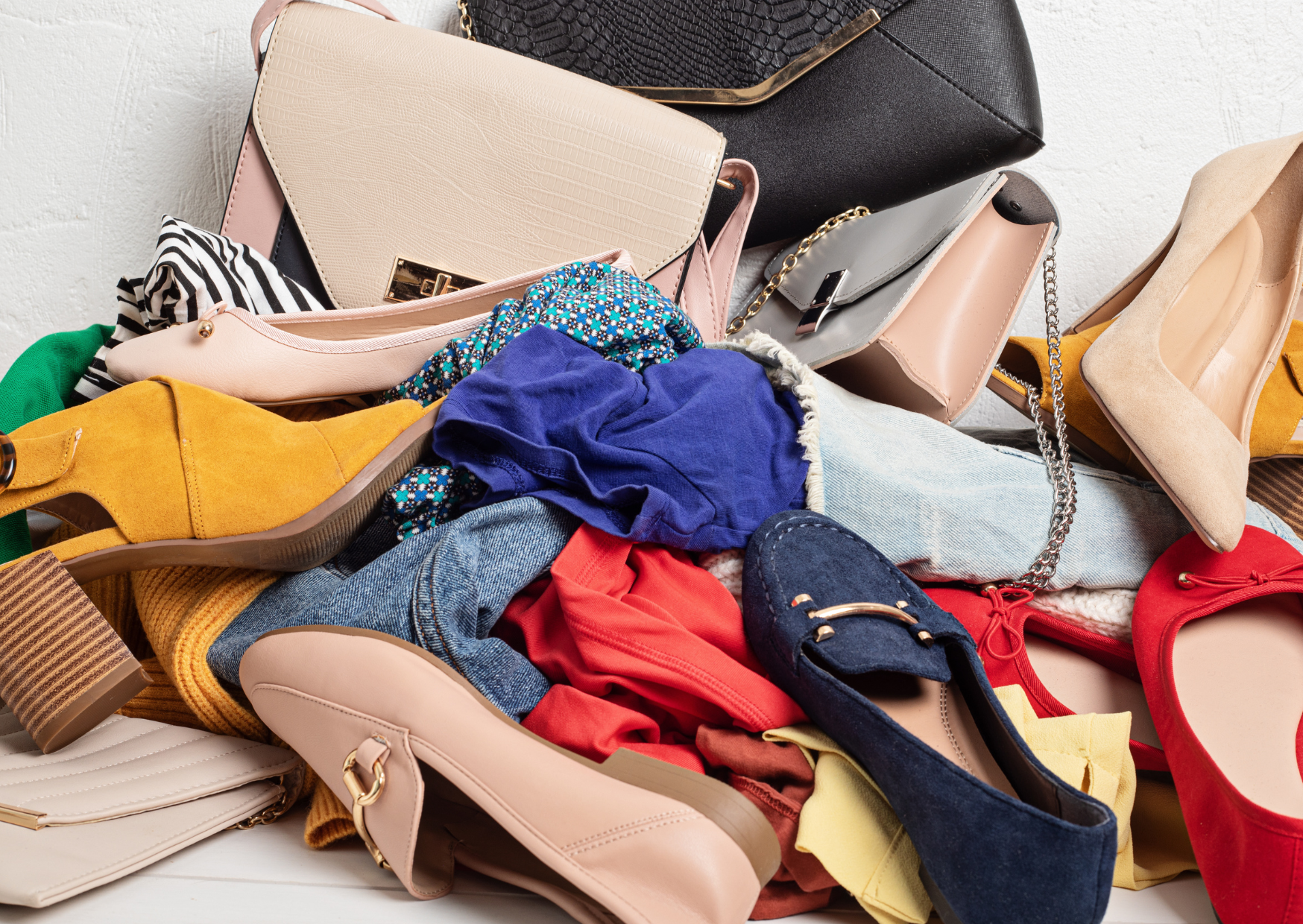
In America, it’s normal to have a closet bursting with clothes: gym wear, office wear, casual Friday wear, summer sandals, fall boots, coats for every temperature. Fast fashion makes it cheap and easy to keep buying.
In France, the idea of buying five new shirts just because they’re on sale feels absurd.
French wardrobes are often small and repeatable. People wear the same high-quality items again and again and they don’t apologize for it.
A woman might wear the same neutral trench coat for ten years. A man might rotate three shirts and one pair of boots all winter. The key is care and fit, not volume.
There’s no shame in outfit repeating. In fact, it’s respected.
2. Constantly Upgrading Electronics

Americans are used to refreshing their phones every two years, buying the latest smartwatch, or switching laptops because the screen feels “a little slow.” New tech is a routine expense.
The French approach electronics differently.
They often:
- Keep their phones for five years or more
- Repair cracked screens instead of replacing devices
- Use one shared TV for the household
- Avoid smart home gadgets unless necessary
There’s no status tied to owning the latest iPhone. In many French homes, you’ll find an old-but-functional laptop, a tablet used by the kids, and nothing more.
If something works, you don’t replace it.
3. Gym Memberships and Boutique Wellness

Boutique gyms, yoga studios, wellness apps, organic supplements Americans spend heavily to stay fit and healthy, even when they don’t use half of what they pay for.
The French approach health differently. They walk. They bike. They eat modest portions. And if they need professional health support, they go to the doctor because healthcare is accessible and not tied to lifestyle brands.
You won’t find many French people paying $200/month to attend a scented pilates class followed by a green juice.
They’re not chasing fitness trends. They’re just moving regularly, eating in balance, and keeping wellness boring and cheap.
4. Oversized Homes and Storage

Many Americans live in houses with garages, basements, walk-in closets, and entire rooms devoted to stuff they don’t use. The average U.S. home has more than 2,000 square feet. In France, homes are often half that size.
Which means French people simply don’t buy what they can’t store.
They’re not trying to fill walls or decorate every empty surface. If they buy furniture, it’s usually timeless, functional, and expected to last decades not one season.
The idea of a “seasonal decor refresh” doesn’t exist. A French living room looks like it was set up once, not re-styled every spring.
5. Daily Takeout Coffee and Drive-Thru Culture
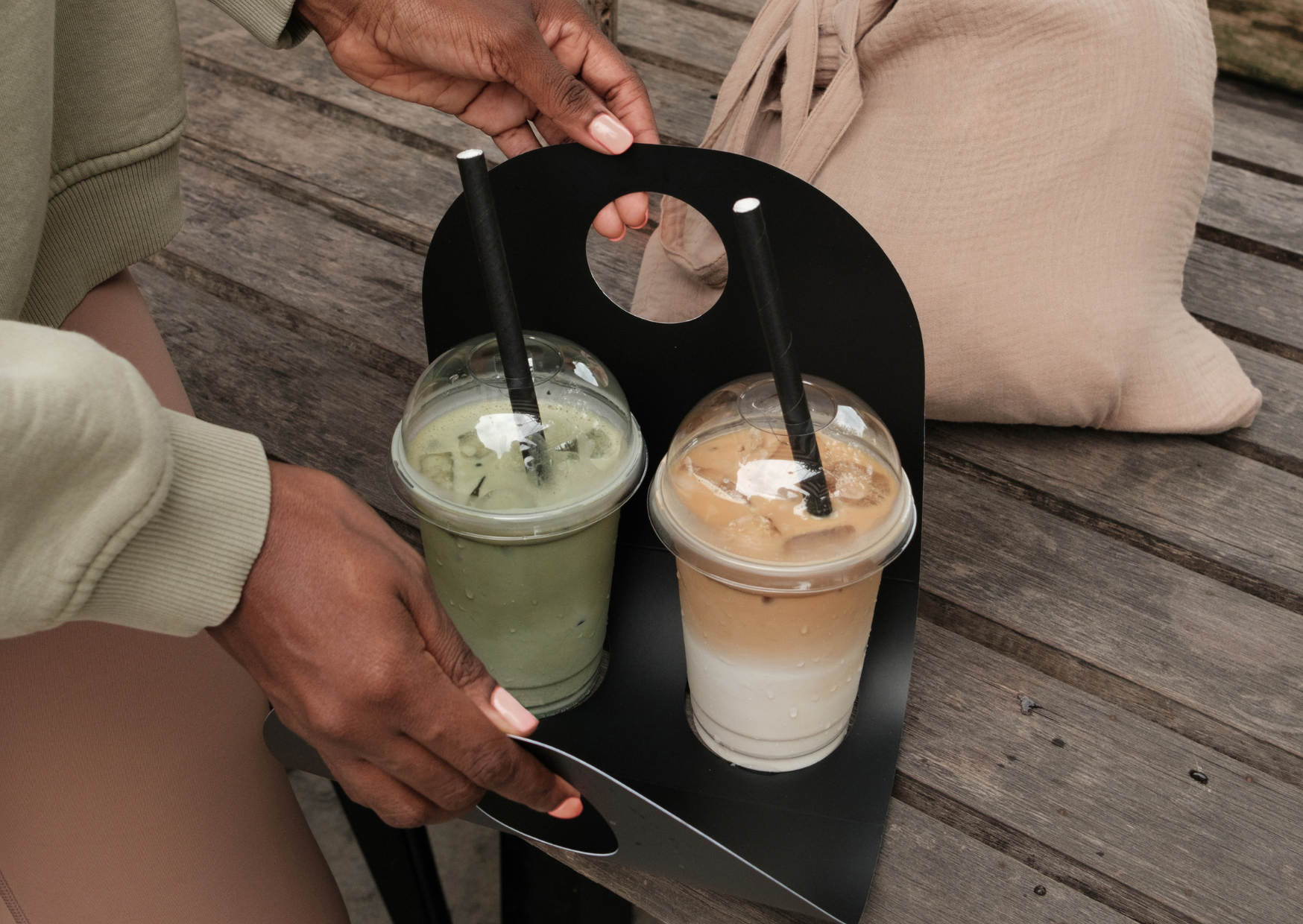
In the U.S., buying coffee on the go is a daily habit. Lattes, cold brews, frappes each easily $5 or more, often grabbed without much thought.
In France, most people drink coffee at home or at the bar.
At home, it’s a stovetop espresso or filter coffee. At the bar, it’s a single espresso small, quick, and usually under €2.
There’s no walking around with a giant iced coffee. No drive-thru queues for sugar-laced drinks. No reusable cup discounts to justify the habit.
Coffee is not a personality or a treat. It’s a routine, and it’s cheap.
6. Birthday Parties and Celebration Excess

American birthdays often mean bouncy houses, themed goodie bags, custom cakes, and expensive gifts even for kids turning six.
In France, birthdays are simpler.
For a child: cake at home, a few friends over, a gift or two. For an adult: a meal, maybe drinks, no giant fuss. You won’t see photo booths or balloon arches unless someone’s really breaking tradition.
French celebrations are about being together. Not about impressing, documenting, or outspending.
Even weddings are often far cheaper than their American counterparts and no one sees that as a problem.
7. Buying in Bulk and Overconsuming
Costco culture hasn’t quite arrived in France and not because people aren’t price-conscious.
It’s because most people don’t have space to store 12-packs of mustard, and more importantly, they don’t want 12 packs of mustard.
French shoppers buy small quantities, more often. They visit local markets. They avoid waste. They buy exactly what they’ll eat in the next few days.
Americans often spend to save per unit. The French just buy one good version of something and that’s it.
8. Gadgets and Kitchen Clutter
From air fryers and waffle makers to smoothie blenders and smart fridges, American kitchens are filled with gadgets many of which collect dust after the novelty fades.
French kitchens are often smaller and more analog.
You’ll find:
- A stovetop espresso maker
- A good chef’s knife
- A cast-iron pot
- A reliable oven
No Instant Pot. No air fryer. No drawer of specialty devices for every cuisine. Tools are few, but used often.
The goal isn’t to automate everything. It’s to cook well simply.
9. Multiple Cars and Driving as Default
In the U.S., many households have two or three vehicles even when public transit is an option. Teens get cars as birthday gifts. Driving is considered essential.
In France, cars are optional especially in cities.
A family might have one car. Many people don’t own one at all. Trains, metros, bikes, and walking are part of daily life.
A car is seen as a tool. Not an extension of identity. Not a second living room. Not a rolling tech suite.
And certainly not something worth sinking money into if you don’t need it.
Why You Should Care and Follow
You should care because even small changes in routine spending can create meaningful savings over time. Cutting one unnecessary subscription or delaying an upgrade may not feel dramatic, but repeated across several categories, those choices can have a real impact. The French approach is useful because it focuses on reducing waste without necessarily reducing enjoyment.
You should also care because intentional spending can make your priorities clearer. If you stop paying for things that add little value, you free up money for the things that matter more. That might be travel, better food, housing, savings, education, or simply more financial breathing room.
There is also a practical benefit to buying fewer, better things. Products that last longer create less replacement cost and less clutter. A wardrobe built around durable pieces, a kitchen stocked with useful basics, or a home that is not constantly being upgraded can be easier to manage as well as cheaper.
Following some of these habits can also reduce impulse spending. Pausing before buying, questioning whether something is actually needed, and avoiding purchases driven by boredom or trends can change your relationship with money. Those habits become especially useful when prices rise and household budgets feel tighter.
Most importantly, caring about these choices helps you spend according to your own values instead of defaulting to whatever your culture tells you is normal. That shift can be more powerful than any single budgeting trick because it changes the question from “Can I afford this?” to “Is this actually worth it?”
Why You Should Not Care and Follow Too Much
At the same time, you should not turn French spending habits into a rigid rulebook. What works for one household may not work for another. A convenience service that seems unnecessary to one person may be incredibly valuable to someone with children, a demanding job, limited mobility, or very little free time.
You should also avoid assuming that every French person is naturally frugal. Spending habits vary by age, income, region, family background, and personality. Cultural patterns are useful for comparison, but they are not universal truths.
It is also important not to become so focused on avoiding waste that you stop enjoying your money. Financial discipline is useful, but constantly denying yourself small pleasures can make budgeting feel punitive. The goal should be thoughtful spending, not deprivation.
You should not assume that paying more is always smarter either. Quality matters, but expensive products can be just as overhyped as cheap ones. Sometimes the simplest option is enough. Value depends on how often you use something, how long it lasts, and how much it improves your life.
Ultimately, the point is to borrow the habits that make sense and ignore the ones that do not. Financial advice works best when it fits your actual life. There is no prize for copying another culture perfectly.
The French Art of Spending Less Without Feeling Deprived
When Americans think about “cutting back,” it often feels like punishment. Deprivation. Going without.
But in France, spending less is part of the rhythm of daily life. It’s built into the systems. It’s expected, even admired.
You don’t need ten outfits to feel stylish. You don’t need a gadget for every kitchen task. You don’t need to mark every celebration with a massive bill.
You need enough and you need to enjoy what you already have.
The most useful lesson from French spending habits is not that you should stop buying things. It is that you should question what deserves your money. That small shift can make a surprising difference to both your finances and your daily life.
French restraint often works because it is selective. People may spend generously in one category while being extremely disciplined in another. That can be a more realistic approach than trying to cut everything at once.
The contrast also shows how much spending is shaped by expectation. Once you realize that another culture lives comfortably without paying for many things you consider essential, it becomes easier to question your own habits.
You do not need to reject convenience, upgrades, or small luxuries. You simply need to decide whether they are worth the trade-off. Every recurring expense is money that cannot be used somewhere else.
Ultimately, the smartest spending habit is not copying the French. It is learning to recognize waste in your own life. If a purchase adds real value, keep it. If it does not, letting it go can be one of the easiest ways to make your money work harder without making life feel smaller.

About the Author: Ruben, co-founder of Gamintraveler.com since 2014, is a seasoned traveler from Spain who has explored over 100 countries since 2009. Known for his extensive travel adventures across South America, Europe, the US, Australia, New Zealand, Asia, and Africa, Ruben combines his passion for adventurous yet sustainable living with his love for cycling, highlighted by his remarkable 5-month bicycle journey from Spain to Norway. He currently resides in Spain, where he continues sharing his travel experiences with his partner, Rachel, and their son, Han.