
Last updated on November 18th, 2026 at 05:20 pm
Between language barriers, baggage woes, and confusing customs forms, international airports can be minefields for unprepared travelers. One slip-up and you’re facing sky-high fees, security standoffs, or even a missed flight. Here are 7 big airport disasters people run into overseas, plus the savvy moves that help you sail through drama-free.
Want More Travel Survival Tips?
– 7 Airport Outfit Fails That Mark You as a Travel Newbie
– 10 Secrets to Understanding European Politeness (And Why You’re Doing It Wrong)
Quick Easy Tips
Always arrive at least 3 hours early for international flights not just for check-in, but to deal with unexpected delays.
Use a digital packing checklist app so you never forget essentials like chargers, passports, or meds.
Book flights that land mid-morning at your destination they’re less likely to be delayed and help beat jet lag.
Never book tight connections in unfamiliar countries leave at least 2–3 hours between flights.
Download your airline’s app and WhatsApp support to get real-time flight updates and alternate rebooking faster than a gate agent.
One of the biggest myths travelers believe is that airport chaos is just bad luck. The truth is, many “nightmares” are entirely predictable and preventable. Lost luggage, missed connections, and denied boarding often come down to decisions made before leaving home. For example, choosing a low-cost airline to save $50 might result in an expensive reroute when the budget carrier cancels your flight with no alternative for 24 hours. European budget flights and U.S. domestic routes often don’t protect you if something goes wrong so the savings aren’t always worth it.
Another overlooked issue is assuming airport staff are there to solve your problems. In many non-U.S. airports, customer service doesn’t work the same way. Don’t expect ground crew to rebook you with a smile or offer meal vouchers. In fact, some travelers get stranded simply because they didn’t know they had to request help fast or in the right language. There’s a cultural assumption in the U.S. that a problem will always come with a solution. In international travel, that mindset can cost you days and dollars.
And then there’s the controversial reality of passport privilege. Many Americans don’t realize how few entry rules apply to them until they travel to countries with stricter border control. Miss one visa detail, arrive without required travel insurance, or assume you can wing it and you might be detained or sent home. This happens more than people think. And when it does, no amount of arguing at the immigration counter will save you.
1. The Overweight Baggage Fee Shocker
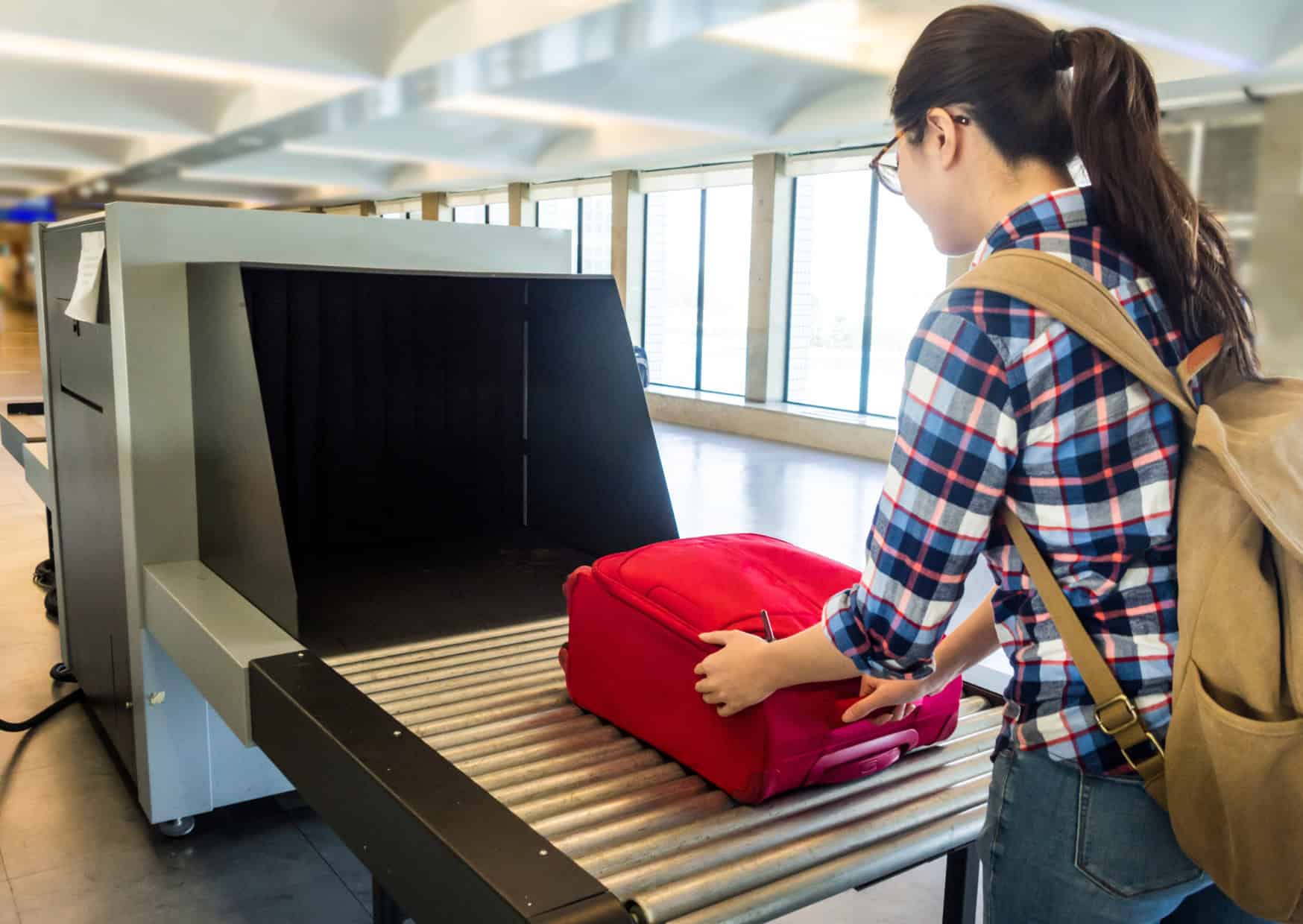
The Nightmare
- You show up at check-in, certain you’re within the limit. The scale says otherwise. The airline agent whips out an eye-watering fee, or worse, you must repack on the spot to avoid charges.
Why It’s Common
- International airlines can have stricter weight allowances—especially budget carriers with a 15–20 kg limit. You might rely on your US carrier’s more generous policy, only to get stung on a European hop.
How to Prepare
- Weigh your bag at home with a cheap luggage scale or bathroom scale. If you’re borderline, wear heavier items (like boots or a coat) on the plane. Pack a foldable duffel for overflow—some airlines let you check an extra bag cheaper than overweight fees.
Pro Tip
- If you must ditch weight last minute, remove dense items (books, shoes) rather than scattering small items. It can spare you the public repacking drama at the counter.
2. Confusing Visa or Entry Requirements
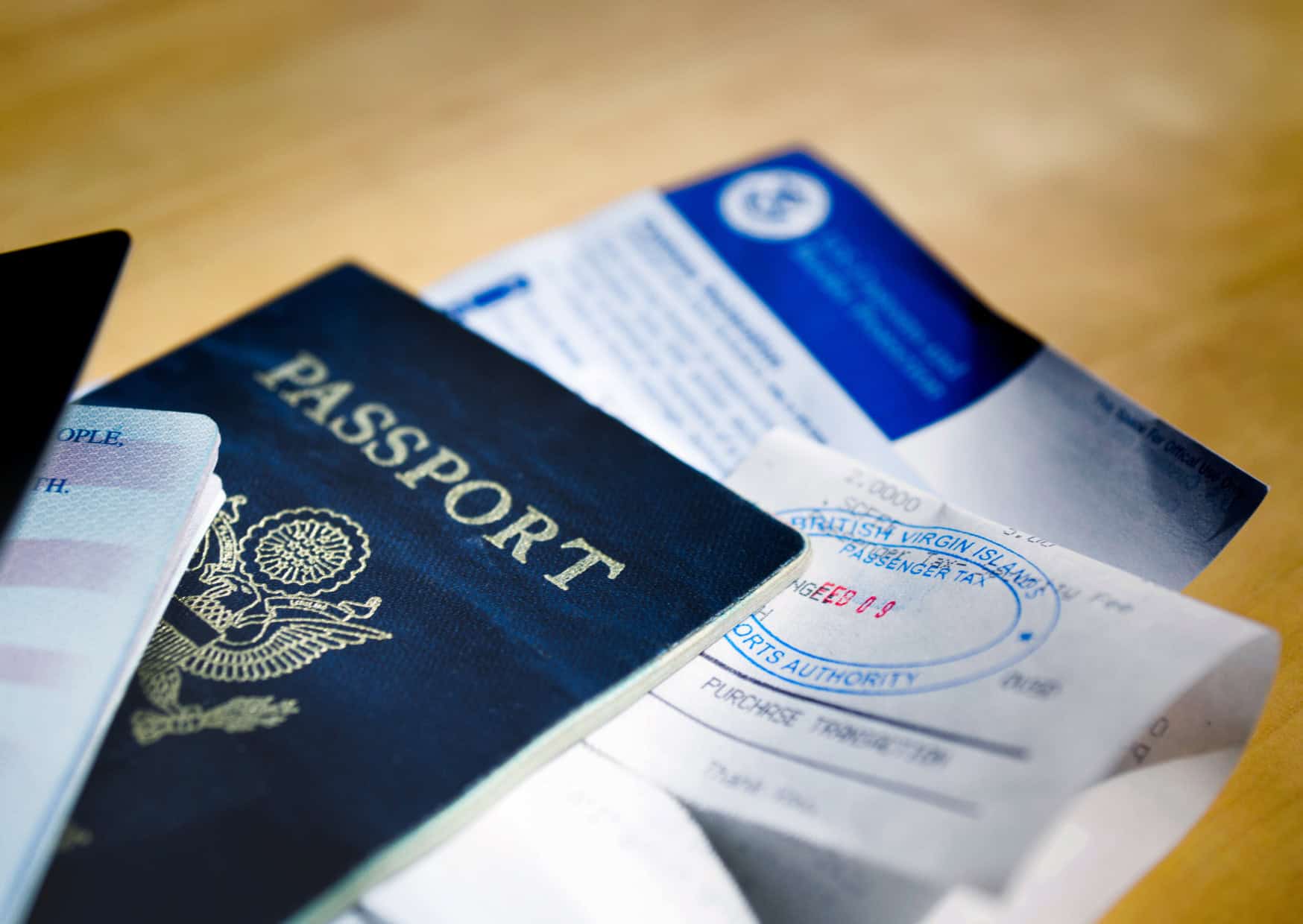
The Nightmare
- You land in a new country and the immigration officer says “You’re missing the required travel authorization.” Suddenly, you’re stuck in no-man’s-land or facing immediate return.
Why It’s Common
- Many travelers assume a passport alone suffices everywhere. But certain countries demand e-visas, onward tickets, or proof of funds—especially outside the typical Schengen or UK routes.
How to Prepare
- Check embassy websites for each country on your itinerary. Some demand a pre-arrival e-visa (like Turkey or certain Balkan states). Gather proof of accommodation, return tickets, or bank statements if required.
Pro Tip
- Print the crucial documents: e-visas, health forms, etc. Digital versions are nice, but a physical copy can calm a skeptical border agent.
3. Missed Connections with Tight Layovers

The Nightmare
- Your first flight runs late, you scramble across the terminal (possibly in a different language you don’t speak), only to watch your connecting flight door close. Now you’re stuck rebooking or overnighting at an unknown airport.
Why It’s Common
- Overseas airports can be huge (think Heathrow, Frankfurt, Charles de Gaulle). If you only have 45 minutes between flights, a gate change or security re-check can sabotage your connection.
How to Prepare
- Book longer layovers for international transfers: 2 hours minimum, 3+ if you’re crossing a major hub or need customs clearance. If you can’t avoid a short layover, pick seats near the front to exit quickly.
Pro Tip
- Check if your flight is on one ticket or separate bookings. With single-ticket itineraries, the airline must rebook you if you miss a connection. On separate tickets, you’re on your own for new flights (and possible fees).
4. Sudden Flight Cancellation or Strike
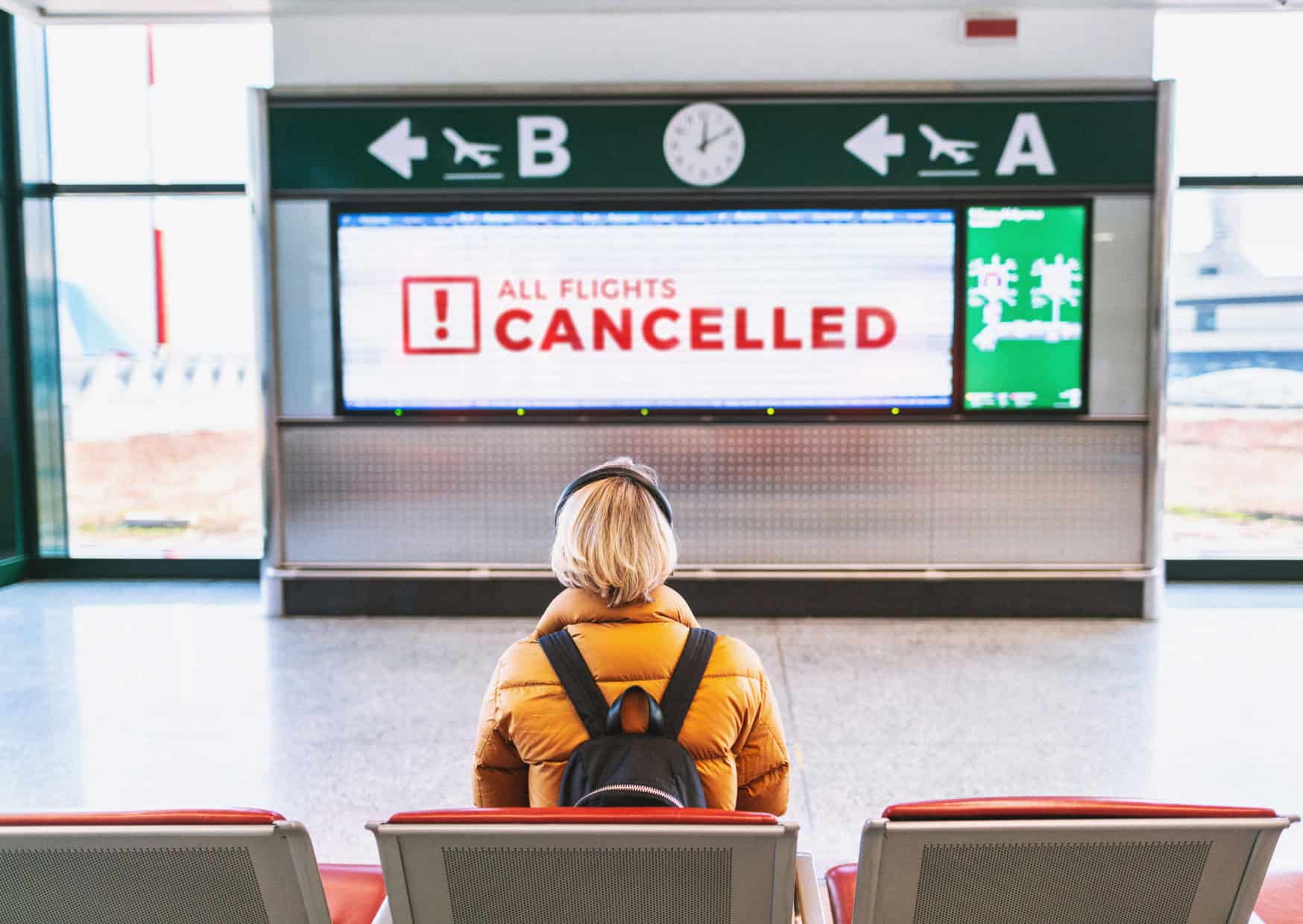
The Nightmare
- You arrive at the airport, discover your flight’s canceled, or staff are on strike. All alternative flights are full, and lines at the rebooking desk stretch for hours.
Why It’s Common
- Europe occasionally sees transport strikes (pilots, cabin crew, security staff). Weather or unforeseen operational issues can also ground planes.
How to Prepare
- Follow airline announcements on social media or flight-tracking apps. If you sense a potential strike or big storm, consider adjusting your travel a day earlier/later.
- Purchase travel insurance covering flight disruptions.
Pro Tip
- If your flight is canceled under an EU-based airline, you may qualify for compensation (EU Regulation 261). Know your passenger rights, and politely but firmly request rebooking or hotel vouchers if the airline’s at fault.
5. Language Barriers at Security or Customs
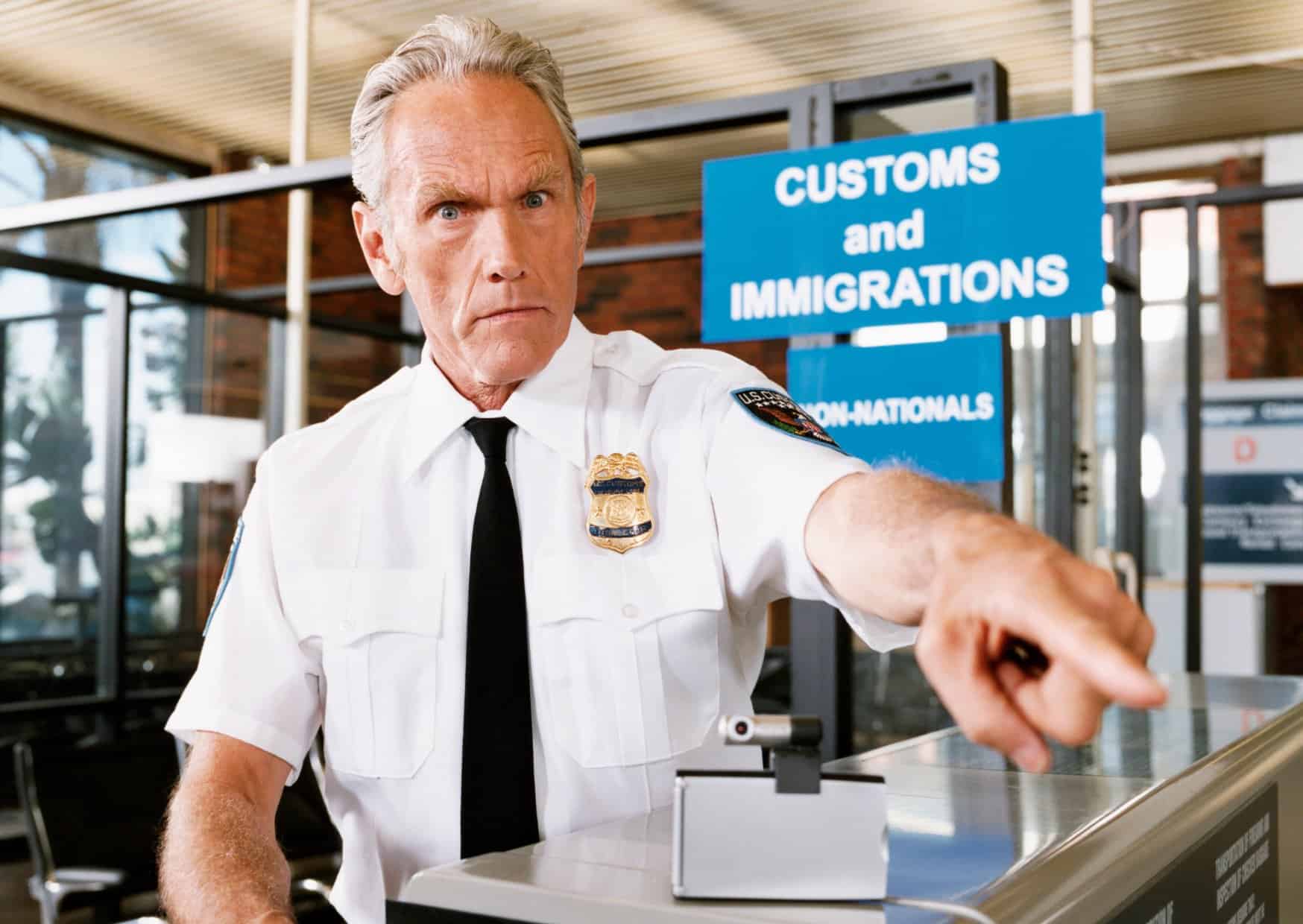
The Nightmare
- You’re shuttled through a busy foreign airport, instructions barked in a language you barely recognize. You freeze up, or misunderstand “remove electronics,” leading to a nerve-wracking search.
Why It’s Common
- Not all airports use bilingual signage or English announcements. Some rely on local languages only—especially smaller or remote airports.
How to Prepare
- Learn key phrases like “Where is security check?” or “I have no liquids” in the local tongue. Or carry a translation app with offline mode.
- Observe others. If they remove laptops, shoes, belts, do the same. Visual cues matter more than overhead announcements you might not catch.
Pro Tip
- A friendly “Excuse me?” or gentle wave signals you need help. Staff often know basic English, or you can show them your phone translation if needed.
6. Currency Confusion and Card Blockages

The Nightmare
- Arriving in a non-euro country, you try paying for a taxi only to find your card declines or you accidentally withdrew a huge amount in local currency. Additional fees or phone calls to the bank loom.
Why It’s Common
- Some Americans assume euros work everywhere in Europe. Others forget to inform their bank of international travel, triggering anti-fraud locks. ATM fee surprises also abound.
How to Prepare
- Notify your bank about overseas travel dates. Check if your card charges foreign transaction fees or if your debit card works in the region. Carry a small amount of local cash for immediate transport or small purchases.
- If heading to non-euro countries (like Switzerland, Norway, or the Balkans), confirm the currency and typical exchange rates.
Pro Tip
- Use official ATMs in airport arrivals. Avoid independent “currency kiosk” stands with poor exchange rates. Keep an extra credit card as backup in case the main one fails.
7. Overzealous Duty-Free Shopping

The Nightmare
- Tempted by cheap booze or perfume, you load up in duty-free. Then you realize you have a second connecting flight—at the next airport’s security, they seize your sealed liquids because you left the secure zone or the country’s rules differ.
Why It’s Common
- People buy items over the liquids limit thinking duty-free packaging is universal. But if you have multiple legs in your journey—especially outside the EU or reentering the US—some rules reset.
How to Prepare
- Check your route: if you’re connecting internationally again, ensure duty-free liquids comply with the final country’s rules. The US often re-screens you.
- If your sealed bag is opened or tampered, it invalidates the duty-free pass. Keep it sealed until your final destination.
Pro Tip
- If you truly want a big liquor or perfume purchase, consider putting it in checked luggage. For carry-on, confirm your next layover’s policy on duty-free liquids. (Sometimes special sealed bags meet standards.)
Why You Should Care and Follow
You should care because airport problems have a way of multiplying faster than almost any other travel mistake. A delayed connection can become a missed flight, which can become an unexpected hotel night, which can then affect transfers, tours, reservations, and the first several days of a trip. What starts as a small disruption can quickly turn into hundreds or even thousands of dollars in extra costs if you are not prepared. That is why understanding the most common airport nightmares matters before you ever leave home.
Following practical airport advice can also help you build better margins into your itinerary. Choosing a longer connection, keeping essentials in your carry-on, checking visa and passport requirements in advance, and knowing what your airline will and will not cover can make a huge difference when something goes wrong. These habits are not glamorous, but they are often what separates a manageable delay from a complete travel disaster.
You should also care because international airports add extra layers of complexity that domestic travel may not prepare you for. Immigration, customs, terminal changes, security re-screening, baggage collection, and different airline alliances can all create delays that are easy to underestimate. A 90-minute connection may look generous on paper and feel impossibly tight in reality if you have to cross a huge airport, collect luggage, or clear passport control.
There is also a financial reason to pay attention. Airport mistakes can be expensive because you are often forced to make decisions quickly. Last-minute hotels, new tickets, taxi rides, baggage fees, food, and emergency transport can all cost much more than they would under normal circumstances. Preparing for these possibilities can help you avoid panic spending and give you a better idea of what to do first.
Most importantly, caring about airport risks can protect the rest of your trip. The goal is not to eliminate every possible disruption, because that is impossible. It is to reduce the number of problems that are preventable and make sure you have enough flexibility to recover from the ones that are not.
Why You Should Not Care and Follow Too Much
At the same time, you should not become so worried about airport problems that flying becomes stressful before the trip even begins. Most international journeys are completed without major disasters, and obsessing over every possible scenario can make travel feel much harder than it actually is. Preparation is useful, but constant anxiety is not.
You should also avoid overcorrecting by building absurdly large buffers into every itinerary. A five-hour layover may reduce risk, but it can also waste an entire day and make the journey exhausting. The goal is to choose reasonable connection times based on the airport, route, and whether you need to clear immigration, not to assume every connection will fail.
There is no reason to treat every airport delay as a catastrophe either. Sometimes a disruption is annoying but manageable. A late bag, a gate change, or a short delay may not affect the trip much at all. Travelers who stay calm and prioritize the actual problem usually recover faster than those who react as if the entire vacation has been ruined.
You should also remember that not every nightmare can be prevented. Weather, air traffic control, mechanical issues, strikes, and airport closures can disrupt even the best-planned itinerary. Good preparation reduces risk, but it does not create control over everything.
Ultimately, the useful mindset is calm readiness. Know what could go wrong, have a backup plan for the most serious possibilities, and then stop thinking about it unless something actually happens. Travel is supposed to be enjoyable, not a permanent exercise in disaster management.
The Bottom Line
Overseas airports can be a maze of weight limits, language quirks, re-checks, strikes, and currency pitfalls. Arm yourself with simple pre-departure checks—like extended layovers, baggage scale weigh-ins, or printing crucial visas—and you’ll dodge these top 7 airport nightmares. That leaves you free to actually enjoy the journey, rather than stress over missed flights or seized duty-free treats.
Pro Tip
- Keep a “just in case” pouch in your carry-on with basic essentials: a pen for customs forms, a copy of your passport, emergency phone numbers, printed itinerary, and a small snack. Because sometimes the difference between a meltdown and a quick fix is just having the right item at your fingertips!
Airport nightmares can ruin an overseas trip, but most of the worst outcomes come from a combination of bad luck and poor preparation. You cannot control the weather or every airline decision, but you can control how much time you leave between flights, what you carry with you, and how well you understand the rules before departure.
The smartest travelers are not the ones who assume nothing will go wrong. They are the ones who know exactly what to do when something does. A backup payment method, copies of important documents, essential medication in your carry-on, and a little extra time between flights can make a huge difference.
It is also worth remembering that one bad airport experience does not have to define the whole trip. Even serious disruptions can often be recovered from if you stay calm, work through the problem in order, and avoid making rushed decisions that create new problems.
The best strategy is to focus on the airport risks that are both common and preventable. Check your documents, understand baggage rules, plan realistic connections, and keep essentials with you. Those basic steps cover far more situations than complicated travel hacks ever will.
Ultimately, the goal is not to guarantee a perfect journey. It is to make sure that when travel goes wrong, it stays a temporary inconvenience instead of becoming the story of the entire vacation.

About the Author: Ruben, co-founder of Gamintraveler.com since 2014, is a seasoned traveler from Spain who has explored over 100 countries since 2009. Known for his extensive travel adventures across South America, Europe, the US, Australia, New Zealand, Asia, and Africa, Ruben combines his passion for adventurous yet sustainable living with his love for cycling, highlighted by his remarkable 5-month bicycle journey from Spain to Norway. He currently resides in Spain, where he continues sharing his travel experiences with his partner, Rachel, and their son, Han.