
For affluent Americans, Europe has quietly become the place to own a second home. The trend is not loud or flashy, but it is unmistakable in the reports coming out of international real estate brokerages and property registries, which show a rising tide of well-off American buyers, professionals, executives and the comfortably retired, snapping up apartments and villas across the continent. A strong dollar has made European property feel like a bargain, remote work has untethered people from a single address, and a general appetite for a foothold abroad has done the rest. The result is a steady, discreet flow of American money into a familiar set of European cities and regions, documented not as rumor but in the data real estate professionals track. This is a look at where, according to those reports, American buyers have really been putting their money this year.
A word of honesty at the outset, because this subject invites exaggeration. What follows is drawn from what real estate brokerages, immigration figures and property registries have reported about American buyer interest, not from any invented survey of executives or manufactured trend. The reports do show a genuine and growing American appetite for European second homes, concentrated in specific places, and those places are what this piece maps. Where the data are firm, this says so, and where the picture is more about reported interest than hard numbers, it says that too.
Here is where the reports show American buyers gravitating, the cities and regions that keep appearing in the brokerage insights and registry data, why each one draws American money, and the practical realities that shape the whole phenomenon. This is a factual overview of a reported real estate trend rather than investment advice, and I am not a financial adviser, so anyone considering such a purchase should do their own research and consult professionals, but the map of where Americans are quietly buying is a genuinely fascinating one.
Why Americans Are Buying at All
Before the cities themselves, it helps to understand the forces the reports identify as driving this whole movement, because they explain why the interest is real rather than imagined. Several factors have lined up at once.
The dollar is doing a lot of the work. Brokerage analyses consistently point to the strength of the US dollar against European currencies as a major driver, effectively giving American buyers a discount on European property, so a home that would have felt expensive a few years ago now looks like relative value to someone earning and holding wealth in dollars. When your currency stretches further, a foreign home suddenly moves within reach. This currency effect is easy to underestimate from a distance, but on a property costing hundreds of thousands, even a modest shift in the exchange rate can mean tens of thousands of dollars saved, which turns a stretch purchase into a comfortable one. For buyers who have watched American home prices climb relentlessly, the sense of getting more for their money abroad is a powerful part of the appeal, and the reports return to it again and again.
Other forces reinforce it. The reports also credit the spread of remote work, which lets people spend real time in a foreign home rather than just visiting, along with a broader surge of American interest in living or investing abroad, and even the practical effect of new direct flight routes making European cities easier to reach from the United States. Together these push a genuine, documented rise in American buyers, one that shows up clearly in the places that follow.
Portugal, the American Favorite

No country appears more consistently in reports of American buying than Portugal, which has become something of a default first choice for Americans seeking a European home. Its appeal is well documented and long-running.
Lisbon leads the way. Lisbon appears again and again in brokerage insights as a magnet for American buyers, drawn by its historic beauty, its café culture, its relative affordability compared to major American metros, and the ease with which English-speaking newcomers can navigate the process, so Lisbon has become a genuine hub of American second-home ownership. Alongside it, the northern city of Porto and the sunny Algarve coast draw steady American interest of their own.
The numbers behind the interest are real. Reports note that the American population in Portugal grew markedly in recent years, and the country is repeatedly named by brokerages as one of the destinations where American buyer interest continues to grow, so Portugal’s status as an American favorite is grounded in documented movement, not just reputation. Its straightforward purchase process for foreigners has helped cement that position. The reports frequently note the large, well-established community of English-speaking agents, lawyers and advisors that has grown up around American and other foreign buyers in Portugal, which lowers the friction of buying in an unfamiliar country. That ecosystem tends to be self-reinforcing, since each wave of arrivals makes the next one easier, and it helps explain why Portugal keeps its lead even as other destinations grow more popular.
Spain, Where the Data Is Hardest

If Portugal is the favorite, Spain is where the reported American buying shows up most clearly in hard registry numbers, which makes it one of the best-documented cases of the whole trend. Here the data go beyond impressions.
The registry figures are striking. Reports drawing on Spanish property data show that the number of homes bought by American buyers rose sharply, climbing to record levels, a concrete and measurable increase rather than mere reported interest, so Spain offers some of the firmest evidence that the American appetite is translating into actual purchases. This is the kind of registry-based figure that lends the whole trend its credibility. It matters because so much writing about foreigners buying abroad rests on impressions, breathless anecdotes, or the marketing of firms with property to sell, whereas Spain’s official transaction records are a harder and more neutral source. When a national registry shows American purchases multiplying over a few years, that is evidence of a real shift in behavior, not merely of louder interest, and it anchors the softer, interest-based reporting from elsewhere in something solid.
Certain Spanish cities stand out. Brokerage reports repeatedly name Barcelona, with its central districts drawing high-end demand, along with Málaga and Palma de Mallorca, both linked to new direct flight routes from the United States, and the increasingly popular Valencia, so the Spanish interest clusters in a recognizable set of coastal and cosmopolitan places. New York to Málaga and New York to Palma flights have left a mark on those markets.
Italy, From Cities to One-Euro Villages

Italy occupies a special place in the American property imagination, and the reports confirm that this romance continues to translate into real buying across a wide range of the country. The interest spans the spectrum from grand cities to nearly free rural homes.
The classics still draw the crowds. Reports single out Venice and the Tuscan countryside as perennial magnets for American buyers, the storied destinations that have drawn well-off foreigners for generations, along with the island of Sardinia, so the traditional Italian dream remains a live and reported driver of American purchases. These are the places that appear whenever brokerages discuss American interest in Italy.
At the other extreme sit the famous bargains. The reports also note Italy’s well-publicized schemes in which struggling villages offer homes for as little as one euro to buyers willing to renovate them, a phenomenon that has drawn genuine American attention, so the Italian market spans everything from Venetian apartments to symbolic one-euro rural houses. That range, from the priceless to the nearly free, is part of what makes Italy such a persistent presence in the reporting. It is worth adding a note of realism the reports themselves stress, which is that the one-euro homes are far from free once the required renovations are counted, and that Italian bureaucracy can test the patience of any foreign buyer. The romance is real, but so are the practical hurdles, and the accounts that treat Italy honestly tend to pair the dream with a warning to go in with eyes open and a good local lawyer.
France, Paris and the Riviera
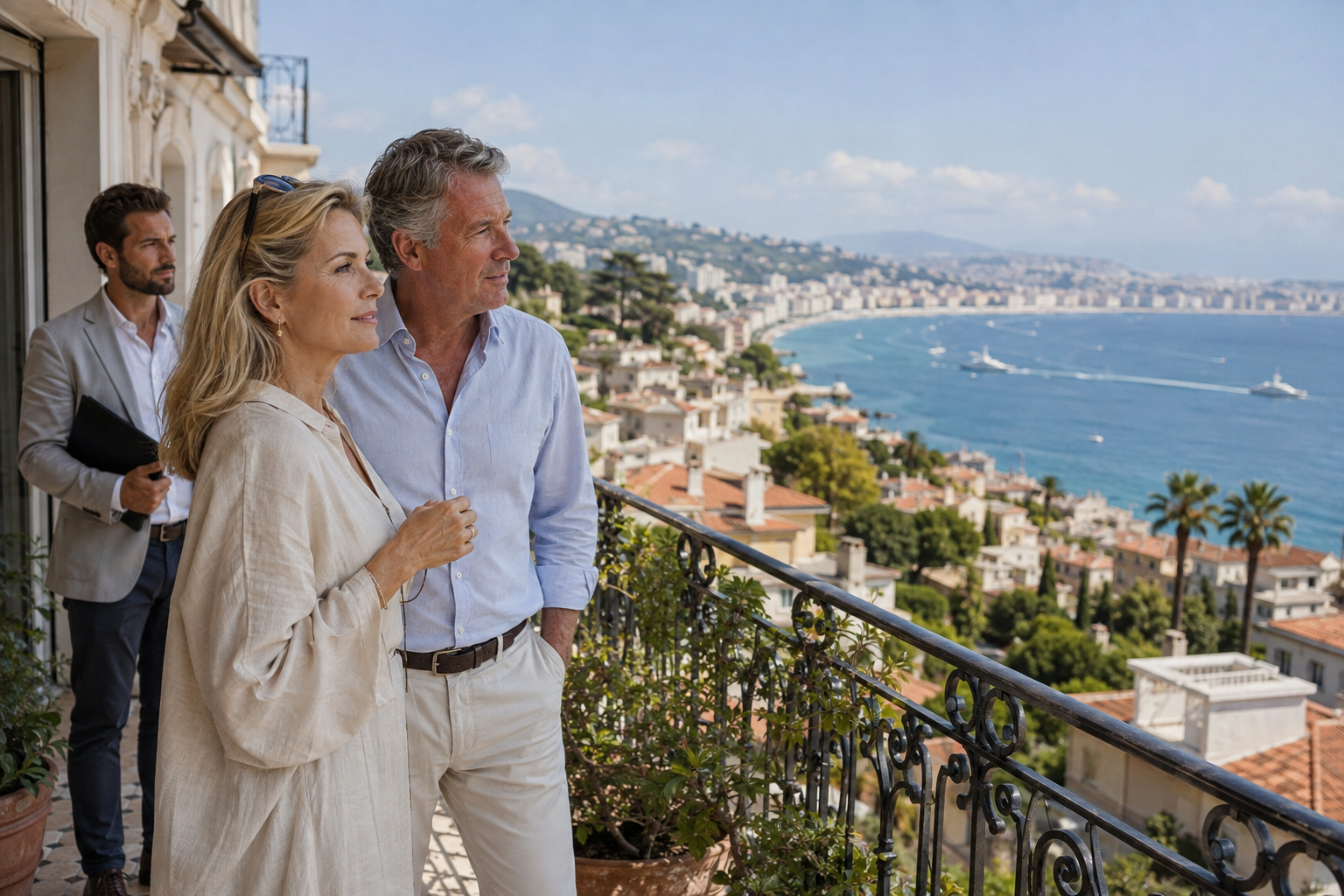
France reliably appears in the reports as a destination for American buyers seeking either the culture of Paris or the glamour of the south, and its stability adds a particular kind of appeal. The interest concentrates in a few well-known places.
Paris and the Riviera dominate. Brokerage insights repeatedly name Paris as a focus of American interest, along with the glamorous French Riviera, taking in Nice, Cannes and Saint-Tropez, the classic playground of wealthy international buyers, so the French interest gathers where it always has, in the capital and along the Mediterranean coast. These remain, by the reports’ account, reliable draws for American money.
Other corners draw interest too. The reports also mention Biarritz and the Basque Country in the southwest, prized for their beaches and relaxed atmosphere, as well as the broader appeal of France’s stability and strong legal protections for buyers, so beyond the obvious hotspots France offers a range of places drawing quieter American attention. Its reputation as a stable, buyer-friendly market underpins the whole picture.
Greece, the Value Play

Greece has emerged in the reports as the value-oriented corner of the American buying story, the place where the money stretches furthest and where a specific policy still actively courts foreign buyers. It occupies a distinct niche.
The islands and Athens lead. Reports name Athens along with Crete, Santorini and Mykonos as focuses of growing American interest, drawn by the lifestyle and by prices that are often lower than in France or Italy, so Greece offers the classic Mediterranean dream at a more accessible level. Beyond the marquee names, regions like the Peloponnese are cited for coastal properties at modest prices.
Policy sets Greece apart. Greece is noted as retaining a property-linked residency route, its golden visa program, at a time when others have closed or changed theirs, which keeps it especially attractive to buyers who want residency alongside a home, so Greece draws a particular kind of American buyer for reasons the other destinations no longer offer. That combination of value and a still-active visa route gives it a clear identity in the reporting. It is worth being precise about the visa, though, since the figures have moved: the Greek program now sits at higher investment thresholds than it once did, and the amount required rises steeply in the most sought-after locations such as central Athens. So while Greece remains the standout for buyers who want residency tied to property, it is no longer the bargain entry point it was a few years ago, and the reports that treat it carefully make that distinction rather than implying the old low thresholds still apply.
The Visa and Ownership Realities
Underlying the whole phenomenon is a set of practical rules that the reports consistently emphasize, because they shape where and how Americans can actually buy. These realities matter as much as the romance.
Ownership itself is usually easy. The reports stress that most European countries place no meaningful restrictions on American buyers, granting essentially the same rights as locals, with the main requirements being a local tax identification number and often a local bank account, so the act of buying is generally straightforward across most of the continent. The barriers, where they exist, tend to be bureaucratic rather than prohibitive, a matter of paperwork and patience rather than outright exclusion. For most Americans, the harder questions are practical ones about taxes, financing, and how a foreign home fits into their wider financial picture, rather than whether they are permitted to buy at all.
Residency is a separate and shifting matter. The reports are careful to distinguish buying a home from gaining the right to live there, noting that the golden visa landscape has changed sharply, with Spain having ended its program and Portugal having removed real estate, leaving Greece the main property-linked option, so anyone hoping a purchase will confer residency has to check the current, and changing, rules. Confusing a home purchase with a residency permit is a common and costly mistake.
Reading the Map Honestly
The lasting value of this map is that it reflects where American buyers have truly been drawn according to the people who track the market, rather than any invented or exaggerated trend, and that grounding is what makes it useful. Portugal, Spain, Italy, France, and Greece appear again and again in the reports for concrete reasons, and the interest is real, documented and grounded in figures where figures exist.
What makes the whole picture worth understanding is how consistent it is across sources, and how clearly it is driven by the identifiable forces of a strong dollar, remote work, and a hunger for a foothold abroad. The cities and regions named here are not a prediction or a sales pitch but a reflection of reported reality, the places where, by the account of brokerages and registries, affluent Americans have quietly been buying their European second homes. That reported reality is interesting precisely because it is grounded rather than imagined.
So if you find yourself curious about where Americans with the means to buy abroad have quietly been putting down roots in Europe, the answer, according to the reports, is a familiar and coherent set of places: the historic charm of Lisbon and Porto, the coasts and cities of Spain, the timeless draw of Venice and Tuscany, the culture and glamour of France, and the accessible Mediterranean dream of Greece. The trend is quiet, but it is documented, and the map it draws is a genuine one, worth knowing whether or not you would ever add your own name to it.

About the Author: Ruben, co-founder of Gamintraveler.com since 2014, is a seasoned traveler from Spain who has explored over 100 countries since 2009. Known for his extensive travel adventures across South America, Europe, the US, Australia, New Zealand, Asia, and Africa, Ruben combines his passion for adventurous yet sustainable living with his love for cycling, highlighted by his remarkable 5-month bicycle journey from Spain to Norway. He currently resides in Spain, where he continues sharing his travel experiences with his partner, Rachel, and their son, Han.