

Spain has long been one of the world’s favorite places to retire, but the secret is well and truly out, and the famous destinations have paid the price. The Costa del Sol, Barcelona, Madrid and the marquee coastal towns have all grown expensive, crowded and increasingly hemmed in by new housing rules aimed at cooling an overheated market. Yet away from those headline places, a set of lesser-known Spanish cities still offers a wonderful life at a truly modest cost. These are the walled Roman towns, the UNESCO old cities, and the sunny provincial capitals that most foreign buyers overlook, and in 2026 they represent some of the best retirement value in Europe. The catch, and the reason to understand them now, is that the pressures reshaping Spain’s property market, the rising prices and tightening rules are gradually spreading toward these affordable corners. This is a look at those cities, why they are such good value today, and what the shifting landscape of Spanish housing policy really means for anyone considering them.
A word of honesty up front, because this subject is surrounded by confusion and alarm. Some restrictions are real and in force, while others are only proposals that have not become law and may never do so, and telling the two apart is essential to making a clear-headed decision rather than a panicked one. This piece lays out both the genuine value of these overlooked cities together with the accurate, unhyped picture of what is actually changing, so that anyone drawn to the idea can weigh it on facts rather than headlines.
Here is what makes these lesser-known cities such strong value in 2026, which places stand out and why, what the real state of Spain’s property restrictions actually is, and how to think sensibly about the whole opportunity. This is a factual overview for the curious rather than financial advice, and I am not a financial adviser, so anyone considering a move or a purchase should research thoroughly and consult qualified professionals, but the value on offer in Spain’s quieter cities is truly worth understanding.
Why the Overlooked Cities Are Such Good Value
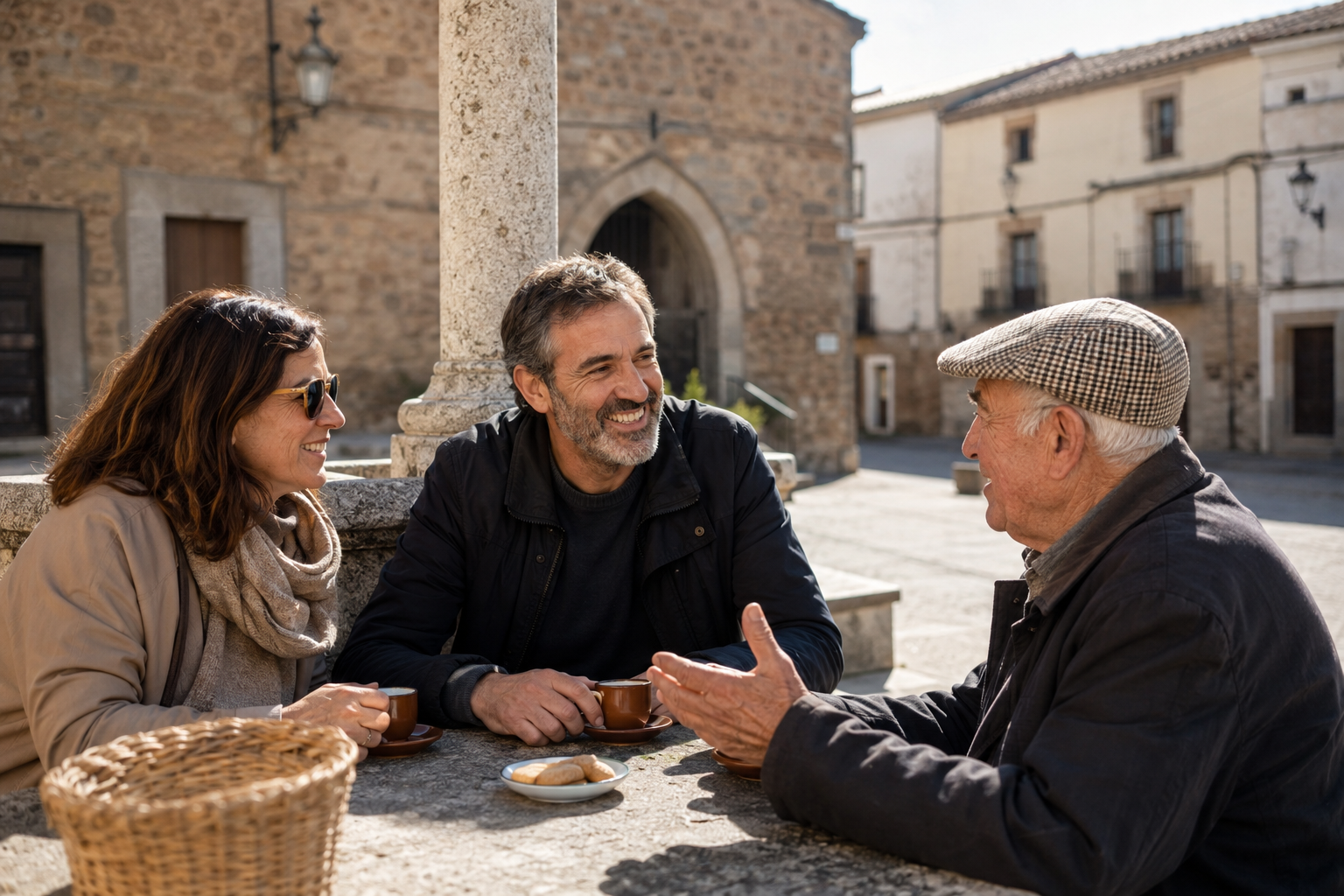
The core appeal of these lesser-known cities is simple arithmetic, they offer much of what makes Spain wonderful at a fraction of the cost of the famous places. The gap in price is large and real.
They cost dramatically less than the hotspots. Secondary cities routinely run far below Madrid, Barcelona and the premier coastal resorts, often by a third or more, so a retiree’s money stretches vastly further in these places than in the destinations that dominate the brochures. The same budget that buys a cramped flat on the coast can secure a spacious home with room to spare inland. For retirees living on a fixed income, this difference is not a minor convenience but the whole equation, determining whether the Spanish dream is comfortably within reach or a constant financial strain. A pension that would feel stretched in Barcelona can feel generous in a provincial city, funding not just a home but a full and unhurried life, with money left over for travel, dining and the small pleasures that make retirement worth savoring.
And they keep the essential Spanish goods. Crucially, choosing an affordable city does not mean giving up what makes Spain appealing, since these places still offer the mild climate, the food culture, the relaxed pace, and excellent affordable healthcare that draws retirees to the country, so the value is real rather than a compromise. You are not trading away the Spanish dream for a lower price, but finding it in a less crowded setting.
The Extremadura Value Champions

If any region embodies this overlooked value, it is Extremadura in Spain’s west, repeatedly singled out as the strongest value in the whole country. Its cities deliver remarkable quality for remarkably little.
Cáceres and Mérida lead the way. These cities pair strikingly low housing costs with UNESCO World Heritage old towns, so a retiree gains history and atmosphere alongside affordability. Living costs here rank among the lowest in mainland Spain, with a single person able to live comfortably on a budget impossible in the big cities.
The trade-off is a quieter, more Spanish life. What you give up in Extremadura is the large international expat community and the coastal bustle, gaining instead a slower pace and deeper immersion in authentic Spanish life, so the region suits those who want the real thing rather than a familiar enclave. For a retiree seeking value and genuine culture over the company of other foreigners, few places in Europe compete. Extremadura remains one of the least internationally discovered corners of the country, which is precisely what keeps its prices so low and its character so intact. The old towns feel authentically Spanish rather than shaped for visitors, the pace is unhurried, and daily life unfolds much as it has for generations. For the right person, that authenticity is not a drawback to be tolerated for the sake of a bargain but the very reason to choose the region in the first place.
Murcia and the Affordable Southeast
Turning to the warmer southeast, the Murcia region offers a different flavor of value, combining low prices with sunshine and proximity to the Mediterranean. It is a favorite for those who want warmth without the coastal price tag.
Murcia city is the affordable urban option. The city of Murcia gives you a substantial urban center at prices well below the coastal hotspots nearby, so you get city life and Mediterranean warmth without paying the premium the famous beach towns command. It is frequently named among the cheapest of Spain’s properly urban options, a serious city rather than a resort.
Cartagena adds history by the sea. Nearby Cartagena, an ancient port rich in Roman and naval history, offers coastal living far gentler than the Costas, so those set on the sea can find real value here too. Between the inland capital and the historic port, the Murcia region lets budget-minded retirees enjoy the warm south without the costs that have made much of the Mediterranean coast unaffordable. The region still gets the long, sunny summers and mild winters that draw people to southern Spain, along with easy access to beaches, without the inflated prices of the better-known resort towns just up the coast. For a retiree who wants Mediterranean warmth and sea air but blanches at Costa del Sol prices, it represents one of the most sensible compromises available anywhere in the country.
Green Value in the North
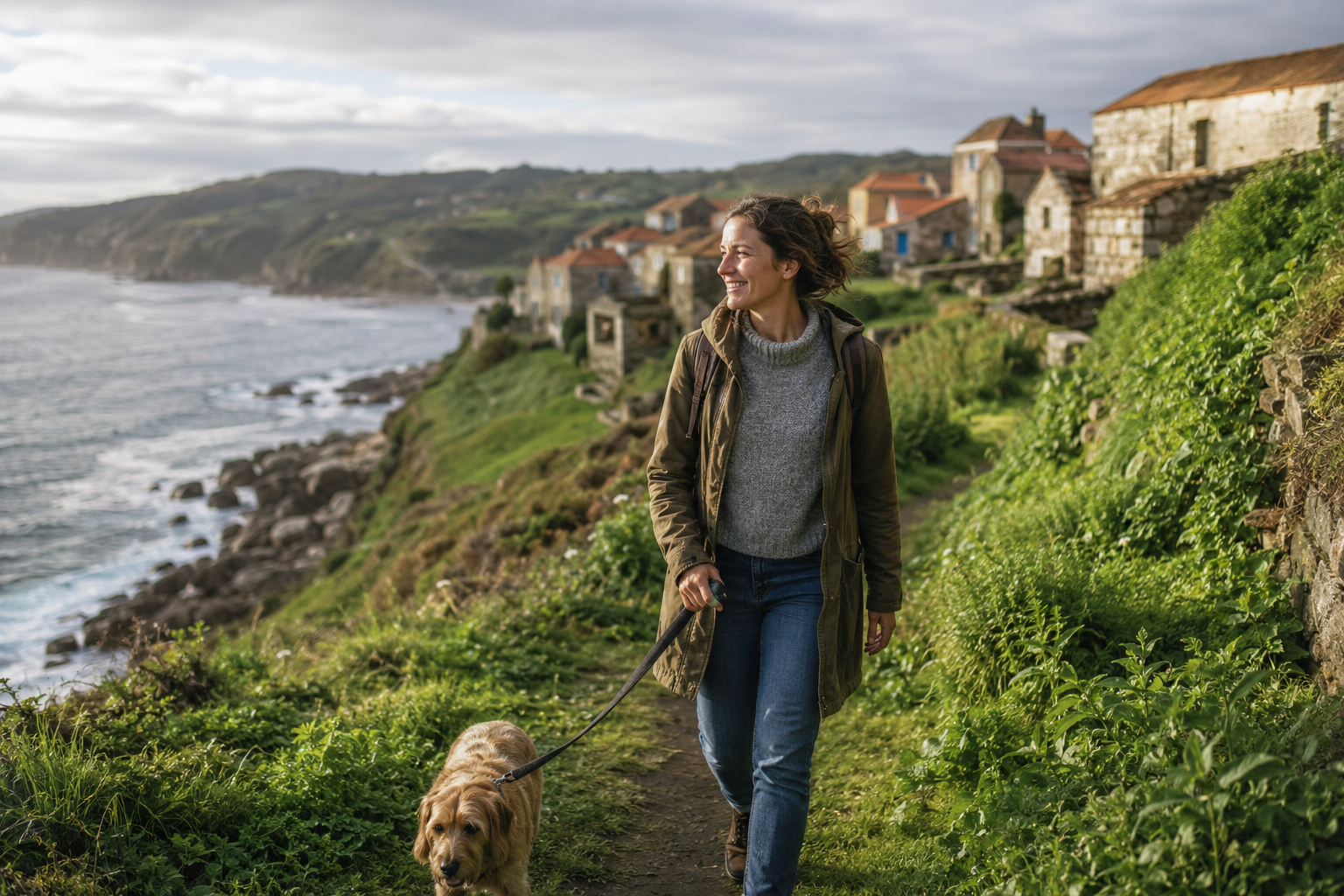
For those who prefer a cooler, greener climate to the sun-baked south, the northwest offers its own overlooked bargains, chief among them a city regularly crowned the cheapest in the country. The green north has value too, of a very different character.
Lugo is a standout for affordability. This Galician city, wrapped in intact Roman walls, is ranked among the very cheapest places to live in Spain while still offering a full range of services and a high quality of life, so it delivers exceptional value for those drawn to the north. Its rental market stands out as remarkably affordable, a rare thing in a well-serviced city.
The climate is the trade-off here. Galicia is cooler and wetter, with a green Atlantic character closer to Ireland than the Costa del Sol, so the value comes packaged with grey skies and rain rather than endless sun. For a retiree who prefers mild summers and a lush landscape to relentless heat, that trade is a bargain, while for a committed sun-seeker it would not suit. The north rewards those who value greenery, cooler air, and a gentler summer over the guaranteed sunshine of the south, and it does so at some of the lowest prices in the whole country.
The Historic Inland Gems
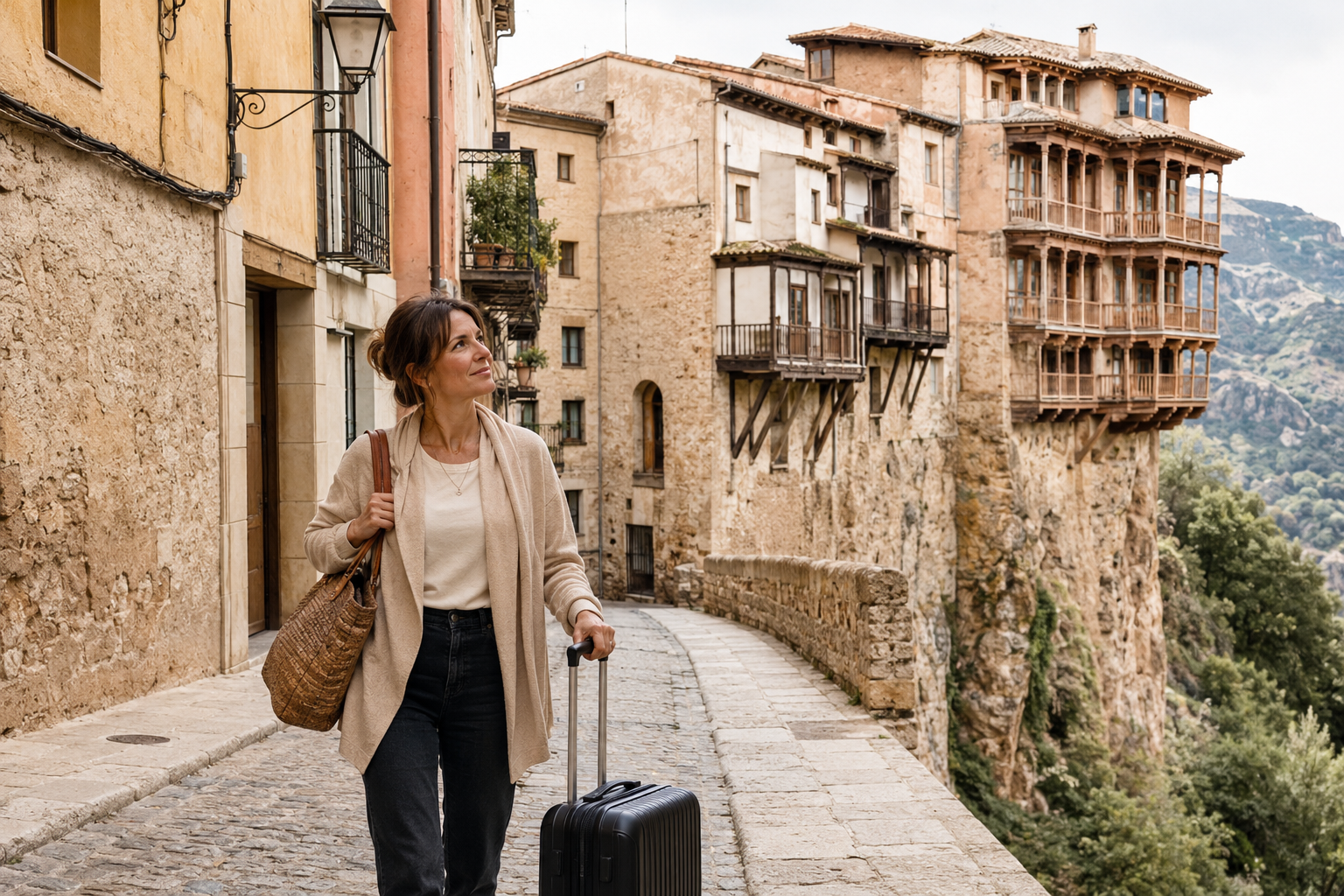
Beyond the regional value leaders sit a scattering of individual inland cities that combine deep history, striking beauty, and low prices in ways that reward the adventurous. These are places with real character and real bargains.
Cities like Córdoba and Cuenca offer heritage on a budget. Córdoba, with its UNESCO historic center, is often cited as the best overall value among Spain’s cultural cities, while Cuenca, famous for its hanging houses and linked to Madrid by high-speed rail, pairs scenic beauty with modest prices, so both deliver history and affordability together. These are cities where a retiree can live surrounded by centuries of architecture for a fraction of the cost of a coastal apartment.
They come with honest caveats. The trade-offs at this end are real, with less international infrastructure, less English, limited job markets, and intense southern summer heat, so they suit a particular kind of retiree. Someone comfortable with a more immersive, less anglophone life, and prepared for hot summers, will find extraordinary value, while others may prefer the easier familiarity of the coast.
What the Restrictions Really Are
Now to the crucial question the headlines raise, because a great deal of fear surrounds Spanish property restrictions, and separating the real from the merely proposed is essential. The picture is far less alarming than the alarm suggests.
One major change is truly in force. Spain ended its golden visa program in 2025, so buying property no longer grants residency, so anyone hoping a purchase would secure their right to live in Spain must now use one of the other residence routes instead. This is a real, enacted change that anyone planning a move should understand clearly. In practice, though, it changes less for the typical retiree than the headlines suggest, because most people retiring to Spain were never relying on a property purchase to secure residency in the first place. The usual routes for retirees, which rest on demonstrating sufficient income or savings rather than on buying real estate, remain fully open. The end of the golden visa mainly affects wealthy investors who wanted residency through a large property purchase, not the ordinary retiree choosing an affordable city for its quality of life.
But the most feared restriction is not law. The widely reported proposal for a steep tax on non-European buyers has, as of 2026, never been passed, having stalled without a parliamentary vote amid political, legal and practical obstacles, so despite the frightening headlines, foreign buyers can still purchase under existing rules, and nothing extra is currently payable. Treating that proposal as if it were already law is exactly the kind of mistake this piece exists to prevent, and even were it to advance, it targeted non-resident buyers, not those who move to Spain and become residents. A retiree who relocates and establishes residence in Spain would fall outside its scope entirely, as would anyone buying a new-build home rather than a resale one, since the proposed measure was aimed narrowly at non-resident purchases of existing property. The gap between the terrifying headline and the actual, limited proposal is enormous, and closing that gap with facts is the surest antidote to being scared away from a sound decision.
How to Think About the Opportunity Sensibly
Given the genuine value and the accurate picture of the rules, the sensible way to regard these cities is as a real and present opportunity, tempered by clear eyes about a shifting landscape rather than driven by panic. Balance is the right posture.
The value is real and the pressure is genuine. What makes these cities compelling is that their affordability is real today, while the forces raising prices across Spain are slowly reaching even these quieter markets, so the value on offer may not last indefinitely. That is a reason for considered attention, not for a rushed or fearful decision.
Facts should guide the choice, not headlines. The wise approach is to weigh the real, verifiable value of a given city against the accurate state of the rules and one’s own circumstances and preferences, rather than being stampeded by alarming but often misleading reports, so a clear-headed retiree can make a sound decision. Understanding what is really changing, and what is merely rumored to change, is the foundation of choosing well.
Finding Value Before the Crowd
The lasting appeal of Spain’s lesser-known cities is that they still offer, in 2026, the authentic promise that first made the country a retirement haven, a fine life in a beautiful place at a genuinely affordable cost, in settings the crowds have not yet discovered or priced out of reach. From the UNESCO towns of Extremadura to the sunny value of Murcia, the green affordability of Lugo, and the historic bargains of Córdoba and Cuenca, the opportunities are real, varied and plentiful indeed, waiting patiently for those willing to look beyond the famous names.
What makes acting thoughtfully worthwhile is that the very affordability that defines these places today exists partly because the wider world has not yet caught on, and as prices rise across Spain and demand spreads outward, that window of exceptional value will gradually narrow. This is not a reason for panic, and certainly not a response to any imminent ban that does not in fact exist, but a simple recognition that the best value is usually found before the crowd arrives rather than after.
So if the dream of a Spanish retirement appeals to you but the prices of the famous places have put you off, turn your attention to these quieter, cheaper and often more authentic cities before they too are discovered. Weigh them on the facts, understand the real rules rather than the frightening headlines, visit and see them for yourself, and consult the right professionals about your own situation. Do that, and you may find in one of Spain’s overlooked cities the retirement you dreamed of, at a price the famous destinations stopped offering long ago.

About the Author: Ruben, co-founder of Gamintraveler.com since 2014, is a seasoned traveler from Spain who has explored over 100 countries since 2009. Known for his extensive travel adventures across South America, Europe, the US, Australia, New Zealand, Asia, and Africa, Ruben combines his passion for adventurous yet sustainable living with his love for cycling, highlighted by his remarkable 5-month bicycle journey from Spain to Norway. He currently resides in Spain, where he continues sharing his travel experiences with his partner, Rachel, and their son, Han.