
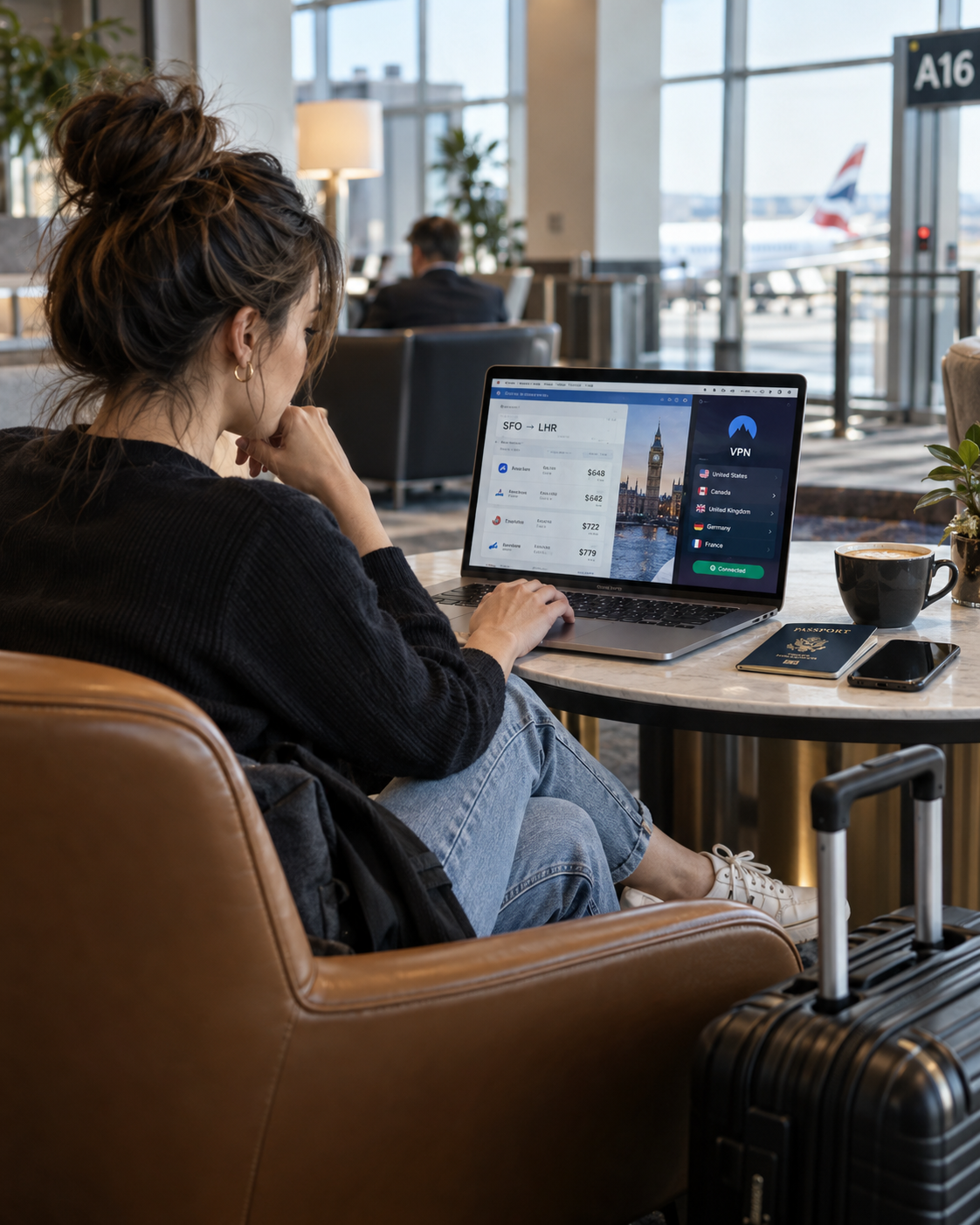
A while back we wrote about one of the most popular travel hacks on the internet: using a VPN to trick airline websites into showing you cheaper flights. It struck a nerve, because everyone wants to believe there is a secret button that knocks the price of a plane ticket down, and the idea is seductive. Flights are one of the biggest and most opaque costs of any trip, so the promise of a simple trick to shrink them is almost irresistible, which is exactly why the hack spread so far and why it deserves an honest second look. A year on, with airline pricing more sophisticated than ever, we went back and tested it again to see what still holds up in 2026.
The honest answer is more complicated, and more useful, than either the breathless hack articles or the flat dismissals suggest. Some of it was always a myth, some of it is genuinely real but far less reliable than it sounds, and there is a catch that quietly sinks the trick even when it appears to work. Here is what we found, told straight, because a hack that only sometimes works is worth understanding clearly rather than believing blindly. There is no point pretending a trick is reliable when it is not, since the disappointment of chasing a phantom saving is worse than never having tried, and knowing exactly when it can help is far more valuable than a vague promise that it always does.
What follows is the two very different claims people muddle together, the one that is mostly a myth, the one that is sometimes real, the catch that undoes it, what actually saves money instead, and what a VPN is genuinely good for.
Two Different Claims, Always Muddled
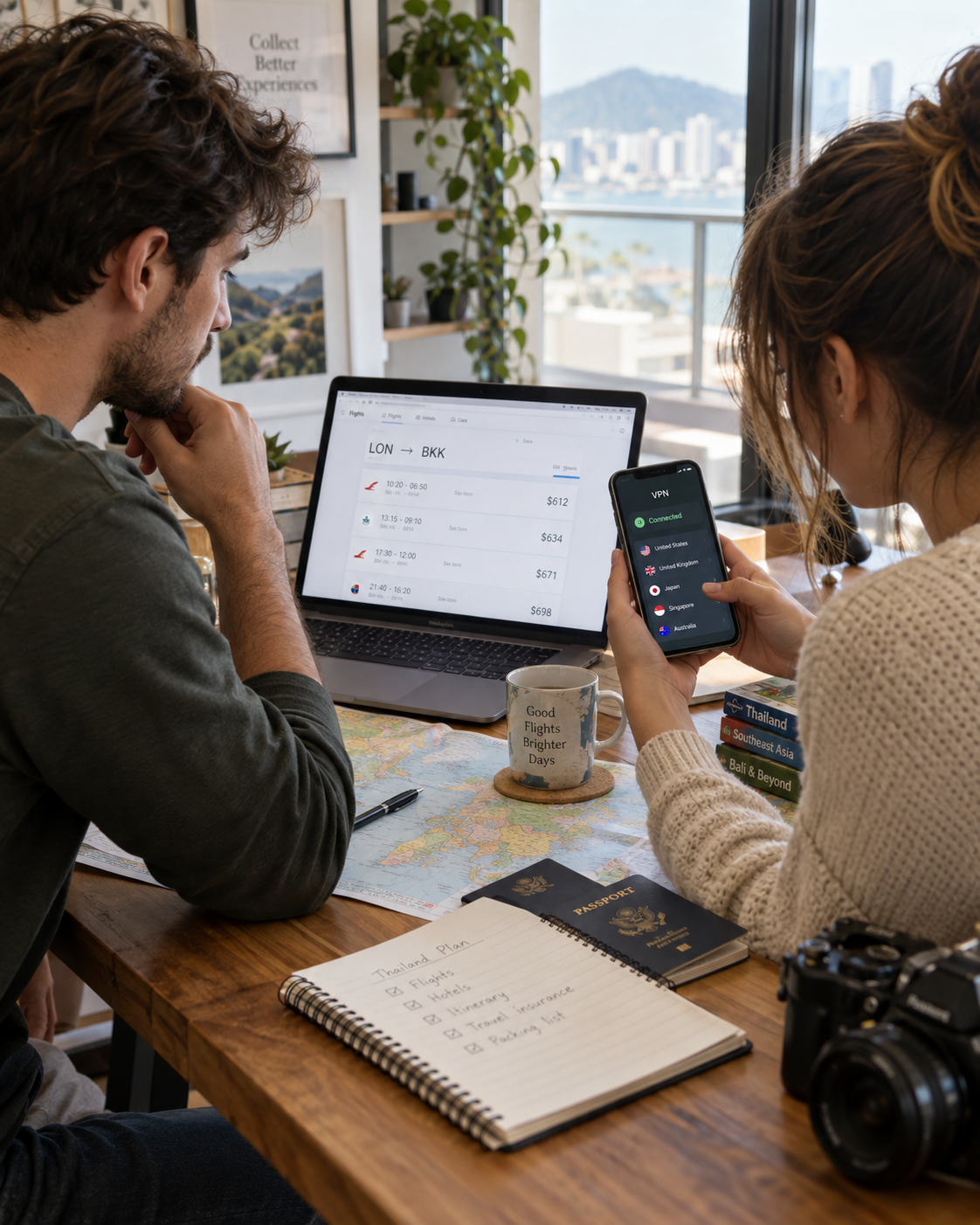
The first thing to sort out is that the VPN flight hack is really two separate claims bundled into one, and people constantly confuse them, which is why the advice is such a mess. Understanding the difference is the whole key to knowing what works. The first claim is about tracking, the belief that airlines watch your repeat searches through cookies and jack up the price when they see you keep looking, so you should hide your tracks with incognito mode and a VPN. The second claim is about location, the fact that airlines and booking sites sometimes show different prices depending on which country they think you are in, so a VPN that changes your apparent country might reveal a cheaper regional fare.
These are not the same thing at all, and they call for different tools and produce very different results. The tracking claim is about hiding who you are and what you have been doing; the location claim is about changing where the website thinks you are. Almost every viral version of the hack smushes them together into a single vague instruction to clear your cookies and fire up a VPN, which muddies whether any saving comes from the privacy or the geography. The result is a piece of folk wisdom that sounds authoritative and explains nothing, passed along by people who genuinely believe it worked for them once without ever knowing which half did the work. When you separate them and test each on its own, the picture gets much clearer, and the two halves turn out to have very different verdicts, so it is worth taking them one at a time. Lump them together, as almost everyone does, and you can never tell which part, if either, actually did anything, which is precisely why the hack has such a muddled reputation.
The Cookie Myth, Mostly Busted
Start with the tracking claim, the dramatic one about airlines spying on your searches and punishing your interest with higher prices, because it is largely a myth. The idea that an airline watches you search the same route three times and then cruelly raises the fare to pressure you is deeply satisfying to believe and mostly untrue. Major airlines and booking sites have stated plainly that they do not use your cookies or search history to raise prices on you individually, and independent testing backs them up, with one recent experiment finding that the overwhelming majority of flights showed identical prices whether searched in a normal browser or in incognito mode.
The reason is that airlines price flights on things far bigger than your browsing habits. Fares move constantly according to genuine supply and demand, how many seats remain, how close the departure date is, what competitors are charging, and countless other real market factors, all of which shift prices for everyone at once rather than singling you out. A Yale economist who studied airline pricing algorithms concluded exactly this, that the models respond to demand and seat availability, not to your personal cookies.
The fear that the airline is watching and punishing you personally is a very human way to read impersonal price swings, but it credits the algorithm with a pettiness it does not actually have. So the classic advice to search in incognito mode to dodge price-gouging is chasing a threat that mostly does not exist, and clearing your cookies, while harmless, does very little for the reason people think it does. There is no harm in browsing privately, and it is a fine habit for other reasons, but do not expect it to shake loose a lower fare, because the price you see was never really about you in the first place. The prices you see move because the market moves, not because the airline has recognized you and decided to squeeze.
The Location Angle, Sometimes Real
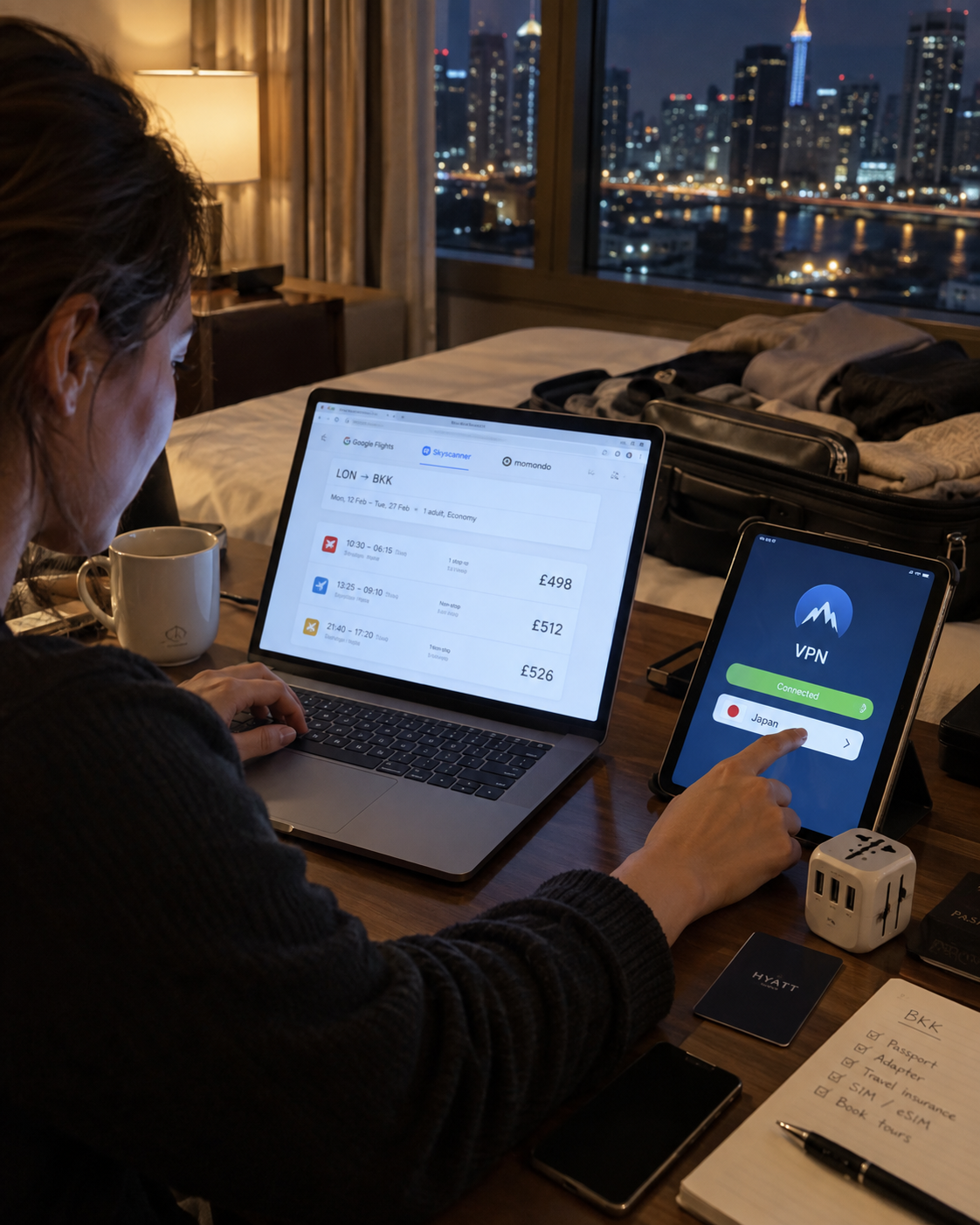
The second claim is the one with actual substance, and it is where a VPN earns whatever it is worth. Airlines and booking sites genuinely do sometimes charge different prices based on where they think you are, a practice tied to what the industry calls point of sale, so the same flight can carry a different fare on the American version of a site than on the version served to someone browsing from another country. This is real, it is testable, and it is the legitimate kernel inside the hack, since a VPN that plants your apparent location in a different country can occasionally surface one of these cheaper regional prices. Airlines have long charged what different markets will bear, and a ticket sold into a wealthier country has often carried a higher price than the same seat sold into a poorer one, which is the quirk the trick tries to exploit.
The trouble is that it works far less reliably than the enthusiastic guides promise, and that reliability has been shrinking. Pricing engines have grown much smarter since the hack went viral, and a great deal of pricing has moved toward being harmonized across regions, so on many routes changing your virtual country now makes no difference at all, or changes the fare by a trivial amount. When honest testers have actually run the experiment across many routes and countries, the results have been decidedly mixed, with plenty of searches showing no saving whatsoever, and some cases where routing through a supposedly cheaper country actually produced a higher fare rather than a lower one. The savings that do turn up are unpredictable, clustering on particular routes and particular countries in ways that are hard to guess in advance, so there is no tidy rule like always book as if you are in a certain country that holds up across the board. It is a lottery, in other words, not a lever. Sometimes a particular route and a particular country line up to reveal a genuine discount, and other times you spend an hour switching servers for nothing, so the location trick is worth a quick try but not worth believing in.
The Catch That Undoes It
Even when the location trick appears to work and a lower fare pops up, there is a catch that frequently sinks the whole thing at the last moment, and it is the part the hack articles rarely mention. The problem arrives at checkout. A fare that looked cheaper when the site thought you were in another country can quietly recalculate when you actually go to pay, adjusting itself back based on your billing country or your payment method, so the discount evaporates just as you reach for your card.
Worse, trying to push the payment through can cause real trouble. If the country your VPN is pretending you are in does not match the country of your credit card, the booking site may simply block the transaction or flag it as potential fraud, since your card’s identifying numbers reveal your true country regardless of your VPN. You can end up with a cancelled booking, a declined card, or a fare that reverts to the normal price, having gained nothing for the effort. This mismatch between your fake location and your real payment details is the quiet reason so many people who see a cheaper VPN fare never actually manage to buy it, and it is rarely mentioned in the guides that promise easy savings. A price you can see but cannot pay is not really a price at all, and the gap between the fare on the screen and the fare your card will actually accept is where the whole trick tends to fall apart in practice, and it is why the trick, even in the cases where it genuinely surfaces a lower price, so often fails to deliver that price into your actual pocket.
What Actually Saves Money
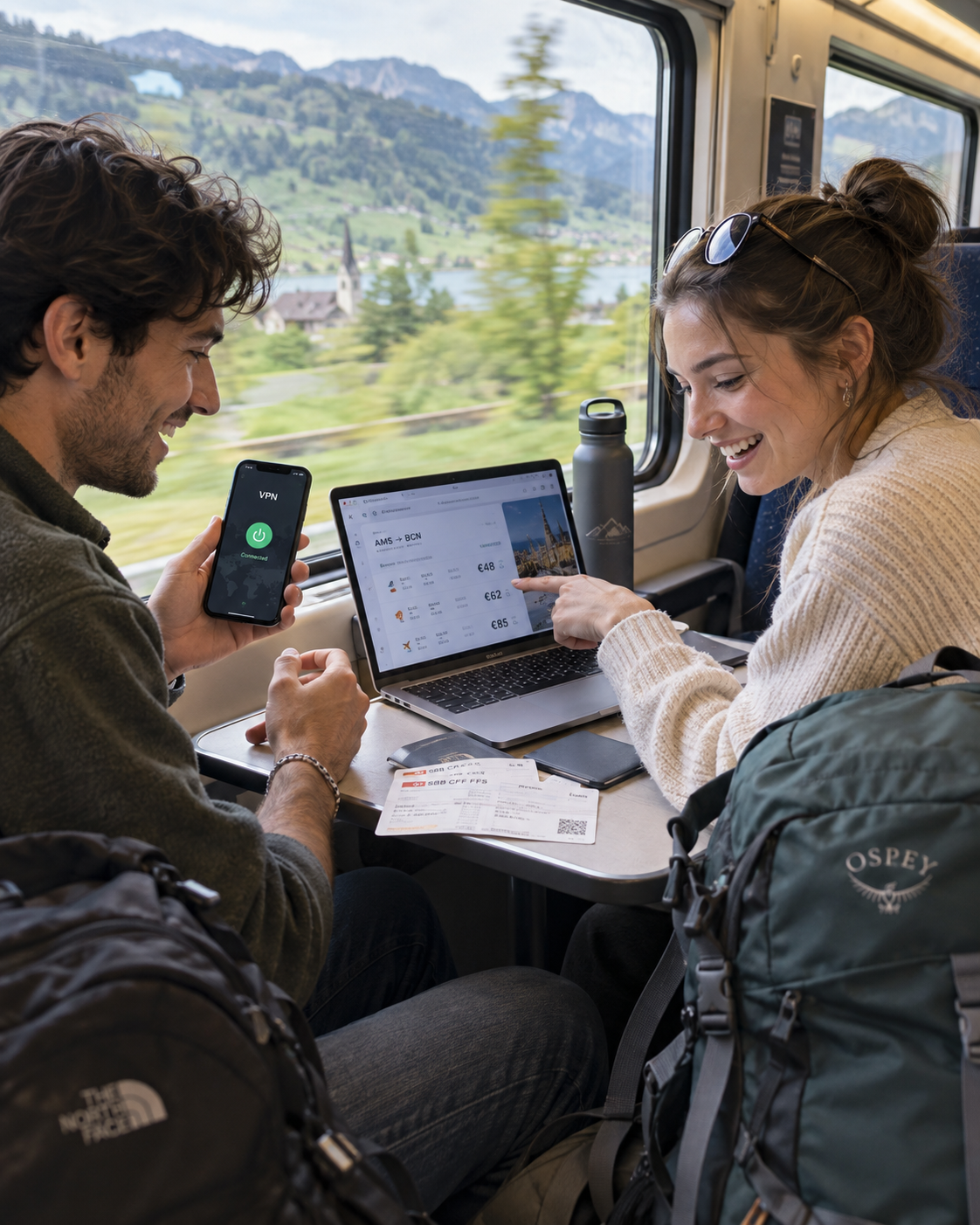
Given all that, it is worth being clear about where the real savings live, so you spend your effort on what works rather than on switching VPN servers in hope. By all means give the location trick a quick try, since it costs little, and if you do, set a baseline price from your real location first, then check a few different server countries in a fresh incognito window to compare, keeping an eye out for the occasional route where it genuinely pays off. Testing a lower-income country or the airline’s home country is as good a guess as any, but go in expecting nothing and treating any saving as a happy surprise. Treat it as a five-minute experiment, not a project. If a cheaper fare appears and your card will actually pay for it, wonderful, you have won the small lottery; if it does not, you have lost nothing but a few minutes, and you can get on with the strategies that reliably work.
But the reliable savings, the ones that actually move the price meaningfully and consistently, come from things that have nothing to do with a VPN. Being flexible about your dates is the big one, since shifting a departure by a day or two routinely saves far more than any location trick, and using fare-comparison sites and price alerts to watch a route over time will catch real drops when they happen. Booking neither too early nor too late, comparing nearby airports, and being willing to take a less convenient routing all save more, more dependably, than hiding your location ever will. None of these has the thrill of a secret hack, which is probably why they get less attention, but they are where experienced travelers actually find their cheap seats, quietly and repeatedly. If you only have the energy for one strategy, make it flexibility with your dates and a good fare alert, not a VPN, because that is where the money actually is. The VPN trick is a fun thing to test on the side, but it should never be the centerpiece of how you hunt for a cheap flight.
What a VPN Is Actually Good For
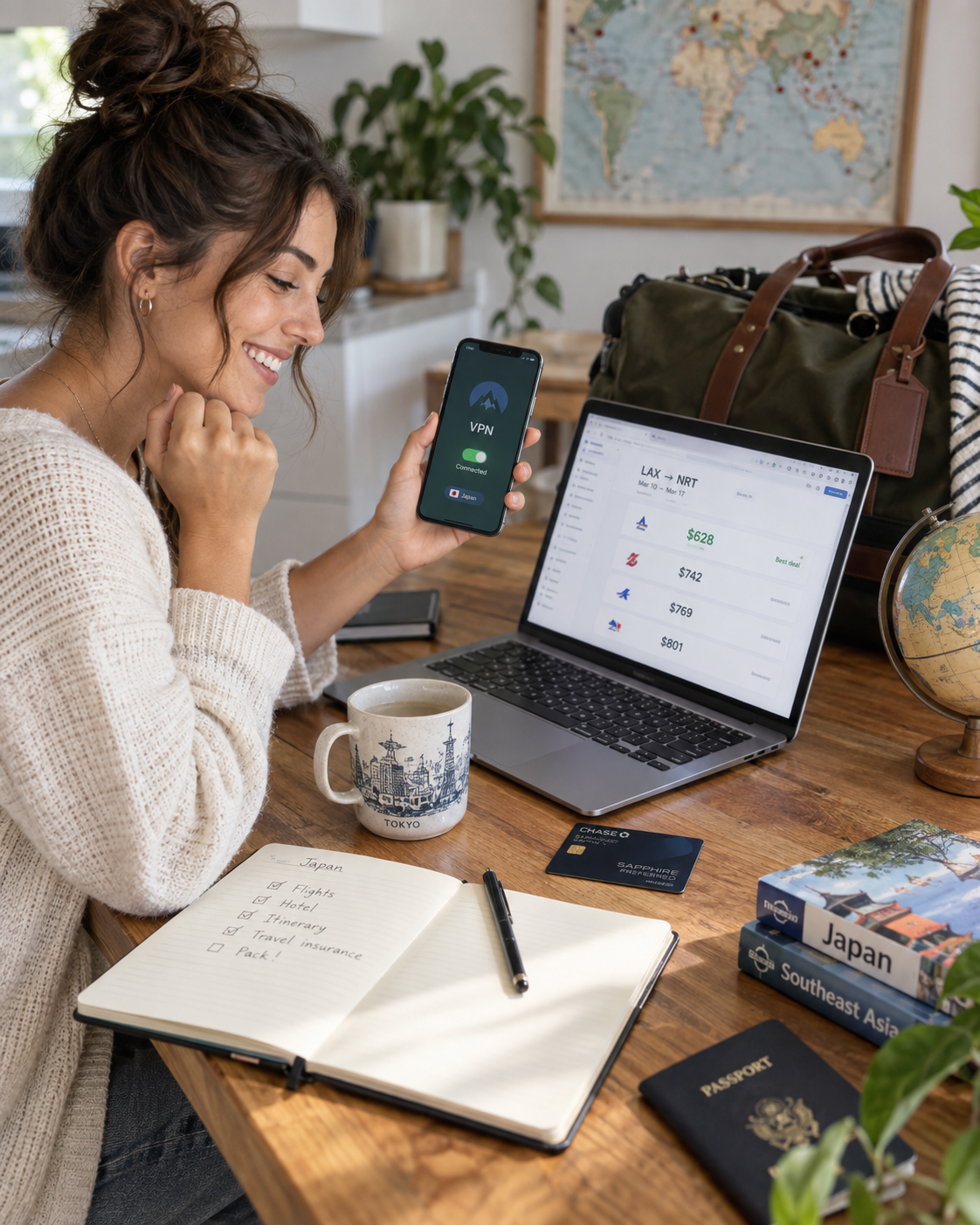
None of this means a VPN is useless for travel, only that catching cheap flights is the wrong headline reason to have one. Its genuine, everyday value to a traveler lies elsewhere, and it is worth knowing, because these benefits are real and reliable in a way the flight trick is not. The most solid is security. When you connect to the public wifi in an airport, a hotel, or a cafe, those networks are notoriously insecure, and a VPN encrypts your connection so that your passwords, your banking, and your personal data are protected from anyone lurking on the same network, which for someone travelling and constantly hopping onto strange wifi is a genuine and constant benefit. This is the use that actually justifies owning one, the quiet, boring, dependable protection that matters most on exactly the sketchy networks travelers cannot avoid.
There are other real uses too. A VPN lets you reach the services and accounts from home that are often blocked or altered when you are abroad, from your streaming subscriptions to certain banking apps that behave strangely from a foreign address.
And while the flight trick is a lottery, the same location-changing does tend to work rather more reliably on hotel and car-rental sites, which are often more openly regional in their pricing, so it can be worth a comparison there.
The honest summary is that a VPN is a genuinely useful travel tool for privacy, security, and access, with occasional bonus savings on some bookings, rather than the magic flight-discount machine the old hack made it out to be. Bought for the right reasons, it earns its keep. Bought purely to game airline prices, it will mostly disappoint. The mistake is not in owning a VPN but in owning one for the flight hack alone and then feeling cheated when the fares refuse to budge, so set your expectations by its real strengths rather than its viral reputation. As always, this is general information rather than a guarantee of savings, and prices, routes, and site behavior change constantly, so treat any trick as something to test rather than trust. Approached that way, with clear eyes and modest expectations, you will neither miss the occasional real saving nor waste an evening chasing one that was never there.

About the Author: Ruben, co-founder of Gamintraveler.com since 2014, is a seasoned traveler from Spain who has explored over 100 countries since 2009. Known for his extensive travel adventures across South America, Europe, the US, Australia, New Zealand, Asia, and Africa, Ruben combines his passion for adventurous yet sustainable living with his love for cycling, highlighted by his remarkable 5-month bicycle journey from Spain to Norway. He currently resides in Spain, where he continues sharing his travel experiences with his partner, Rachel, and their son, Han.