
A few years ago, one of the internet’s favorite fantasies took hold: small Italian towns, hollowed out by decades of people leaving for the cities, were selling their abandoned houses for one euro. The price of a single coffee for a whole stone house in Sicily, the headlines said, and the dream spread fast across social media, travel shows, and Netflix romances, luring in dreamers the world over who pictured themselves sipping wine on a sun-warmed terrace they had somehow bought for little more than pocket change. Enough time has now passed since the peak of the boom that we can finally look back and see what actually happened to all those dreamers, who really bought these houses, what they truly ended up costing in the end, and who quietly gave up and walked away. The honest update is more complicated, and more interesting, than the fantasy, with some genuine success stories, some hard and expensive lessons, and a surprisingly clear picture of who this is really for. Here is the real story of the one-euro house towns, three years on, told without either the breathless hype or the sneering dismissal the subject usually attracts. The truth sits squarely in between, and it is the most useful place to stand.
What follows is the dream that went viral, what the houses really cost, who actually bought and thrived, who found themselves fleeing, and who the whole thing is genuinely suited to.
The Dream That Went Viral
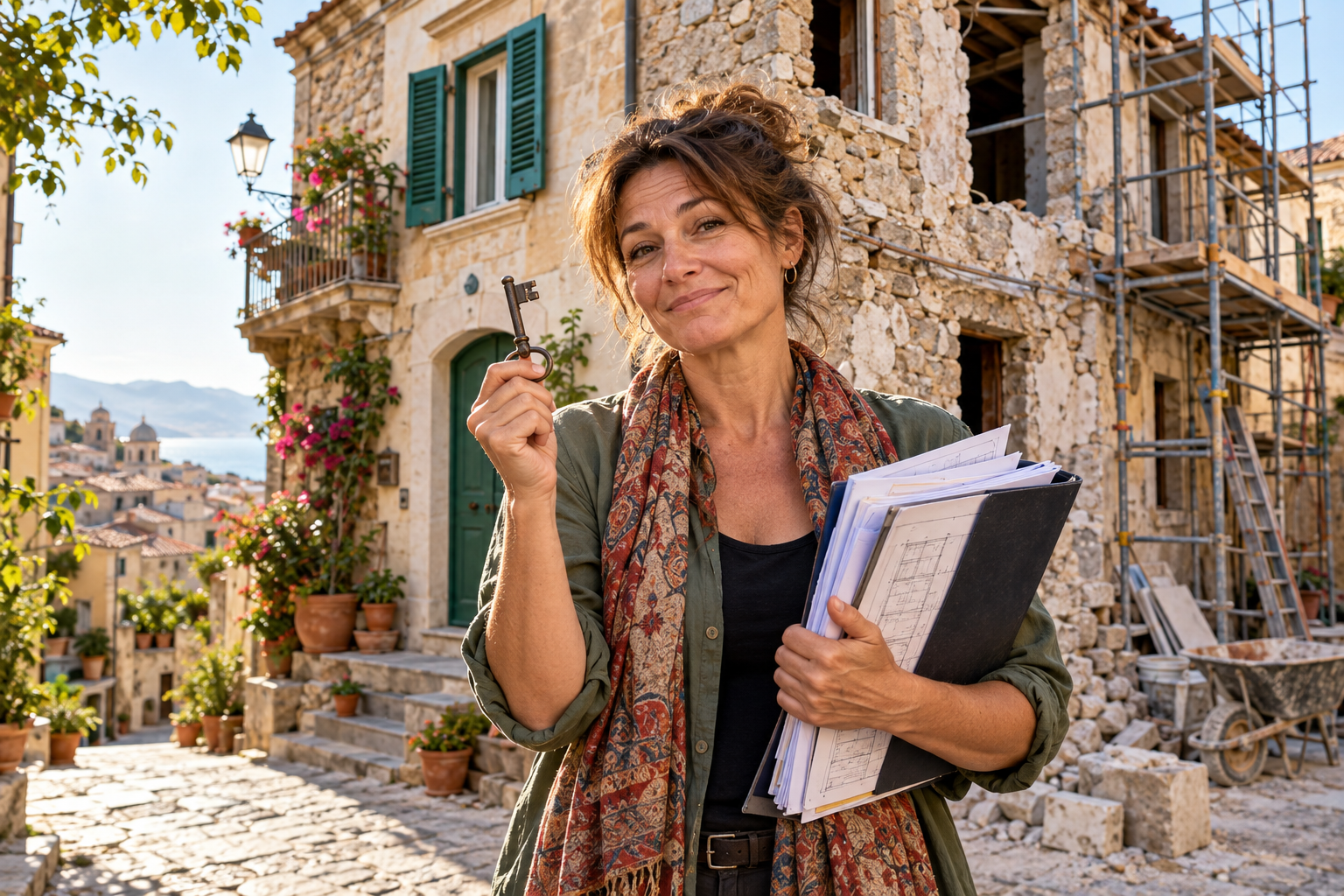
To understand the reality, start with the dream, because the premise was and is real. Across Italy, and especially in Sicily, dozens of small towns have watched their populations drain away over the decades as young people left for jobs in bigger cities and abroad, leaving behind whole streets of empty, crumbling, shuttered houses. To fight the decline and breathe life back into their communities, a number of these towns hit on a striking idea: sell the abandoned houses for a symbolic one euro to anyone willing to take one on and fix it up, drawing in new residents and new money from around the world.
Towns like Sambuca di Sicilia and Mussomeli became the poster children of the movement, and when word got out, the response was overwhelming. Sambuca reportedly fielded a hundred thousand emails of interest and tens of thousands of visitors; Mussomeli has sold well over a hundred houses and drawn buyers from many countries, funneling millions of euros into a town that had been quietly emptying for decades. The scale of the interest, far more than the towns ever expected, is itself part of the story of how a modest local idea became a global phenomenon. The story was irresistible to the world’s media precisely because it sounded too good to be true, a historic home in a beautiful Italian village for less than the price of lunch, and it launched a thousand daydreams of escaping to a simpler, cheaper, sun-drenched life. It arrived at exactly the moment a lot of people, worn down by the cost and pace of life at home, were ready to believe a different existence was available for the price of a coffee and a bit of courage. That dream was genuine and the houses were genuinely on offer; the complication was never the offer itself but everything that came after it, which is exactly what the first flush of headlines left out.
What It Really Cost
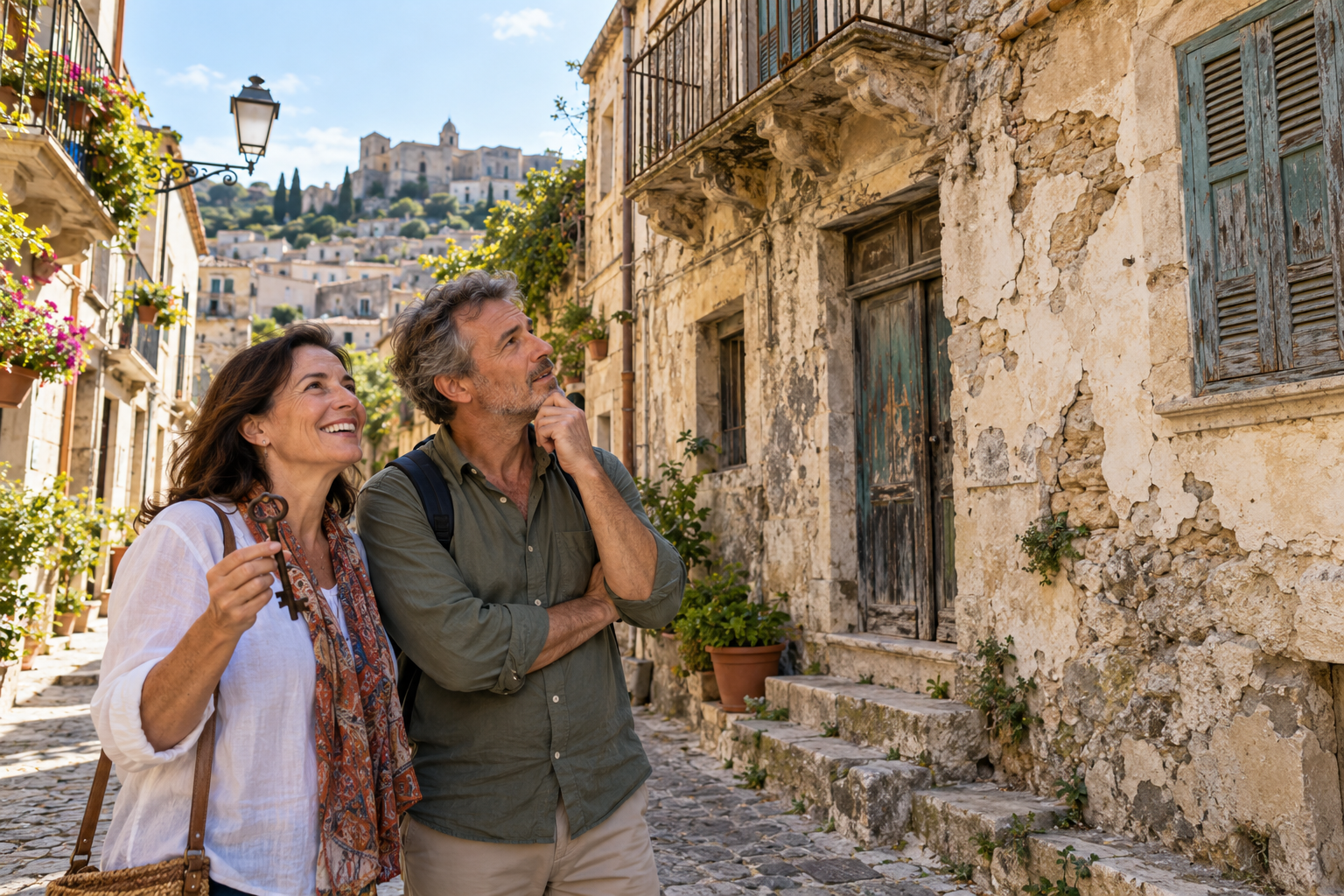
Here is the reality check the dream skipped over, and it is the single most important thing to understand: the one euro is almost the least of what these houses cost. The symbolic price gets you an abandoned property, very often one that has sat empty and decaying for decades, with a leaking or missing roof, crumbling walls, and years of neglect to undo, and the real money begins the very moment you own it. Buyers quickly discover a stack of costs the headline never mentioned.
There is a refundable deposit or bond, commonly around five to ten thousand euros, which you get back only once you have completed the renovation on time. There are purchase, notary, agency, and registration fees running into the thousands, and engineering surveys on top of that, none of which the headline ever mentioned. Each one is modest on its own, but stacked together they quietly turn the free house into a several-thousand-euro commitment before a single wall has been repaired. And then there is the renovation itself, which is not optional but mandatory, since these schemes require you to fully restore the house within a set deadline, usually around three years, or risk losing your deposit.
That renovation is where the real cost lives, commonly running from thirty thousand euros to a hundred thousand or more, with many buyers reporting a total, all-in cost somewhere between eighty and a hundred and fifty thousand euros once every fee, tax, trip, and building bill is counted. The one euro house, in other words, is not a cheap house at all but a discounted derelict property that commits you to a major renovation, and understanding that one distinction is the difference between a dream fulfilled and a genuinely nasty shock. It is a genuine opportunity, but it is a renovation project, not a bargain purchase, and the sooner a would-be buyer internalizes that, the better their odds of ending up among the happy ones.
Who Actually Bought and Thrived
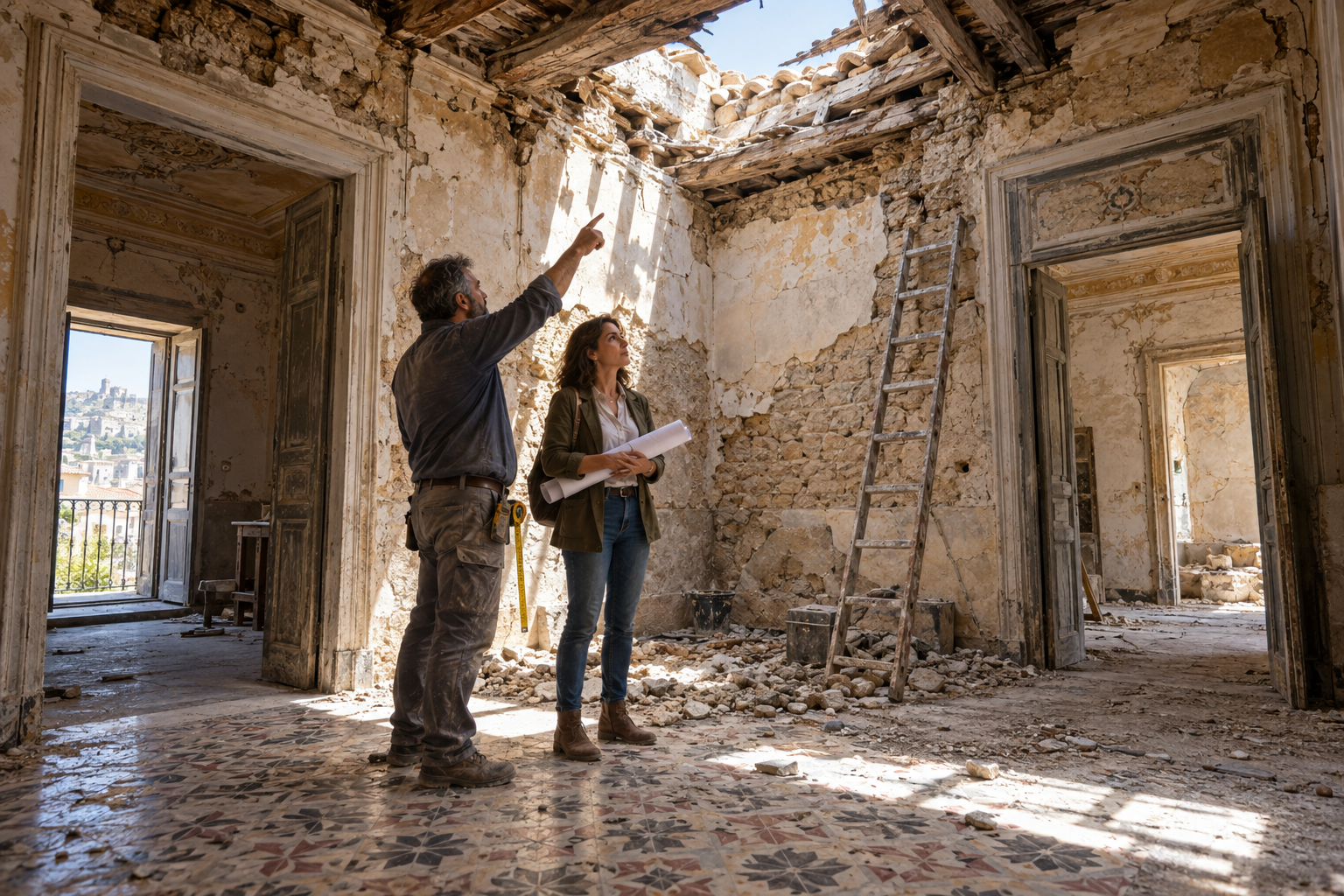
So who took the plunge, and how did it turn out for them? The buyers, strikingly, have been overwhelmingly foreign, with towns like Mussomeli reporting that around seventy percent of purchasers come from abroad, from eighteen different countries, creating small international communities of Americans, Canadians, Koreans, Argentinians, and others in these once-emptying Sicilian towns. And for a certain kind of buyer, the experience has been a real success, the dream more or less delivered, if not quite in the effortless form the headlines implied.
The ones who thrived tend to share a profile. They went in with realistic budgets and a genuine appetite for a project, they were often drawn by something deeper than a cheap house, a connection to Italian heritage or a real love of a particular town, and they were patient with the long, messy process of restoration. One widely reported American buyer in Sambuca, who traced her family roots to the area, spent years and considerable money renovating her house and now plans to spend part of each year there, describing the whole journey, family history and all, as deeply worth it.
Many buyers describe a similar arc, an initial burst of excitement, a sobering reality-check phase when the true costs and difficulties hit, and then, once the house is finally livable, genuine satisfaction and even joy. The towns themselves report neighborhoods coming back to life, restored stonework and reoccupied streets, so where it works, it works beautifully, both for the buyer who ends up with a lovingly restored home and for the town that gets a piece of itself back. These are the stories that go viral in turn, the gorgeous before-and-after photographs that keep the dream alive and pull in the next wave of hopefuls, and they are real, even if they are only half the story.
And Who Found Themselves Fleeing
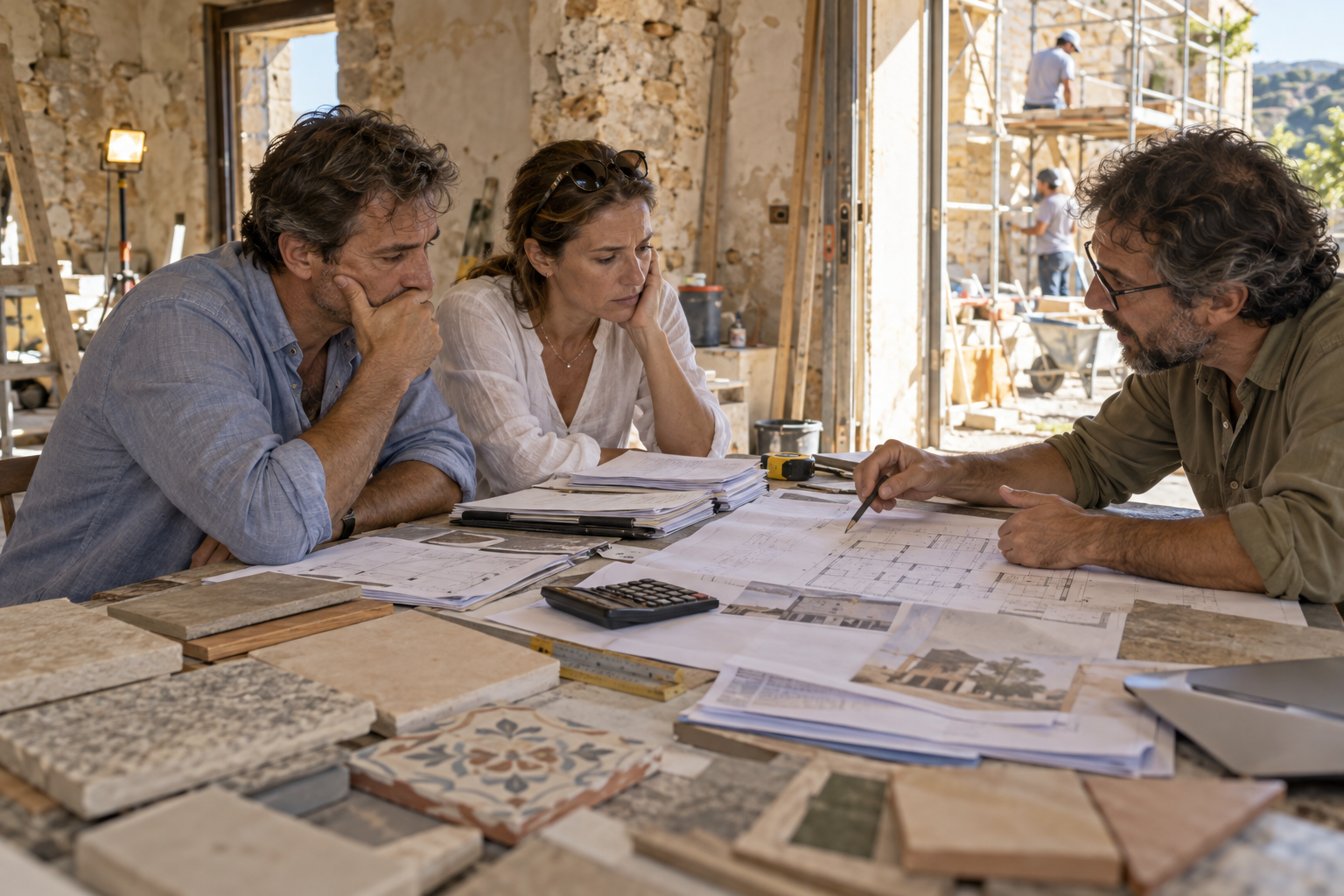
For every success, though, there is a more complicated story, and honesty demands equal time for the buyers who struggled or gave up. The same features that make these houses cheap, their abandonment, their remoteness, their decay, are exactly what make them hard, and plenty of buyers underestimated the scope of what they had taken on. Renovating a centuries-old, half-ruined house in a remote Sicilian town is a formidable undertaking, and it went wrong for a good number of the dreamers. What looks romantic in a listing photograph can look very different when you are standing in a roofless room with a contractor shaking his head and a deadline ticking down.
The failure stories share their own patterns. Some found the structural damage far worse than expected once work began, water damage and missing roofs and undocumented past alterations turning a manageable project into a money pit.
Some, buying during a nationwide renovation boom, simply could not find available builders in a small, remote town, and watched their deadlines loom with no way to meet them.
Many discovered how genuinely hard it is to manage a complex renovation from another country, flying back and forth, wrestling with unfamiliar bureaucracy and permits in a language they did not speak.
And some, honestly, found that the romance faded once the honeymoon ended and the reality of a difficult project in an isolated village set in.
One much-discussed buyer, faced with a house that suffered extensive damage, ended up selling it back to the local agency for the same one euro he had paid, though he remained fond of the town and found other ways to put down roots there. His story captures the whole thing in miniature, a genuine love of the place surviving even after the house itself defeated him. Others have simply abandoned their properties again, or quietly let the dream go, absorbing the lost deposit and the lesson. These are the stories that do not go viral, the quiet retreats that never make the glossy before-and-after reels, which is precisely why the failure rate is easy to underestimate from the outside. The reasons people fled were rarely the purchase price and almost always everything that came after it. What defeated them was not the euro but the years, the money, the distance, and the sheer grinding difficulty of dragging a ruin back to life from across an ocean.
The Towns’ Side of the Bargain
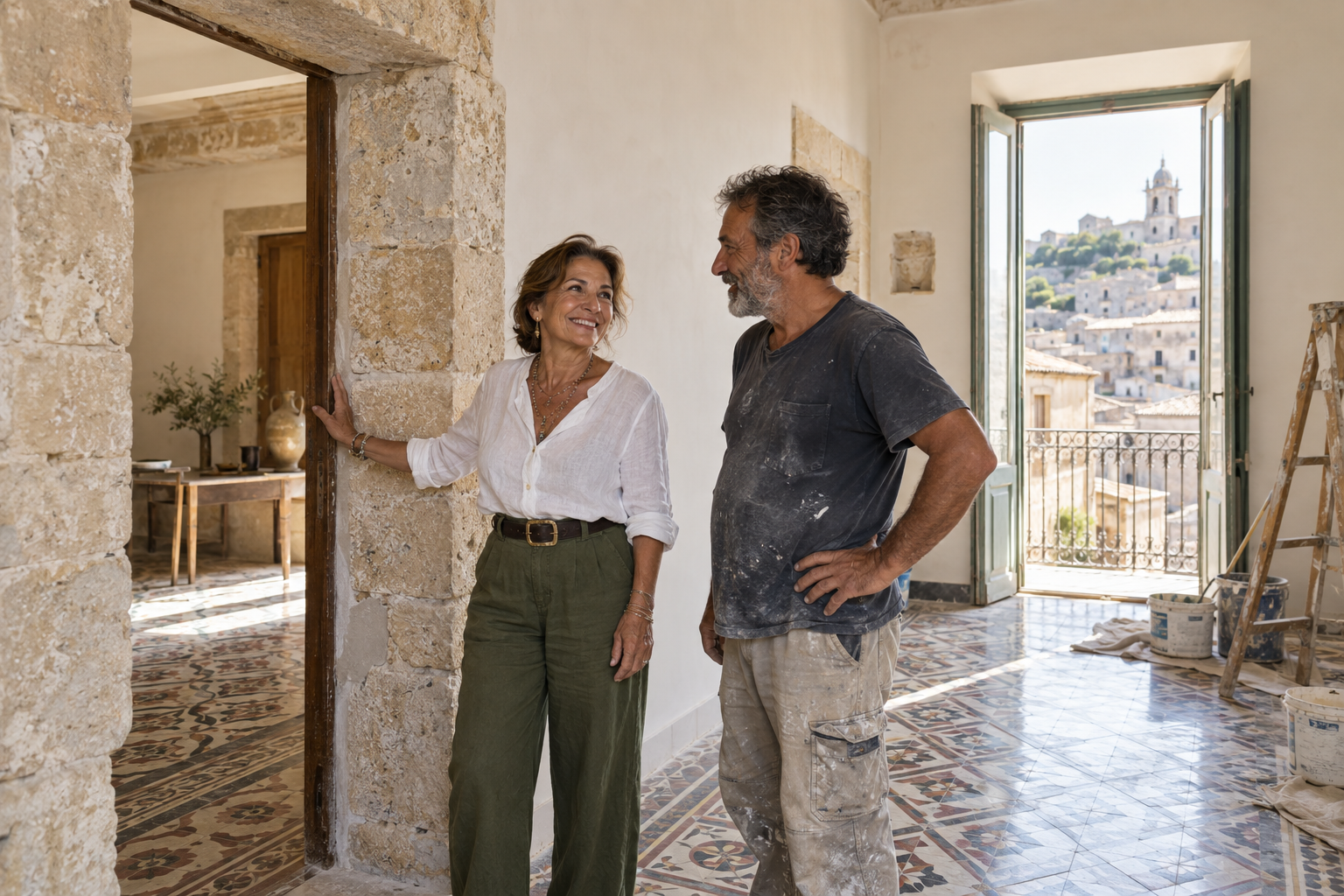
It is worth stepping back from the buyers for a moment to look at the towns, because the one-euro house was never really a gift and understanding the towns’ motives makes the whole thing clearer. These schemes are, at bottom, a clever piece of municipal strategy, a way for cash-strapped towns with hundreds of decaying, abandoned properties to transfer the burden and cost of restoring them onto private buyers, while generating a flood of free global publicity in the process. The town offloads a derelict building it would otherwise have to deal with, gains a renovated house and ideally a new resident who spends money locally, and gets written up by CNN and the BBC into the bargain. It is a genuinely smart bit of policy, not a charity.
By that measure, the schemes have had real success for the towns themselves, whatever the mixed results for individual buyers. Places like Sambuca and Mussomeli have brought millions of euros into their local economies, reoccupied and restored streets that were emptying out, and gathered small international communities where before there was decline. The model has spread and evolved, too: as the cheapest housing stock in the most famous towns gets snapped up, some have moved to slightly higher symbolic prices, with Sambuca now running a three-euro scheme, and other struggling towns across Italy and beyond have experimented with their own variations, some even paying people outright to move in. For the towns, in other words, the gamble has largely paid off, which is why the schemes keep multiplying, and it is a useful reminder to the starry-eyed buyer that they are one half of a transaction designed, quite reasonably, to serve the town’s interests as much as their own.
Who It’s Really For
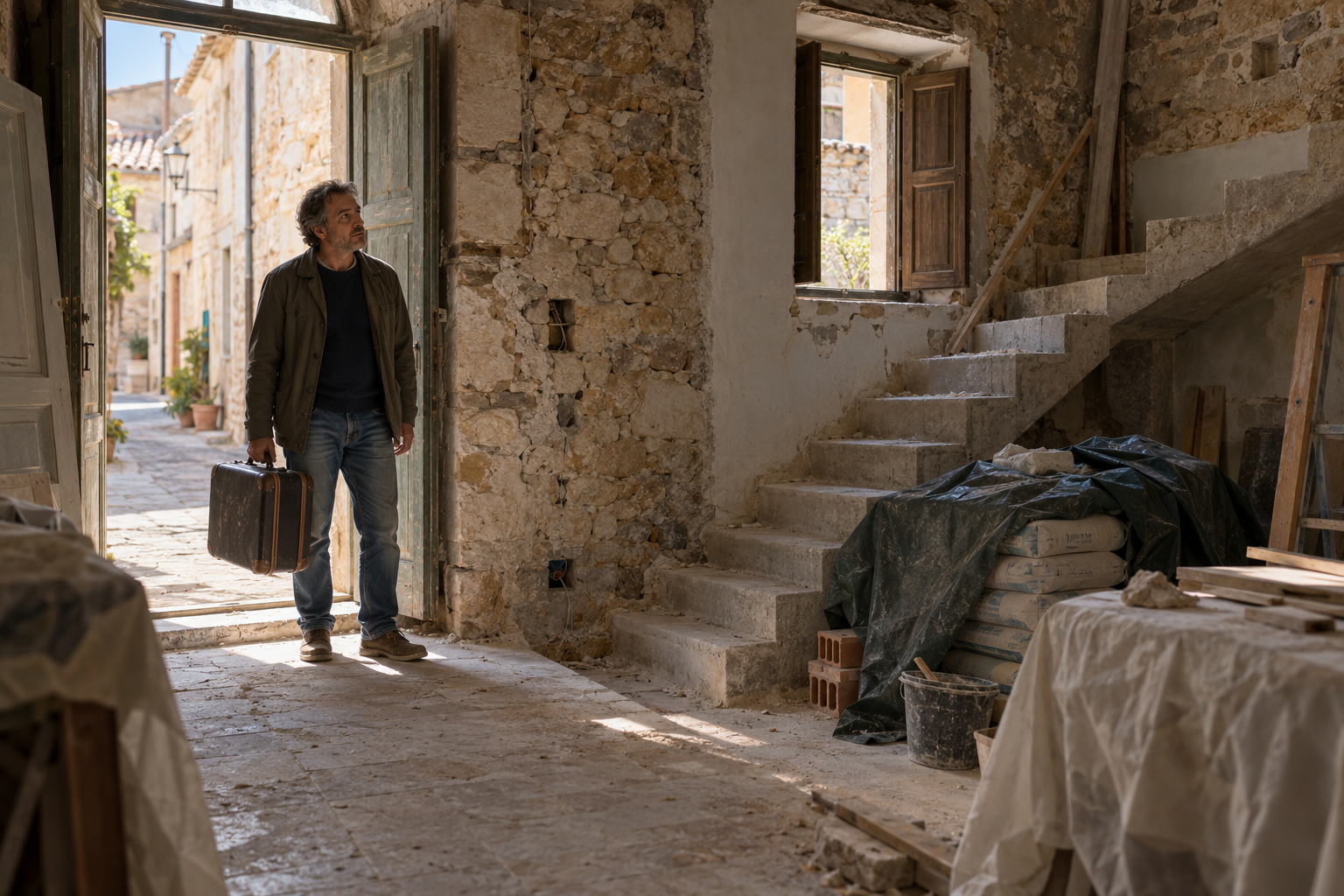
Put the successes and the failures together and a clear picture emerges of who should and should not chase a one-euro house, which is the genuinely useful thing to take from three years of results. This is emphatically not a scheme for someone looking for a cheap, move-in-ready home, and anyone drawn purely by the one-euro price tag is likely to be among those who flee. It is best understood as a hands-on renovation project in a remote town, suited to a particular kind of person and a particular kind of budget.
The people it genuinely suits are those who actively want a restoration project and will enjoy it, who have a real budget for it, on the order of fifty thousand euros or more rather than a spare euro, who are patient with bureaucracy and comfortable managing or overseeing a long renovation, and who are drawn to a specific town for real reasons, heritage, love of the place, a desire for a second home or a slower seasonal life, rather than just the novelty of the price. For that person the maths can genuinely work, since fifty or eighty thousand euros all-in for a restored stone house in a beautiful Italian town is, by the standards of property almost anywhere, a real bargain, just not the one-euro bargain the headline promised.
For that person, especially one wanting a part-year Italian retreat rather than a full-time life, it can be a wonderful and even affordable way into a restored home in a beautiful place, and a genuine adventure into the bargain. The renovation that breaks one person is exactly the project another has been dreaming of, which is why the same scheme produces such wildly different verdicts.
It suits far less the person hoping for a cheap permanent home in a lively area with jobs and services, since these towns are remote and depopulating for real reasons, or anyone expecting the process to be quick, simple, or truly cheap. And it is worth remembering that buying a house gives you no right to live in Italy, since a non-European still needs a visa to stay, so the house is only ever one piece of a much larger puzzle. This is general information rather than financial advice, and these schemes and their rules vary from town to town and change over time, so anyone tempted should research the specific town thoroughly and get proper local advice before bidding on a euro that could end up costing a hundred thousand of them.

About the Author: Ruben, co-founder of Gamintraveler.com since 2014, is a seasoned traveler from Spain who has explored over 100 countries since 2009. Known for his extensive travel adventures across South America, Europe, the US, Australia, New Zealand, Asia, and Africa, Ruben combines his passion for adventurous yet sustainable living with his love for cycling, highlighted by his remarkable 5-month bicycle journey from Spain to Norway. He currently resides in Spain, where he continues sharing his travel experiences with his partner, Rachel, and their son, Han.