
Italy’s famous €1 home programs have attracted global attention for years, but the reality is much more interesting than the headline suggests. The idea sounds almost too good to be true: buy a house in an Italian village for the price of a coffee, renovate it, and build a new life in a place most tourists have never heard of. For some Americans, that dream has moved beyond social media fantasy and turned into a real relocation strategy.
The biggest surprise is that the most successful buyers are often not chasing the famous cities. They are looking at small villages where property is cheap because populations have declined, younger residents have moved away, and local governments are trying to bring life back into historic communities. These places may not have the glamour of Rome, Florence, or Milan, but they offer something very different: space, slower living, local community, and the chance to own a home for a fraction of what many Americans would pay back home.
Of course, the €1 price is only the beginning. Buyers still need to think about renovation costs, taxes, notary fees, permits, utilities, deadlines, and the condition of the property itself. Some houses need cosmetic work, while others require major structural repairs. The Americans who make these projects work tend to approach them as long-term investments in lifestyle rather than as cheap real estate shortcuts.
What makes these villages especially appealing is that they offer something many buyers say they cannot find easily in the United States: a sense of place. Small piazzas, local cafés, neighborhood bakeries, walkable streets, and slower routines can feel completely different from suburban life. For people who are willing to trade convenience for character, these villages can offer a level of charm and community that is difficult to put a price on.
These seven Italian villages show why the €1 home trend continues to capture so much attention. The appeal is not really about buying a house for one euro. It is about the possibility of starting over somewhere quieter, cheaper, and more connected to local life. For the Americans who understand the costs, do the renovation math, and choose the right village, the dream can become surprisingly real.
Other Reads:
– 9 Most Colorful Towns in Italy
– eSIM Italy Unlimited Data: Italy eSIM Data Plans 2024 Update
– 7 Best Weekend Getaways In Italy
BOOK YOUR TRAVEL INSURANCE
Two of our favorite travel insurance: Heymondo Vs Safetwing cheapest travel Insurance. You can get for $135 USD your Heymondo Travel Insurance with Heymondo discount code valid for 90 days. Read our full comparison of Genki vs Safetywing Travel Insurance Review and the comparison Heymondo vs Genki
Quick Easy Tips
Do Your Research on Renovation Costs – The €1 price tag is real, but the restoration is where the real money (and red tape) lives.
Learn Basic Italian – In these villages, English is rarely spoken. Knowing key phrases makes a huge difference.
Visit Before You Buy – Photos don’t show structural issues. Walk the town, meet locals, and assess the condition yourself.
Check Infrastructure Access – Some villages are charming but isolated. Make sure there’s reliable water, roads, and internet.
Understand the Local Rules – Each village has different terms for the €1 house program. Deadlines, deposit requirements, and penalties vary.
One controversial truth about Italy is that many travelers say they want an authentic experience while spending most of their time in the exact same famous cities. Rome, Florence, Venice, Milan, and the Amalfi Coast dominate itineraries because they are iconic, but they are only one version of the country. Smaller villages often reveal a slower, more local side of Italy that visitors rarely see when they move from landmark to landmark on a tightly scheduled trip.
Another uncomfortable point is that some of the places travelers describe as “secret” are not really secret at all. Italians have known them for generations, and many domestic travelers visit them regularly. The idea of a hidden gem is often created from an international perspective. A village may feel undiscovered to an American traveler while being completely familiar to people who live a few hours away.
There is also a contradiction in the way travelers chase authenticity. The moment a beautiful village becomes popular online, more people arrive looking for the untouched experience they saw in photographs. Cafés adapt, accommodations multiply, prices rise, and the atmosphere changes. Travelers want places to stay exactly as they imagined them while also expecting easy access, English menus, reliable Wi-Fi, and convenient transportation.
Another controversial point is that small Italian villages are not always easier or cheaper than famous cities. Public transportation can be limited, restaurants may operate on shorter schedules, and accommodation options can be sparse. Some villages are seasonal, and others can feel almost empty outside peak periods. Romanticizing rural Italy without considering the practical side can lead to disappointment.
The bigger lesson is that the appeal of these places comes from accepting them on their own terms. A village should not be treated as a miniature version of Rome or Florence. Its value may come from slower mornings, fewer attractions, local food, quiet streets, and the feeling that there is nothing urgent to accomplish. For some travelers, that is exactly the point.
1. Bormida, Liguria: The Digital Nomad’s Secret
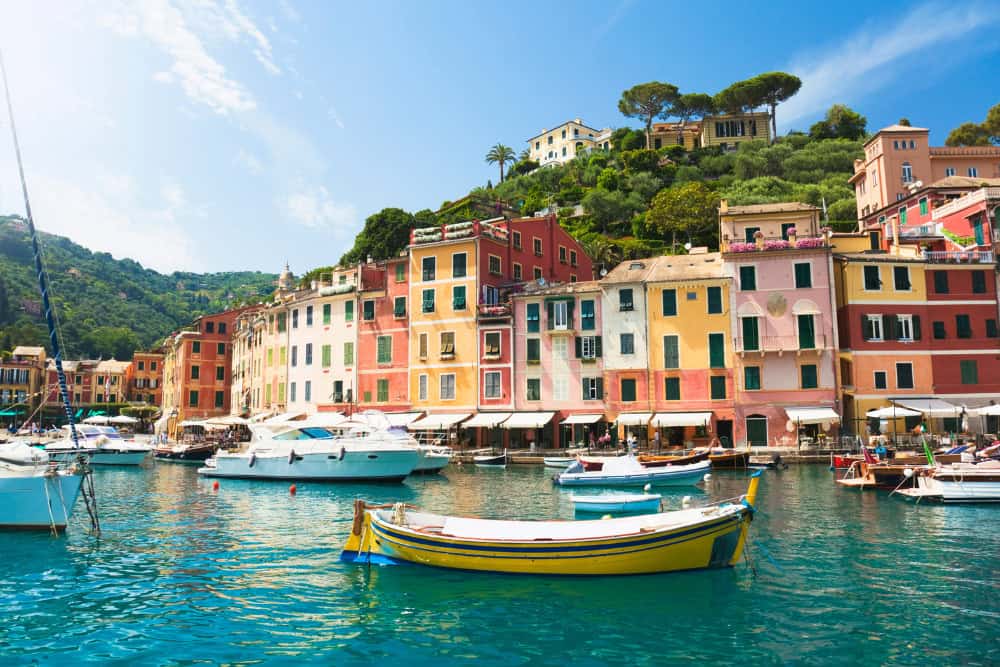
Nestled in Liguria’s hills, just 90 minutes from Genoa’s international airport, Bormida (population: 394) has quietly become a success story in the €1 house movement. While tourists crowd the nearby Cinque Terre, this village offers something more valuable: a sustainable way of life for remote workers and digital entrepreneurs.
Why It’s Working: * High-speed fiber internet (rare for rural Italy) * English-speaking staff at town hall * Network of English-speaking contractors * Active expat community * Year-round moderate climate * Strong local support system The Real Numbers: Initial Costs * House: €1-5,000 * Notary fees: €2,000-3,000 * Paperwork: €1,500-2,000 * Required deposit: €5,000 (refundable) Renovation * Average cost: €30,000-45,000 with a typical timeline of 12 months and start within 6 months of purchase
The local Bar Centrale has become an unofficial coworking space, perfectly symbolizing how this village balances traditional Italian life with modern remote work needs. Unlike many Italian villages, Bormida stays active year-round.
Best Time to Visit: April-May or September-October for authentic village experience.
2. Carrega Ligure, Piedmont: Where Tradition Meets Remote Work
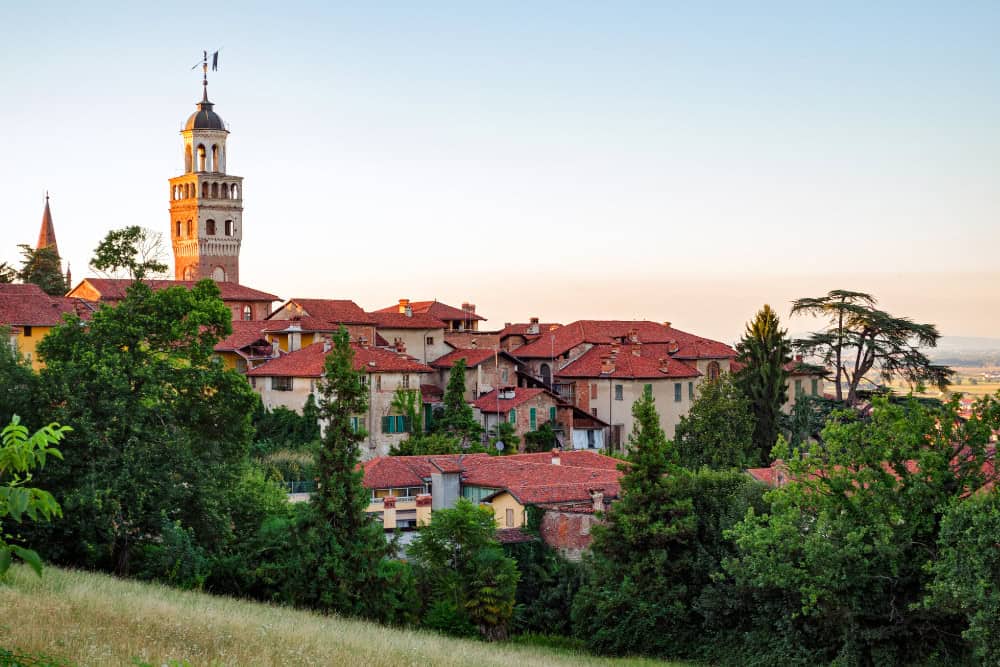
Hidden in the Piedmontese mountains, Carrega Ligure (population: 85) represents the perfect blend of Italian authenticity and modern possibility. While better-known regions struggle with overtourism, this village has preserved its character while quietly welcoming a new generation of digital workers and artists.
Why It’s Working:
- Strong local artisan community and workshops
- Recently upgraded internet infrastructure
- Affordable organic produce from local farms
- Active cultural preservation programs
- Four seasons of stunning mountain views
- Easy access to Milan and Turin
The Real Numbers: Initial Costs
- House: €1-3,000
- Notary fees: €2,000-2,500
- Paperwork: €1,000-1,500
- Required deposit: €4,000 (refundable)
Renovation
- Average cost: €25,000-40,000 with a typical timeline of 8-12 months and must start within 4 months of purchase
The village’s weekly farmers’ market has become a hub for both locals and newcomers, where traditional Piedmontese products meet international influences. The local government actively supports remote workers with dedicated co-working spaces in restored buildings.
Best Time to Visit: June-September for perfect mountain weather, or December for magical winter landscapes.
3. Fabbriche di Vergemoli, Tuscany: The Artisan’s Paradise
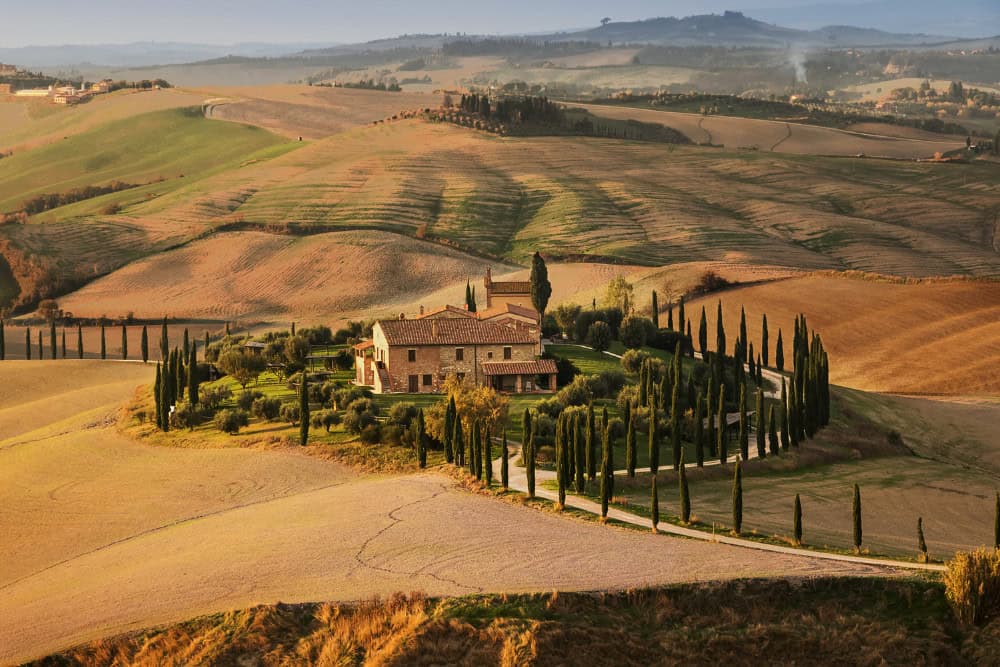
Tucked away in the Tuscan hills beyond the tourist crowds, Fabbriche di Vergemoli (population: 800) has emerged as a haven for artisans and creatives. While most dream of expensive Tuscan villas, this village offers authentic Tuscan life at a fraction of the cost, just an hour from Florence’s international airport.
Why It’s Working:
- Established artisan workshops and studios
- Strong local craftsmanship programs
- Only 45 minutes from Lucca
- Active youth entrepreneurship initiatives
- Growing international artist community
- Traditional marble working heritage
The Real Numbers: Initial Costs
- House: €1-6,000
- Notary fees: €2,500-3,500
- Paperwork: €1,500-2,500
- Required deposit: €5,000 (refundable)
Renovation
- Average cost: €35,000-50,000 with a typical timeline of 12-18 months and must start within 8 months of purchase
The village’s former marble workshop has been transformed into a community arts center, where local craftsmen teach traditional skills to newcomers. Unlike many €1 house locations, Fabbriche di Vergemoli offers easy access to Tuscany’s major cultural centers while maintaining its authentic village atmosphere.
Best Time to Visit: March-May or September-November to avoid Tuscany’s peak tourist season and intense summer heat.
4. Castropignano, Molise: Italy’s Best-Kept Remote Work Secret
While tourists overflow the Amalfi Coast, this medieval gem (population: 912) in Italy’s youngest region is quietly attracting digital entrepreneurs and remote workers. Perched on a rocky hill with panoramic views, Castropignano offers the rare combination of historical charm and modern practicality at surprisingly affordable prices.
Why It’s Working:
- Recently installed fiber optic internet
- No tourist crowds unlike nearby regions
- Strong regional tax incentives
- Direct train connection to Rome
- Emerging international community
- Active local food scene and cooking school
The Real Numbers: Initial Costs
- House: €1-4,000
- Notary fees: €2,000-3,000
- Paperwork: €1,000-2,000
- Required deposit: €3,000 (refundable)
Renovation
- Average cost: €25,000-35,000 with a typical timeline of 10-14 months and must start within 6 months of purchase
The village’s medieval castle has been transformed into a cultural center hosting regular events that bring together locals and newcomers. The local cooking school has become an unexpected networking hub, where traditional Molisean cuisine meets international influences.
Best Time to Visit: April-June or September-October when the weather is perfect for exploring the surrounding national parks.
5. Gangi, Sicily: Where Mountain Views Meet Mediterranean Life
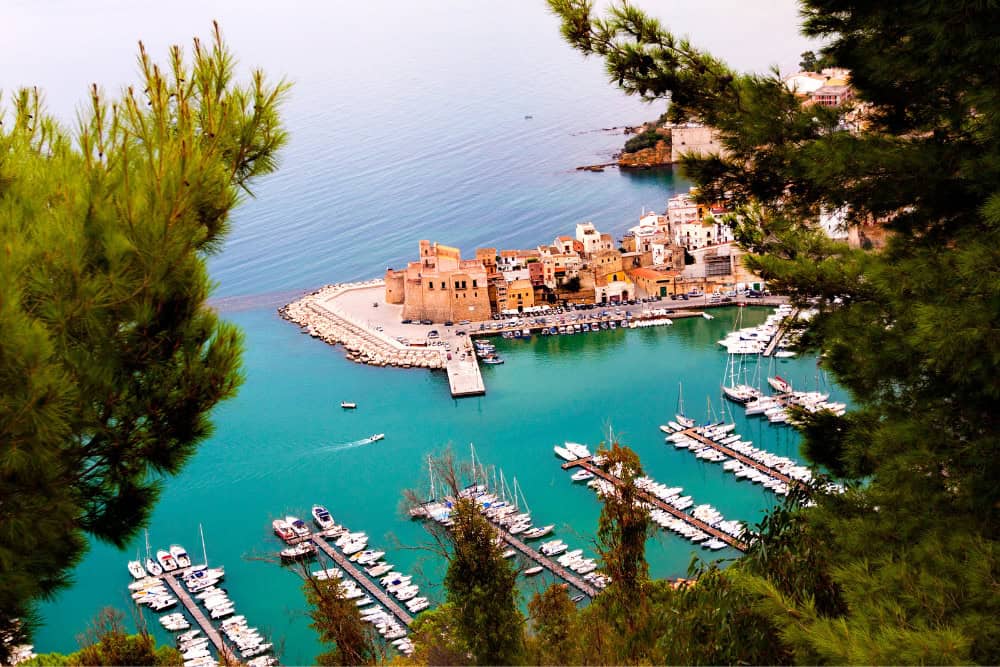
Often overlooked for coastal towns, this mountaintop village (population: 6,547) in the Madonie mountains has become one of Sicily’s most successful €1 house stories. At 1,011 meters above sea level, Gangi offers something rare: cool mountain breezes with Mediterranean charm, just 90 minutes from Palermo’s international airport.
Why It’s Working:
- More established renovation infrastructure
- Proven success with international buyers
- Year-round comfortable climate
- Strong local food and wine scene
- Mix of mountain and sea access
- Regular cultural festivals and events
The Real Numbers: Initial Costs
- House: €5,000-10,000 (prices higher due to success)
- Notary fees: €2,500-3,500
- Paperwork: €1,500-2,500
- Required deposit: €5,000 (refundable)
Renovation
- Average cost: €30,000-45,000 with a typical timeline of 12-15 months and must start within 6 months of purchase
The local government has created a successful model where international buyers are paired with local families who help them navigate both renovation and cultural integration. Unlike many southern locations, Gangi maintains its vibrancy throughout the year thanks to its elevation and diverse economy.
Best Time to Visit: May-June or September-October to enjoy perfect weather and local festivals.
6. Montieri, Tuscany: The Green Energy Pioneer
Off the usual Tuscan tourist trail, Montieri (population: 1,205) stands out for an unexpected reason: it’s one of Italy’s first villages to achieve energy independence through geothermal power. This medieval mining town has transformed itself into a model of sustainable living, attracting environmentally conscious buyers from around the world.
Why It’s Working:
- 100% renewable energy means lower bills
- Strong eco-tourism potential
- Rich mining heritage and museums
- Close to Siena and the coast
- Growing sustainable agriculture scene
- Established renovation support network
The Real Numbers: Initial Costs
- House: €2,000-7,000
- Notary fees: €2,000-3,000
- Paperwork: €1,500-2,500
- Required deposit: €4,000 (refundable)
Renovation
- Average cost: €35,000-50,000 with a typical timeline of 12-16 months and must start within 8 months of purchase
The village’s former mining museum now hosts a center for sustainable living, attracting eco-conscious entrepreneurs and remote workers. Unlike many rural locations, Montieri’s geothermal resources mean reliable heating and hot water year-round at minimal cost.
Best Time to Visit: April-June or September-October when you can enjoy both the village festivals and explore the nearby nature reserves.
7. Bivongi, Calabria: The Wellness Seeker’s Haven
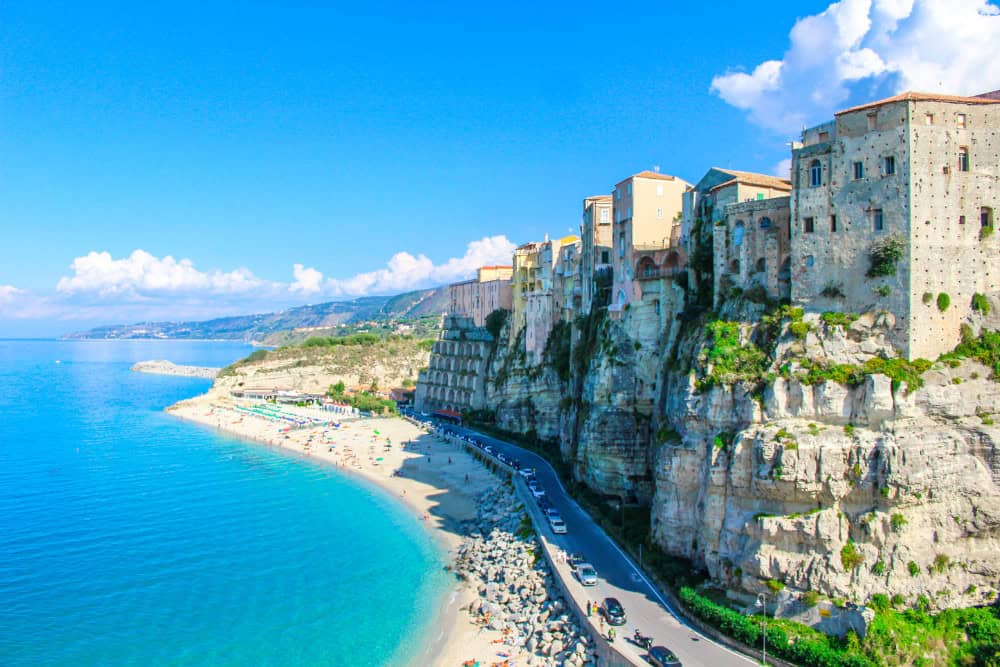
Hidden in Calabria’s Serre Mountains, Bivongi (population: 1,305) has a secret that’s drawing health-conscious entrepreneurs: natural thermal springs and some of Italy’s cleanest air. This ancient Greek settlement has transformed its €1 house program into a wellness destination, combining southern Italian authenticity with modern holistic living.
Why It’s Working:
- Ancient thermal baths and springs
- Surrounded by national parkland
- Organic wine production heritage
- Growing wellness tourism sector
- Strong Greek-Italian cultural roots
- Clean mountain air at 270m altitude
The Real Numbers: Initial Costs
- House: €1-5,000
- Notary fees: €2,000-3,000
- Paperwork: €1,500-2,000
- Required deposit: €3,000 (refundable)
Renovation
- Average cost: €28,000-40,000 with a typical timeline of 10-14 months and must start within 6 months of purchase
The village’s ancient monastery now serves as a cultural center, while local vineyards produce acclaimed organic wines. Unlike many southern locations, Bivongi’s elevation provides comfortable temperatures even in summer, making it ideal for year-round wellness tourism.
Best Time to Visit: May-June or September-October to experience the thermal springs and wine harvest season.
Final Tips On Your €1 House
Before you jump into your Italian house hunting adventure, here’s what successful buyers across all our featured locations have learned:
Documentation Must-Haves:
- Valid passport
- Codice Fiscale (Italian tax code)
- Proof of income/funds
- Clean criminal record
- Bank account (preferably Italian)
Smart Money Management:
- Budget 20% more than estimated costs
- Keep funds in euros to avoid exchange rate surprises
- Consider renovation insurance
- Open an Italian bank account early
Renovation Reality Check:
- Never rely on virtual property viewings
- Get at least three local contractor quotes
- Hire a geometra (technical surveyor) first
- Budget for 6-12 months of temporary housing
Local Integration Tips:
- Learn basic Italian before arriving
- Join local Facebook groups early
- Connect with other successful buyers
- Respect local traditions and timings
Why You Should Care
You should care because smaller villages can show you a side of Italy that feels very different from the famous tourism centers. Daily life becomes more visible when you are not surrounded by major attractions. You notice local cafés, neighborhood routines, small markets, churches, family-run restaurants, and the way people actually move through their day.
You should also care because these destinations can create a more relaxed trip. Instead of racing between museums and landmarks, you may spend an afternoon walking through old streets, sitting in a square, or taking a slow lunch without feeling like you are falling behind on your itinerary. That shift in pace can make Italy feel much more personal.
There is also value in spreading your travel budget beyond the most heavily visited areas. Spending money in smaller towns can support local businesses, family-run accommodations, restaurants, and communities that receive fewer international visitors. It can also reduce some of the pressure placed on destinations that are already struggling with overtourism.
Choosing villages can also make your itinerary more varied. Italy is not one single experience. A hill town in Tuscany, a coastal village in Liguria, a mountain community in the north, and a southern village can feel completely different from one another. Exploring smaller places gives you a better sense of how diverse the country really is.
Most importantly, these villages can restore a sense of discovery. When you arrive without a long list of must-see attractions, you are more likely to notice small details and unexpected moments. That kind of travel often creates stronger memories because the experience feels less scripted.
Why You Should Not Care Too Much
At the same time, you should not avoid Italy’s famous cities simply because they are crowded. Rome, Florence, and Venice are famous for very good reasons. Their art, architecture, history, and cultural importance are difficult to replace. If they are places you genuinely want to see, there is no reason to skip them just to be different.
You should also be careful about chasing the idea of an untouched village. No destination exists purely for visitors, and every town changes over time. A place that feels quiet today may become popular tomorrow. The goal should not be finding somewhere before everyone else does, but traveling respectfully wherever you go.
It is also worth remembering that village travel can require more planning. Transportation may be less frequent, businesses may close unexpectedly, and English may be less widely spoken. Travelers who prefer convenience, nightlife, or a packed schedule may actually enjoy a major city more.
You should not assume that slower travel is automatically better either. Some people love busy cities, museums, restaurants, and constant activity. Others prefer quiet villages. One style is not more authentic than the other. The right choice depends on your personality and what you want from the trip.
Ultimately, secret villages should expand your options rather than become another checklist. You do not need to collect obscure destinations to prove you understand Italy. Visit the places that genuinely interest you, whether they are famous or not.
The Bottom Line
Italy’s smaller villages are a reminder that the country is much larger than its headline destinations. Beyond Rome, Florence, Venice, and the Amalfi Coast, there are countless towns where the pace is slower, the streets are quieter, and the experience feels more connected to everyday life.
The real appeal is not that these places are unknown. It is that they can offer a different rhythm. You may spend more time eating, walking, talking, and simply observing instead of constantly checking off attractions. That slower pace can make a short stay feel surprisingly rich.
These villages also highlight how varied Italy is. Architecture, food, landscapes, and traditions can change dramatically from one region to another. Exploring smaller places makes it easier to appreciate those differences rather than treating Italy as one uniform destination.
Still, there is no need to romanticize them. Small towns can be inconvenient, quiet, or difficult to reach. That is part of the experience, and it may be exactly what one traveler loves and another dislikes.
Ultimately, the best Italian itinerary is not about choosing villages over cities. It is about creating a balance that feels right for you. See the famous places if they excite you, then leave room for somewhere smaller, slower, and less predictable. That contrast is often where Italy becomes most memorable.

About the Author: Ruben, co-founder of Gamintraveler.com since 2014, is a seasoned traveler from Spain who has explored over 100 countries since 2009. Known for his extensive travel adventures across South America, Europe, the US, Australia, New Zealand, Asia, and Africa, Ruben combines his passion for adventurous yet sustainable living with his love for cycling, highlighted by his remarkable 5-month bicycle journey from Spain to Norway. He currently resides in Spain, where he continues sharing his travel experiences with his partner, Rachel, and their son, Han.