
And What They Reveal About Cleanliness, Privacy, and Cultural Comfort Zones
Bathroom habits are one of those cultural differences travelers rarely think about until they are already standing in a restroom wondering why everything feels unfamiliar. Americans often focus on language, food, tipping, or transportation when preparing for Europe, but bathrooms can reveal just as much about everyday culture. Small habits that feel completely normal in the United States can stand out surprisingly quickly in another country.
Some of these differences are practical. European bathrooms may be smaller, use different fixtures, provide less counter space, or follow different expectations around water use, ventilation, privacy, and cleanliness. Others are more social. The way people use public restrooms, what they expect to find inside, and what they consider polite can vary from country to country.
That is why American travelers can sometimes reveal where they are from without saying a word. Asking for things locals rarely expect, using too much space, reacting dramatically to unfamiliar fixtures, or assuming every bathroom should work like one at home can make someone stand out almost immediately. None of these habits are inherently wrong. They simply reflect a different set of expectations.
Europe is also far too diverse to have one universal bathroom culture. A restroom in Spain may feel different from one in Germany, France, Italy, the Netherlands, or Scandinavia. Even within the same country, expectations can change between homes, hotels, restaurants, train stations, and older buildings. The useful lesson is not that Europe has one correct way of doing things, but that travelers benefit from paying attention before assuming.
Understanding these small differences can make a trip smoother and less awkward. Bathroom etiquette may sound trivial, but everyday habits are often where culture becomes most visible. Learning how locals use shared spaces can help you adapt faster, avoid unnecessary frustration, and feel less like the obvious tourist in the room.
Want More Deep Dives into Everyday European Culture?
– Why Europeans Walk Everywhere (And Americans Should Too)
– How Europeans Actually Afford Living in Cities Without Six-Figure Salaries
– 9 ‘Luxury’ Items in America That Europeans Consider Basic Necessities
Quick & Easy Tips to Blend In
Learn the bidet basics it’s common in many European homes and hotels.
Use light water pressure European plumbing can be more delicate than U.S. systems.
Limit toilet paper use some places have different paper quality and disposal rules.
Carry small change public restrooms in parts of Europe may charge a fee.
Mind the shower curtain (or lack of one) European bathrooms often have partial glass screens.
Expect smaller bathrooms space is used more efficiently than in the U.S.
Know the flush styles dual-flush systems are common for water conservation.
Drying habits differ towel warmers are more common than large electric dryers.
Adapt to shared facilities hostels and budget hotels may have communal bathrooms.
One controversial truth is that Americans often expect bathrooms to be more standardized than they actually are elsewhere. Large stalls, generous supplies of paper products, powerful ventilation, multiple hooks, wide counters, and predictable plumbing can become invisible expectations after years of using them. When those features are missing, some travelers assume the bathroom is poorly designed rather than simply designed around different priorities.
Another uncomfortable difference is that Americans can be more sensitive to certain ideas of privacy and hygiene while being less concerned about others. Europeans may accept smaller spaces, visible plumbing, shared sinks, different shower setups, or fewer disposable products without thinking much about it. Meanwhile, American habits that feel hygienic at home may look excessive, wasteful, or unnecessary to locals.
There is also a tendency to confuse unfamiliarity with inferiority. A bidet, dual-flush toilet, handheld shower, wall-mounted fixture, or minimal bathroom setup can initially feel strange to someone who did not grow up with it. That does not mean the system is worse. In many cases, it simply reflects older buildings, different infrastructure, environmental priorities, or cultural habits that developed independently.
Another controversial point is that tourists sometimes demand convenience from places that were never designed around them. Europe contains countless historic buildings where space is limited and plumbing was added long after construction. Expecting every restaurant or apartment to provide a large American-style bathroom can ignore the realities of the architecture.
The larger issue is that bathroom habits expose how quickly people treat their own cultural norms as universal. Something as ordinary as where you place a towel or how long you run the water can feel like common sense until you travel somewhere that does it differently. That is precisely why these small differences can be so revealing.
1. Expecting a Toilet Seat Cover (or Asking for One)
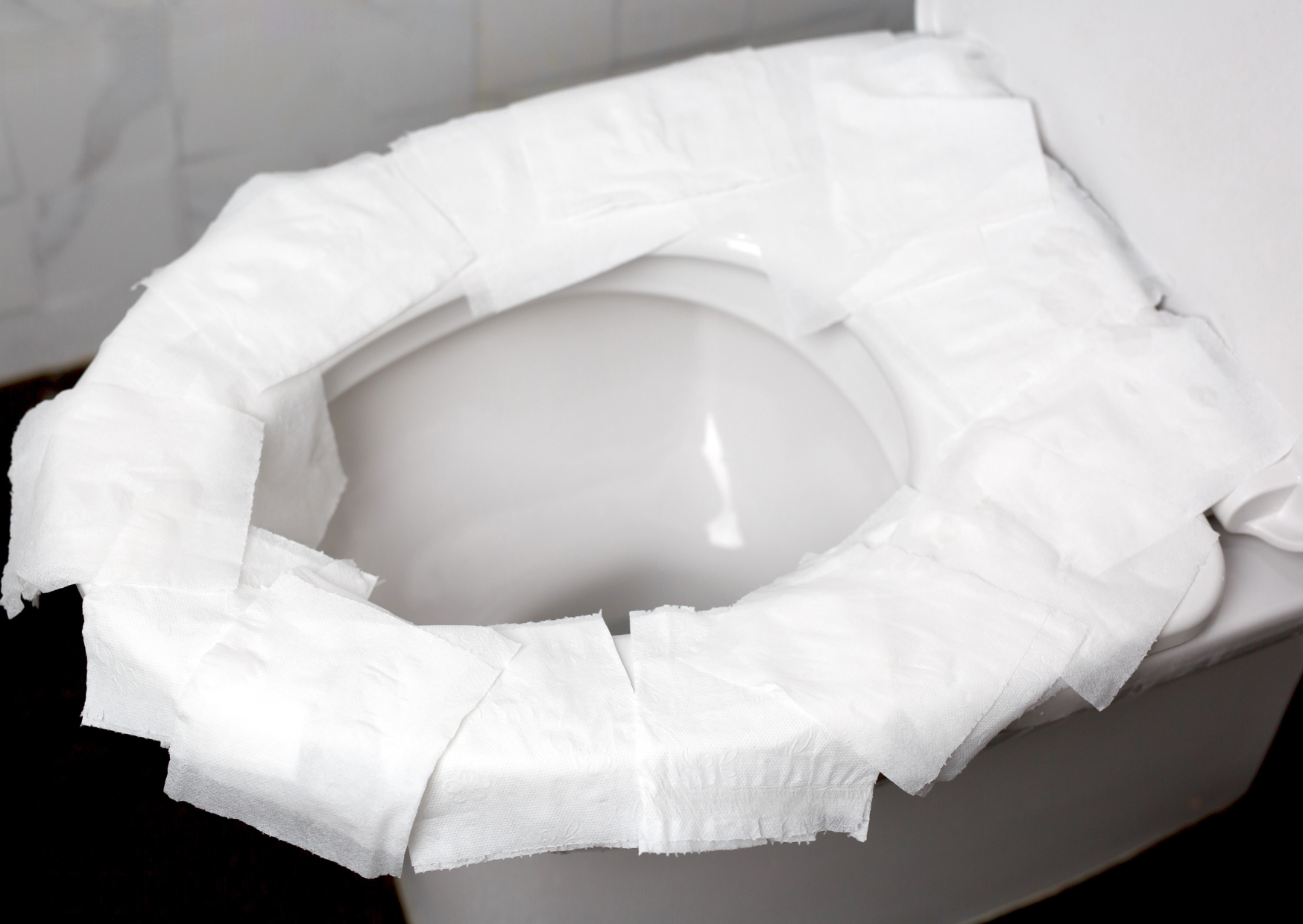
In the U.S., many public restrooms offer paper toilet seat covers, and Americans are used to having that option—or using toilet paper to create a barrier.
In Europe, this concept simply doesn’t exist.
Most locals:
- Sit directly on the seat
- Trust the cleaning schedule
- Use a tissue briefly to wipe, but don’t layer the seat like a craft project
Asking for a seat cover or looking puzzled when there isn’t one marks you as unfamiliar with how locals handle hygiene: clean, direct, and without drama.
2. Not Knowing How to Use the Bidet
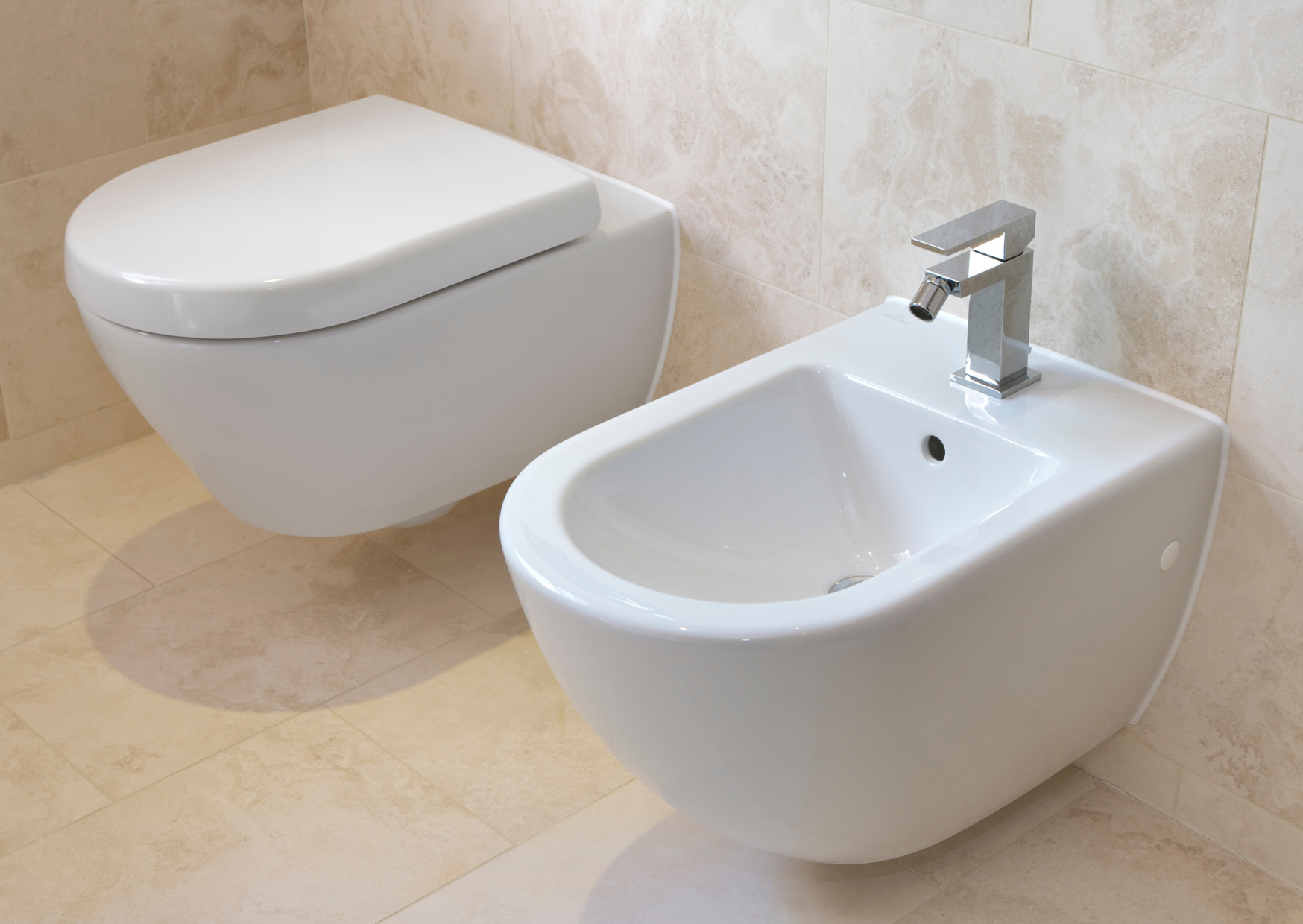
Whether in an Italian hotel, a Portuguese guest house, or a Parisian Airbnb, you might find a low, sink-like basin next to the toilet.
That’s a bidet.
And the moment you say, “What is this? Is it for washing your feet?” they know.
Most Europeans use bidets daily. It’s part of regular hygiene, not a luxury.
It’s for cleansing with water after using the toilet not replacing it.
Americans who’ve never seen one may:
- Avoid it
- Use it incorrectly
- Treat it like a sink or storage space
To locals, this is a dead giveaway.
The bidet isn’t weird. Not knowing what it’s for is.
3. Flushing Toilet Paper—When the Sign Says Not To
In older buildings across southern Europe especially in Greece, Portugal, and parts of Spain you’ll find signs asking you not to flush toilet paper.
Instead, used paper goes in a small bin next to the toilet.
This may feel strange, even unsanitary, to Americans. But the reason is simple:
- Old plumbing systems
- Narrow pipes
- Frequent clogs if paper is flushed
Many American travelers ignore the sign out of habit or discomfort.
Locals see this as not just careless, but disrespectful of infrastructure.
When the plumbing backs up, everyone knows who didn’t follow the rules.
4. Using the Sink Like It’s a Kitchen Counter

American travelers often treat bathroom sinks like:
- Makeup counters
- Toiletry stations
- Shaving stands
- Mouthwash stations
They may:
- Spit toothpaste loudly
- Spread cosmetics across the basin
- Rinse razors and leave residue
- Shake off water aggressively
In Europe, the sink is for discreet washing nothing else.
You won’t see locals flossing in public hotel bathrooms or scrubbing their faces like a YouTube tutorial.
The messier the sink area, the more obvious it becomes: someone here didn’t grow up with shared space norms.
5. Leaving the Bathroom Door Open When Done
In many U.S. households, an open bathroom door signals it’s free.
In Europe, that’s not the case.
Closing the door when you leave even if it’s empty is standard.
Why?
- It preserves privacy
- It keeps odors contained
- It avoids visual clutter in tight homes and flats
Leaving the door open may feel helpful to an American.
To a European, it feels exposing and disruptive like leaving a cabinet door swinging wide.
6. Expecting Free Toilets in Public Places
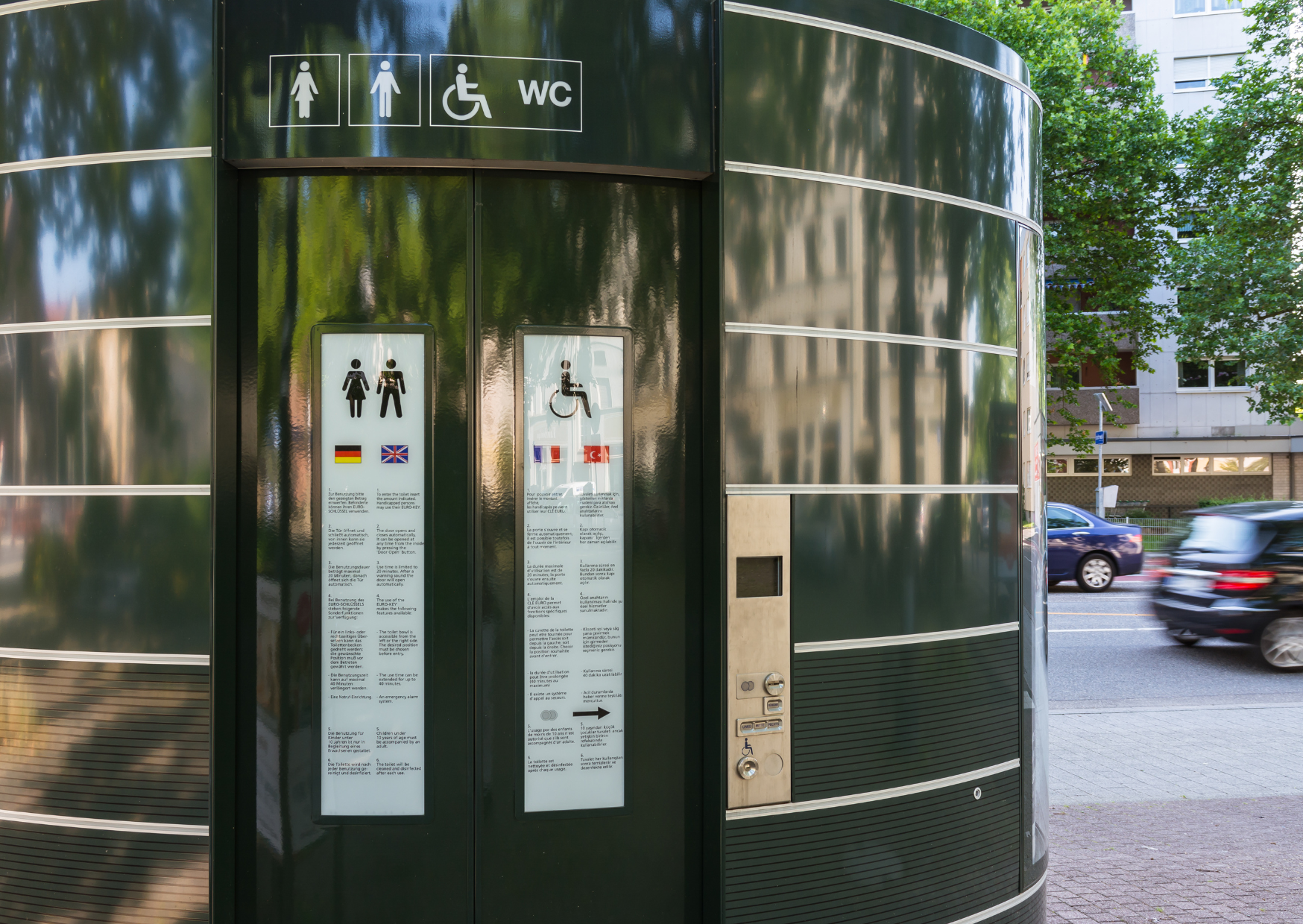
Walk into a European train station, shopping mall, or city square, and you may find:
- A staffed bathroom with a turnstile
- A coin slot for access
- A tip dish near the cleaner
Americans often pause in confusion:
“Wait, I have to pay to pee?”
Yes. And locals have no problem with it.
The fee (usually €0.50–€1) pays for:
- Attendants
- Cleanliness
- Supplies
Trying to sneak in, acting shocked, or arguing with the staff?
That marks you as someone who doesn’t understand the value of maintaining shared hygiene spaces.
7. Drying Hands with Toilet Paper (or Waving Around Looking for a Dryer)
European bathrooms often provide:
- Hand dryers
- Paper towel dispensers
- Or… nothing at all
When there’s nothing obvious, Americans tend to:
- Use toilet paper
- Wave their hands dramatically
- Look for motion sensors that don’t exist
Locals either:
- Wipe on pants
- Air dry discreetly
- Use a personal handkerchief
The key difference? Minimal fuss.
Trying to make the hand-drying experience high-tech or theatrical is a quiet clue:
You’re used to bathrooms doing more work than they do here.
8. Talking Loudly (or at All) Inside the Bathroom
In the U.S., bathroom chatter is common. People talk:
- On the phone
- To a friend in the next stall
- While washing hands
In Europe, bathroom space is almost always silent especially in public or shared spaces.
Conversations are kept low, brief, or non-existent.
Phone calls? Unthinkable.
Talking in a restroom even casually marks you as:
- Less discreet
- Less aware of shared space norms
- Culturally separate
In most of Europe, silence is respect.
Noise is something you leave at the door.
9. Treating Bathroom Time as Private Reflection Time
Many Americans see the bathroom as:
- A private moment
- A chance to scroll
- A quick escape
They linger, refresh makeup, take a breather, or pause in front of the mirror for long stretches.
In Europe, the bathroom is functional.
You enter, do what you came to do, and leave.
Extended mirror time? Someone’s waiting.
Lingering in the stall? There’s a line forming.
Touching up lipstick for 8 minutes? The cleaner notices.
Loitering in the bathroom may feel harmless, but it quietly signals: you’re not reading the room.
Why You Should Care and Follow
You should care because adapting to local bathroom habits can make travel much easier. Knowing that some public restrooms charge a small fee, that toilet access may be tied to being a customer, or that facilities may be smaller than expected can help you avoid frustration. Tiny bits of preparation can prevent surprisingly stressful moments during a long travel day.
Following local habits can also help you avoid making shared spaces uncomfortable for other people. In smaller bathrooms, taking over the sink area, spreading belongings across counters, using excessive water, or leaving a space messier than you found it can feel more noticeable than it would in a large American restroom.
There is also an environmental reason to pay attention. Many European countries place greater emphasis on reducing water and energy use, which can influence toilet systems, showers, heating, and other bathroom fixtures. Learning how those systems work can help you use them properly instead of assuming something is broken.
Paying attention also helps you distinguish between genuine problems and normal differences. If a shower is designed differently or a toilet uses an unfamiliar flush mechanism, observing how the space works can save you from unnecessary confusion. Travelers who adapt quickly usually have a much easier time.
Most importantly, caring about small etiquette differences shows respect. You do not need to copy every habit perfectly, but noticing how people around you behave can help you fit into the environment rather than expecting the environment to adapt to you.
Why You Should Not Care and Follow Too Much
At the same time, you should not become paranoid about every bathroom habit. Most Europeans are not silently analyzing how you wash your hands or where you hang your towel. Cultural etiquette matters, but tourists often exaggerate how closely locals are watching them.
You should also avoid treating every difference as a strict rule. Bathroom customs vary enormously across Europe, and something that is common in one country may be unusual in another. Turning broad observations into universal commandments can create more confusion than it solves.
There is no reason to tolerate unsafe, unhygienic, or uncomfortable conditions simply because something is described as a local habit. If a bathroom is genuinely dirty, broken, or poorly maintained, you are allowed to recognize that. Cultural respect does not require pretending every difference is better.
You should not abandon personal needs either. Someone with mobility limitations, health concerns, children, or specific hygiene requirements may need different accommodations. Practical needs should always come before trying to look perfectly local.
Ultimately, the goal is awareness rather than imitation. Notice the differences, adapt where it makes sense, and do not turn minor etiquette into another source of travel anxiety.
One Room, Two Mindsets
To Americans, the bathroom is:
- Familiar
- Comfortable
- Semi-private, even in public
To Europeans, it’s:
- Communal
- Efficient
- Quietly coded
One culture personalizes the space.
The other respects its function.
Bathroom habits may seem like one of the least important parts of international travel, but they can reveal some of the most interesting cultural differences. The things people do automatically at home become much more visible once they step into a different environment.
For Americans traveling through Europe, many of these moments are simply reminders that everyday life does not follow one universal standard. Bathrooms may be smaller, fixtures may work differently, and expectations around water, privacy, and shared spaces may not match what you are used to.
That does not mean one side is right and the other is wrong. Most differences come from architecture, infrastructure, history, climate, and cultural preference rather than superiority. What feels strange on the first day can feel completely ordinary by the end of a long trip.
The smartest approach is to observe before reacting. Look at how the space is designed, follow posted instructions, respect the people sharing it, and be willing to adapt when something works differently from home. That simple habit applies far beyond bathrooms.
Ultimately, being a good traveler is often about handling small differences without turning them into big problems. If you can navigate the unfamiliar bathroom habits, social rules, and everyday routines of another country with curiosity instead of judgment, you are already traveling more thoughtfully.

About the Author: Ruben, co-founder of Gamintraveler.com since 2014, is a seasoned traveler from Spain who has explored over 100 countries since 2009. Known for his extensive travel adventures across South America, Europe, the US, Australia, New Zealand, Asia, and Africa, Ruben combines his passion for adventurous yet sustainable living with his love for cycling, highlighted by his remarkable 5-month bicycle journey from Spain to Norway. He currently resides in Spain, where he continues sharing his travel experiences with his partner, Rachel, and their son, Han.