
Morning routines are one of the easiest ways cultural differences show up because they are so automatic. Most people do not think much about how they order coffee, what they eat for breakfast, how loudly they speak before work, how quickly they move, or what they wear when they leave the house. But once you travel, those small habits can become surprisingly visible. In many parts of Europe, an American tourist can stand out before the day has properly started, not because they are doing anything wrong, but because their routine follows a different cultural rhythm.
One of the biggest differences is pace. American mornings are often built around efficiency: grab coffee, eat quickly, check the phone, get moving, and start the day. In some European cultures, the morning can feel more deliberate. Coffee may be consumed standing at a bar or sitting at a café, breakfast may be simple, and there may be less emphasis on carrying a giant drink around for an hour. To an American, that can seem slow or inconvenient. To locals, the American approach can look rushed.
Food is another giveaway. Americans may expect a substantial breakfast with eggs, bacon, cereal, pancakes, or a large takeaway coffee, while many European breakfasts are lighter or structured differently. In some countries, bread, pastry, yogurt, cheese, or a small coffee is enough. In others, savory breakfasts are more common. The contrast is not about one style being better; it is about what people grow up thinking a normal morning should look like.
Clothing, volume, and personal space can also reveal cultural differences early in the day. Americans may be comfortable leaving the hotel in workout gear, speaking loudly over breakfast, or moving through public spaces with a more casual attitude. In some European settings, people may dress more intentionally even for ordinary errands or keep morning interactions quieter and more restrained. These are broad patterns, not universal rules, but they can be noticeable.
That is why morning habits are such an interesting lens for understanding travel culture. They expose the routines people rarely question at home. Once you start noticing them, you realize that what feels completely normal in the United States is simply one way of organizing the first few hours of the day.
Want More Cultural Insights?
– 7 Ways You’re Insulting Europeans Without Even Realizing It
– 9 Euro Customs That Are Total Tourist Traps
– Stop Tipping in Europe: 8 Places You’ll Offend Locals by Leaving Extra Money
Quick Easy Tips
Ditch the giant to-go cup: Order coffee the local way small, strong, and sipped at the counter.
Avoid eating breakfast while walking: Sit down, even if it’s just for a few minutes.
Skip the heavy morning protein: Many European breakfasts are lighter than the American standard.
One controversial truth is that Americans often mistake convenience for normality. Large takeaway coffees, eating while walking, wearing gym clothes everywhere, and starting the day at full speed can feel universal when you are used to them. In many European places, those same habits may stand out because convenience is not always prioritized in the same way.
Another uncomfortable point is that American morning culture can be more visibly commercialized. Coffee chains, breakfast sandwiches, energy drinks, drive-throughs, and packaged convenience foods play a huge role in how the day begins. Europe has plenty of commercial breakfast culture too, but the scale and format can be different, particularly in places where café routines remain deeply embedded in daily life.
There is also a tendency to romanticize European mornings as calmer and more refined than they really are. Europeans rush to work, miss trains, grab packaged food, and scroll their phones just like Americans do. The difference is often one of degree, local custom, and setting rather than some perfect lifestyle divide.
Another controversial issue is that tourists sometimes become overly self-conscious about looking American. Standing out is not automatically a problem. You are a visitor, and people generally understand that. The goal should not be to disguise yourself completely, but to avoid behaving as though local habits do not matter.
The broader lesson is that morning routines are cultural signals. They communicate pace, priorities, and expectations without anyone saying a word. Once you understand that, these habits become less about embarrassment and more about learning how another place organizes daily life.
1. The Early Bird Special

Your typical American morning: Rise and shine at 6 AM, hit the hotel gym, and ready to explore by 7 AM sharp. Meanwhile, European cities are still hitting the snooze button.
Why It Stands Out:
- Most European shops and cafes don’t open until 9 or 10 AM
- Streets are eerily quiet before 8 AM, except for American tourists power walking around
- Even business professionals typically start their day later
- Early morning joggers in tourist areas? Almost always American
Local Insight: Europeans generally start their days later but also end them later. That 7 AM coffee shop you found? It’s probably in a tourist area specifically catering to Americans.
How to Adapt:
- Check your hotel’s breakfast hours – they often run later than you’d expect
- Plan museum visits for mid-morning (10-11 AM) when locals start their days
- Use early mornings for photography or peaceful walks if you can’t sleep in
- Save shopping for after 10 AM when local shops actually open
- Look for 24-hour cafes for early mornings – they’re more authentic than tourist spots
2. The Breakfast Buffet Blitz

Nothing says “American tourist” like loading up your plate at the hotel breakfast buffet while Europeans are having a simple coffee and pastry.
Dead Giveaways:
- Piling plates with eggs, bacon, sausage, and pancakes all at once
- Looking for peanut butter or maple syrup
- Asking for egg white omelets or turkey bacon
- Making multiple trips to try “everything”
Local Insight: Most Europeans eat a light breakfast – usually a coffee and croissant or small sandwich. That elaborate breakfast buffet? It’s designed for tourists.
How to Adapt:
- Start with a small pastry and coffee, then plan for a bigger lunch like locals do
- Look for local bakeries opening early rather than hotel breakfasts
- Save money by skipping elaborate hotel breakfasts and eating at neighborhood cafes
- Try regional breakfast specialties (like maritozzo in Rome or ensaïmada in Spain)
- Consider booking accommodations with kitchen access to shop at local markets
3. The Coffee Confusion

Your complicated coffee order might work at Starbucks, but it’s a clear tourist signal in Europe.
American Tell-Tales:
- Ordering a “grande” anything
- Asking for non-fat milk options before 10 AM
- Requesting coffee to go during breakfast
- Looking for iced coffee in traditional cafes
- Expecting free refills
Local Tip: Keep it simple – order a “café” (espresso) or “café au lait” in France, “caffè” or “cappuccino” in Italy (but never after 11 AM!).
How to Adapt:
- Learn basic coffee orders in the local language (write them in your phone)
- Accept that American-style drip coffee isn’t common – embrace espresso-based drinks
- Save money by drinking coffee standing at the bar in Italy
- Skip Starbucks – find local chains like Café Nero or Costa if you need familiarity
- Download local coffee shop apps for loyalty programs and proper ordering
4. The Rush Hour Sprint
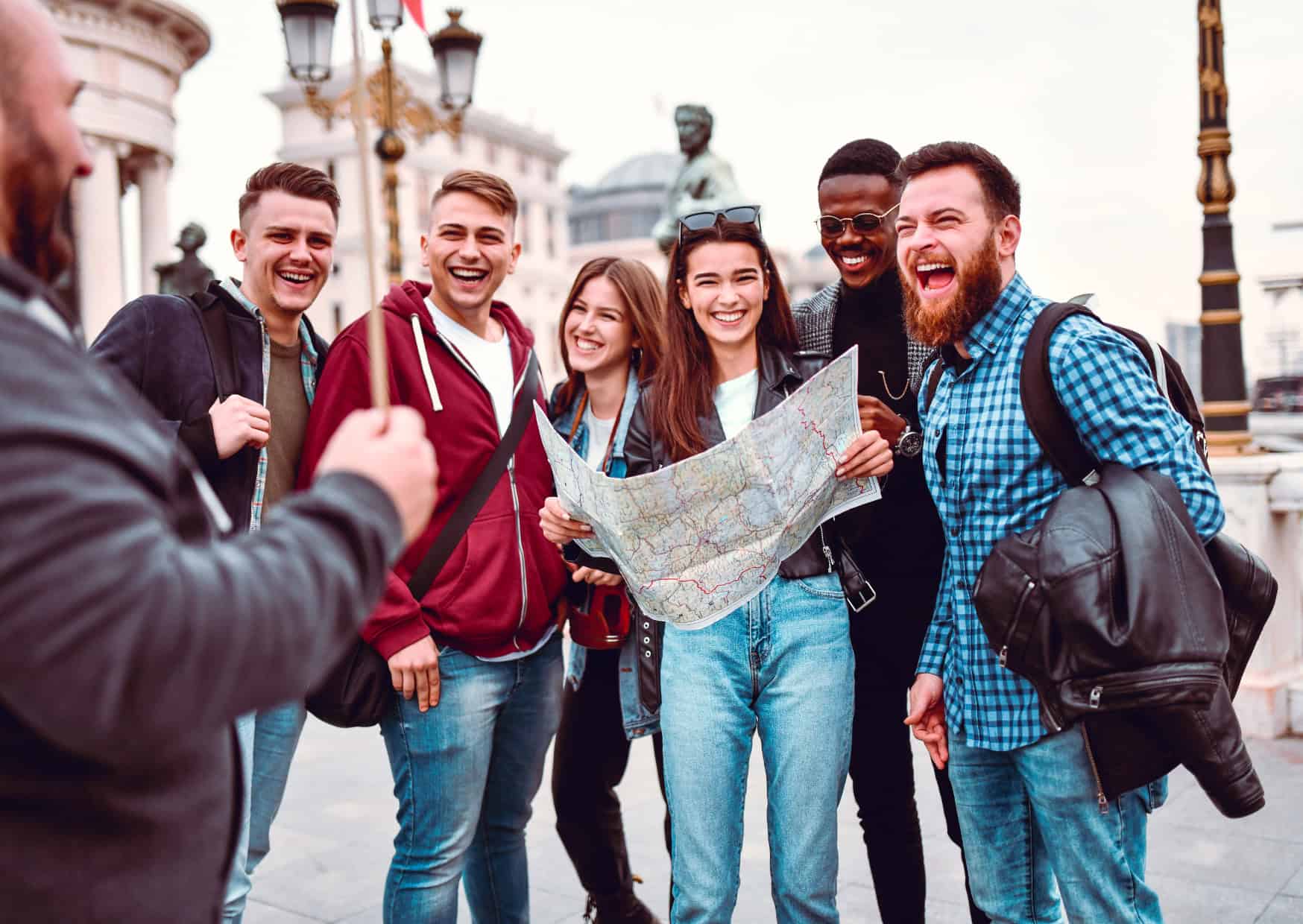
Americans often treat morning sightseeing like a competitive sport, while Europeans take a more leisurely approach.
Tourist Behaviors:
- Planning to “do” three museums before lunch
- Speed walking through historic districts with a checklist
- Arriving at attractions right when they open
- Wearing full athletic gear for casual city walking
- Checking step counts before breakfast
Cultural Context: Europeans generally take a more relaxed approach to mornings, even when sightseeing. Quality over quantity is the local mindset.
How to Adapt:
- Book skip-the-line tickets for later time slots (after 11 AM)
- Plan one major attraction per day, with flexible time for wandering
- Use apps like Google’s Popular Times to avoid rush hours
- Consider city passes that don’t force you to rush between sites
- Schedule “getting lost time” – some of the best discoveries happen when you’re not rushing
5. The Bathroom Schedule
That urgency to find a public restroom first thing in the morning? Classic American tourist move.
Common American Concerns:
- Asking hotel staff about nearest public bathrooms
- Planning morning routes around bathroom access
- Being surprised by pay toilets
- Expecting free water and bathrooms at restaurants
- Looking shocked at bathroom attendants
Local Reality: Europeans are more relaxed about bathroom schedules and usually plan around cafe stops rather than public facilities.
How to Adapt:
- Download apps like Flush or ToiletFinder for emergency situations
- Keep small change in local currency for pay toilets (usually €0.50-1)
- Look for department stores and museums rather than searching for public facilities
- Remember that making a small purchase at a cafe gives you bathroom access
- Consider booking hotels in central locations for easy mid-day returns
6. The Morning Hydration Obsession

Carrying a giant water bottle and staying “hydrated” is a distinctly American habit that stands out in Europe.
Hydration Habits That Scream “Tourist”:
- Toting 32oz water bottles at breakfast
- Asking for ice water with meals
- Filling water bottles at every opportunity
- Being concerned about tap water safety
- Buying multiple bottles of water for the day ahead
European Approach: Most Europeans drink water throughout the day but don’t make it a visible priority, especially in the morning.
How to Adapt:
- Buy a smaller, more discrete water bottle (500ml) that fits in your day bag
- Learn to ask for tap water in local languages (“eau du robinet” in France)
- Download apps like Refill to find water fountain locations in cities
- Keep a collapsible water bottle for museum visits
- Remember most cafes will serve tap water if you’re having a meal
7. The Workout Wear

Wearing athletic gear for non-athletic morning activities is a clear American signal.
Dead Giveaways:
- Wearing running shoes with every outfit
- Sporting athleisure wear to breakfast
- Doing stretches outside the hotel
- Wearing fitness trackers prominently
- Dressed for the gym while sightseeing
Local Style: Europeans generally dress more formally, even for casual morning activities. Athletic wear is for actual exercise.
How to Adapt:
- Pack versatile, comfortable pieces that aren’t obviously athletic wear
- Invest in stylish walking shoes that look like regular shoes
- Choose dark colors for better outfit mixing and local blending
- Consider slip-on shoes for easy cathedral visits
- Use a regular backpack or tote instead of a hiking pack for day trips
8. The Morning Meeting Mentality

Treating vacation mornings like a business meeting with strict schedules and timelines? Very American.
Schedule-Related Signs:
- Having a minute-by-minute morning itinerary
- Showing stress about “wasting daylight”
- Rushing through morning routines
- Expecting shops to open early
- Getting frustrated with slower service
Cultural Difference: Europeans embrace a more relaxed morning pace, even during busy workdays. Vacation mornings are even more laid-back.
How to Adapt:
- Use time-blocking instead of minute-by-minute planning
- Book accommodations for longer stays in each city (3-4 days minimum)
- Download offline maps the night before to reduce morning stress
- Choose hotels that include breakfast until later hours (11 AM)
- Plan “rest mornings” every few days for true European-style relaxation
Why You Should Care and Follow
You should care because adapting slightly to local morning habits can make travel feel smoother. If you understand how coffee is ordered, what breakfast normally looks like, and how people use public spaces early in the day, you are less likely to feel confused or frustrated.
Following the local rhythm can also lead to better experiences. Instead of rushing through breakfast, you may discover a café routine you actually enjoy. Instead of searching for the exact same breakfast you eat at home, you may find something local that becomes part of the memory of the trip.
There is also a practical advantage to paying attention. Morning hours can be the best time to visit markets, bakeries, neighborhoods, and attractions before crowds build. Understanding how locals start their day can help you plan more efficiently without making the trip feel rushed.
Adapting also shows respect. You do not need to change your personality, but lowering your voice, dressing appropriately for the setting, or learning how local breakfast service works can make interactions more comfortable for everyone.
Most importantly, caring about these habits teaches flexibility. The more willing you are to adjust small routines, the easier it becomes to navigate bigger cultural differences later in the trip.
Why You Should Not Care and Follow Too Much
At the same time, you should not become obsessed with hiding every sign that you are American. Trying too hard to blend in can make travel feel performative and stressful. Most locals are not studying every tourist’s coffee order or clothing choice.
You should also avoid assuming that Europe has one single morning culture. A morning in Rome can feel very different from one in Copenhagen, Berlin, Lisbon, or Athens. Broad patterns are useful, but they should never replace observation.
There is no reason to abandon habits that genuinely work for you either. If you need a large breakfast, prefer takeaway coffee, or like exercising early, you do not have to stop just to fit in. Cultural awareness should expand your options, not erase your preferences.
You should also be careful not to treat every difference as a rule. Some advice about “looking American” is exaggerated for entertainment. A habit may be noticeable without being rude, offensive, or even particularly important.
Ultimately, the smartest approach is to care enough to be respectful but not so much that you lose your confidence. You are allowed to be a visitor. The goal is to travel thoughtfully, not invisibly.
The Bottom Line
These morning habits aren’t wrong – they’re just distinctly American. While Europeans might find them amusing, they’re used to tourist behaviors and generally don’t mind them. However, if you want to blend in more:
Quick Tips for a More European Morning:
- Sleep in a bit later
- Embrace a simpler breakfast
- Order coffee like a local
- Dress more formally
- Take a relaxed approach to scheduling
- Save the athletic wear for actual workouts
How to Adapt:
- Plan your hotel locations near local residential areas instead of tourist zones to follow natural city rhythms
- Ask your hotel about typical local breakfast spots that aren’t tourist-focused
- Learn basic coffee vocabulary in the local language (a little effort goes a long way)
- Download apps like “Too Good To Go” to find local breakfast spots and bakeries
- Look for hotels that offer both buffet and à la carte breakfast options
Morning habits are interesting because they reveal culture before the day even gets complicated. Coffee, breakfast, clothing, pace, and public behavior all reflect assumptions people rarely stop to question.
For Americans in Europe, these routines can become a quick reminder that everyday life is organized differently elsewhere. What feels practical and normal at home may feel unusual in another setting.
The best approach is to observe first. Notice how people around you order, dress, move, and behave, then decide which habits make sense to adopt while you are there.
It is also worth remembering that standing out is not necessarily a failure. Travel is partly about difference. The problem only begins when visitors ignore local norms or assume their own way is automatically better.
Ultimately, the morning habits that mark you as American are not something to be ashamed of. They are simply evidence that culture lives in the smallest routines. Paying attention to those differences can make travel more interesting, more respectful, and much more memorable.
Pro Tip: Want to really experience European morning culture? Try following the local rhythm for a day. Sleep in, have a leisurely coffee and pastry at a café, and let your morning unfold without checking the time. You might find yourself enjoying vacation more – and blending in better with the locals.
Remember, these cultural differences are what make travel interesting. Embrace them, learn from them, and maybe bring some of that European morning leisure back home with you.

About the Author: Ruben, co-founder of Gamintraveler.com since 2014, is a seasoned traveler from Spain who has explored over 100 countries since 2009. Known for his extensive travel adventures across South America, Europe, the US, Australia, New Zealand, Asia, and Africa, Ruben combines his passion for adventurous yet sustainable living with his love for cycling, highlighted by his remarkable 5-month bicycle journey from Spain to Norway. He currently resides in Spain, where he continues sharing his travel experiences with his partner, Rachel, and their son, Han.