
And what it reveals about plumbing, patience, and a culture that refuses to panic about bathroom messes
Some of the biggest culture shocks in Europe have nothing to do with food, language, or politics. They happen in kitchens, bedrooms, and especially bathrooms, where people follow routines so ordinary to them that they rarely stop to explain them. Italy is a perfect example. A bathroom habit that barely registers for many Italians can look strange, unhygienic, or completely unacceptable to an American traveler encountering it for the first time.
The reason these differences feel so dramatic is that bathroom habits are deeply tied to what people consider clean, private, and normal. Americans often grow up with very specific expectations around showers, drains, ventilation, towels, water flow, and how quickly a bathroom should dry after use. In older Italian homes and apartments, those expectations can collide with a completely different set of building traditions and household routines.
Some Italian bathrooms are designed around compact spaces, older plumbing, wet-room layouts, floor drains, handheld showers, or drainage systems that do not resemble the typical American setup. That can create habits that make perfect sense inside that environment but seem bizarre when judged through an American lens. What looks careless may actually be part of how the room is meant to function.
The problem starts when travelers assume that unfamiliar automatically means unsanitary. A shower drain, damp floor, or different cleaning routine can immediately trigger disgust because it violates a familiar standard. But cultural habits often develop around architecture, climate, water use, and housing design rather than around a universal definition of cleanliness.
That is what makes this topic so interesting. The real story is not whether Italians or Americans are “right.” It is how quickly people confuse their own bathroom habits with objective rules. Once you start comparing the two systems, you realize that many everyday hygiene expectations are far more cultural than most people think.
Want More Deep Dives into Everyday European Culture?
– Why Europeans Walk Everywhere (And Americans Should Too)
– How Europeans Actually Afford Living in Cities Without Six-Figure Salaries
– 9 ‘Luxury’ Items in America That Europeans Consider Basic Necessities
Quick Easy Tips for Travelers
Expect simpler bathrooms: Don’t be surprised if your Italian shower doesn’t look like an American one.
Bring flip-flops if needed: If you prefer extra separation, simple solutions can make you more comfortable.
Understand the cleaning routine: Most locals clean their bathrooms daily, which keeps things sanitary.
Keep an open mind: What seems unusual may be completely normal elsewhere.
Adjust expectations: Traveling abroad often means embracing different definitions of comfort.
Ask hosts or hotels: If unsure, locals are often happy to explain how their systems work.
One controversial truth is that Americans often judge European bathrooms using standards created for very different buildings. Many American homes are newer, larger, and designed with enclosed showers, strong ventilation, and dedicated drainage. In Italy, especially in older apartments and historic buildings, bathrooms may have been adapted into spaces that were never originally designed for modern plumbing.
Another uncomfortable point is that something can look less hygienic without necessarily being less hygienic. Americans may react strongly to visible water near a drain, a wet bathroom floor, or a shower setup that leaves more of the room exposed. But cleanliness depends more on maintenance, airflow, cleaning frequency, and moisture control than on whether the room looks exactly like an American bathroom.
There is also a cultural bias around what people consider “gross.” Americans may be disturbed by one bathroom habit while Italians could be equally confused by American habits involving disposable products, heavy chemical cleaners, long hot showers, or excessive water use. Every culture has routines that seem completely logical from the inside and odd from the outside.
The phrase “an American health inspector would condemn this” is also more complicated than it sounds. Health and building codes apply differently depending on whether you are talking about a private home, hotel, restaurant, commercial facility, or public bathroom. What would violate a commercial standard in one country may be perfectly normal in a private residence somewhere else.
The most controversial lesson is that disgust is not always evidence. Sometimes it is simply the reaction we have when another culture breaks a rule we did not realize we had. Italian bathroom habits can be a useful reminder that the line between “normal” and “unacceptable” is often shaped as much by familiarity as by actual hygiene.
1. Showers Are Often Open-Air Not Fully Enclosed
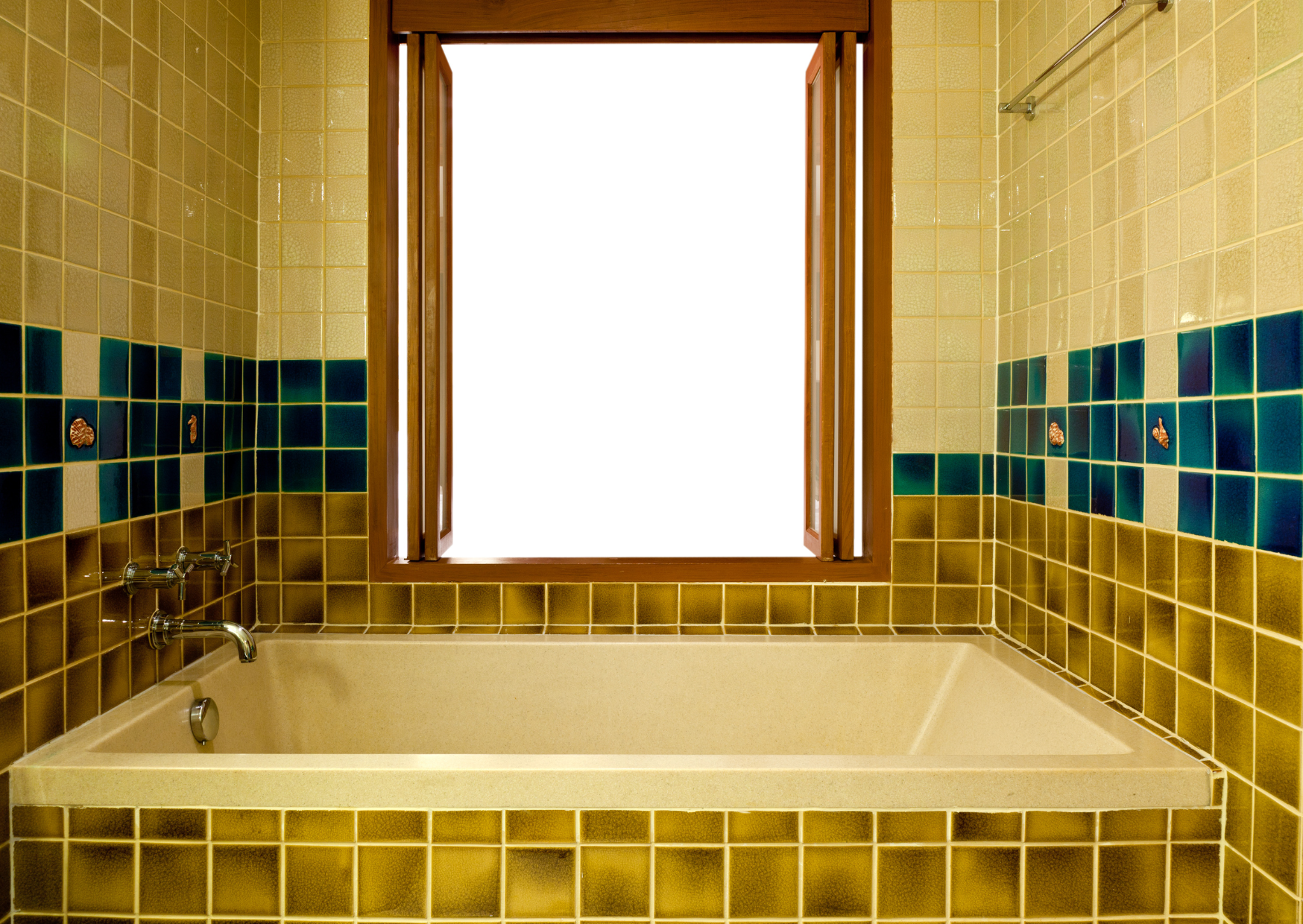
In the U.S., a standard shower means a sealed box. Glass doors. Plastic liners. Caulked corners. Water is contained.
In Italy, especially in older homes, you may find a showerhead mounted on the wall with a small base or no base at all. The water hits the person, then the floor. It spreads. It drains.
The design isn’t accidental. It’s functional. The floor slopes gently. The drain is central. And the cleanup process is simple: you squeegee the water toward the drain when you’re done.
No one expects the floor to stay dry. That’s not the point.
2. Bathroom Floors Are Built to Get Wet
In American homes, wet bathroom floors are considered a failure — a sign of faulty construction or bad habits. Water leads to rot, mold, mildew, and lawsuits.
But Italian bathrooms are often tiled floor to ceiling. The floors are slightly angled. The materials are selected to resist damage. And water on the ground is completely expected.
You walk barefoot or in slippers. You wait to use the sink until the water dries. You live with dampness — without alarm.
To American inspectors, this looks like a slip hazard. To Italians, it’s normal infrastructure.
3. Towels Are for Bodies — Not for Floors
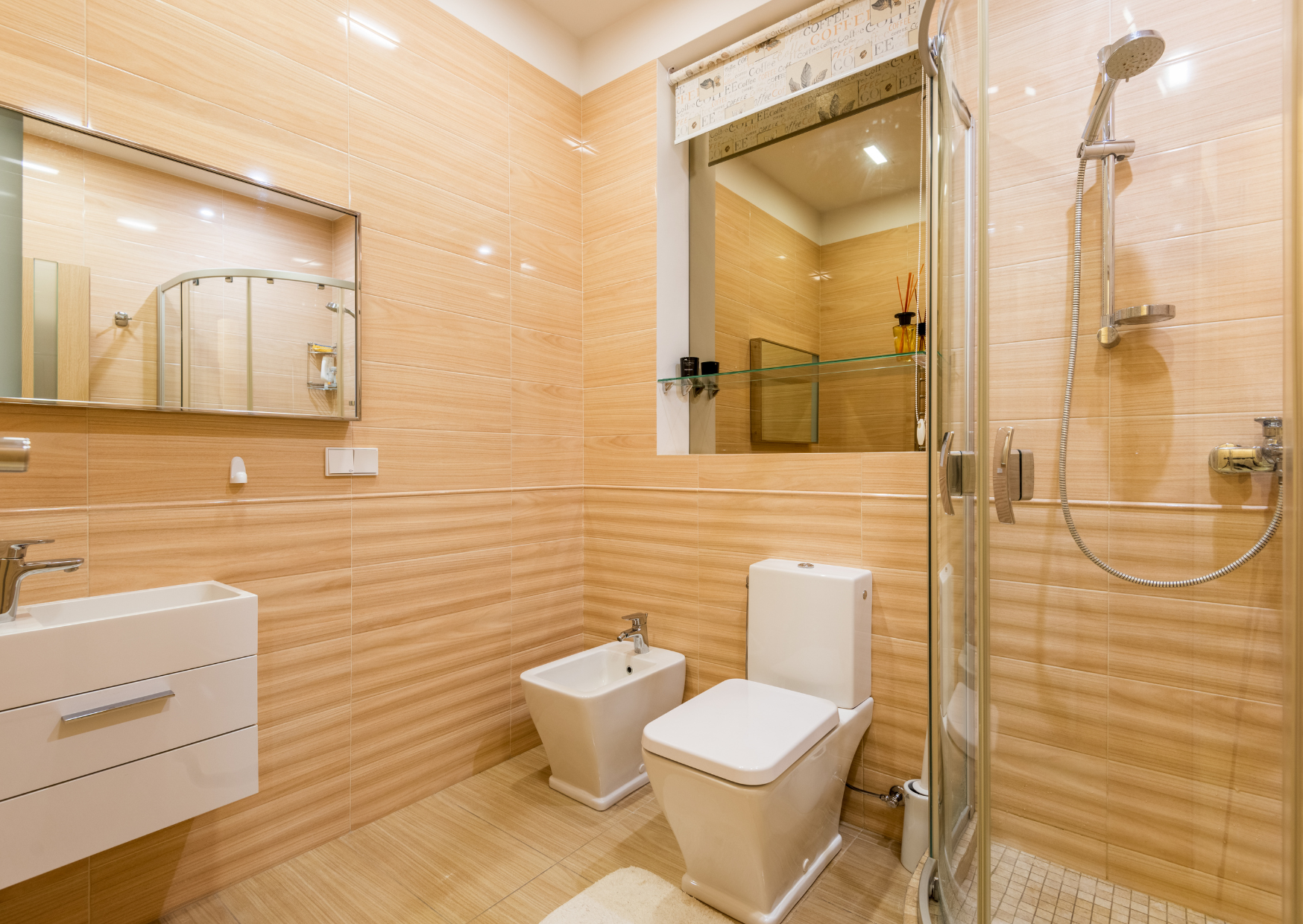
In the U.S., if water spills on the floor, people instinctively throw down towels. A wet floor means a mess to clean.
In Italy, you don’t waste towels. You use a floor squeegee, often stored in plain sight. You push the water gently into the drain. Or you leave it to evaporate.
It’s not seen as unhygienic. It’s just the daily rhythm of the space.
The towel goes on your body — not the ground.
4. Mold Isn’t Feared the Same Way
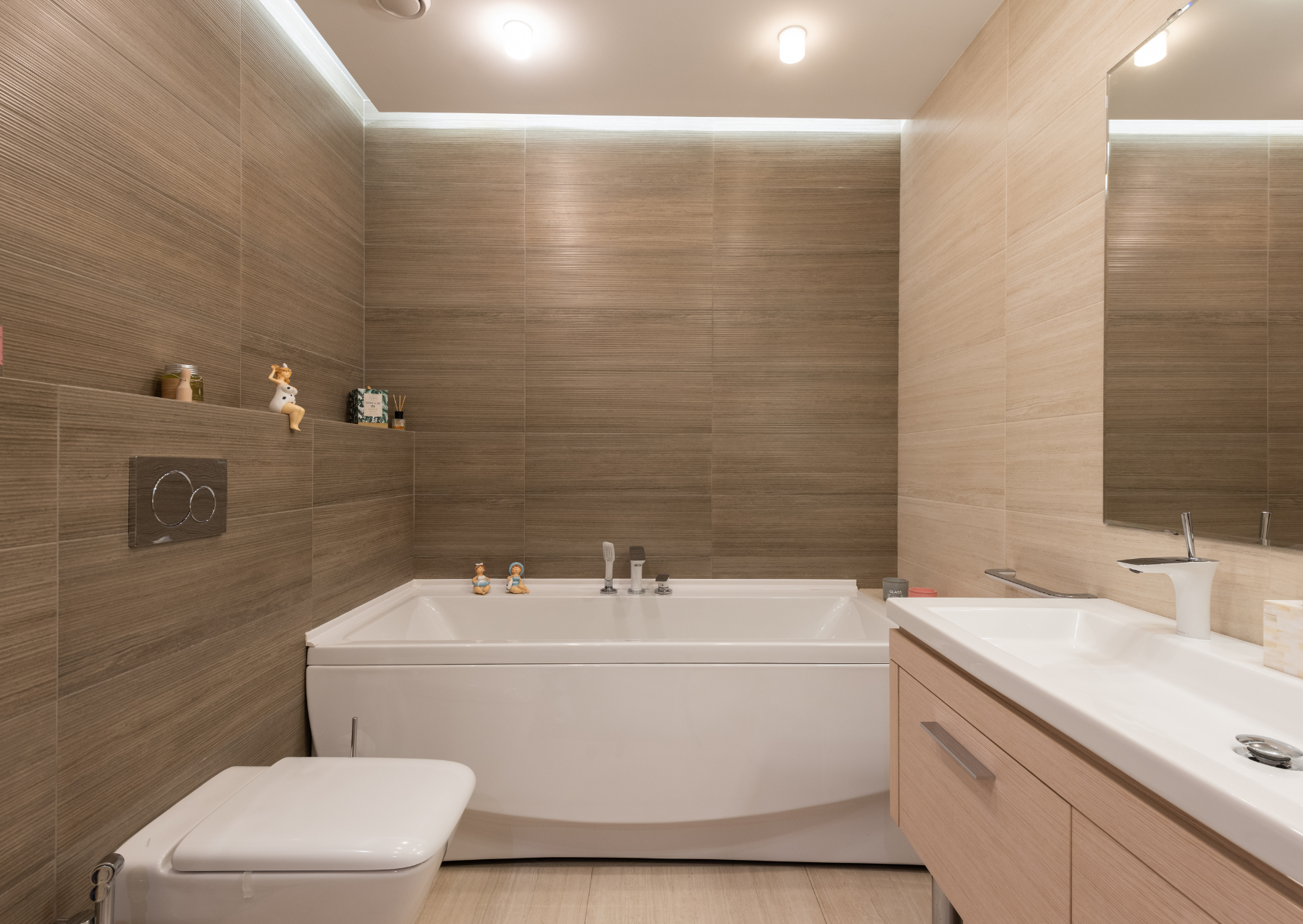
American hygiene standards are driven by mold avoidance. Entire aisles of stores are devoted to mildew prevention, drain cleaning, and moisture control.
In Italy, there’s less fear and more maintenance. Yes, mold happens — especially in older homes. But people clean it when they see it. They open windows. They let air circulate. They don’t treat it like a catastrophe.
The solution isn’t a panic. It’s a sponge, a bit of bleach, and a morning breeze.
5. Bathroom Slippers Are a Quiet Necessity
One way Italians manage their damp bathrooms is by never walking in barefoot unless showering. Most homes keep ciabatte da bagno — soft, rubber slippers — outside the door.
You slip them on before entering. You avoid puddles. And if your socks get wet? That’s your fault for forgetting.
This invisible habit prevents complaints. Americans, by contrast, often go barefoot indoors and treat any wet surface as a hygiene failure.
In Italy, a wet bathroom is fine — as long as you’re dressed for it.
6. Hair in the Drain Is Removed — Manually
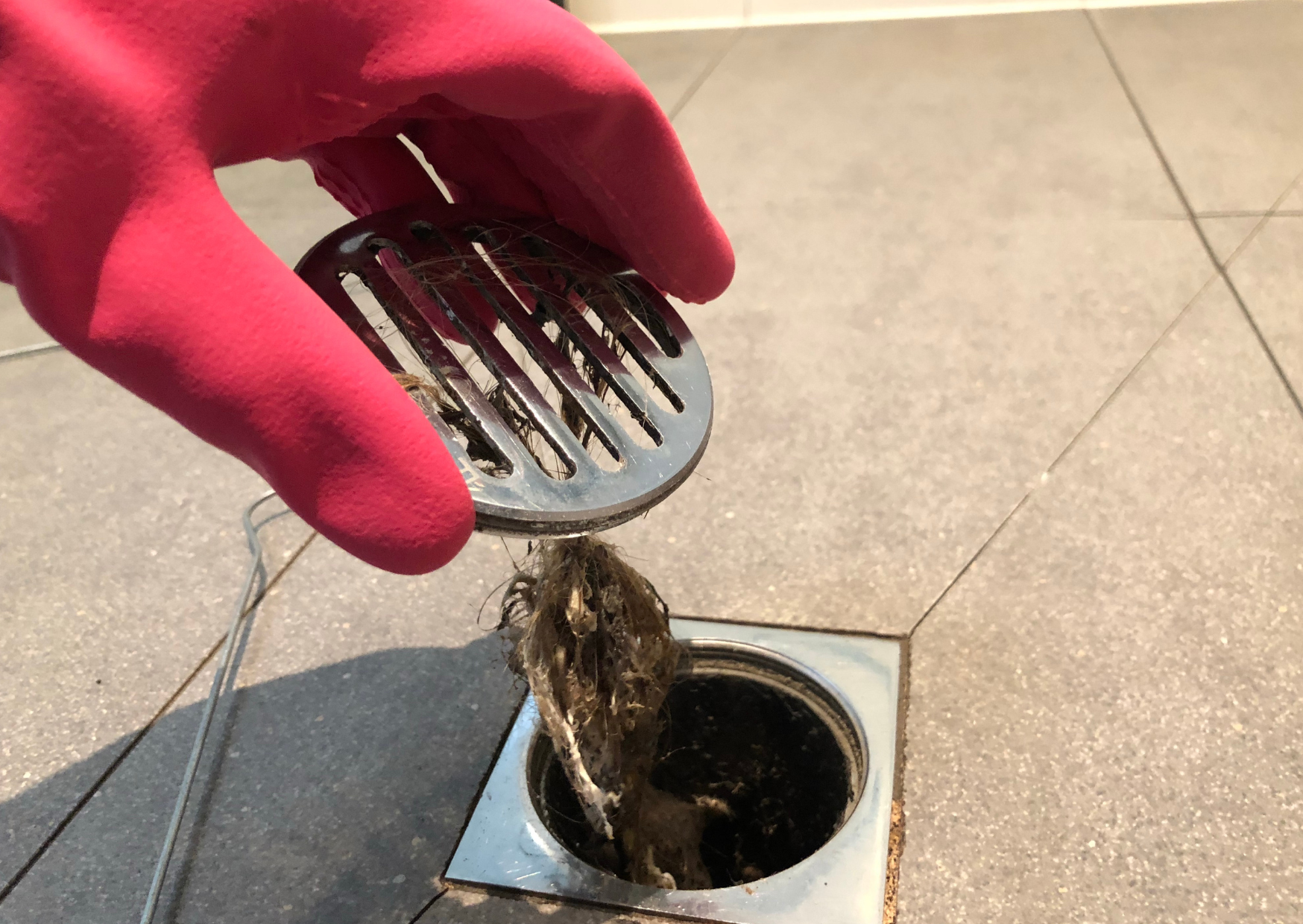
American culture loves gadgets. Drain snakes. Disposable catchers. Enzyme cleaners.
In Italy, the tool is often simpler: your hand.
After a shower, you clean the drain. You pull out the hair. You rinse the cover. That’s the expectation. You don’t call maintenance. You don’t ignore it. You just deal with it — like brushing your teeth or doing dishes.
There’s no shame in the task. And no overreaction to a clogged drain. It’s part of life.
7. Water Isn’t Considered “Dirty” by Default
In many American households, once water touches the floor, it’s considered contaminated. It must be sanitized. The area must be dried.
In Italy, water is water. If it’s clean when it leaves the shower, it’s still clean when it hits the floor. Unless you’re using a communal bathroom or dealing with illness, you don’t treat it like a biohazard.
You mop it up later — or don’t. It’ll be gone by the afternoon sun.
8. Plumbing Access Is a Community Affair
In American homes, plumbing is hidden, sealed, and silently efficient. Problems are outsourced quickly.
In Italy, especially in apartments, plumbing quirks are shared knowledge. You know how your shower drains. You know how long to wait between showers. You know which neighbor had an issue with their boiler last week.
This communal knowledge replaces the need for constant upgrades. If the drain is slow? Someone will mention it over espresso.
You fix what you need. You ignore what you don’t. No one files a report.
9. There’s No Illusion of Total Control
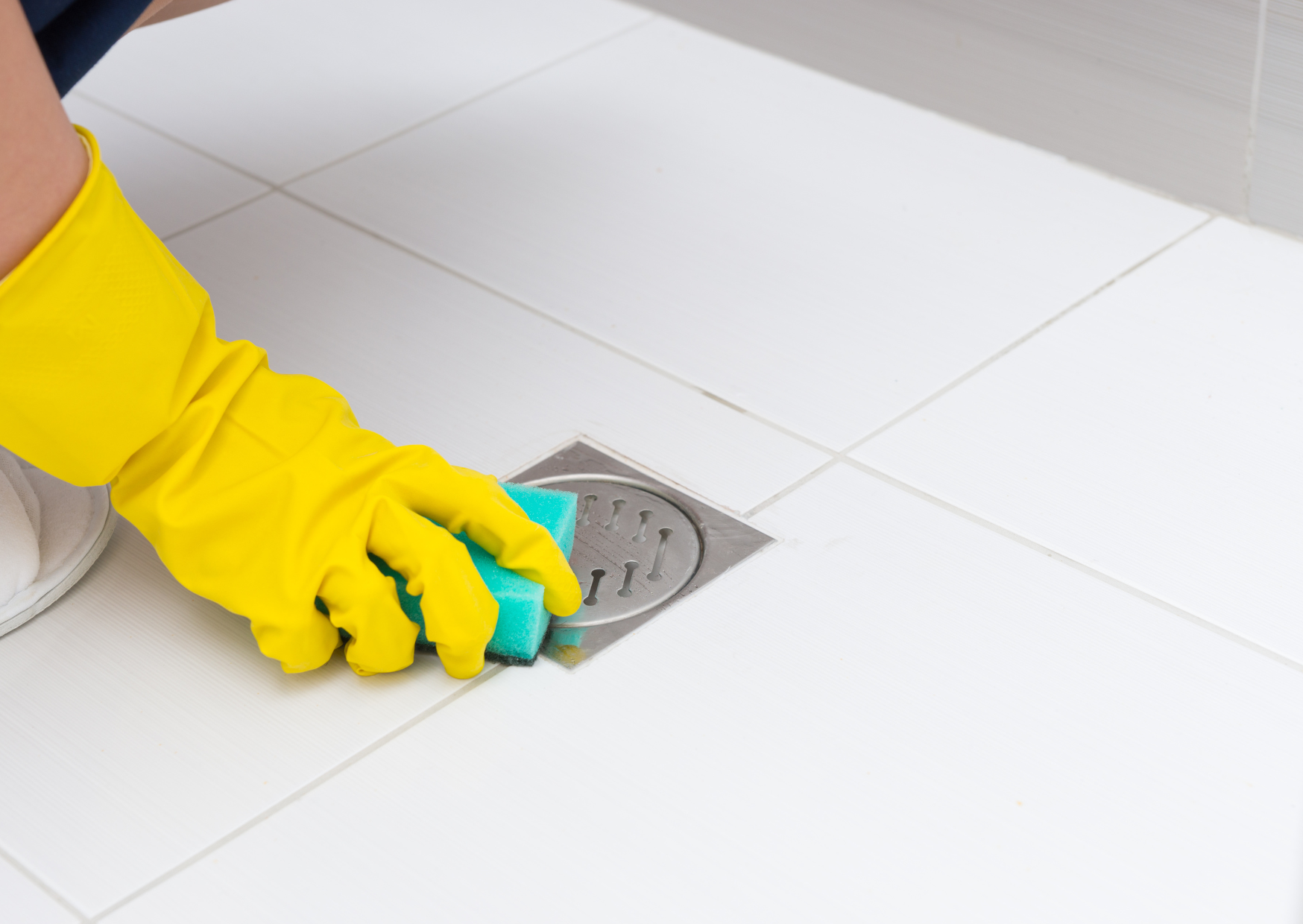
American bathrooms are designed to keep you dry, separate, clean, and in control. The idea is to eliminate variables — and especially, eliminate water going where it’s not supposed to.
In Italy, there’s no such illusion. Water moves. Floors get wet. Drains are slow. Towels are reused. Showers are quick and simple.
The bathroom isn’t a sealed chamber of optimized moisture control. It’s a room that works with you, not for you.
And if you leave puddles on the floor? You’ll step around them — or push them toward the drain with your foot, casually, before brushing your teeth.
Why You Should Understand the Italian Shower Habit
Learning about everyday routines in another country helps you adapt faster when traveling or living abroad. What feels unusual at first often reflects practical solutions shaped by housing design, climate, and long-standing habits rather than random preference.
In many Italian homes, bathrooms are smaller and water heating systems are designed for efficiency. Shorter showers, handheld showerheads, or wet-room setups make sense within that context. Recognizing this prevents frustration and helps you adjust expectations.
Understanding these habits also improves cultural awareness. Instead of judging unfamiliar routines, you begin to see how infrastructure influences lifestyle. The experience becomes observation rather than inconvenience.
Adapting to different bathing routines can even influence your own habits. Some travelers discover they prefer quicker showers or less water use once they try it consistently.
Ultimately, approaching the difference with curiosity makes travel smoother and more enjoyable.
Why You Shouldn’t Overreact to the Difference
While the habit may feel surprising, it’s rarely as dramatic as it sounds. Most visitors adjust quickly and realize the difference is minor compared to the overall travel experience.
Italy is not uniform. Modern apartments, hotels, and newer buildings often have bathrooms similar to those elsewhere, so the experience varies widely depending on location and accommodation type.
It’s also important not to frame one approach as better than another. Hygiene routines depend on culture, infrastructure, and personal comfort rather than universal standards.
Media exaggeration often amplifies small contrasts. What’s presented as shocking is usually just a practical adjustment that becomes normal after a few days.
The best mindset is flexibility. Observing differences without judgment allows you to appreciate local life while maintaining your own preferences when possible.
One Shower, Two Philosophies
To an American, the Italian bathroom drain setup looks like a mistake. Where’s the seal? Where’s the curtain? Where’s the safety?
To an Italian, the American bathroom looks like overkill. Too many steps. Too much hardware. Too many rules.
In the U.S., a bathroom must stay dry to be safe.
In Italy, a bathroom must be functional even if it’s always a little wet.
And that difference, like so many cultural contrasts, isn’t about right or wrong. It’s about rhythm, trust, and how a society decides what’s truly dangerous and what’s just a little water on the floor.
Traveling reveals how much of what we consider “normal” is simply cultural conditioning. The Italian shower habit might surprise or even unsettle some Americans, but it also shows how different societies approach the same daily routines in unique ways.
Instead of judging these habits through an American lens, understanding the logic behind them creates a more open and informed perspective. Italians design their homes with practicality in mind, prioritizing simplicity and regular upkeep over rigid regulations.
In the end, what may seem like a violation of health codes to one culture is a practical, time-tested solution in another. Travel isn’t just about visiting new places it’s about expanding how we see everyday life, one habit at a time.

About the Author: Ruben, co-founder of Gamintraveler.com since 2014, is a seasoned traveler from Spain who has explored over 100 countries since 2009. Known for his extensive travel adventures across South America, Europe, the US, Australia, New Zealand, Asia, and Africa, Ruben combines his passion for adventurous yet sustainable living with his love for cycling, highlighted by his remarkable 5-month bicycle journey from Spain to Norway. He currently resides in Spain, where he continues sharing his travel experiences with his partner, Rachel, and their son, Han.