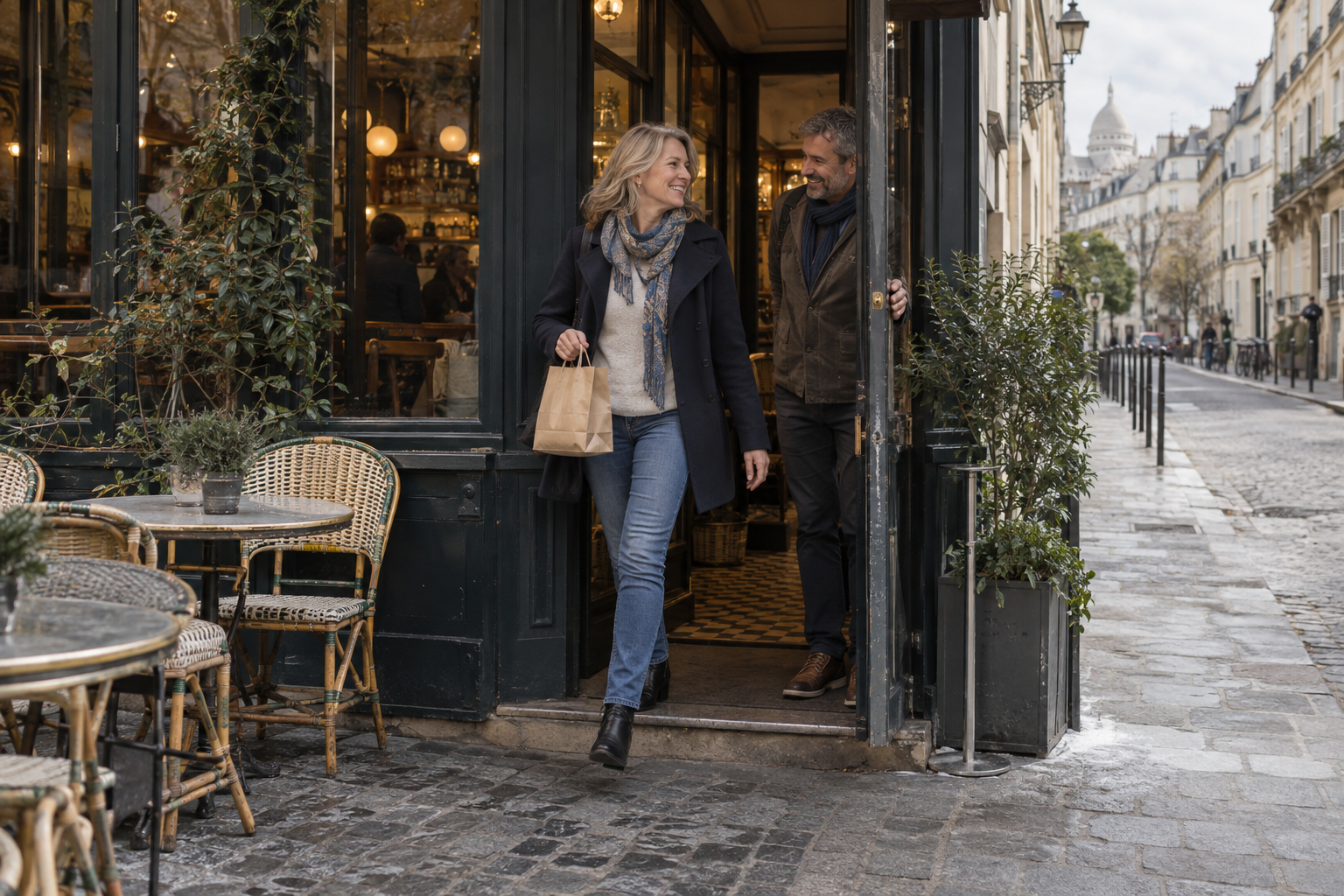
An American who finishes a restaurant meal with food left on the plate does something so automatic they barely think about it: they simply ask for a box, take the leftovers home, and eat them again tomorrow. Do the same thing in much of Europe and you may get a puzzled look, a small flicker of hesitation from the waiter, or the distinct, quiet sense that you have just committed a small and unfamiliar social misstep. The doggy bag, that most ordinary and unremarkable of American habits, has long been genuinely awkward across much of Europe, wrapped in a genuinely surprising amount of cultural weight for something as simple as taking home the food you have already paid for. And yet the ground is shifting, most dramatically in France, which has gone from having no word for the doggy bag to legally requiring restaurants to provide one. Here is why Europeans have hesitated for so long, and where and how that is beginning to change. It is a small thing, a box of leftovers, but it opens a surprisingly wide window onto how differently the two cultures think about food, waste, pride, and the simple matter of what happens to the plate when the meal is done.
What follows is why the doggy bag baffles much of Europe, where the deep hesitation comes from, how France changed the rules, the way attitudes are slowly shifting across the continent, and what all of it means for you at the table.
An American Habit That Baffles Europe
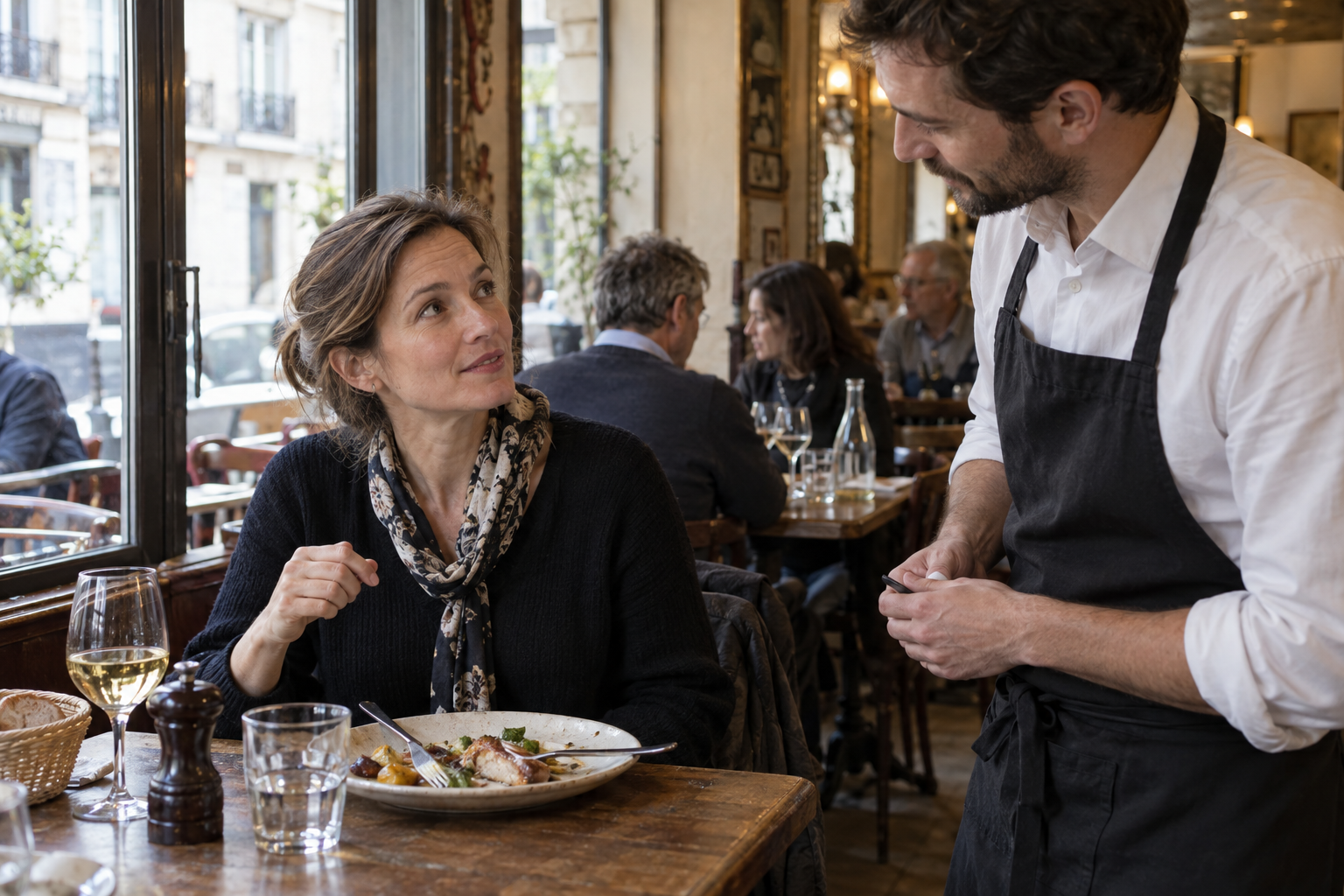
To understand the gap, you have to appreciate how thoroughly the doggy bag is woven into American dining and how foreign that is elsewhere. In the United States, boxing up leftovers is simply what you do, expected and unremarkable, helped along by famously large restaurant portions that all but guarantee something is left over. No one thinks twice about it, and a waiter who did not offer a box for a half-eaten plate might seem inattentive. The whole transaction is so frictionless in America that most travelers never realize it is cultural at all, assuming it to be a universal feature of eating out rather than a specifically American one.
Cross the Atlantic and the picture changes completely. In much of Europe the practice ranges from uncommon to faintly embarrassing, and nowhere is this clearer than in France, which does not even have its own word for the concept, borrowing the English term and calling it, awkwardly, le doggy bag.
That linguistic gap is telling in itself, since a culture generally coins a word for the things it does, and the absence of one hints at how genuinely foreign the whole habit has been. Italy has traditionally been even more resistant to the idea than France, and across the continent the request has carried a whiff of the improper that Americans find hard to grasp. It is not that Europeans waste food carelessly at home, where thrift in the kitchen runs deep, but that the specific act of carting leftovers out of a restaurant has sat uneasily with local dining culture in a way it simply never has in America. In the home, saving and reusing food is a virtue; in the restaurant, asking to do the same has somehow carried the opposite charge, and that contradiction is at the heart of the whole puzzle. That awkwardness is not random, and its roots run deeper than mere unfamiliarity.
Where the Deep Hesitation Comes From
The reluctance turns out to be about status and pride as much as anything, and it is worth unpacking because it explains so much. Surveys in France have found a striking split, with a large majority of people saying they are open to the idea of doggy bags in principle, yet most of those same people admitting they have never actually taken leftovers home. The gap between approving of the idea and being willing to do it is the whole story, and what sits in that gap is embarrassment. People know, rationally, that taking food home makes sense, and they will happily say so to a pollster, but faced with the actual moment of raising their hand and asking the waiter, something stops them, and that something is social rather than practical. Diners have described a fear of looking stingy, greedy, or cheap, a worry that asking to take home scraps marks you out as someone who cannot quite afford the meal, a kind of bourgeois shame around walking out of a restaurant carrying food.
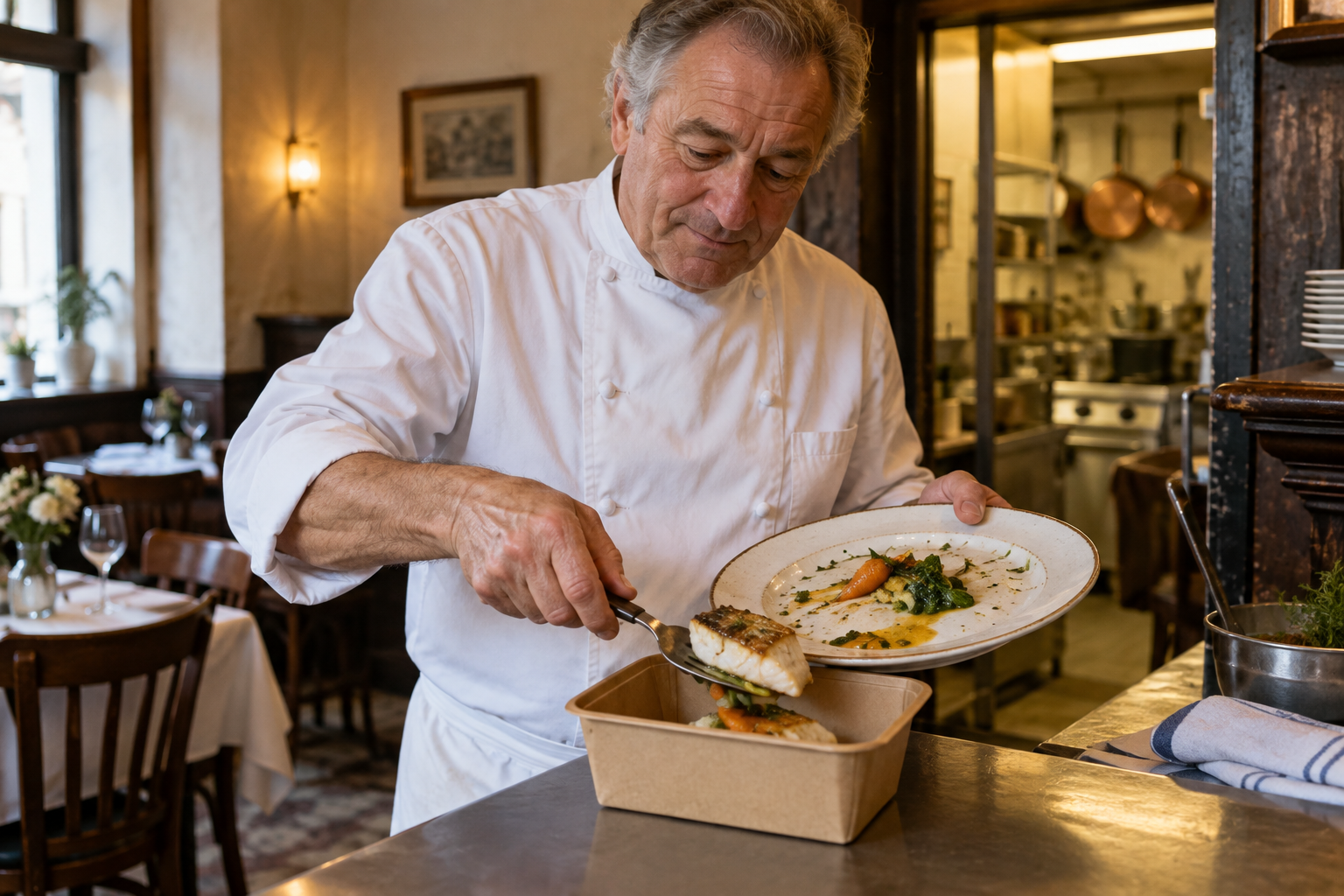
Some of this has genuinely old roots, with the gesture historically associated with poverty and handouts, the sort of thing done by those who needed the food rather than those dining by choice, which left a lingering stigma. And there is a second source of resistance that comes from the other side of the table, the chefs. In a culinary culture that treats the plating and presentation of a dish as an art, many restaurateurs have bristled at the idea of their carefully composed creations being scraped into a box, seeing it as a kind of degradation of their work. Between the diner’s fear of looking cheap and the chef’s sense of wounded pride, the doggy bag found little welcome. Add the simple fact that European restaurant portions tend to be more modest than American ones, leaving less on the plate to take home in the first place, and you have a custom with very little room to take root. Where an American main course often arrives large enough to feed two, with leftovers all but guaranteed, a European plate is more often sized to be finished, so the question of the box simply comes up far less often.
The Waste Behind the Law
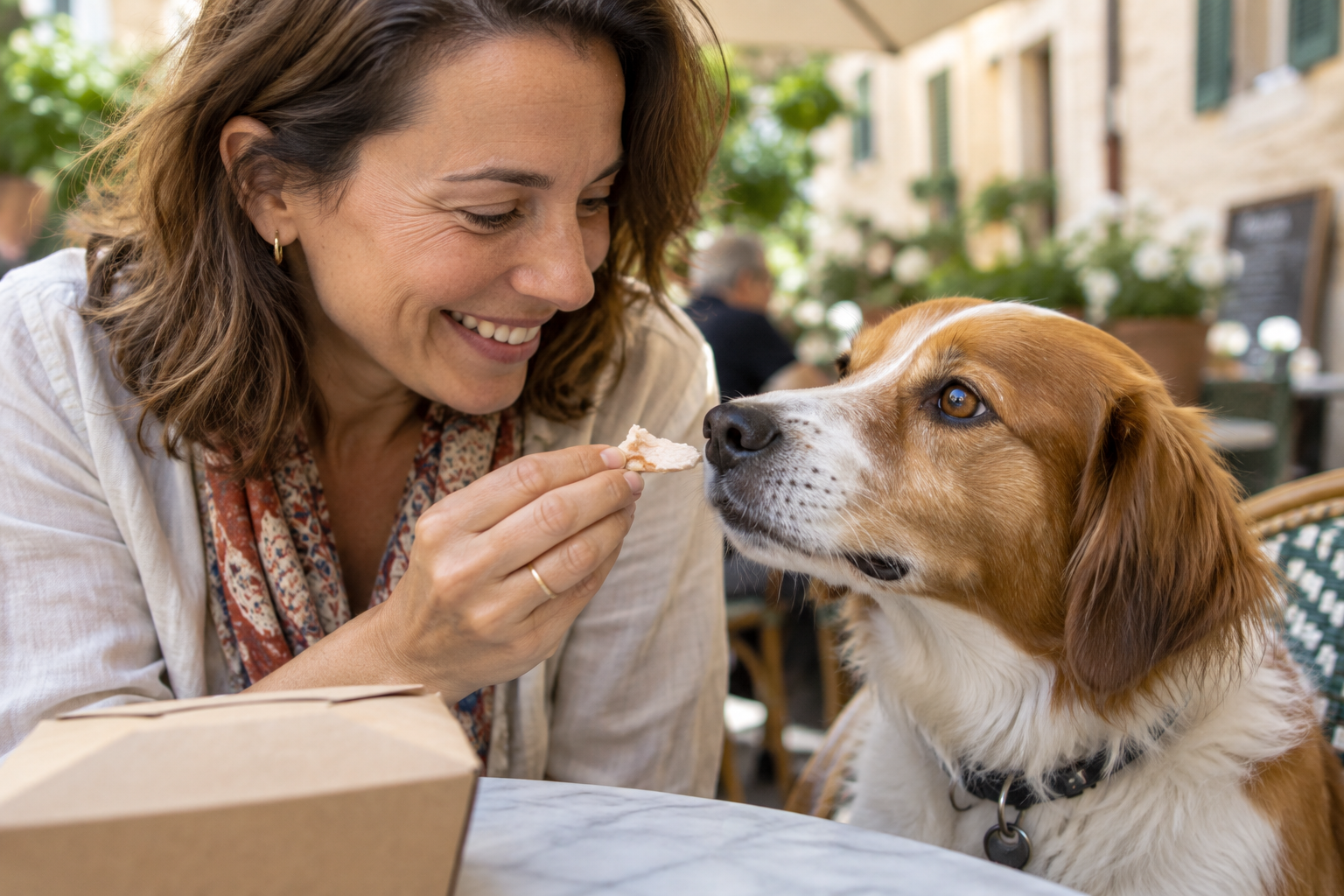
What eventually forced the issue, at least in France, was not a change of heart about etiquette but a hard look at the numbers, because all that cultural squeamishness came with a very real cost in wasted food. France, like most wealthy countries, throws away staggering quantities of food each year, millions of tonnes of it, representing an enormous economic value simply discarded, and a meaningful share of that waste happens in restaurants, where uneaten food scraped from plates goes straight into the bin. When you set the social awkwardness of the doggy bag against that mountain of waste, the awkwardness starts to look like an expensive indulgence.
That framing changed the conversation entirely. Once the doggy bag was recast not as a gauche request from a cheap diner but as a small act of environmental and economic good sense, the cultural objections had much less ground to stand on. It is hard to defend throwing away perfectly good food on the grounds that taking it home would be undignified, and campaigners and lawmakers leaned hard on exactly that point, reframing the leftover box as a matter of responsibility rather than embarrassment. The environmental argument gave the practice a moral seriousness it had never had, turning what was once a faintly shameful request into something closer to a civic virtue, and that shift in meaning is what made legislation possible. It is a neat example of how the meaning of a small act can be rewritten from the outside, the same gesture reading as cheap in one decade and responsible in the next, without the gesture itself changing at all. The doggy bag stopped being about the diner’s pride and started being about the planet’s waste, and that is a fight the old etiquette was always going to lose.
How France Changed the Rules
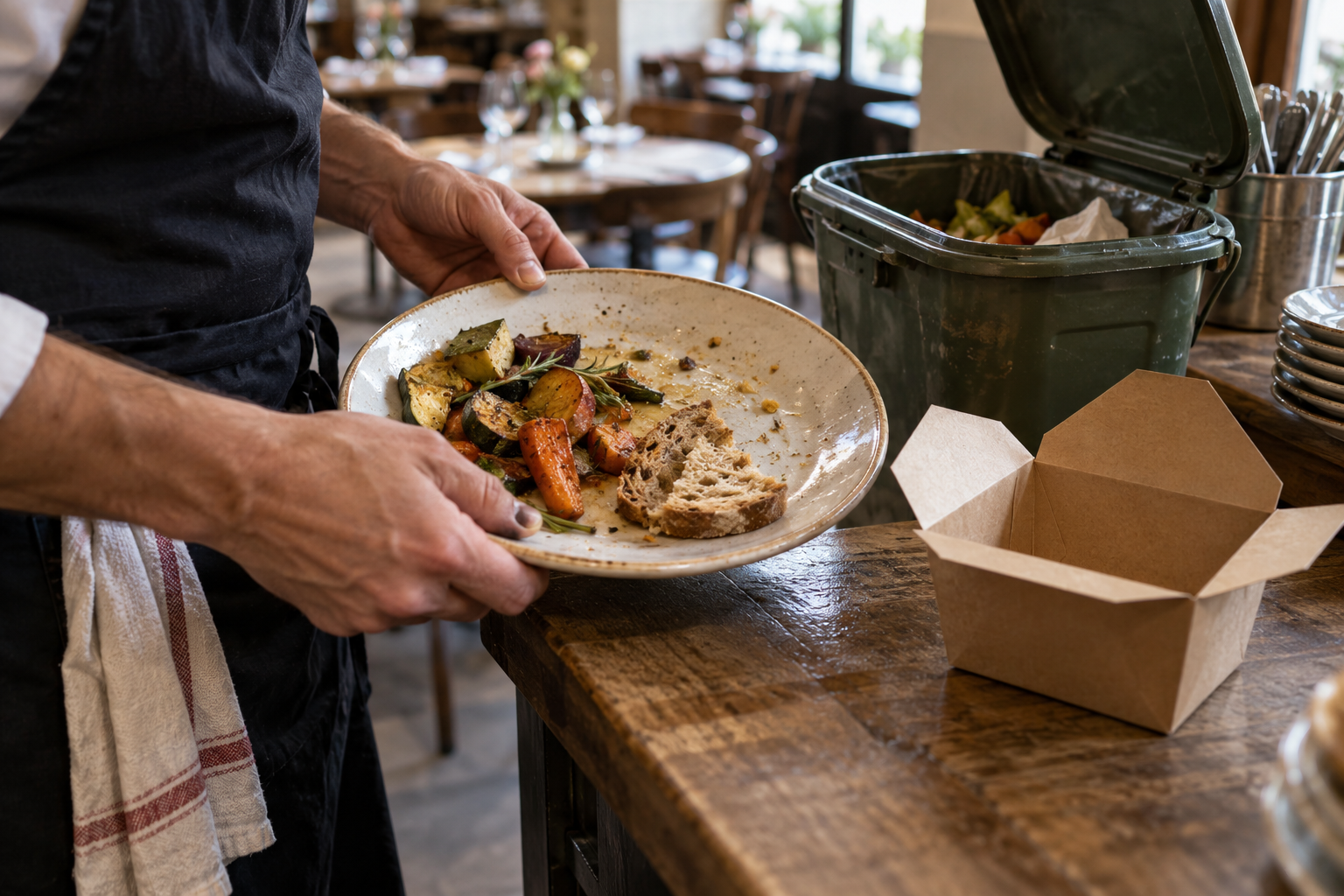
Against that backdrop, France has done something genuinely striking, using the law to override the culture in the name of fighting food waste. Faced with millions of tonnes of food thrown away every year, French lawmakers decided that cultural squeamishness was no excuse for the waste, and moved to make the doggy bag not just acceptable but mandatory. What began with earlier measures aimed at the largest restaurants was broadened so that, since the summer of 2021, commercial restaurants across France are legally required to provide customers, on request, with a suitable container to take home the food and drink they have not finished.
The details are worth knowing, because the law is more specific than a vague encouragement. The obligation kicks in when a customer asks, so restaurants must have containers available and hand one over when requested, rather than being able to refuse or wave the idea away, with only certain exceptions such as all-you-can-eat buffets. The law puts the initiative with the diner rather than requiring the restaurant to offer unprompted, so you still have to ask, but once you do, the answer can no longer be a polite no. Alongside the law came a deliberate effort to fix the image problem, with the industry pushing to rebrand the doggy bag as le gourmet bag or la box anti-gaspi, the anti-waste box, in the hope that a more dignified name would ease the cultural discomfort. It is a fascinating case of legislation trying to shift a social norm, using a legal requirement to make available what pride had kept off the table, and it means that in France today the awkward question has a clear answer: you can ask, and they must provide. Whether the law can change how people feel as well as what restaurants must do is a slower question, but it has at least removed the practical obstacle, so that the only thing left standing between a French diner and their leftovers is habit.
How Attitudes Are Slowly Shifting
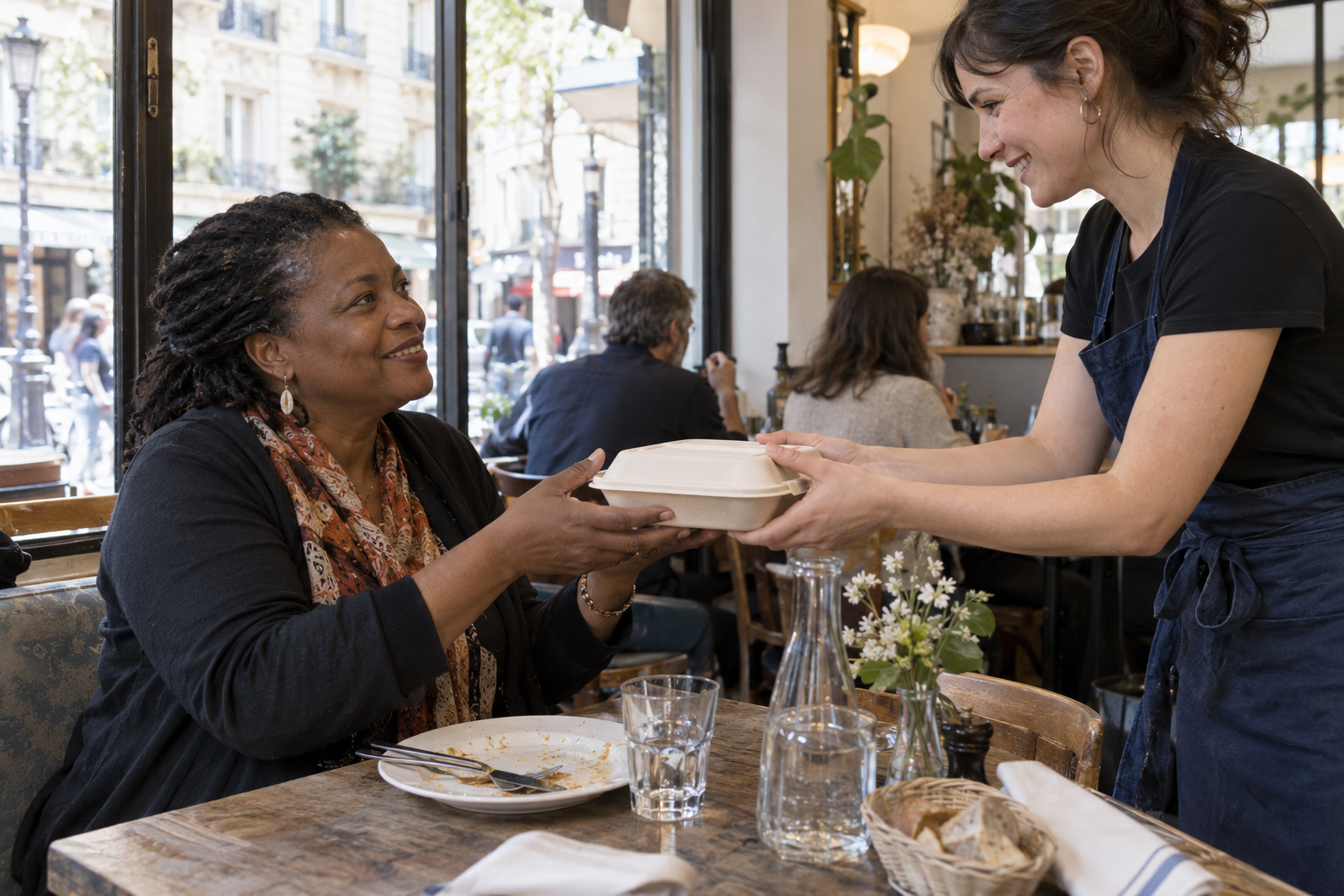
France is the sharpest example, but a broader softening is underway across Europe, driven by forces larger than any one law. The pandemic played an unexpected role, as lockdowns pushed even the most traditional restaurants into takeaway and delivery, normalizing the sight of good food in a reusable box and chipping away at the notion that carrying your meal home was somehow beneath you. The cost-of-living pressures of recent years have added a practical push, making the waste of food you have paid for harder to justify on grounds of mere etiquette. When budgets tighten, the logic of leaving good food on a restaurant plate to be thrown away starts to look less like refinement and more like an extravagance few can afford, and pride tends to give way to sense.
Generational change matters too, with younger diners, more environmentally conscious and more comfortable with takeout culture, far less troubled by the old stigma than their parents were. Campaigns across the continent have tried to accelerate the shift, from the gourmet bag push in France to similar anti-waste efforts in Italy and the doggy-bag-friendly drives in Britain, where the practice was itself considered an odd Americanism not so long ago and is now increasingly routine. Each country is moving at its own pace and from its own starting point, but the direction of travel is unmistakably the same, toward a Europe where taking your leftovers home raises fewer and fewer eyebrows. The change is real but uneven and far from complete, since a law can require a restaurant to provide a box but it cannot, by itself, dissolve decades of social discomfort about asking for one. What is emerging is a Europe where the doggy bag is slowly becoming more normal, faster in some countries than others, with the old hesitation fading rather than vanished. A decade from now the awkwardness may well feel as dated as the once-common horror at the idea of taking home a bottle of unfinished wine, another taboo that quietly dissolved, but for now the continent sits somewhere in the middle of that change.
What It Means for You at the Table
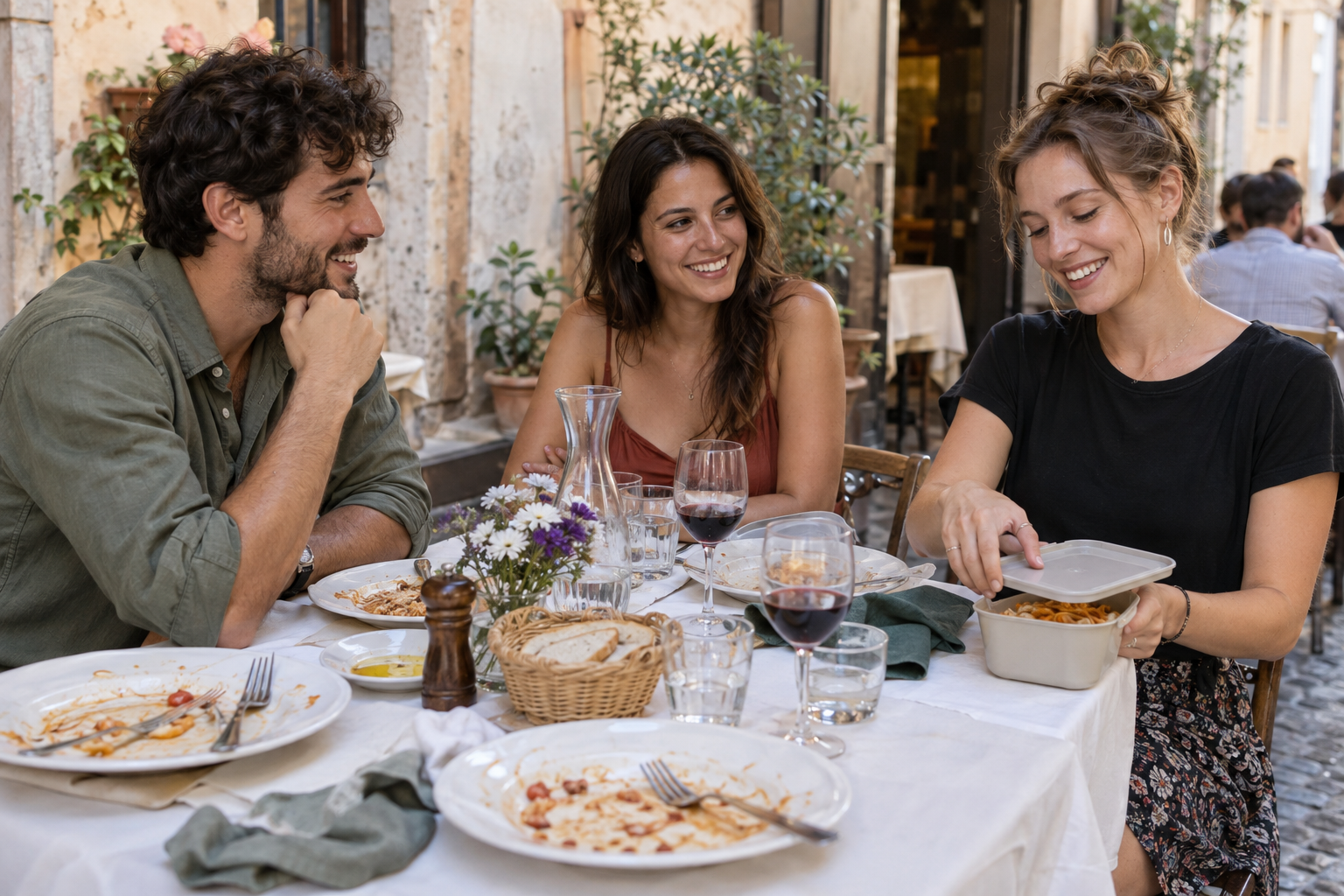
For a traveler, all of this resolves into some genuinely useful practical knowledge. In France, you should feel entirely free to ask for a container for your leftovers, because the law is now firmly on your side and the restaurant is required to provide one, so any lingering awkwardness is theirs to get over rather than yours. Asking for le gourmet bag, if you want to use the more dignified local term, may smooth the interaction, but the essential point is that the request is now perfectly legitimate and increasingly ordinary. You are not asking a favor or breaking a rule; you are exercising a right the French parliament went out of its way to give you, which is a reassuring thing to remember if you feel the old flicker of hesitation.
Elsewhere in Europe, the picture calls for a little more awareness, and a light touch goes a long way. In most countries you can certainly ask, and outside the very formal establishments you will usually be accommodated without fuss, especially as attitudes continue to soften, but it is worth reading the room, since the request may still draw a flicker of surprise in a traditional or upscale restaurant, particularly in places like Italy where the reluctance has run deepest.

About the Author: Ruben, co-founder of Gamintraveler.com since 2014, is a seasoned traveler from Spain who has explored over 100 countries since 2009. Known for his extensive travel adventures across South America, Europe, the US, Australia, New Zealand, Asia, and Africa, Ruben combines his passion for adventurous yet sustainable living with his love for cycling, highlighted by his remarkable 5-month bicycle journey from Spain to Norway. He currently resides in Spain, where he continues sharing his travel experiences with his partner, Rachel, and their son, Han.