
Breakfast is one of the first daily routines where American travelers realize that Europe does not always work the way they expect. The differences can seem small at first: a smaller coffee, less food, fewer hot dishes, no endless refills, or a breakfast that is mostly bread, yogurt, cheese, fruit, or cold cuts. But those details can feel surprisingly disorienting when you are used to breakfast being a full meal with clearly defined foods and a familiar rhythm. What Americans often think of as the most predictable meal of the day can become one of the biggest cultural adjustments.
The confusion comes partly from the fact that Americans often expect “breakfast” to mean the same category of food everywhere. Eggs, bacon, pancakes, cereal, toast, breakfast sandwiches, hash browns, and large coffees are all firmly associated with the morning in the United States. Across Europe, those boundaries can be much looser. In some places, breakfast is sweet and minimal. In others, it is savory. In some countries, a slice of bread with cheese or ham may feel completely ordinary, while in others a pastry and coffee are enough to start the day.
Timing also matters. American travelers may expect breakfast to be substantial because they are used to eating early and then waiting several hours for lunch. In parts of Europe, the rest of the day may be structured differently, with later lunches, morning coffee breaks, or smaller meals spread across the day. A breakfast that looks inadequate from an American perspective may make perfect sense inside a different eating schedule.
There is also the issue of service expectations. Large drip coffees, unlimited refills, oversized portions, and highly customizable breakfast orders are much more common in the United States. In Europe, breakfast can be more fixed, more modest, and less centered on convenience. That can surprise travelers who expect the morning meal to be the easiest part of dining abroad.
The biggest lesson is that there is no single “European breakfast.” France, Spain, Germany, Italy, Scandinavia, the Balkans, and Eastern Europe all have different traditions. What they share is that many of those traditions challenge American assumptions. Once you stop expecting breakfast to look familiar, it becomes much easier to appreciate what each place actually does.
Read Here European Things that terrify Americans and American Habits that make Europeans Cringe
Read here how to pack for Europe and Best eSIM for Europe
BOOK YOUR TRAVEL INSURANCE
Two of our favorite travel insurance: Heymondo Vs Safetwing cheapest travel Insurance. You can get for $135 USD your Heymondo Travel Insurance with Heymondo discount code valid for 90 days. Read our full comparison of Genki vs Safetywing Travel Insurance Review and the comparison Heymondo vs Genki
Tips for Navigating European Breakfasts
Go Local: Embrace the traditional breakfast of the country you’re visiting it’s part of the experience!
Be Flexible: Adjust your expectations if you’re used to large American breakfasts.
Research Ahead: Learn the breakfast customs of your destination to avoid surprises.
Try Something New: Step out of your comfort zone and enjoy local pastries, cheeses, or cured meats.
One controversial truth is that Americans often assume a bigger breakfast is automatically a better breakfast. In the United States, a large morning meal can feel generous, comforting, and complete. In many parts of Europe, however, breakfast may be intentionally small because the rest of the day is structured differently. What looks skimpy to an American can feel perfectly normal to someone who expects a larger lunch later.
Another uncomfortable point is that American breakfast culture can be heavily commercialized. Sweet cereals, flavored coffee drinks, breakfast sandwiches, giant portions, syrups, pastries, and convenience foods are marketed aggressively as normal morning choices. European breakfasts are not automatically healthier, but some traditions place less emphasis on turning breakfast into a large indulgent meal.
There is also a tendency to treat unfamiliar breakfast habits as strange simply because they cross American food categories. Cheese, cold cuts, tomatoes, fish, or dense bread may seem unusual first thing in the morning, yet many of those foods are no more objectively strange than bacon, pancakes, or sugary cereal. The difference is cultural conditioning.
Another controversial issue is that some online comparisons romanticize European breakfast as if everyone is sitting in a beautiful café eating fresh bread and drinking perfect coffee. In reality, Europeans also eat packaged pastries, cereal, toast, convenience foods, and rushed breakfasts. The idealized version is just as misleading as assuming American breakfast is always oversized and unhealthy.
The broader lesson is that breakfast rules are cultural, not universal. When Americans feel confused by European breakfast habits, the confusion often says more about how deeply their own routines are ingrained than about the breakfast itself. Once you recognize that, the differences become much easier to understand.
European Breakfast Rules
1. Breakfast is Light and Simple
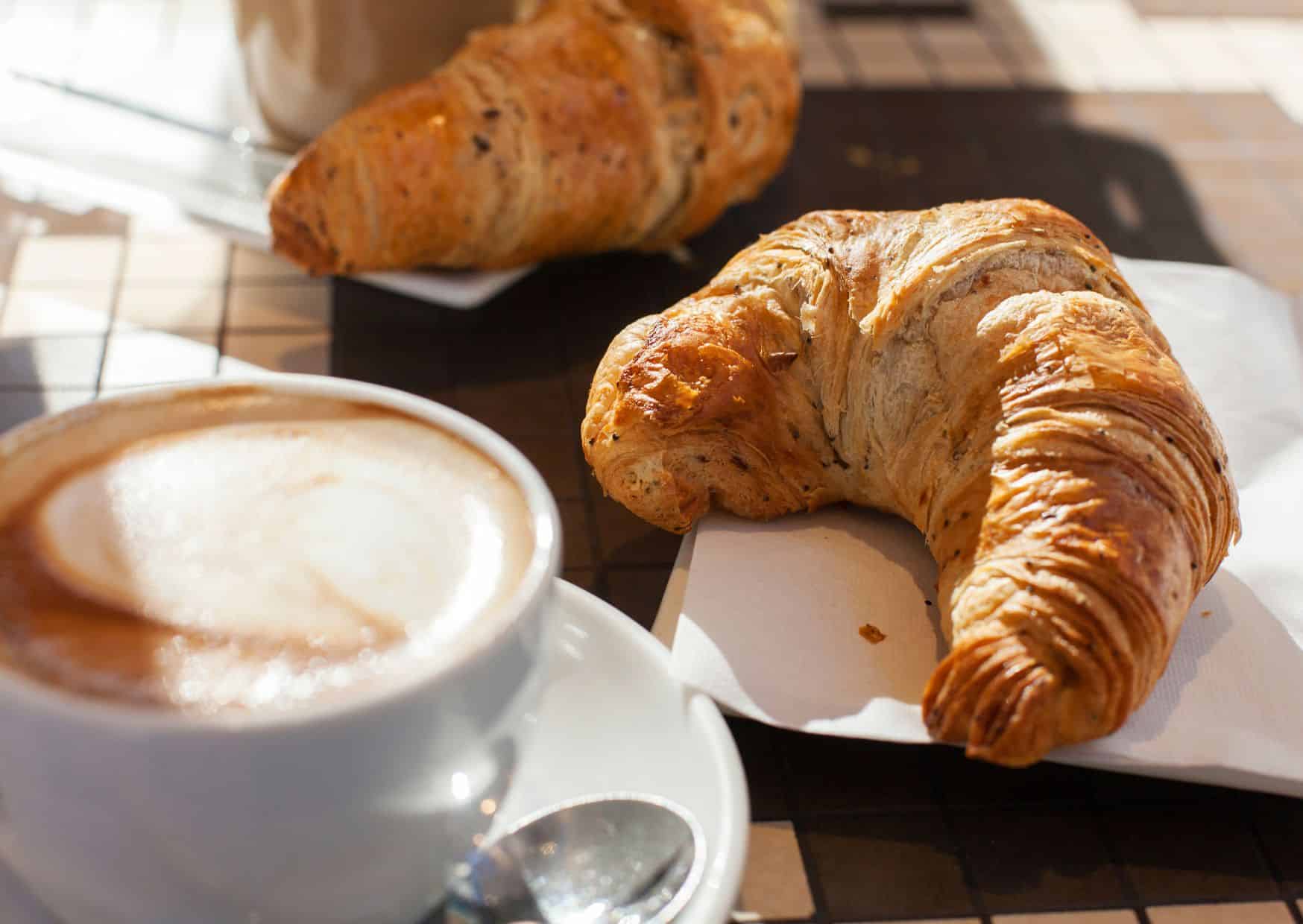
Why It’s Confusing:
Americans often expect hearty breakfasts with eggs, bacon, pancakes, and hash browns. In Europe, breakfast is typically smaller and lighter.
Example:
In France, a croissant or a slice of bread with butter and jam is considered sufficient.
2. Coffee is Served Differently
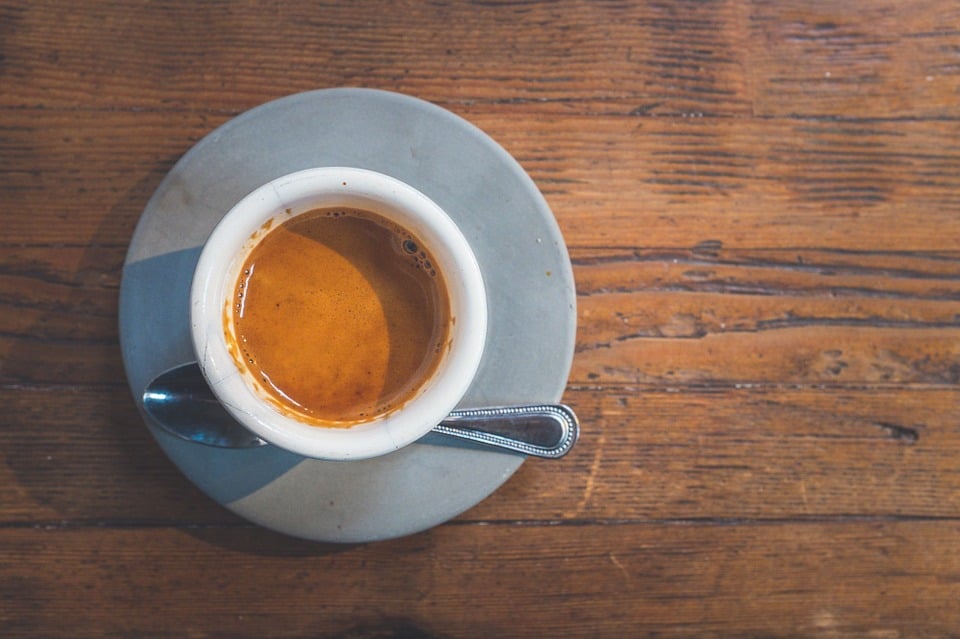
Why It’s Confusing:
Europeans serve smaller, stronger coffees rather than large, flavored lattes or drip coffee. Milk-based coffees like cappuccinos are mainly consumed in the morning.
Example:
In Italy, ordering a cappuccino after breakfast time might get you odd looks.
3. No Unlimited Refills
Why It’s Confusing:
Unlike in the U.S., free coffee or juice refills are almost unheard of in Europe.
Example:
You’ll need to order and pay for every cup of coffee in Germany.
4. No Savory Hot Breakfasts
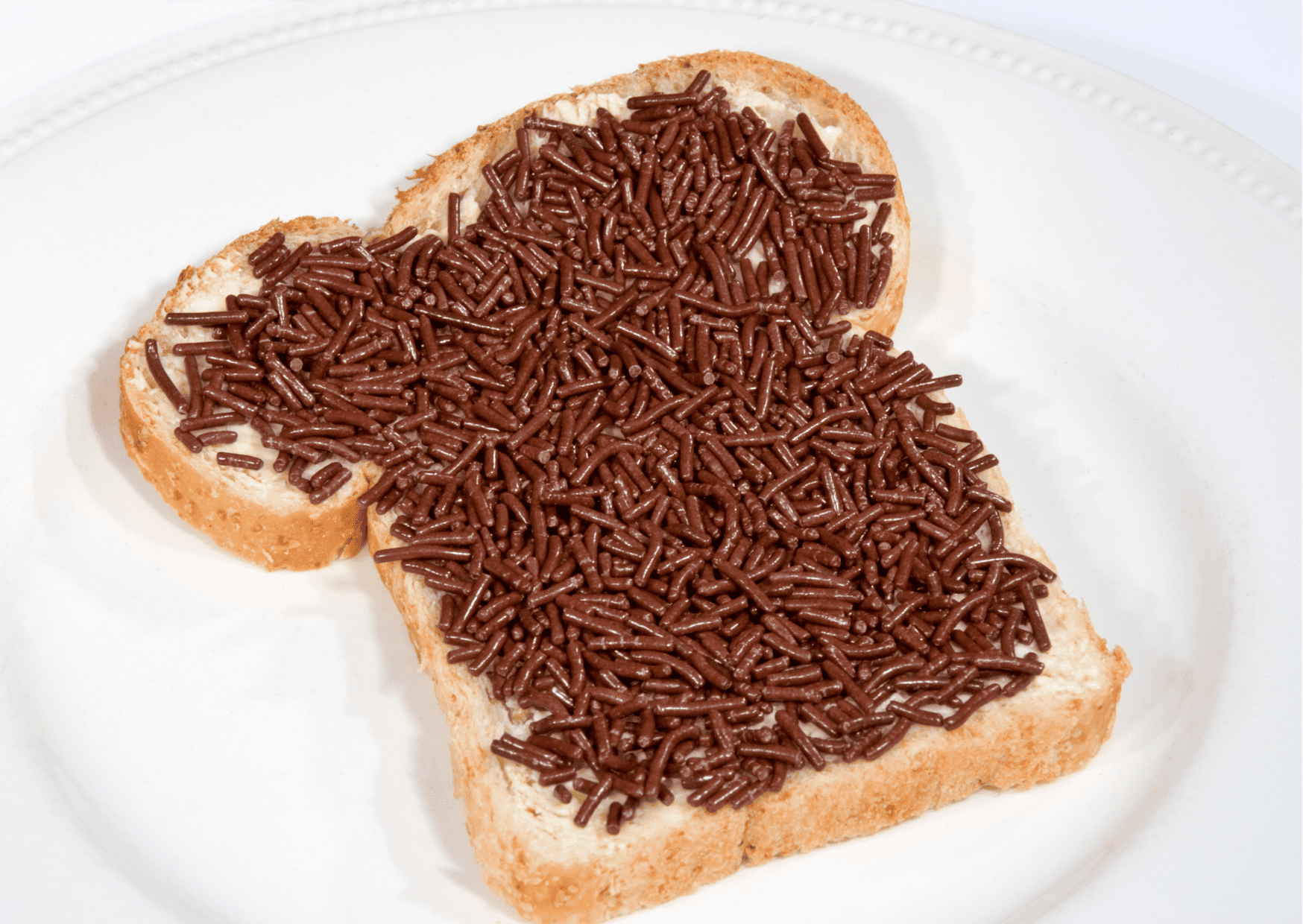
Why It’s Confusing:
European breakfasts lean toward cold, savory items like bread, cheese, and cured meats or sweet options like pastries.
Example:
A typical Dutch breakfast might include bread, butter, and chocolate sprinkles (hagelslag).
5. Breakfast is Eaten Later
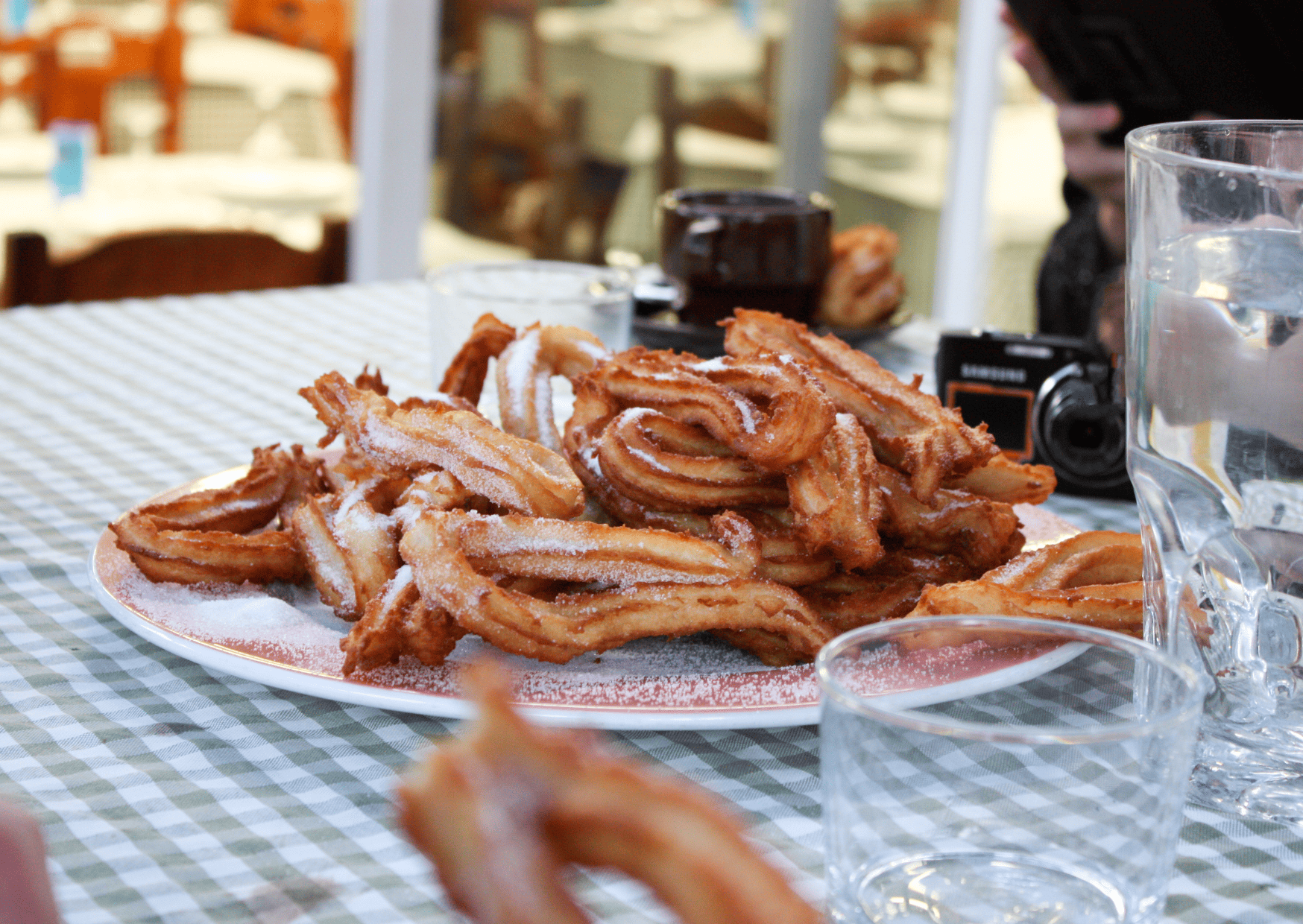
Why It’s Confusing:
Europeans often have breakfast later in the morning compared to early risers in the U.S.
Example:
In Spain, breakfast often starts around 9 or 10 AM.
6. Bread is a Staple
Why It’s Confusing:
Bread is the foundation of most European breakfasts, served with butter, jam, or cheese.
Example:
In France and Italy, fresh bread is often bought daily from a bakery for breakfast.
7. No Peanut Butter

Why It’s Confusing:
Peanut butter is a breakfast staple in the U.S., but it’s rarely served in Europe.
Example:
Instead, you’re more likely to find Nutella or marmalade in places like Germany or France.
8. Breakfast is Often Served Cold

Why It’s Confusing:
Many Europeans prefer cold breakfasts, such as yogurt with granola, bread with toppings, or cold cuts and cheese.
Example:
In Scandinavian countries, open-faced sandwiches with smoked salmon or cheese are popular morning meals.
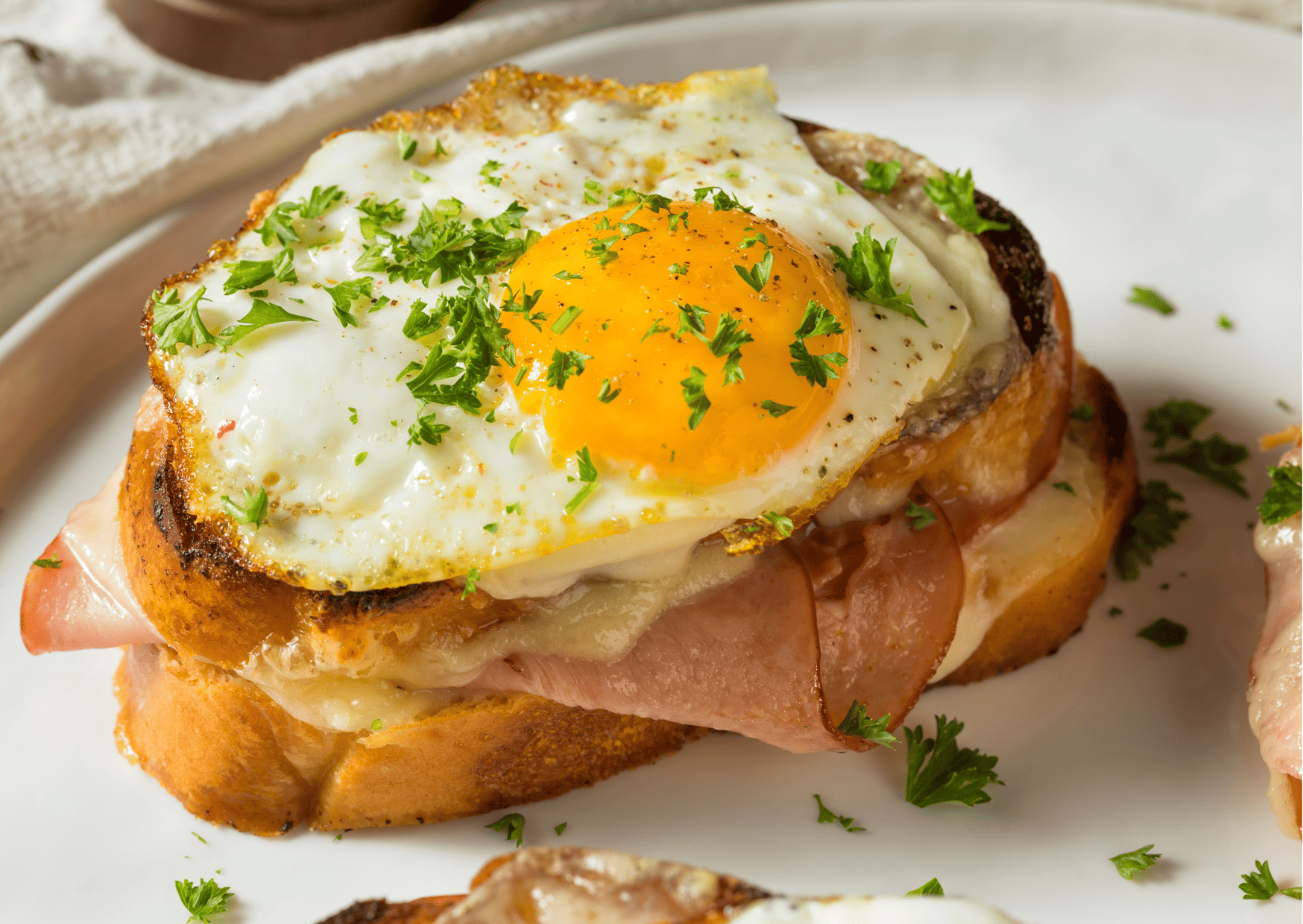
9. Eggs Are a Luxury, Not a Staple
Why It’s Confusing:
Eggs are rarely a regular part of European breakfasts and are often considered more suitable for lunch or brunch.
Example:
If you want eggs in a French café, you might need to wait until later in the day.
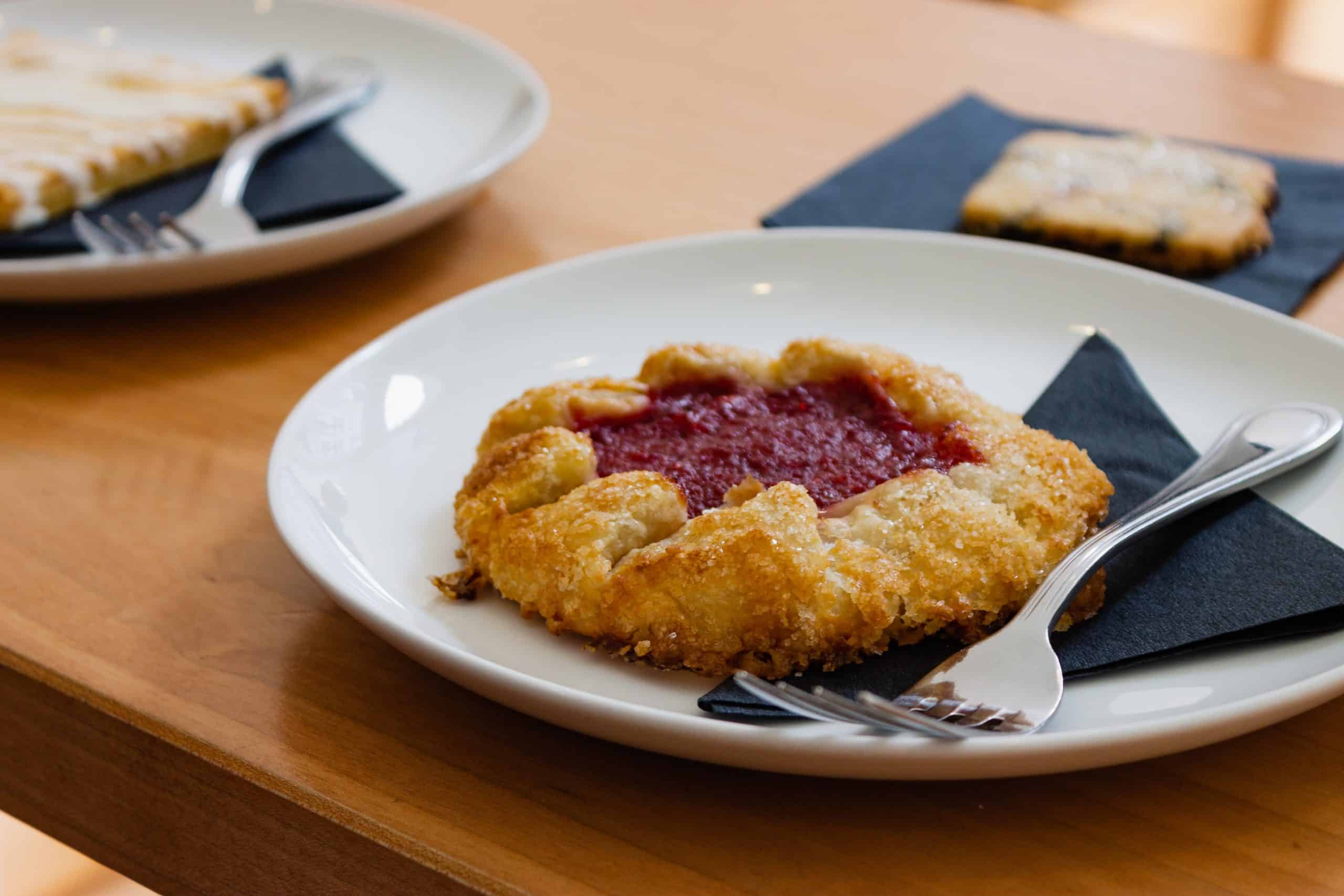
10. Pastries Are Common
Why It’s Confusing:
Sweet pastries are more prevalent in Europe than savory breakfast options.
Example:
In Denmark, you’ll find a variety of wienerbrød (Danish pastries) alongside your morning coffee.
11. Buffet Breakfasts Aren’t Standard
Why It’s Confusing:
While buffet breakfasts are common in American hotels, many European accommodations offer smaller, set menus or à la carte options.
Example:
A typical bed-and-breakfast in England might serve toast, cereal, and tea without buffet spreads.
12. Juice is Served in Small Portions

Why It’s Confusing:
Americans are accustomed to large glasses of orange juice, while Europeans serve smaller portions, often freshly squeezed.
Example:
In Spain, zumo de naranja (fresh orange juice) is typically served in a small glass.
13. Water Isn’t Always Included
Why It’s Confusing:
Americans expect water to be automatically served, but in Europe, it’s often not provided unless requested—and it’s rarely free.
Example:
In Germany, bottled water may be the only option, and it’s not complimentary.
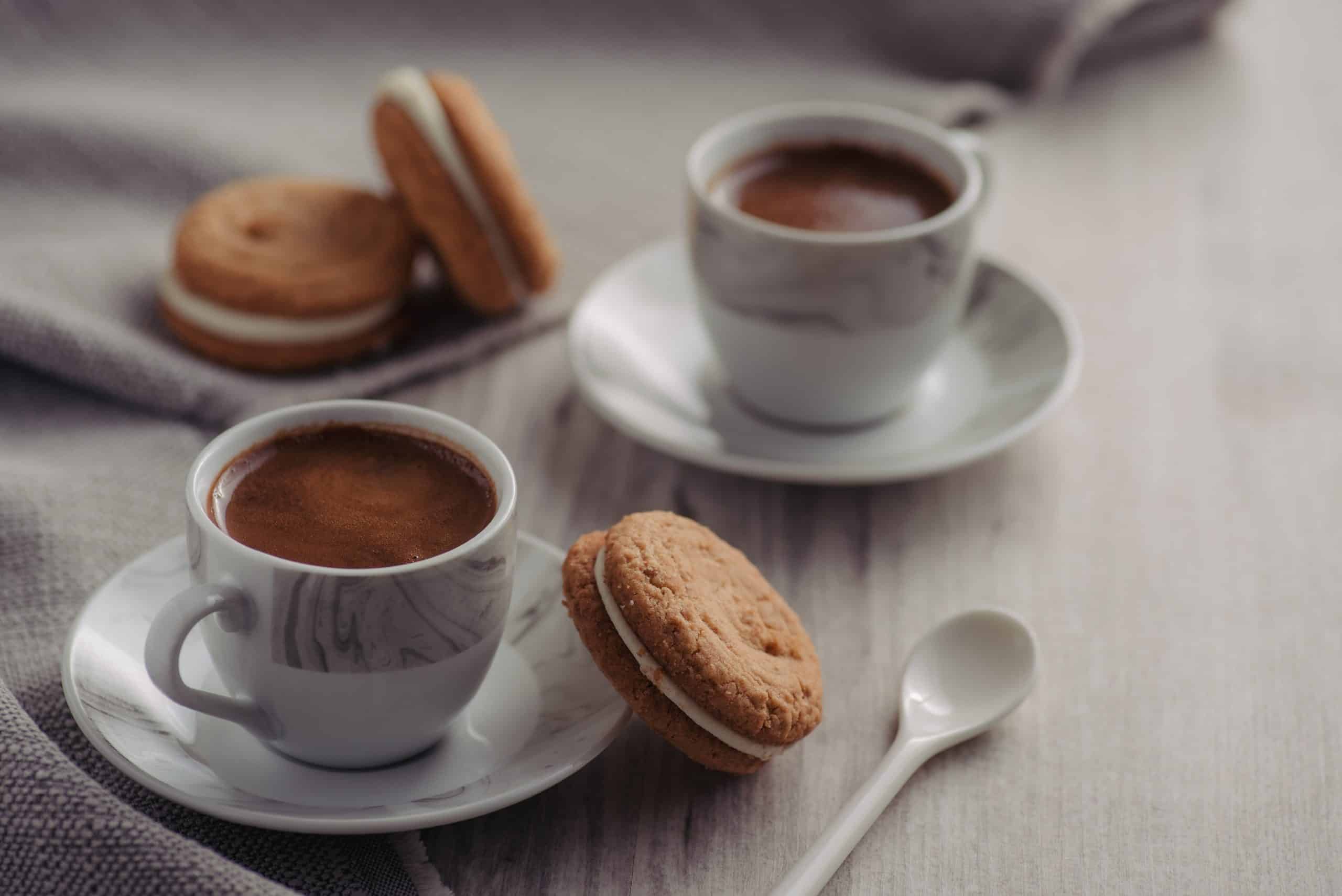
14. Breakfast is Rarely “To-Go”
Why It’s Confusing:
Europeans generally prefer sitting down to eat breakfast rather than taking it to go.
Example:
In Italy, it’s common to stand at a café counter and quickly enjoy an espresso and pastry before heading out.
15. Savory Toppings Are Common
Why It’s Confusing:
Americans are used to sweet breakfast foods, but Europeans often top their bread with savory items like cheese, ham, or smoked fish.
Example:
In Germany, Frühstück might include a variety of cured meats, cheeses, and bread.
Why You Should Care and Follow
You should care because understanding local breakfast habits can make your trip smoother from the start of the day. If you know what is typically available, how much food to expect, and how coffee is usually served, you are less likely to feel disappointed or frustrated when breakfast does not look like it does at home.
Following local breakfast customs can also help you experience the destination more naturally. Eating what people around you actually eat in the morning can reveal a lot about daily life. It is one of the simplest ways to experience a culture without needing a museum, tour, or major attraction.
There is also a practical advantage to adjusting your expectations. If breakfast is small, you can plan for a mid-morning snack or larger lunch. If the local coffee culture is different, you can learn what to order instead of repeatedly asking for something that is not common. Those small adjustments make travel feel much easier.
Trying different breakfast styles can also help you rethink your own habits. You may discover that you prefer something lighter, more savory, or less complicated than what you usually eat at home. Travel can be a useful way to question routines you have followed automatically for years.
Most importantly, caring about these differences encourages flexibility. The more willing you are to adapt to another country’s rhythm, the less likely you are to judge unfamiliar habits as wrong. That flexibility can improve every part of the trip, not just breakfast.
Why You Should Not Care and Follow Too Much
At the same time, you should not force yourself to eat a breakfast you dislike just because it is local. Cultural curiosity is valuable, but personal preference still matters. If you need a larger meal in the morning or prefer something specific, there is nothing wrong with finding what works for you.
You should also avoid assuming that one breakfast habit applies across all of Europe. A French breakfast can look very different from a German one, and a Spanish breakfast can be completely different from what you find in Scandinavia. Treating Europe as one culture creates more confusion than clarity.
There is also no reason to romanticize local habits as automatically healthier or more sophisticated. A croissant and coffee may be traditional, but that does not make it nutritionally superior to every American breakfast. Cultural value and nutritional value are not the same thing.
You should not become so focused on following breakfast etiquette that the morning feels stressful. Most cafés and hotels are used to international travelers, and small mistakes are rarely a major issue. A relaxed attitude matters more than perfect cultural performance.
Ultimately, the goal is to understand the differences without turning them into rules you have to obey. Try the local approach, notice what you like, and keep what works for you. Travel should expand your options, not make you feel trapped by them.
Final Thoughts
European breakfast culture can confuse Americans because it challenges habits that feel automatic. The size of the meal, the foods served, the way coffee is ordered, and the timing of breakfast can all feel different enough to make travelers question what they thought was normal.
The most useful thing to remember is that breakfast is shaped by the rest of the day. A small morning meal may make sense in a country with a larger lunch, while a savory breakfast may simply reflect different ideas about what belongs on the table in the morning.
The smartest approach is to observe before judging. Look at what locals order, understand the rhythm of the day, and let yourself try something different without expecting it to match home.
It is also worth remembering that there is no single correct breakfast culture. American and European habits both developed around different lifestyles, schedules, and traditions. Neither one needs to win.
Ultimately, the best part of encountering unfamiliar breakfast rules is realizing how much of everyday life is cultural. Once you understand that, the differences stop feeling confusing and start becoming part of what makes travel interesting.

About the Author: Ruben, co-founder of Gamintraveler.com since 2014, is a seasoned traveler from Spain who has explored over 100 countries since 2009. Known for his extensive travel adventures across South America, Europe, the US, Australia, New Zealand, Asia, and Africa, Ruben combines his passion for adventurous yet sustainable living with his love for cycling, highlighted by his remarkable 5-month bicycle journey from Spain to Norway. He currently resides in Spain, where he continues sharing his travel experiences with his partner, Rachel, and their son, Han.