
Every American knows the ritual guilt of the dental checkup, the moment the hygienist asks whether you have been flossing, and you lie, or confess, and get the gentle lecture about doing it every single day. Flossing is treated in American dental culture as a near-sacred daily duty, the thing you are failing at, the floss container in every bathroom as a small monument to obligation. So it comes as a genuine surprise to many Americans that across much of Europe, people barely floss at all, and their dentists are perfectly fine with it, because those dentists are often recommending something else entirely: the interdental brush.
This is not Europeans being lax about their teeth. It is a different, and arguably better-evidenced, approach to the real goal, which was never flossing for its own sake but cleaning the spaces between the teeth where a toothbrush cannot reach.
European dentists tend to steer patients toward little brushes designed for exactly that job, and the humble string floss that dominates American bathrooms plays a much smaller role. Here is what the interdental brush actually is, why the evidence for flossing is weaker than Americans assume, why Europe went a different way, and how to think about cleaning between your teeth without the guilt. This is general information and not a substitute for your own dentist’s advice.
The Goal Was Never Flossing
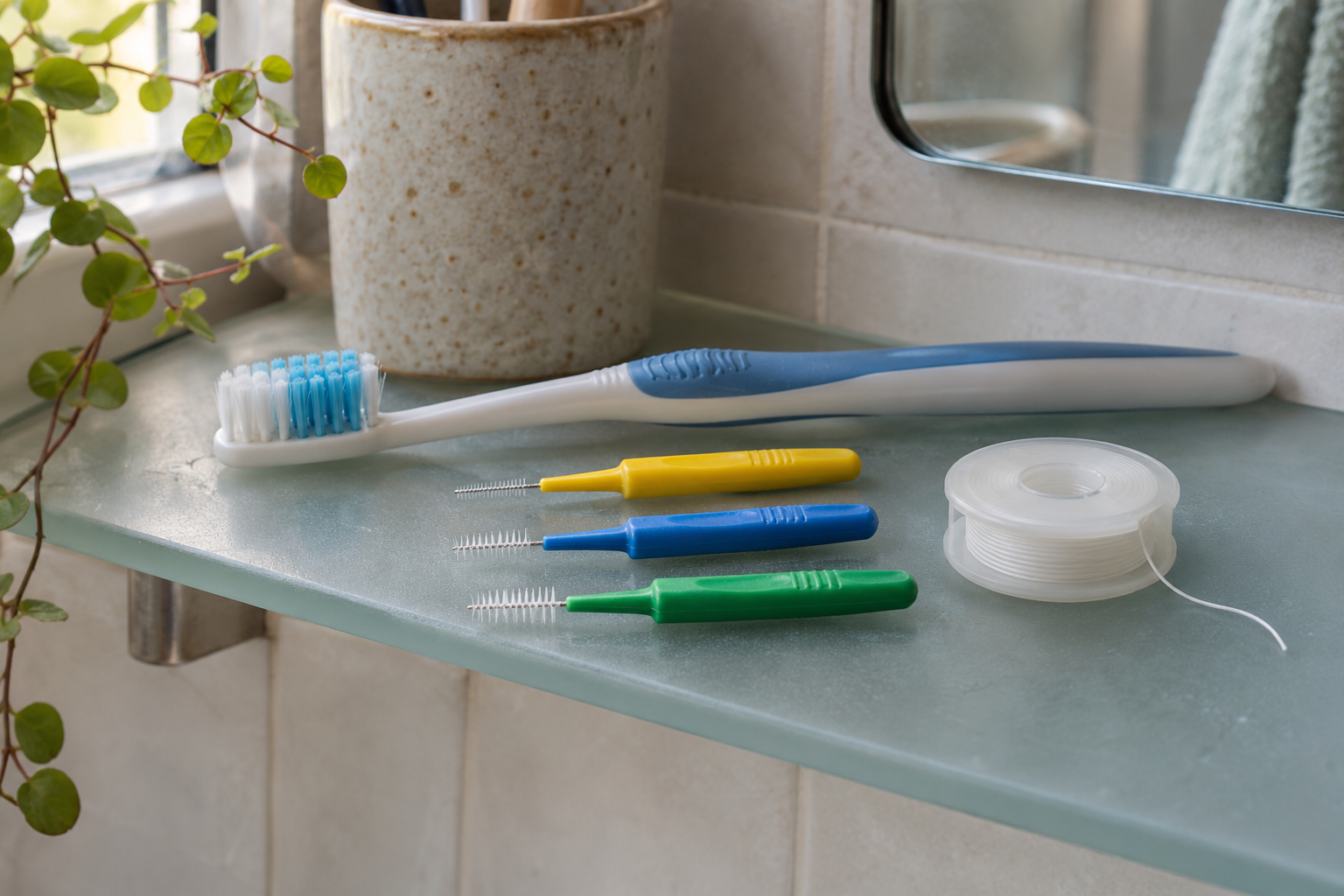
To make sense of any of this, you have to separate the goal from the method, because American dental culture has largely fused the two. The actual goal of flossing was always to clean the surfaces between the teeth, the tight spaces a toothbrush bristle cannot get into, where food and plaque collect and where decay and gum disease often begin. Cleaning between the teeth matters, this part is not in dispute, because the spaces between teeth are a real site of dental trouble that brushing alone leaves untouched.
Floss, the thin string you snap between your teeth, is simply one tool for achieving that goal, and it is the one that happened to dominate in America. But it is not the only tool, and crucially it is not necessarily the best one for everyone, a point that gets lost when a culture treats a particular method as the whole of the duty. The question that matters is how to clean between the teeth effectively, and floss is one answer among several, not the answer.
This distinction is the key that unlocks the whole European approach. European dentistry tends to focus on the goal, cleaning between the teeth, and to recommend whatever tool best achieves it for a given patient, which is very often not floss. Once you see that flossing was always a means and not an end, the idea that Europeans clean between their teeth without much flossing stops being alarming and starts making sense. They are after the same thing, by a different and often more effective route.
The Interdental Brush
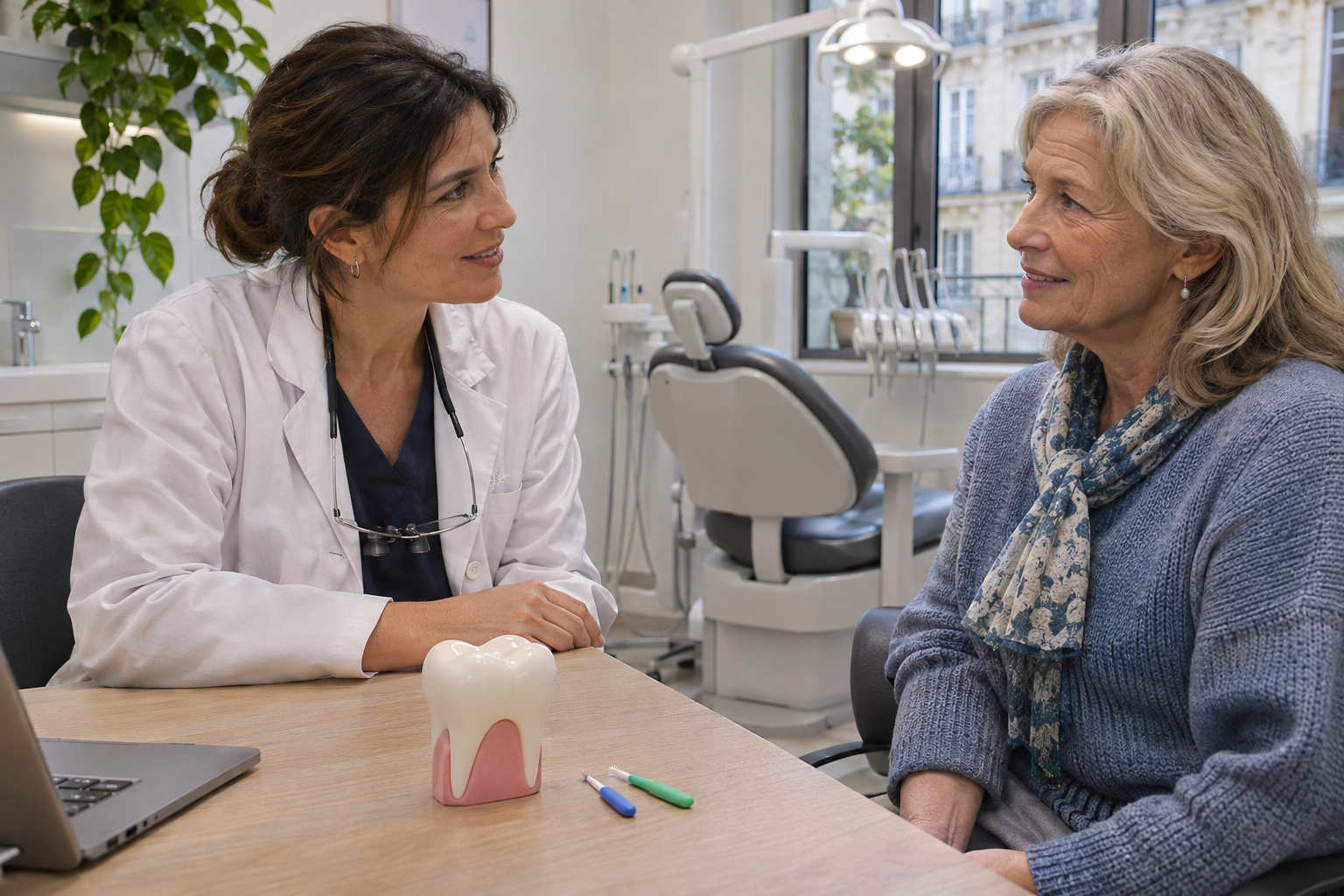
The tool European dentists so often recommend is the interdental brush, and if you have not seen one, it is worth picturing, because it is cleverly suited to the job. It is a tiny brush, like a miniature bottle brush, a small handle with a thin wire core covered in fine bristles, made in a range of sizes to fit the different-sized gaps between teeth. You simply push the little brush gently into the space between two teeth and move it back and forth, and the bristles sweep the plaque off the tooth surfaces on both sides.
The appeal is both effectiveness and ease. For the many people who have at least a little space between their teeth, the brush physically scrubs the side surfaces in a way that a thin strand of floss, which mostly scrapes down a single plane, does not quite match, and the bristles clean a broader area. And for a lot of people it is simply easier to use than floss, less fiddly, no wrapping string around fingers, no awkward reaching into the back of the mouth, which matters enormously because the best dental tool is the one a person will actually use consistently.
That last point is central to why Europe leans this way. Compliance is the eternal problem of flossing, the fact that most people, however much they are lectured, do not floss daily and never will, so a method that people find easier and are therefore more likely to actually do can deliver better real-world results even setting the cleaning power aside. European dentists, in recommending interdental brushes, are often choosing the tool patients will realistically use, which is a sensible, pragmatic approach to the actual human being in the chair rather than the ideal flosser who does not exist.
Getting the Size Right

The one thing worth knowing if you want to try interdental brushes is that size matters, and it is the detail people most often get wrong. The brushes come in a range of sizes, usually color-coded, to match the different-sized gaps between your teeth, and the right one should slide into the space with a gentle, snug fit, cleaning both tooth surfaces, without having to be forced in. A brush that is too big is uncomfortable and can harm the gum, while one too small does not clean effectively.
Because the gaps between your teeth are not all the same size, you may well need more than one size of brush for different parts of your mouth, which sounds fiddly but quickly becomes second nature. A dentist or a knowledgeable pharmacist can help you work out which sizes fit where, and in Europe the pharmacist handing over a couple of sizes with a quick explanation is a routine interaction. Once you know your sizes, the daily use is genuinely quicker and easier than wrestling with string floss.
The technique itself is simple. You gently insert the brush into the gap and move it back and forth a few times, then move to the next gap, working around the mouth. No wrapping, no snapping, no fingers jammed into the back of your mouth, just a small brush doing an obvious job, which is a large part of why people who switch tend to stick with it.
The Floss Evidence Is Weaker Than You Think
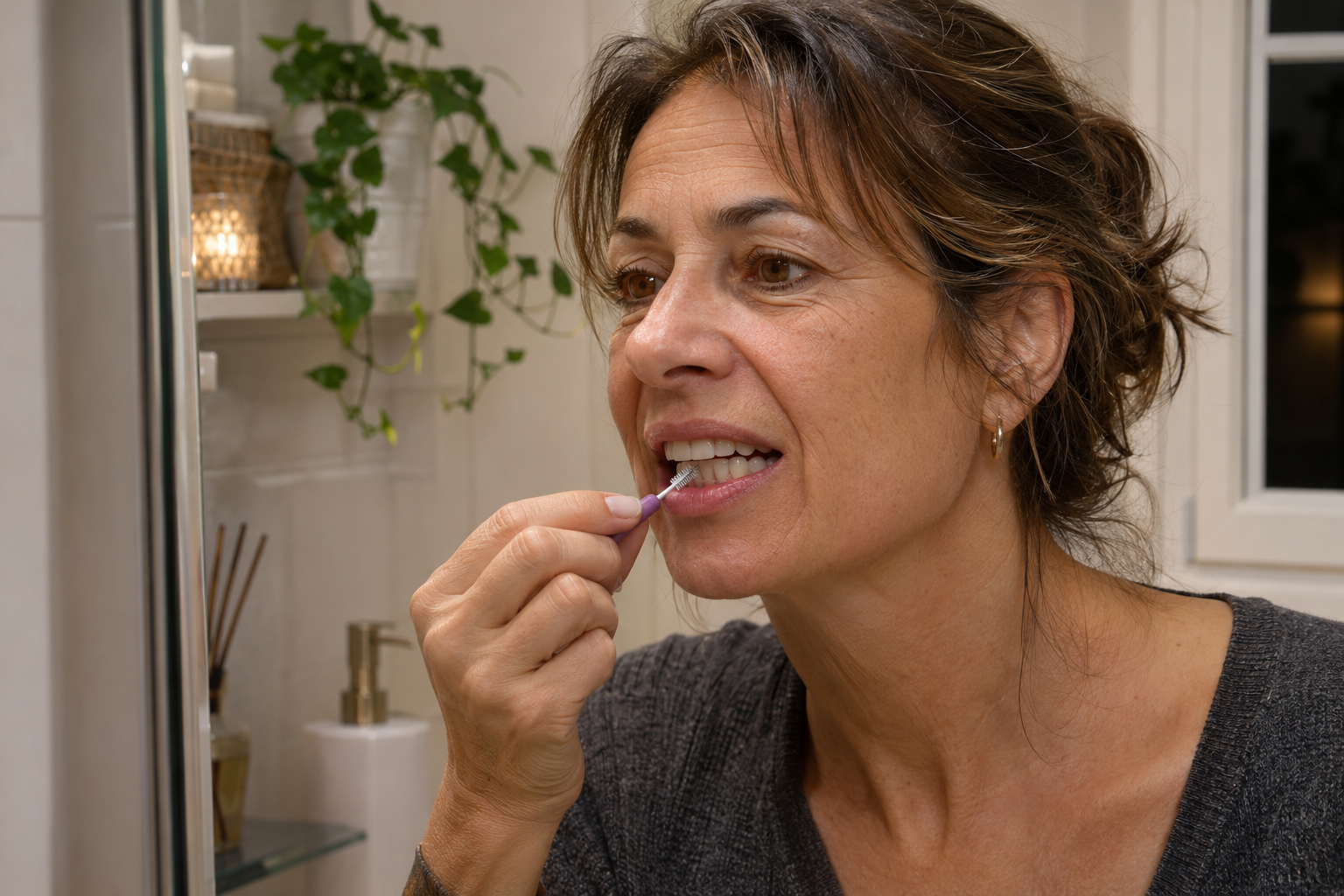
Here is the part that genuinely surprises Americans, and it made headlines a few years ago when it surfaced: the scientific evidence that flossing works is surprisingly weak, far weaker than the daily-duty gospel would suggest. When researchers reviewed the actual studies on flossing, they found the evidence base to be thin and of low quality, with much of it old, small, or poorly designed, so that the strong, confident recommendation to floss daily was resting on a shakier foundation than almost anyone assumed.
This does not mean flossing is useless or that cleaning between the teeth does not matter, and it is important not to overstate it. It means that the specific, universal, moralized American insistence on string floss as a daily necessity was never as solidly proven as it was presented, and that the certainty did not match the science. The goal of cleaning between the teeth remains sound, but floss’s claim to be the essential way to do it was overstated, which is exactly the gap the American dental guilt was built on.
Interdental brushes, by contrast, have actually tended to fare better in the research for people who can use them, with some evidence suggesting they are as effective or more effective than floss at removing plaque and reducing gum inflammation in the spaces they fit. So the European preference is not a lowering of standards but, if anything, a move toward the better-supported tool. The Americans clinging to floss and the Europeans reaching for brushes are both trying to clean between their teeth, but the evidence gives the brush a surprisingly strong case, which makes the European approach look less like laxity and more like keeping up with the data.
Where Water Flossers Fit
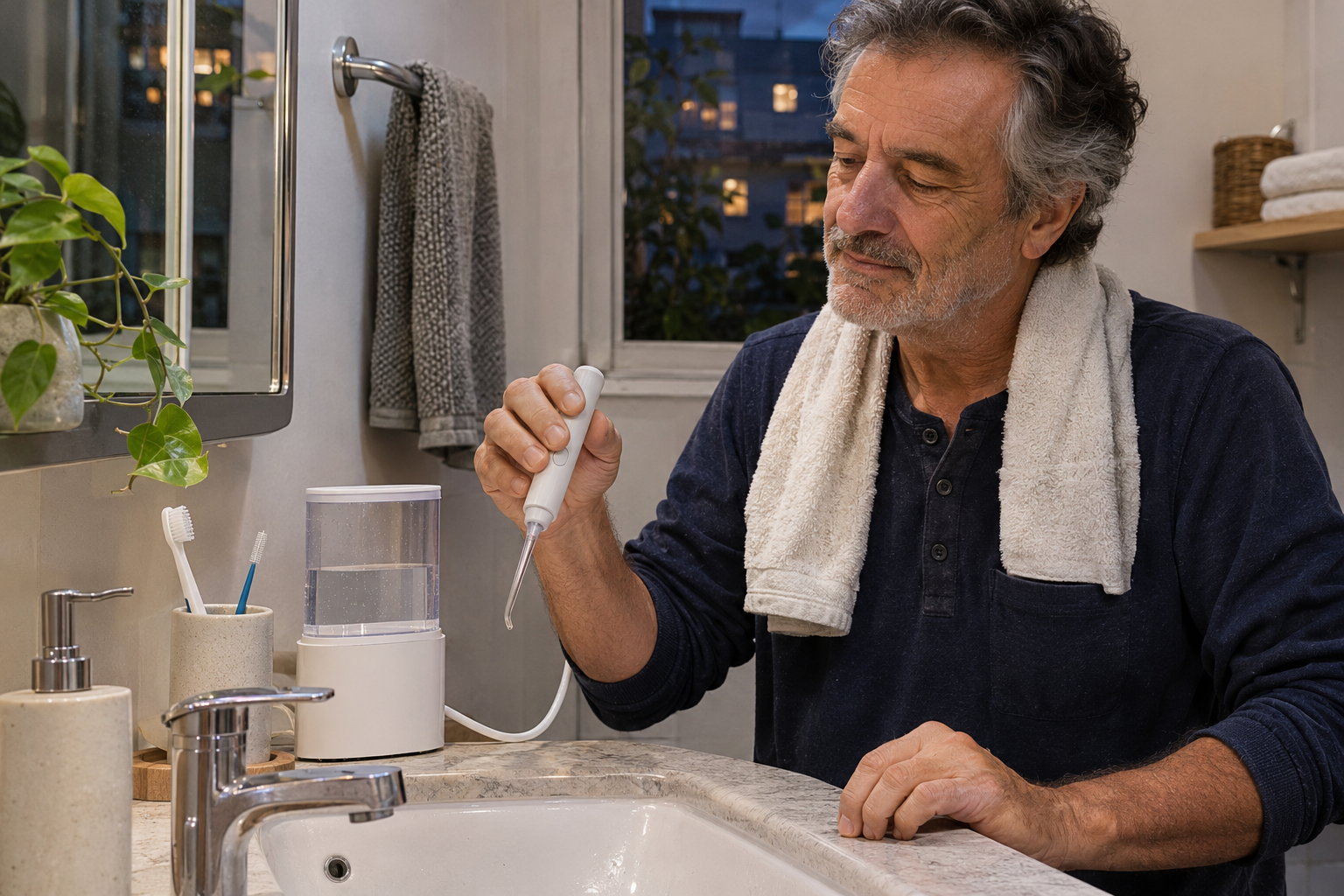
No honest account of cleaning between the teeth can skip the water flosser, the device that shoots a thin jet of water into the gaps, since it has become popular on both sides of the Atlantic and sits alongside brushes and floss as a third option. For some people, particularly those with braces, bridges, implants, or dexterity problems that make brushes and floss awkward, a water flosser can be a genuinely useful tool, flushing debris from spaces that are hard to reach by hand.
It is not a magic replacement for everything, and opinions differ on how completely the water jet removes sticky plaque compared with the physical scrubbing of a brush, so it is often best thought of as a complement rather than a sole method. But it widens the point of this whole piece, which is that there is a range of tools for cleaning between the teeth, and string floss is only one of them. The right approach is whatever combination actually cleans your mouth and fits your life, a question for you and your dentist rather than a single prescribed ritual.
Why America Stayed With Floss
If the brush has such a good case, why does America remain so devoted to floss, and the answer is mostly habit, culture, and industry rather than evidence. Flossing became entrenched in American dental practice generations ago, taught as the standard, repeated by every hygienist, built into the national dental routine, and once a practice is that deeply embedded it persists on momentum long after the evidence stops demanding it. The daily-floss message is simply what American dentistry has always said, passed down unexamined.
There is an industry dimension too, a large market in dental floss that both reflects and reinforces the norm, keeping floss front and center in the drugstore aisle and the cultural script. The interdental brush, more common in European pharmacies, never achieved the same dominance in the American market, so it stayed relatively obscure to American consumers even as it became routine across the Atlantic. What is normal in a bathroom is partly a matter of what the local dental culture and market made normal, and the two diverged.
The result is a real transatlantic difference in a tiny daily habit, floss in the American bathroom, little brushes in the European one, both aimed at the same teeth. For an American who learns about the interdental brush, often only by living in Europe and seeing them everywhere or being handed one by a European dentist, it can be a small revelation, the discovery that the thing they felt perpetually guilty about may have a better, easier alternative they were simply never told about. The hygienist’s lecture, it turns out, was pushing one tool when another was quietly working better elsewhere.
The Guilt Was the Real Problem
Step back from the tools for a moment and there is a cultural point worth making, which is that the American relationship with flossing has been built heavily on guilt, and that guilt may have done real harm. When a single method is moralized into a daily duty that most people fail at, the result is not better cleaning but a widespread, low-level shame, the lie to the hygienist, the flare of self-reproach at the drugstore, the sense of being perpetually behind on an obligation. Guilt is a poor motivator, and it has not actually made Americans floss.
The European framing, focused on finding a tool the patient will realistically use, quietly sidesteps all of that. There is no great moral weight on string floss specifically, just a practical question of what cleans your particular teeth and what you will actually keep doing, and that pragmatism is healthier in every sense. A person handed an easy little brush they do not mind using will clean between their teeth more reliably than a person handed a duty they dread and dodge.
So part of what Europe offers here is not just a better tool but a better attitude, one that treats dental care as a practical matter to be solved rather than a virtue to be failed at. Letting go of the floss guilt, and replacing the dogma with a tool that fits your mouth and your habits, is likely to do more for your actual teeth than another round of resolutions to floss daily ever did.
How to Clean Between Your Teeth

So what should a person actually do, and here the honest answer requires some nuance and a clear pointer to your own dentist. The core principle is sound and worth keeping: do clean between your teeth somehow, because the spaces between the teeth genuinely need cleaning and brushing alone does not reach them. The debate is purely about the best tool for you, not about whether to bother.
For many people, especially those with normal or slightly open spaces between the teeth, an interdental brush of the right size is an excellent, easy, well-evidenced choice, and getting the size right, which a dentist or pharmacist can help with, matters because the brush should fit snugly without forcing. For people with very tight contacts between teeth, where no brush will fit, floss or a floss-like tool may still be the better or only option, which is part of why this is individual rather than one-size-fits-all. Some people use a combination, and water flossers are another tool in the mix.
The real takeaway is to let go of the guilt and the dogma and have an actual conversation with your dentist or hygienist about the best way to clean between your particular teeth, rather than assuming string floss is a universal moral duty. Your mouth, the spacing of your teeth, and your own habits determine what will work, and a good dental professional can point you to the right tool, which for a great many people turns out to be the little brush the Europeans have been using all along. Clean between your teeth, yes, but do it with the tool that actually suits you and that you will actually use, and stop feeling bad about the floss you never got around to.

About the Author: Ruben, co-founder of Gamintraveler.com since 2014, is a seasoned traveler from Spain who has explored over 100 countries since 2009. Known for his extensive travel adventures across South America, Europe, the US, Australia, New Zealand, Asia, and Africa, Ruben combines his passion for adventurous yet sustainable living with his love for cycling, highlighted by his remarkable 5-month bicycle journey from Spain to Norway. He currently resides in Spain, where he continues sharing his travel experiences with his partner, Rachel, and their son, Han.