
When Americans compare the cost of retiring in Florida against retiring somewhere in Europe, they usually reach for the obvious numbers, the price of a house, the cost of groceries, the tax rates. They almost never look at the line that, for a lot of coastal retirees, has quietly become one of the most punishing costs of all: homeowners insurance.
In Florida, the average homeowner now pays around $5,000 a year to insure their home, among the highest rates in the country and climbing. In Portugal, a comparable home can be insured for something in the region of €250 a year. That is not a typo, and it is not a rounding difference. It is a gap so large that it can change the entire math of where a retirement is affordable.
This single line item rarely makes the brochures, because insurance is boring and nobody dreams about it, but on a fixed retirement income it can matter more than almost anything else, a recurring cost difference of thousands of dollars every single year. It is one of those quiet, unglamorous numbers that, once you see it clearly, is hard to unsee, and it has pushed more than a few retirees to reconsider where they want to grow old. Here is why Florida insurance has become so expensive, why Portugal is so cheap, what the gap does to a retirement budget, and the honest caveats around comparing the two. This is general information, not financial or insurance advice.
The Florida Insurance Crisis
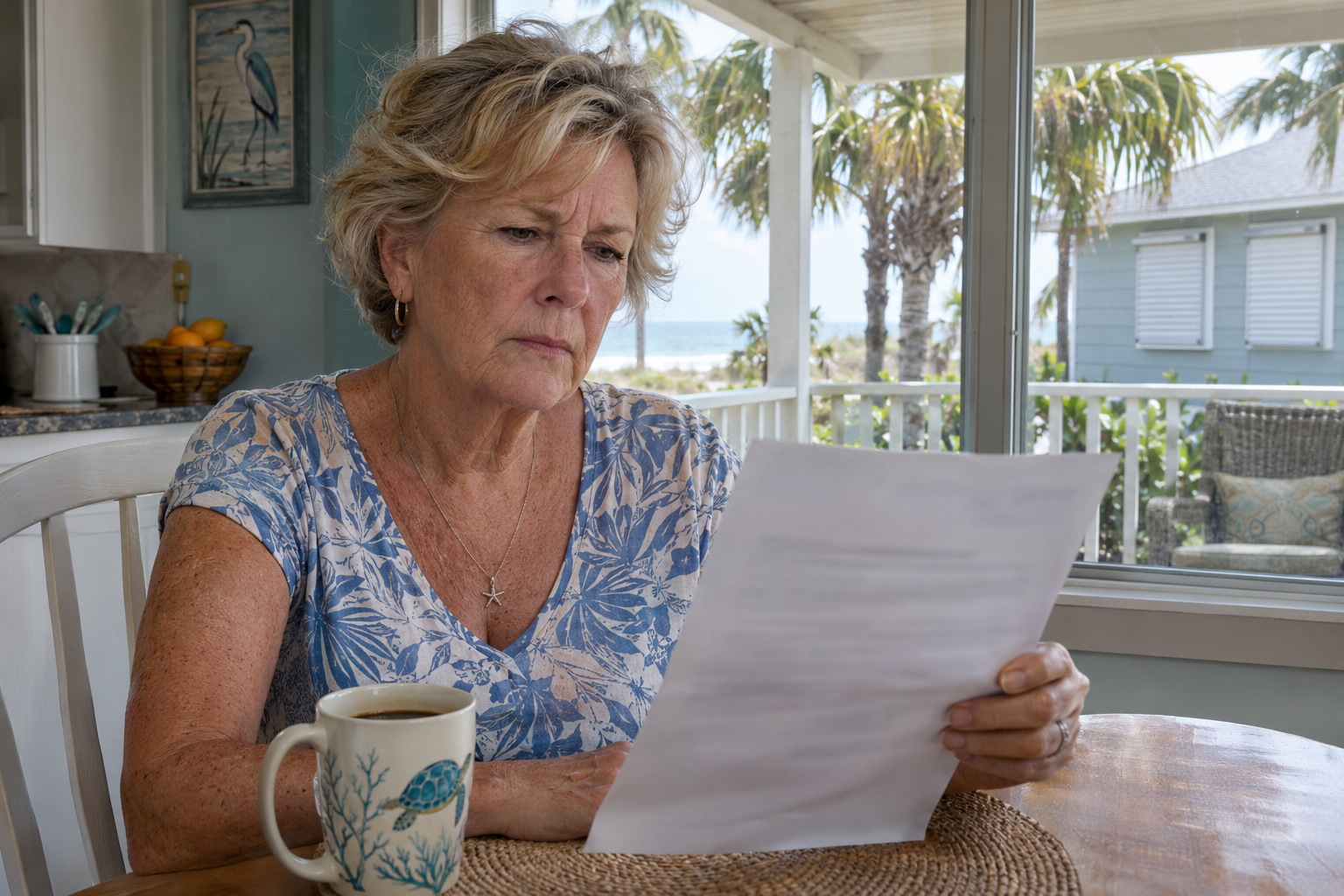
To understand the gap you first have to understand what has happened to home insurance in Florida, because the state is in the middle of a genuine crisis that has driven its rates to among the highest in the United States. Florida homeowners pay dramatically more than the national average, with typical premiums far above what most Americans elsewhere pay, and the figure has been rising sharply year after year rather than holding steady. For many coastal Florida homeowners the annual premium has become a major, growing burden.
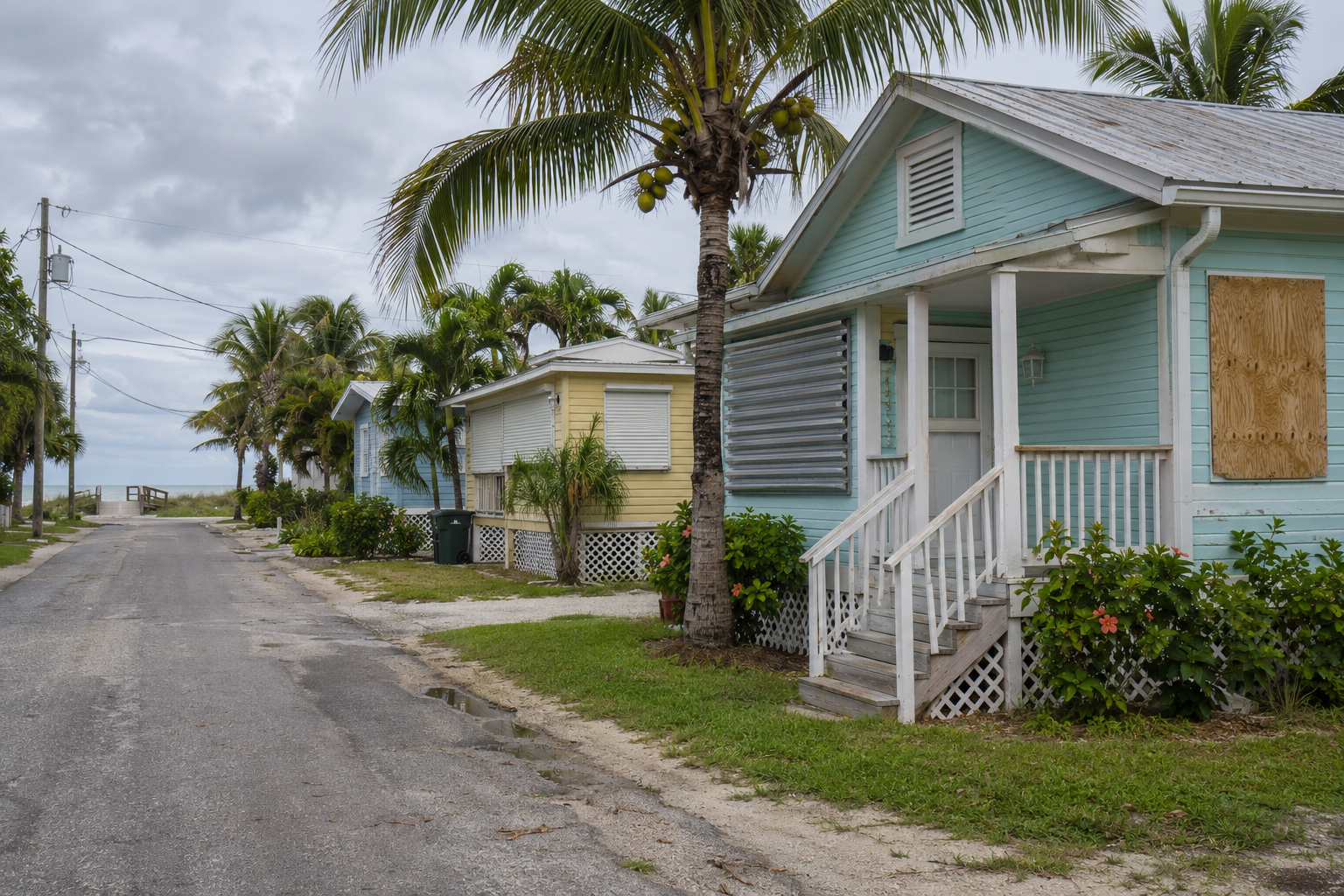
The reasons are structural and not easily fixed. Florida sits in the path of hurricanes and faces serious flood and storm risk, and as climate change intensifies these threats, the cost of insuring against them climbs. Behind the scenes, the global reinsurance that backs the insurers has grown much more expensive as catastrophe losses mount, and that cost flows straight through to homeowners. Florida has also struggled with a difficult insurance market shaped by litigation and fraud problems that drove up costs further, and the combined effect has been severe.
The most alarming part for retirees is that insurers have been leaving the state or refusing to write new policies, shrinking the market and pushing homeowners toward fewer, costlier options, sometimes the state-backed insurer of last resort. This is not a stable, predictable cost but a volatile and worsening one, where a retiree can face steep annual increases or even struggle to find coverage at all. For someone on a fixed income trying to plan decades ahead, that uncertainty is almost as troubling as the raw expense, because you cannot reliably budget a cost that lurches upward every renewal. The Florida insurance line is both high and unpredictable, which is the worst combination for a retiree.
Why Portugal Costs So Little
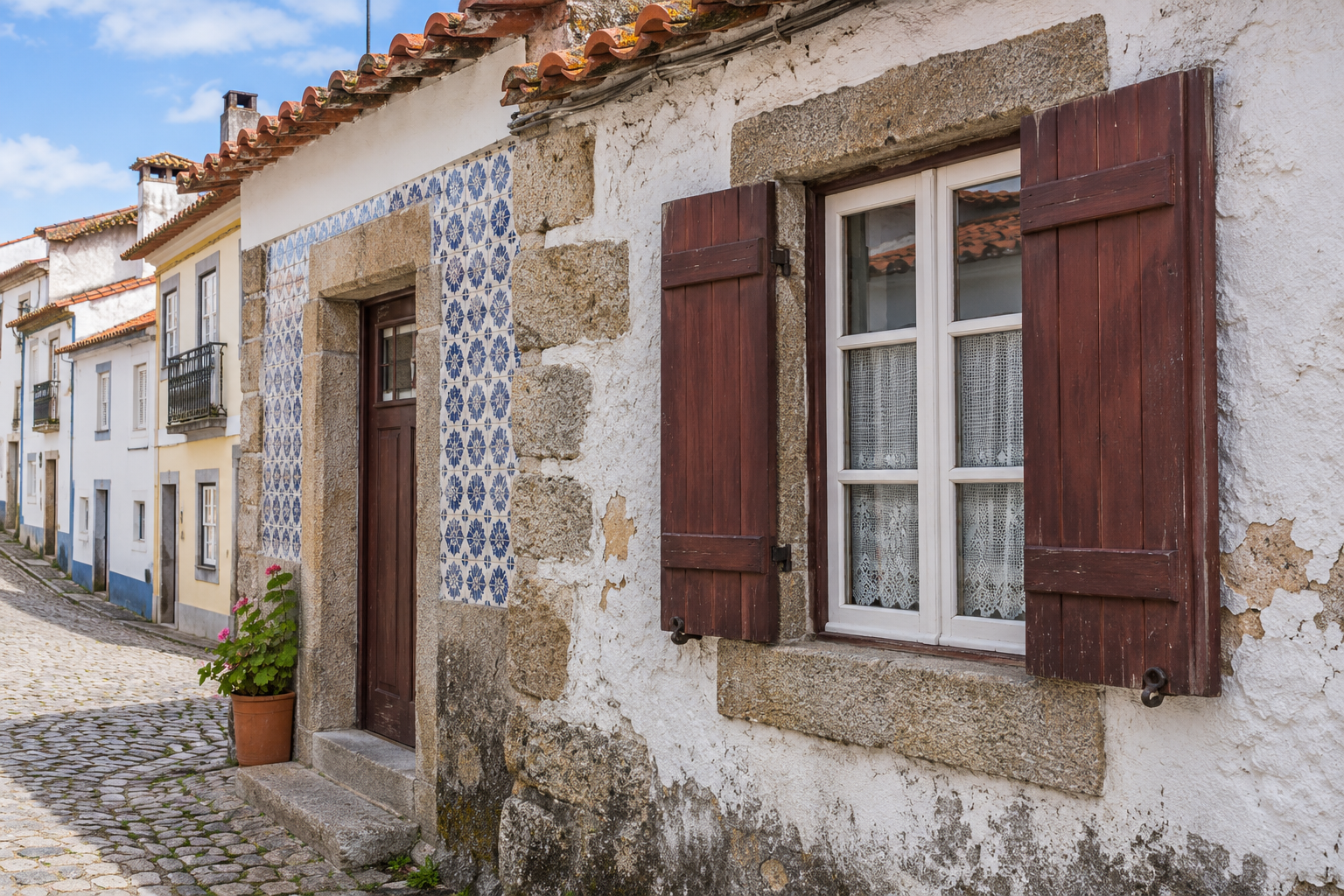
Across the Atlantic, home insurance in Portugal is almost an afterthought, a minor annual cost rather than a major one, and the reasons are as structural as Florida’s are, just pointing the opposite way. The starting point is risk. Portugal does not face the frequent, catastrophic hurricanes that batter Florida, so the baseline peril the insurance is pricing is far lower, and lower risk means lower premiums. The fundamental thing insurers are charging for, the chance of a catastrophic loss, is simply much smaller.
Construction matters enormously too, and it is an underappreciated part of the gap. Portuguese homes, like most European ones, are typically built of masonry, concrete, brick, and stone, solid, fire-resistant, storm-resistant materials, where many American homes, especially in the paths of storms, are built of timber frame that is far more vulnerable to wind, water, and fire. A concrete-and-tile Portuguese house is a much better insurance risk than a wood-framed American one, and it costs less to insure accordingly. The buildings themselves are less likely to be destroyed, and that shows up directly in the premium.
There are further reasons the Portuguese figure stays low. Homes are often smaller and less expensive to rebuild than sprawling American houses, so the sum insured is lower, and the Portuguese insurance market is simply structured around these lower risks and costs. Add it together and a modest Portuguese home insured for a few hundred euros a year is not a bargain being offered at a loss, it is the honest price of insuring a solid building in a low-catastrophe environment. The cheapness is not a trick, it reflects a genuinely lower risk and a genuinely cheaper thing to rebuild, which is exactly why it is so stable as well as so low.
What the Gap Does to a Retirement
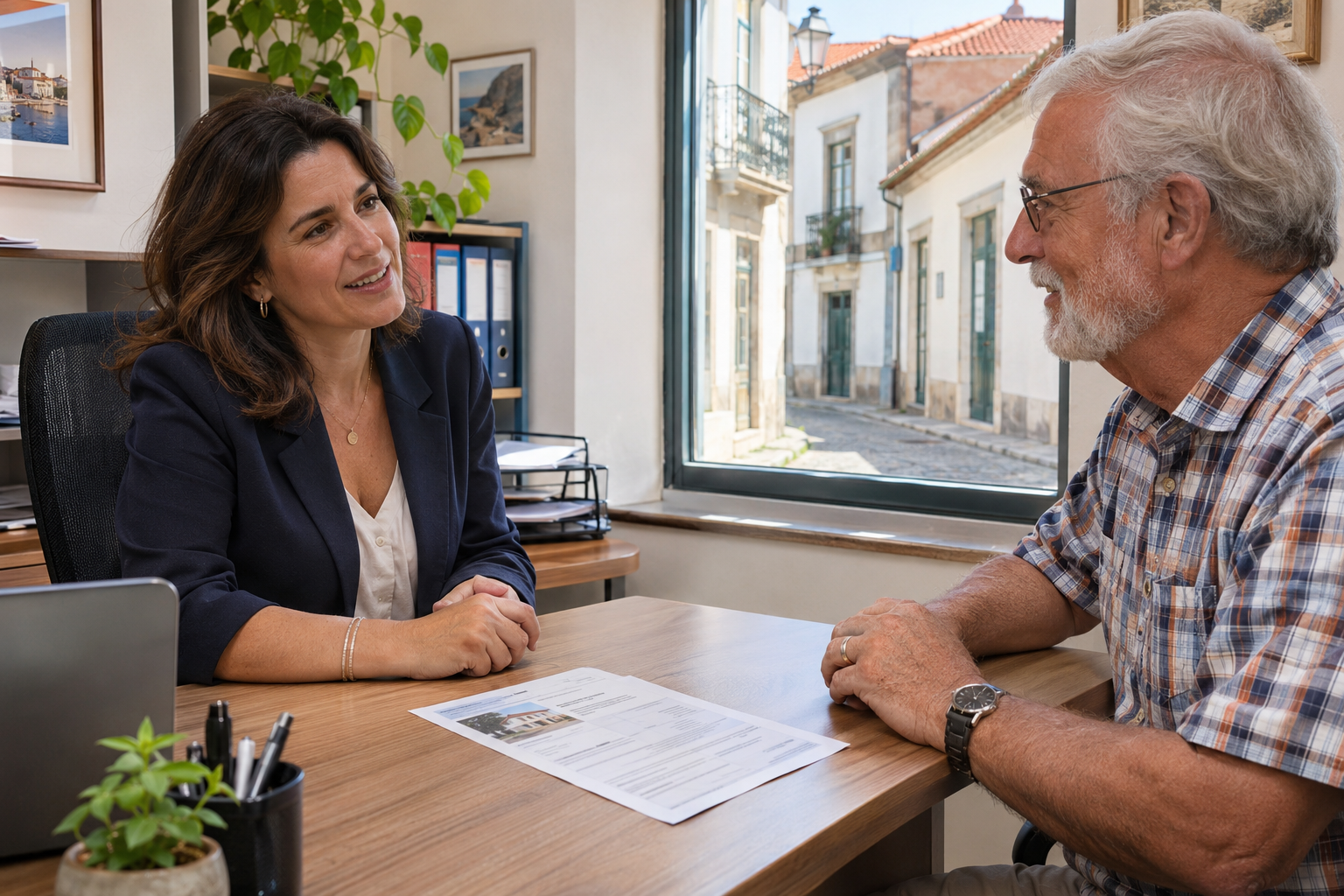
Now put the two numbers side by side and let the retirement math speak, because this is where an abstract comparison becomes a concrete life decision. A difference of roughly $5,000 a year versus €250 a year is a recurring annual saving on the order of several thousand dollars, every year, for as long as you own the home. On a fixed retirement income, a few thousand dollars a year is not a trifle, it is a meaningful share of many retirees’ annual spending, freed up or consumed depending on which side of the Atlantic the house sits.
As with any recurring cost, the real impact is in the compounding over time, across a retirement that might run twenty or thirty years. A saving of several thousand dollars a year, sustained over decades, adds up to a very large total, potentially well over a hundred thousand dollars across a long retirement, purely on the insurance line. And unlike the Florida figure, the Portuguese one is stable and predictable, not lurching upward each year, which lets a retiree actually plan rather than brace for the next renewal shock. You save a lot, and you also get to stop worrying about the number.
This is why the insurance line, boring as it is, can genuinely change where a retirement is affordable, and why it deserves a place in the planning that it almost never gets. A retiree agonizing over house prices and tax rates may be missing the line item that, year after year, does the most to separate an affordable retirement from a strained one. Seen clearly, Florida’s insurance cost is not a detail but a central fact of retiring there, and Portugal’s near-absence of that cost is a quiet but powerful part of what makes a European retirement pencil out. The math turns on the line nobody looks at.
It Is Not the Only Line That Shifts
Insurance is the most dramatic single example, but it rarely travels alone, and the same logic that makes it so much cheaper in Portugal tends to pull other costs down too, compounding the effect. Property taxes on a modest Portuguese home are typically modest, utilities often run lower than in a large air-conditioned Florida house, and the healthcare cost that looms so large in American retirement budgets is a fraction of the American figure in Portugal’s system. The insurance gap is the headline, but it sits inside a wider pattern of lower fixed costs.
This matters because retirement affordability is really about the sum of the recurring lines, the costs that repeat every year regardless of how carefully you live, and insurance is simply one of the largest and most visible of them. When several of those lines are dramatically lower, as they tend to be in Portugal versus coastal Florida, the combined effect on a fixed income is far bigger than any single comparison suggests. A retiree looking only at the house price misses that the ongoing costs of living in the house may differ even more than its purchase price does.
So treat the insurance line as the clearest window onto a broader truth rather than the whole story. It is the one that most starkly reveals how different the recurring cost of a retirement can be between a high-risk American coast and a low-risk European country, and once you have seen it, the sensible move is to add up all the recurring lines, not just the one, for any places you are seriously weighing.
The Honest Comparison
Intellectual honesty requires acknowledging that this is not a perfectly clean apples-to-apples comparison, and anyone using it to plan should understand the caveats, because the real picture has nuance. The figures are averages and ranges, and both vary enormously by the specific home, its value, its exact location, and the coverage bought. A high-value Florida home right on the coast insures for far more than $5,000, while an inland one costs less, and Portuguese premiums likewise vary with the home’s value and location, so the exact numbers in any individual case will differ from these headline figures.
The homes themselves are often different, too. A comparison between a large, expensive, timber-framed Florida house and a modest masonry Portuguese one is not comparing identical things, since the sum insured, the rebuild cost, and the risk profile all differ, and part of the price gap reflects that you may be insuring a different and more vulnerable kind of property in Florida. This does not erase the gap, which is real and large even comparing like with like, but it means the raw numbers flatter the comparison somewhat, and an honest planner accounts for it.
And Europe is not uniformly cheap or safe. Portugal’s low rates do not apply everywhere on the continent, and parts of Europe face their own serious risks, flooding in some regions, wildfire in others including parts of southern Europe, and those risks can raise local insurance costs. Climate change is a global force, and nowhere is permanently immune, so a retiree should check the specific risks and insurance costs of the specific place they are considering rather than assume all of Europe mirrors Portugal’s cheap premiums. The Florida-to-Portugal comparison is striking and real, but it is a specific comparison, not a universal law, and it should be used as a prompt to investigate rather than as a guarantee.
The Climate Question Behind the Numbers

It is worth naming the force underneath the Florida figure, because it shapes the long-term trend as much as the current price, and that is climate risk. The reason Florida insurance is high and rising is fundamentally that the storms, floods, and losses the insurers price for are growing more frequent and more costly, and insurers respond by charging more or withdrawing. A retiree buying into a high-risk coast is not just paying today’s premium but betting on where that premium goes over the next twenty years, and the trend line points up.
Portugal’s low premium reflects the opposite situation, a baseline of much lower catastrophe risk, though honesty requires noting that nowhere is permanently immune, and parts of southern Europe face rising wildfire and heat risks of their own. The point is not that Europe is risk-free but that the specific peril driving Florida’s crisis, the frequent destructive hurricane, is far less of a factor in a place like Portugal, which keeps both the price and its trajectory low.
For a retiree planning decades ahead, this long-run view matters as much as the current number. A cost that is high and climbing in a worsening-risk location is a very different proposition from one that is low and stable in a lower-risk one, even before you compare the raw figures. The climate question is, in the end, the question behind the whole insurance gap.
The Line Worth Checking Before You Choose
The practical takeaway is simple and worth acting on: when you compare places to retire, put the insurance line on the table and get real quotes, rather than leaving it as an afterthought behind the house price and the tax rate. For a coastal or storm-exposed American location, the home insurance cost may be one of the largest and fastest-growing expenses of living there, and for many European locations it may be startlingly low, and that difference can tip the whole decision. The number is knowable in advance, so know it before you commit, and get it in writing from an actual insurer rather than relying on an average you read somewhere, since your own home’s figure is the only one that will actually hit your account.
This matters especially for anyone currently weighing whether to stay put in a high-insurance American location or move abroad, because the insurance gap can be the hidden factor that makes the European option not just comparable but dramatically cheaper over a retirement. We have written separately, in our piece comparing what a retirement budget buys on the coasts of Spain and Florida, about how these line-by-line differences stack up, and the insurance line is often the single most dramatic entry in that comparison. It is the kind of cost that hides in plain sight until someone adds it up.
None of this is a recommendation to move or to stay, and insurance markets shift quickly, so the specific numbers here will change and must be checked fresh for any real decision. But the underlying point is durable: home insurance is a real, large, and highly variable retirement cost, and the difference between a high-risk American coast and a low-risk European country can run to thousands of dollars a year, every year. That is the line that changes the retirement math, and it is well worth knowing which side of it your future home sits on before you decide where to spend your retirement. For the cost of an afternoon getting a couple of real quotes, you can turn one of the biggest unknowns in your retirement budget into a known number, which is about the best return on an afternoon a planner could ask for.

About the Author: Ruben, co-founder of Gamintraveler.com since 2014, is a seasoned traveler from Spain who has explored over 100 countries since 2009. Known for his extensive travel adventures across South America, Europe, the US, Australia, New Zealand, Asia, and Africa, Ruben combines his passion for adventurous yet sustainable living with his love for cycling, highlighted by his remarkable 5-month bicycle journey from Spain to Norway. He currently resides in Spain, where he continues sharing his travel experiences with his partner, Rachel, and their son, Han.